A coolant trace under an engine can look like a simple failure, but a water pump leak can come from seal wear, bearing movement, gasket compression loss, pulley misalignment, casting or machining variation, or incorrect installation torque. For repair chains and parts distributors, the commercial risk is larger than coolant loss. Repeat labour, warranty returns, mixed part references, and inconsistent batches can turn a low-cost component into a high-cost failure mode. This article gives procurement and technical teams a structured diagnostic path: symptom, probable cause, inspection method, and replacement decision. It also outlines the production and validation controls worth reviewing when sourcing aftermarket water pumps at scale. Driventus manufactures engine cooling components in Taizhou, Zhejiang for B2B aftermarket and OEM/Tier-1 supply chains. Driventus is an independent aftermarket manufacturer; brand names are referenced for fitment only.
Common leak symptoms and what they indicate
Coolant around the pump should be assessed before removal whenever possible. Cleaning the area and pressure-testing the cooling system helps separate a true pump fault from a hose, thermostat housing, cylinder head gasket, radiator end tank, or unrelated coolant path.
Symptom observed
Likely source
Inspection method
Typical procurement implication
Coolant from the weep hole
Mechanical seal wear, coolant contamination, or dry-running damage
Check flange flatness, mating surface, gasket imprint, and bolt pattern
Verify gasket specification, installation notes, and carton instructions
Coolant mist near pulley
Bearing play causing shaft runout and seal instability
Check axial and radial play; inspect pulley offset and belt alignment
Review bearing grade, hub runout control, and end-of-line leak testing
Slow loss with no visible drip
Evaporation on hot housing, leak from a nearby hose, or pressure-cap issue
UV dye test; inspect after overnight cooling and pressure retention
Avoid premature warranty rejection without documented leak origin
Noise plus coolant trace
Bearing failure progressing to seal failure
Rotate shaft manually; check roughness, wobble, and belt condition
Treat as functional failure, not cosmetic leakage
</tr></thead><tbody> </tbody></table>A visible water pump leak should not be diagnosed from puddle location alone. Airflow, belt movement, engine angle, and undertray surfaces can move coolant away from the original fault point, so the highest fresh wet mark is usually more useful than the lowest drip.
Root causes to separate before approving replacement
A leaking pump is often the final visible result of upstream conditions. Procurement teams should ask suppliers and repair networks to record the failure pattern, not only the returned part number, because the same visible leak can have different commercial and corrective-action outcomes.
Key causes include:
Mechanical seal wear: Abrasive particles, aged coolant, contaminated coolant, or dry running can damage the carbon/ceramic seal faces and create a continuous leak path.
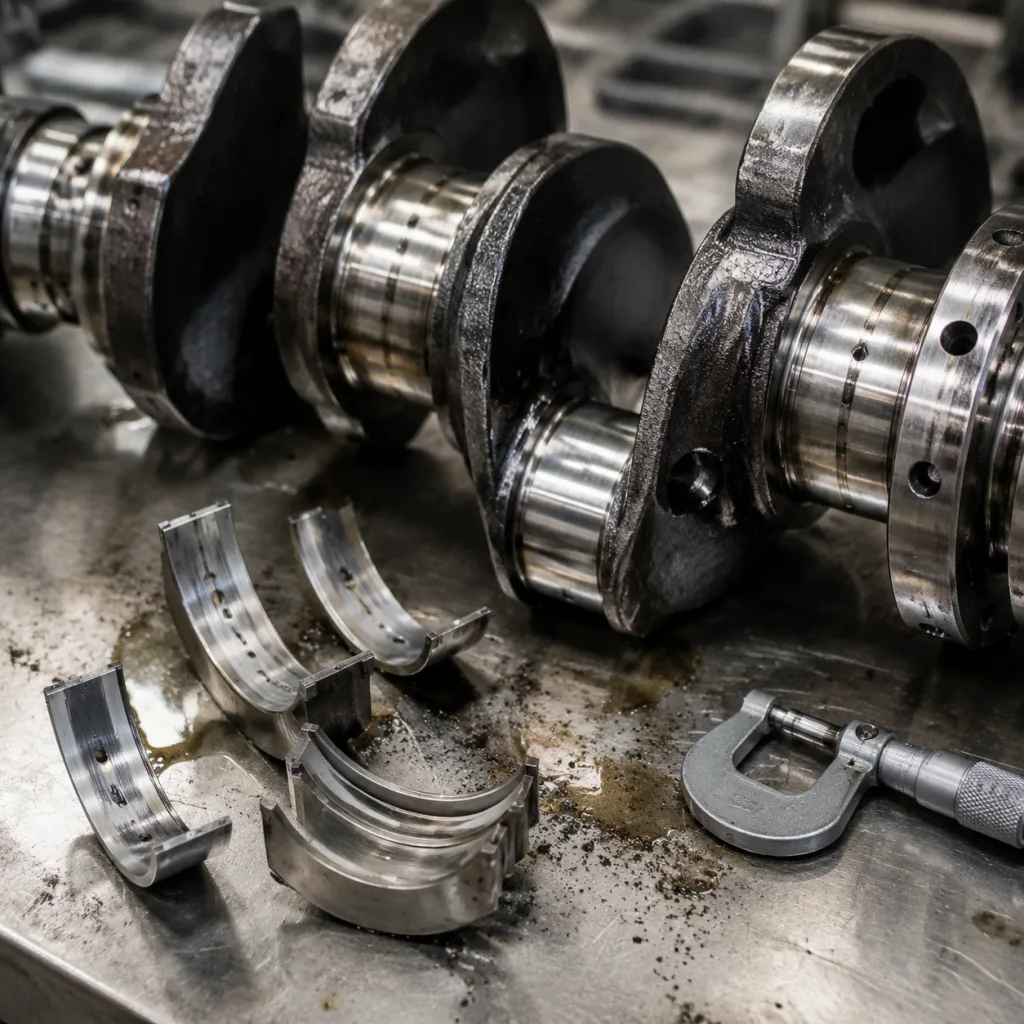
Bearing movement: Excessive belt tension, pulley misalignment, tensioner faults, or impact during installation can create shaft runout, which opens the seal interface.
Incorrect coolant chemistry: Mixing incompatible coolant types can form deposits, gels, or abrasive residues that attack seal faces and elastomers. Material declarations should support REACH (EC) No 1907/2006 where applicable to the market.
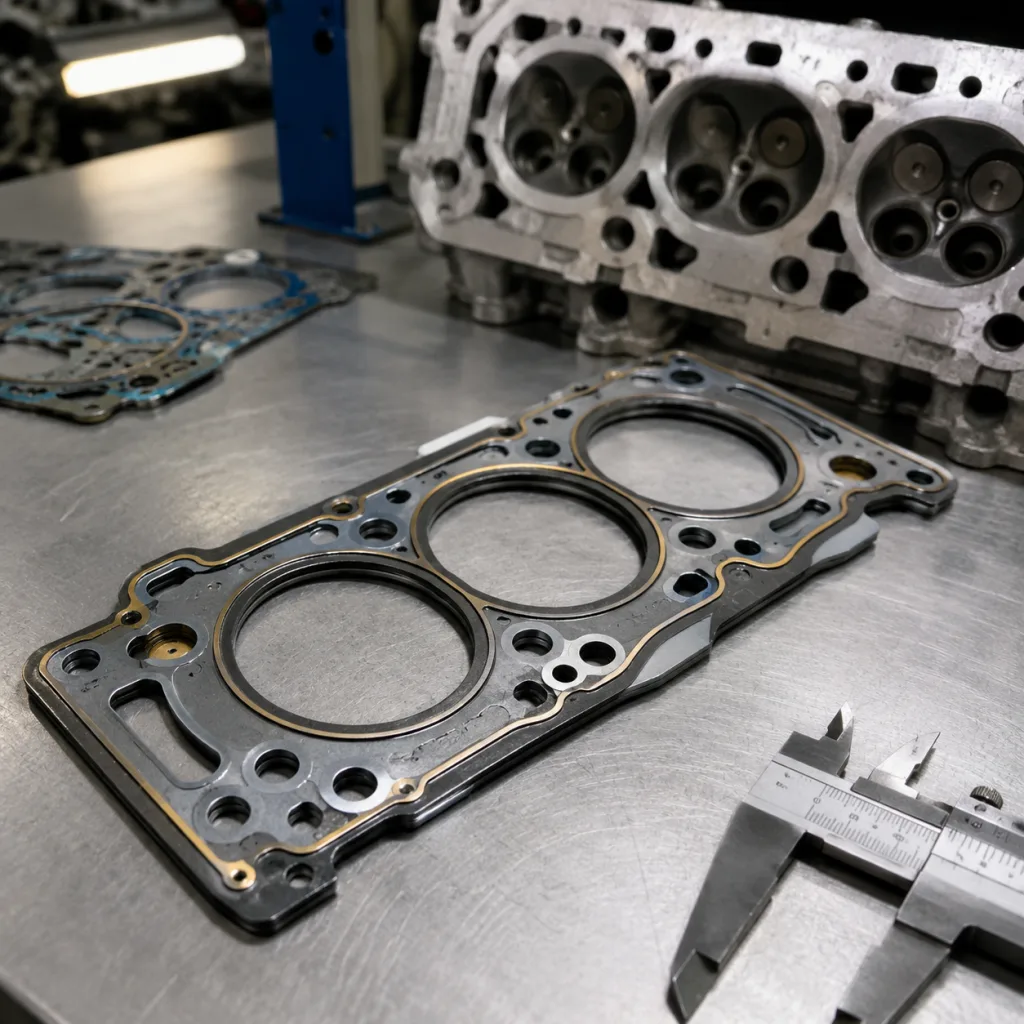
Improper gasket seating: Uneven bolt tightening, damaged mating surfaces, reused compressed gaskets, or excess sealant can prevent uniform flange compression.
Casting porosity or machining defects: Less common, but important for supplier qualification; pressure decay testing, flatness control, bore inspection, and surface-roughness checks reduce this risk.
A distributor may classify all returns as a water pump leak water pump issue for administrative purposes, but the technical report should separate seal leakage, gasket leakage, bearing-related leakage, casting leakage, and installation-induced leakage. That distinction prevents unnecessary corrective action against acceptable stock and helps focus supplier improvement where it matters.
Inspection workflow for repair chains and warranty teams
A consistent inspection procedure reduces disputes between installers, distributors, and manufacturers. The goal is to document cause before the component is discarded, cleaned beyond recognition, or returned without installation context.
1. Record vehicle and part data. Capture application, engine code where available, production batch, purchase date, mileage, coolant type, installation date, and installer location. 2. Clean and pressure-test. Use the vehicle manufacturer’s cooling system pressure range and do not exceed the cap rating; an over-pressurised test can create misleading evidence. 3. Locate the highest wet point. Coolant usually runs downward or is carried by airflow, so the highest fresh trace is the most useful clue. 4. Check pulley and belt condition. Misalignment, worn tensioners, incorrect tension, contaminated belts, and damaged pulleys can overload bearings and accelerate seal leakage. 5. Inspect the weep hole. Small initial staining can occur during seal bedding, but active dripping after operation indicates mechanical seal leakage. 6. Remove only after external checks. Once removed, inspect gasket imprint, bolt marks, corrosion, shaft play, impeller condition, casting surfaces, and any sign of excess sealant.
Evidence to request with a return
For multi-location repair chains, Driventus recommends a return file that includes three photos: installed position before removal, close-up of the leak path, and removed gasket face. Add the batch code, mileage, coolant type, and pressure-test result. This information allows a supplier to decide whether a corrective action report, installation advisory, stock containment action, or no-fault finding is appropriate.
Replacement criteria and OE-equivalence checks
When replacement is required, the new pump must match the application mechanically and thermally. Catalogue errors, supersession confusion, or a visually similar housing can create leakage even when the part appears to bolt on correctly.
Important checks include:
Housing geometry, bolt-hole pattern, flange thickness, and mating-surface design
Impeller diameter, blade count, blade profile, material, and clearance to housing
Pulley offset, belt type, hub height, and hub runout
Shaft diameter, bearing arrangement, and load capacity for the belt drive
Gasket type: paper, rubber-coated metal, O-ring, formed seal, or application-specific sealant requirement
Thermostat, sensor, bypass pipe, or heater connection integration where applicable
OE part-number cross-reference format, such as OE 06A107065 or OE 11251…, only where a catalogue provides the reference
Driventus publishes application data through our catalog and can support range rationalisation for distributors handling multiple engine families. No aftermarket supplier should claim vehicle manufacturer approval unless a formal approval exists. Driventus is an independent aftermarket manufacturer; brand names are referenced for fitment only.
For engineered variants, including impeller material changes, casting updates, bearing upgrades, gasket changes, or private-label programs, buyers can discuss custom manufacturing with drawing review, sample validation, quality documentation, and packaging requirements.
Supplier validation points for leakage control
Water pump reliability depends on material selection and process control as much as catalogue coverage. Buyers should verify how the manufacturer controls sealing, machining, assembly, testing, traceability, and claim response before approving regular supply.
A practical sourcing checklist:
IATF 16949:2016 and ISO 9001:2015 certification status
Incoming inspection for bearings, seals, castings, shafts, impellers, and gaskets
Housing machining controls for flatness, bore size, concentricity, and surface roughness
Shaft press-fit control, bearing end-play checks, and hub runout inspection
Mechanical seal handling controls to prevent contamination or installation damage
100% or statistically controlled leak testing, depending on pump family and risk level
Pulley runout, impeller clearance, and rotation smoothness inspection
Coolant compatibility review for common ethylene glycol, silicate, hybrid organic acid technology, and organic acid technology formulations
Traceability from component batch to finished pump carton
Corrective action process for field leakage claims, including containment and 8D-style reporting where required
Driventus operates under a documented quality system aligned with IATF 16949:2016 and ISO 9001:2015. For export programs, procurement teams should also review packaging drop resistance, label accuracy, barcode format, pallet configuration, humidity protection, and container loading practices. These logistics details reduce mis-picks and transit damage, both of which can be incorrectly reported as product defects.
When leakage points to a system problem, not a pump defect
Repeated leakage on the same application, fleet, or branch usually indicates a system-level issue. Replacing the pump alone may not solve the problem if the root cause remains in the cooling circuit, belt drive, installation process, or catalogue selection.
Common system contributors include blocked radiators, non-functioning pressure caps, air trapped after coolant refill, worn tensioners, contaminated coolant, incorrect coolant concentration, electrochemical corrosion, and corrosion on the engine mounting face. In high-mileage engines, gasket surfaces may be pitted enough to prevent even compression. In belt-driven systems, over-tension can shorten bearing life and lead to seal leakage within a short service interval.
For fleet and chain accounts, track failures by branch, installer, application, coolant type, mileage, installation date, and batch. If the pattern follows one location, training, tooling, coolant handling, or torque practice may be the cause. If it follows one batch, the supplier should quarantine stock and begin containment. If it follows one engine family across batches, catalogue fitment, supersession mapping, or installation procedure may need review.
This disciplined approach protects procurement budgets and prevents unnecessary switching between equivalent suppliers without solving the underlying fault. It also gives manufacturers the evidence needed to separate a genuine product issue from installation or vehicle-system conditions.
Frequently asked questions
A light dry stain can appear during initial seal bedding, but active dripping, wet coolant after operation, or repeated coolant loss should be treated as leakage. Document the condition with photos and pressure-test results before removal.
Provide the part number, batch code, vehicle application, mileage, installation date, coolant type, pressure-test result, and photos of the installed pump, leak path, and removed gasket face. This allows a technical cause classification.
Yes. Driventus supplies B2B aftermarket and OEM/Tier-1 customers with catalogue and custom programs, subject to drawing review, sample approval, MOQ, packaging specification, and quality documentation.
If you are reviewing water pump leakage rates, application coverage, or private-label supply, Driventus can provide technical and commercial support. To share requirements, drawings, or sample references, [request a quote](/contact.html)