head gasket · 2026-06-09

Head Gasket Leak Head Gasket Diagnosis for Buyers

A head gasket leak can resemble a cooling-system fault, oil contamination, or a combustion-sealing issue. For distributors, repair chains, and sourcing teams, the key question is not only how to confirm the failure, but how to prevent repeat claims after replacement. The head gasket is a static seal, yet it works under changing cylinder pressure, coolant chemistry, oil exposure, clamp load, and thermal cycling. A sound investigation therefore separates gasket condition from installation practice, cylinder head distortion, deck surface finish, bolt load, and engine overheating. This guide gives procurement professionals a structured diagnostic path for head gasket leakage and explains the product controls that matter when selecting replacement head gaskets for aftermarket supply programs. Driventus is an independent aftermarket manufacturer; brand names are referenced for fitment only.

Symptoms That Point to Combustion, Coolant, or Oil Leakage

Field reports often use one phrase to describe several different failure modes. A useful warranty review starts by identifying the likely leak path rather than treating every complaint as a defective gasket.

</tr></thead><tbody> </tbody></table>For repair-chain buyers, these symptom groups make claim documentation more consistent across branches. For distributors, they reduce unnecessary returns by showing whether the root cause is the replacement part, engine geometry, previous overheating, or a restricted cooling circuit.

Diagnostic Walkthrough Before Removing the Cylinder Head

A disciplined inspection sequence avoids unnecessary teardown and gives the warranty team stronger evidence. Workshops commonly complete the following checks before confirming a leaking head gasket:

  • Record engine code, mileage, repair history, coolant type, and any overheating events.
  • Pressure-test the cooling system when cold and again after warm-up, where workshop procedure allows.
  • Test for combustion gases in the coolant with a chemical block tester or exhaust gas analyser.
  • Perform compression and cylinder leak-down testing across all cylinders.
  • Inspect the oil filler, dipstick, coolant reservoir, spark plugs, piston crowns, and exhaust deposits.
  • Check for external leakage around the head-to-block joint, thermostat housing, water pump, hoses, radiator, and oil cooler.
  • Verify radiator cap function, fan operation, thermostat behaviour, and coolant circulation before condemning the gasket.

A head gasket leak head gasket report should include photographs of both sides of the removed gasket, the cylinder head deck, the block deck, bolt condition, and any visible coolant or oil contamination. Missing evidence makes it difficult to separate material, installation, and engine-condition causes.

Driventus supplies head gaskets and related engine sealing parts through our catalog, including coverage for common passenger car, light commercial, and selected industrial applications.

Common Causes of Repeat Head Gasket Failure

Replacement parts are often blamed for repeat failures, but the gasket is only one part of the sealing system. A new gasket can fail early if the joint is not restored to its design condition before assembly.

Typical causes include:

  • Cylinder head distortion: Aluminium heads can exceed acceptable flatness after overheating. The repair procedure should follow engine service data for maximum warpage and machining limits.
  • Incorrect surface finish: Multi-layer steel gaskets require a controlled surface texture. Rough decks can damage coatings, while overly polished surfaces can reduce grip and sealing stability.
  • Bolt reuse where torque-to-yield bolts are specified: Stretched or fatigued bolts can reduce clamp load, leading to gas tracking, coolant seepage, or local coating damage.
  • Blocked coolant passages: Scale, sealant debris, corrosion, or degraded coolant can create local hot spots that overload the gasket.
  • Detonation or abnormal combustion: High peak pressure can stress the fire ring and increase combustion leakage risk.
  • Wrong gasket thickness or bore diameter: Dimensional mismatch can alter compression ratio, misalign coolant ports, or reduce sealing-land support.
  • Incorrect tightening procedure: Wrong torque sequence, unclean threads, oil in blind holes, or unsuitable lubricant can produce uneven clamp load.

For B2B programs, replacement kits should be matched with clear application data, installation notes, and, where relevant, bolt recommendations. Cross-reference data may include generic OE-style references such as OE 06A107065 only where already provided by the buyer or application database; Driventus does not claim vehicle manufacturer approval.

Replacement Head Gasket Specifications to Control

Procurement teams should request more than a visual sample. The specification pack should define material, coating, dimensions, inspection method, and validation evidence.

Reported symptom Likely leak path Inspection priority
Coolant loss with no external dripCombustion gas entering the coolant jacketBlock test, cooling system pressure test
White exhaust vapour after warm-upCoolant entering the combustion chamberSpark plug inspection, bore scope check
Oil mixed with coolantOil gallery connected to coolant passageOil cooler isolation test, gasket fire ring and coating review
External coolant seepageCoolant jacket leaking to the outside edgeDeck flatness, bolt load, coating compression
Misfire after cold startCoolant entering one cylinder while parkedCylinder leak-down test, plug and piston crown inspection
Overheating under loadCombustion pressure entering the cooling systemRadiator cap test, gas analyser test

</tr></thead><tbody> </tbody></table>Driventus manufactures head gaskets under a documented quality system aligned with IATF 16949:2016 and ISO 9001:2015. For materials and exported products, buyers may also request documentation relevant to REACH (EC) No 1907/2006 where applicable to the destination market. These standards do not replace application testing, but they define process discipline, traceability, and corrective-action controls.

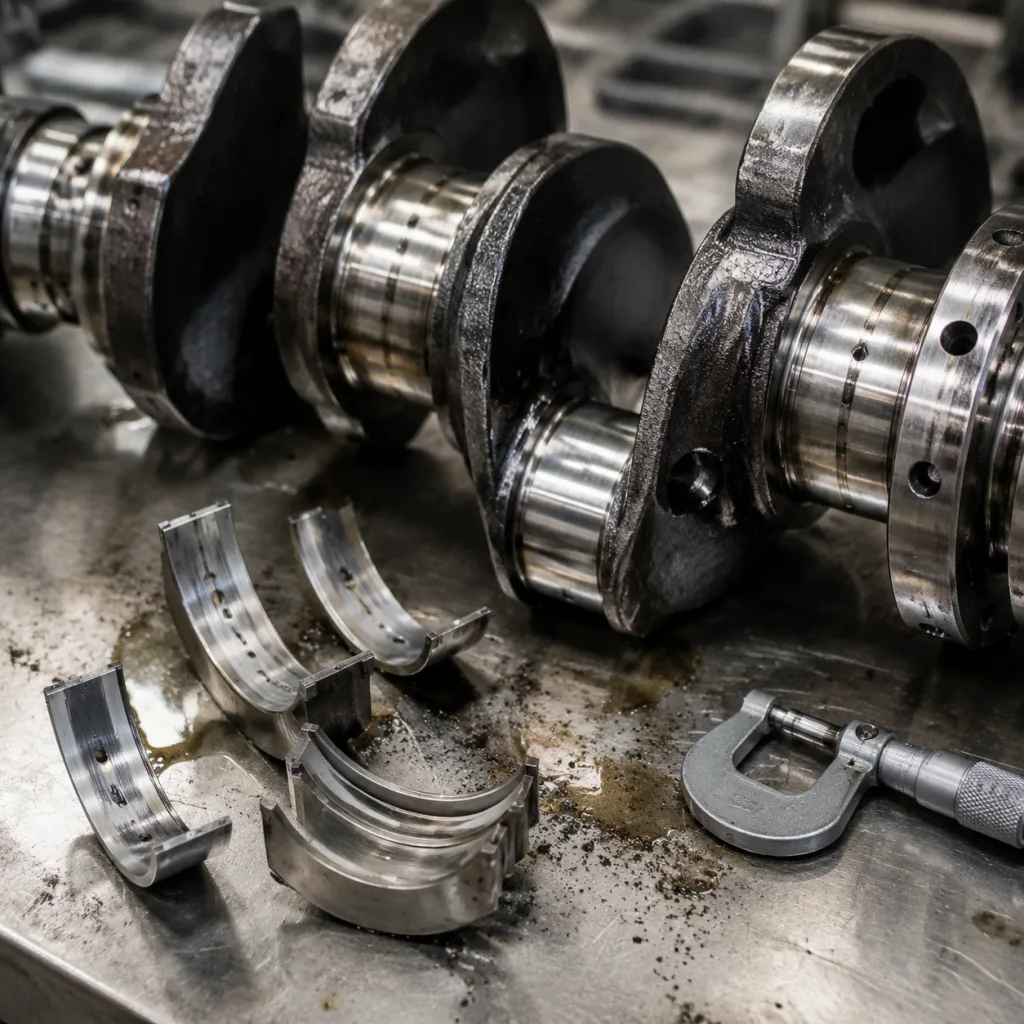
Inspection After Removal: What to Photograph and Measure

After teardown, the gasket and mating surfaces provide the clearest evidence. A structured checklist helps repair networks and importers decide whether the case is a part issue, installation issue, or engine-condition issue.

Recommended inspection points:

  • Photograph the gasket before cleaning, showing cylinder position, orientation, and any visible staining.
  • Check for gas tracking between fire rings, coolant passages, and oil galleries.
  • Inspect coating transfer on the block and head surfaces for uneven compression.
  • Measure cylinder head flatness using the service manual method and record the values.
  • Check deck scratches, corrosion pits, erosion, and fretting around coolant ports and combustion openings.
  • Inspect bolt threads, bolt length, washers, thread holes, and tightening sequence records.
  • Review torque-angle data where digital tools are used.
  • Keep coolant and oil samples when contamination is severe.
  • Note any evidence of overheating, detonation, blocked passages, or previous sealant use.

A head gasket leak head gasket claim with no deck measurement is usually incomplete. If the cylinder head is warped, the block deck is damaged, or the surface finish is unsuitable for the gasket construction, replacing the gasket alone may produce another failure within a short service interval.

Sourcing Controls for Distributors, OEM Programs, and Repair Chains

Different buyers need different levels of control. A distributor may focus on range coverage, packaging, barcoding, and low claim rates. A Tier-1 or OEM service program may require PPAP-style documentation, drawing control, and material validation. A repair chain may prioritise kit completeness, installation guidance, and consistent fitment across branches.

Driventus supports standard aftermarket supply and custom manufacturing for engine sealing programs. Useful sourcing inputs include annual volume, target applications, sample parts, drawing requirements, packaging format, private-label rules, and destination-market compliance needs.

For head gasket programs, procurement specifications should request:

  • Application list by engine code, vehicle platform, production period, and market.
  • Material construction, coating definition, and surface-finish compatibility.
  • Dimensional inspection plan for bore, thickness, bead profile, and port geometry.
  • Heat, oil, coolant, and compression-load exposure test expectations.
  • Lot traceability, retention sample rules, and inspection-report format.
  • Packaging requirements for flatness protection during shipping and storage.
  • Kit-content rules for bolts, seals, labels, and installation notes where applicable.
  • Warranty feedback format, including installation data, photos, test results, and failed-part return process.

Driventus is an independent aftermarket manufacturer; brand names are referenced for fitment only. No approval or endorsement by any vehicle manufacturer is implied.

Frequently asked questions

Use a cooling system pressure test, combustion gas test in the coolant, compression test, and cylinder leak-down test. These checks should be combined with inspection of oil, coolant, spark plugs, exhaust behaviour, radiator cap function, coolant circulation, and external leak points before removing the cylinder head.

Request construction type, nominal and compressed thickness, bore diameter, port geometry, coating material, surface-finish compatibility, inspection reports, batch traceability, and application data. For controlled programs, add drawing review, sample approval, exposure testing, and warranty reporting requirements.

Yes. Driventus supports aftermarket and custom programs for engine components, including head gaskets. Buyers should provide target applications, annual volume, packaging needs, destination-market requirements, and any drawing or sample requirements for review.

If you are reviewing leakage claims or building a replacement head gasket sourcing program, send your application list and quality requirements to Driventus. You can [request a quote](/contact.html) or contact our engineering sales team through the contact page.

Request a Quote
Control item Typical requirement to confirm Why it matters
ConstructionMLS, composite, graphite, or elastomer-coated steelDetermines clamp load and deck finish requirements
Bore diameterApplication-specific dimensional matchPrevents fire ring overhang, edge exposure, or compression loss
ThicknessNominal thickness and compressed thicknessAffects compression ratio, piston-to-head clearance, and sealing pressure
CoatingRubber, fluoroelastomer, graphite, or other specified layerControls micro-sealing, fretting resistance, and fluid compatibility
Coolant and oil port geometryMatched to engine code, production date, and revisionPrevents restricted flow, local overheating, or cross-leakage
Fire ring designBead height, embossing, stopper layer, or reinforcement profileMaintains combustion sealing under pressure and thermal cycling
Surface compatibilityRecommended roughness range and cleaning requirementsHelps match the gasket design to the repair process
Batch traceabilityLot number, material record, inspection report, retention sampleSupports warranty analysis, containment, and recall control