Valve Cover Oil Leak Valve Stem Seal: Diagnosis and Replacement
A valve cover oil leak valve stem seal issue is easy to misread, and that is where procurement mistakes start. A leaking valve cover gasket leaves oil outside the engine. A worn valve stem seal lets oil pass into the combustion chamber or intake ports, where it burns and shows up as blue smoke, fouled plugs, or rising oil consumption. The corrective action, inspection path, and part specification are not the same.
Driventus is an independent aftermarket manufacturer; brand names are referenced for fitment only. Our engine sealing programme includes valve stem seals for passenger car and light commercial applications, with dimensional control, material selection, and validation aligned to IATF 16949:2016 and ISO 9001:2015. If you are sourcing through our catalog, comparing quality systems, or planning custom manufacturing, start by separating external leakage from internal oil control loss.
First question: where is the oil going?
The quickest way to avoid the wrong repair is to trace the oil path before ordering parts.
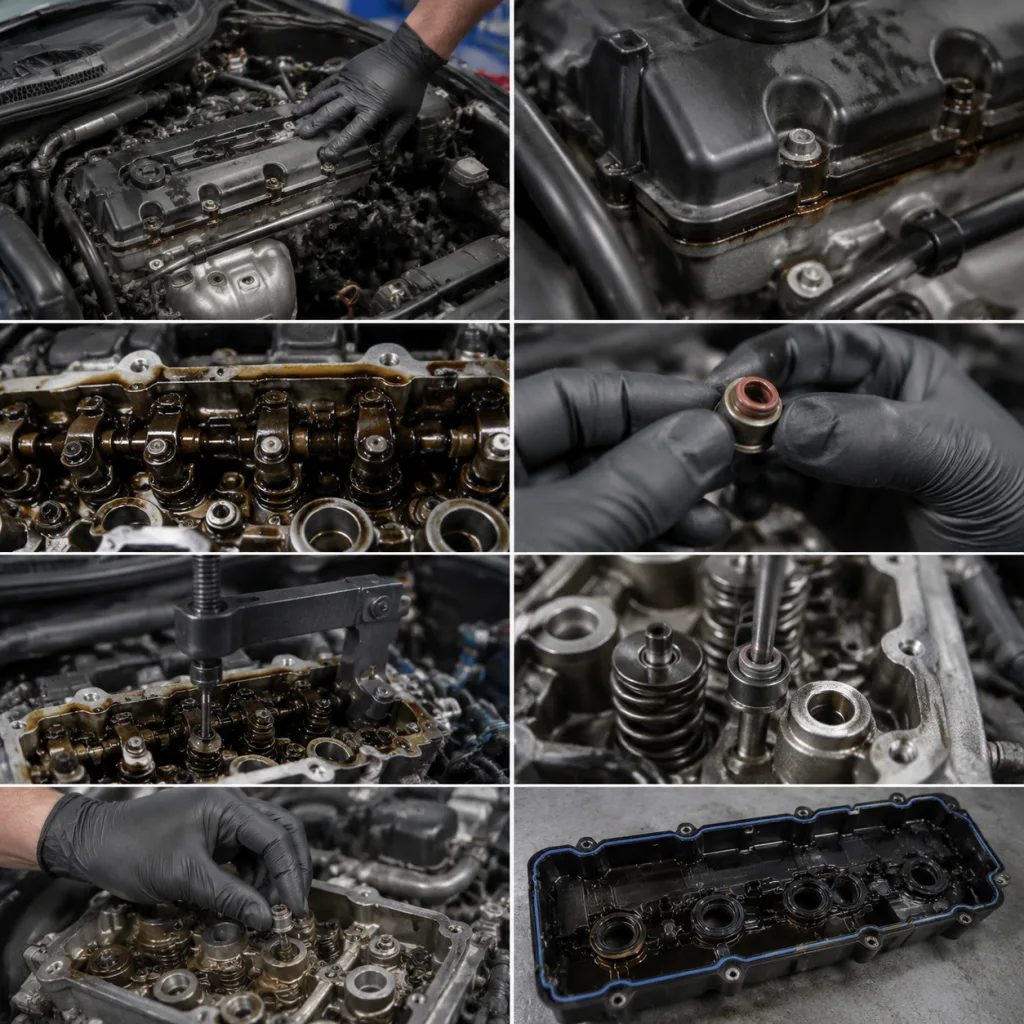
A valve cover leak is an external sealing issue. Oil escapes at the top of the engine, runs down the cylinder head, and often collects near the exhaust side, coil pack area, or spark plug wells. A valve stem seal failure is internal. Oil moves along the valve stem, passes the seal, and enters the combustion chamber or intake ports during vacuum and deceleration.
Symptom
More likely source
Check first
Wet oil at the cover edge
Valve cover gasket or cover distortion
Perimeter of the cover, bolt seats, PCV area
Blue smoke after idle or cold start
Valve stem seal
Spark plug tip, valve back, intake port
Oil smell with no underbody leak
Either source
Top of engine and exhaust residue
One-cylinder plug fouling
Valve stem seal or guide wear
Cylinder-specific compression and borescope check
</tr></thead><tbody> </tbody></table>That distinction matters. External seepage does not prove a stem seal fault, and stem seal wear does not usually leave an obvious oil trail on the outside of the engine.
Failure modes that change the purchase decision
The symptoms overlap, but the failure modes do not. That is why the same customer complaint can point to two different BOMs.
Blue smoke at cold start usually points to oil pooling behind the seals while the engine sits.
Smoke after long idle and then throttle input often indicates oil drawn past the seal when vacuum changes.
Rising oil consumption without a major external leak suggests internal oil loss.
Oily spark plugs on one or more cylinders point to a localized sealing or guide issue.
Carbon on valve heads or intake ports supports internal oil entry.
Misfire codes that return after ignition and fuel faults are excluded deserve a closer look at oil control.
A leaking valve cover can still create a smoke complaint if oil drips onto hot exhaust parts. That is why technicians should inspect the top-end perimeter seal and the combustion evidence before buying a valve stem seal kit.
Step-by-step inspection before you quote the job
Use a short diagnostic sequence before replacement. It reduces wrong-part risk and avoids unnecessary labour.
1. Clean the engine top and look again for fresh external oil. 2. Inspect the valve cover gasket, bolt torque pattern, PCV system, and cover flatness. 3. Pull the spark plugs and compare oil fouling by cylinder. 4. Use a borescope to check valve backs, port walls, and crown deposits. 5. Note when smoke appears: after start-up, after long idle, or on deceleration. 6. Verify stem diameter, seal outer diameter, guide condition, and installed height.
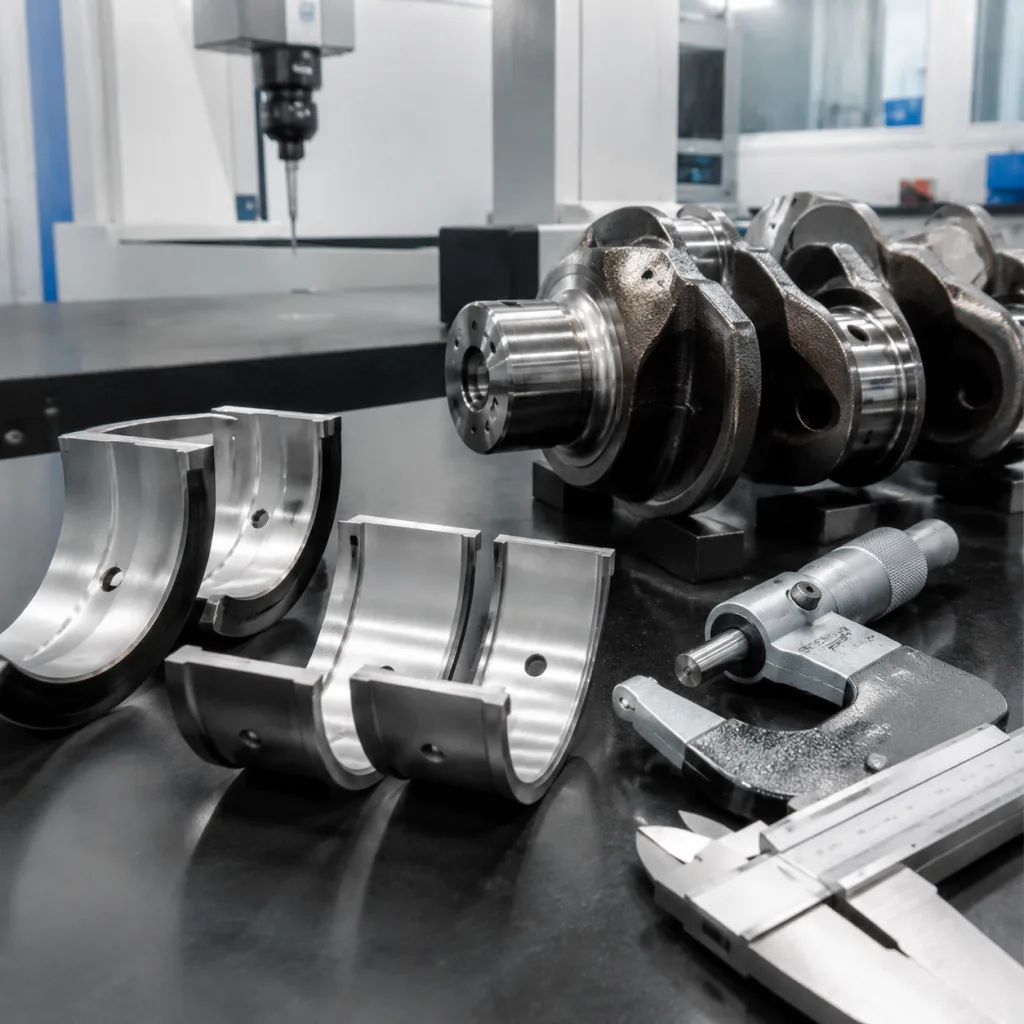
If the guide is worn beyond tolerance, a new seal alone will not hold oil properly. In that case, the repair scope should include guide measurement and, where needed, machining or head reconditioning.
Specification checks for valve stem seals
For buyers comparing suppliers, the part name is not enough. The approval question is whether the seal matches the engine’s geometry and operating environment.
Inner lip profile and spring design
Outer diameter retention fit
Heat resistance on exhaust-side positions
Compatibility with engine oil chemistry and temperature cycling
Material selection such as FKM, HNBR, or an equivalent application-specific formulation
Dimensional tolerance against the cylinder head drawing
Packaging control to prevent lip damage in transit
Validation for thermal ageing, oil immersion, and endurance cycling
For programmes with OE 06A107065-style cross-reference requirements, dimensional match matters more than branding. Driventus supplies independent aftermarket parts built for fitment validation, not vehicle manufacturer endorsement. Published standards such as IATF 16949:2016, ISO 9001:2015, REACH (EC) No 1907/2006, and relevant OEM test protocols should govern approval, traceability, and material compliance.
Compare the repair paths: gasket, seal, or both?
Not every oil complaint calls for the same scope of work. The repair choice should follow the evidence.
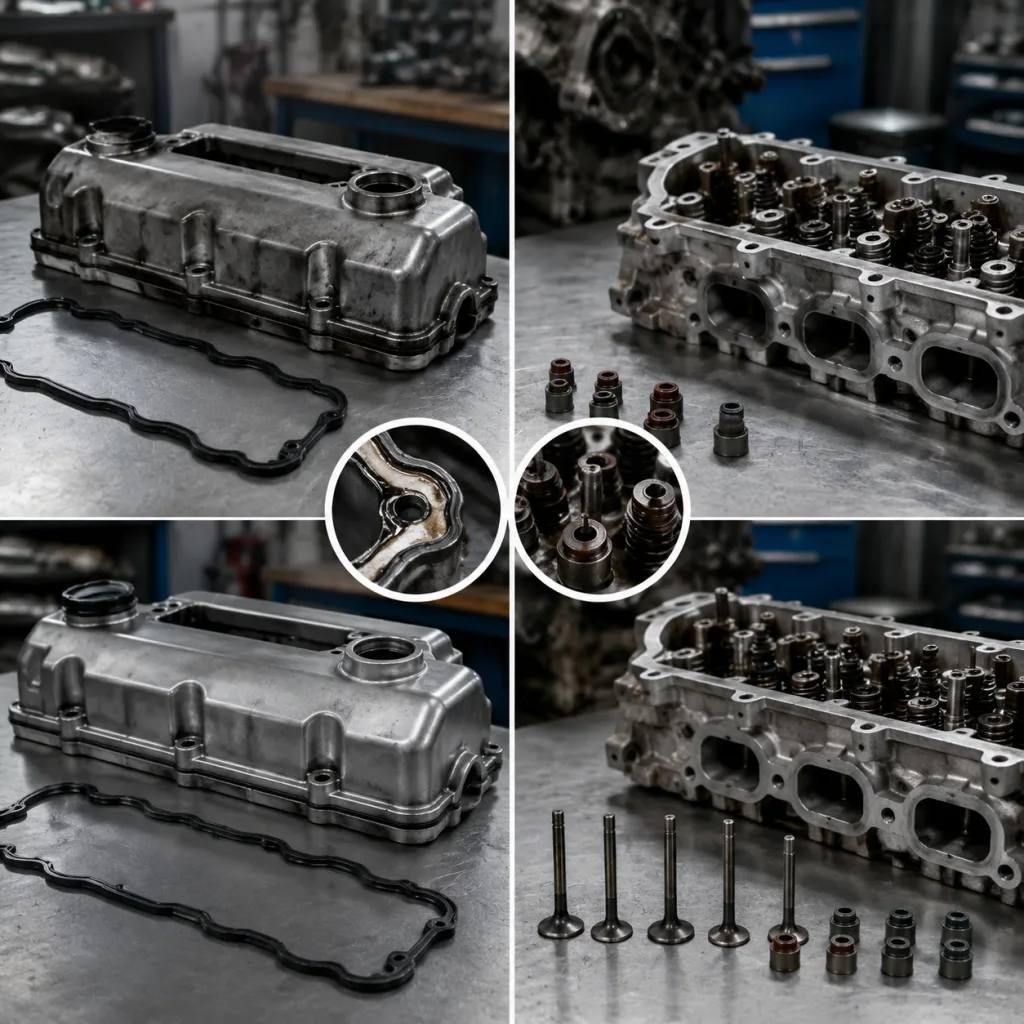
If the leak is external, the likely fix is the valve cover gasket, possibly with cover resurfacing or bolt-seat correction. If the symptom is smoke, oil consumption, or plug fouling, the likely fix is the valve stem seal. If both are present, both may need to be replaced.
Combined repair makes sense when:
The cover is wet around the perimeter
Oil is visible in spark plug wells
Smoke appears after start-up or deceleration
The head is already removed for another operation
Labour cost makes separate jobs uneconomical
Do not assume one fault explains everything. A clean diagnosis lowers comeback risk and protects warranty exposure. It also avoids buying the wrong kit length, the wrong material grade, or a seal set that cannot survive the thermal load.
What distributors and repair networks should control
For distributors, wholesalers, and multi-site repair groups, the buying decision should include kit completeness, lead time, and auditability. A stem seal order often needs to align with valve cover gaskets, upper gasket sets, and, in some cases, guide checks or cylinder head service parts.
Driventus supports B2B programmes through our catalog, our quality system, and custom manufacturing for dimensional or material variants. For applications already mapped to a known OE reference, the approval file should include sample inspection, hardness data, and installed-dimension confirmation. If the repair scope is broader, the engine components range may also be relevant for adjacent sealing and rotating parts.
For procurement, the controls stay simple: documented fitment, stable material supply, and repeatable inspection results.
Frequently asked questions
Yes, if oil drips onto the exhaust it can smoke, but that is external burning. Blue smoke from the tailpipe after idle or start-up more often points to valve stem seal wear.
Not always. Some engines allow in-car replacement with the right tools, but many require cylinder head service. Guide wear and spring access determine the method.
Match stem diameter, outer fit, material, and heat resistance. Also confirm packaging quality, traceability, and compliance with IATF 16949:2016 and ISO 9001:2015 controls.
If you need fitment review, dimensional confirmation, or a sourcing quote, please [request a quote](/contact.html).