Turbo Gasket Kit Salt Spray Test Standard: Buyer Guide
For procurement teams, the real question is not whether a turbo gasket kit seals on the bench. It is whether the kit still seals after storage, transport, and exposure to moisture, road salt, and heat cycling. Salt spray testing helps assess corrosion resistance on the metal parts in the kit, but it does not replace dimensional control, clamp retention checks, or correct material selection. Buyers should define the test method, duration, acceptance criteria, and report format before placing an order. A useful turbo gasket kit salt spray test standard should specify the corrosion method, exposure severity, post-test inspection criteria, and the evidence needed for release. Driventus is an independent aftermarket manufacturer; brand names are referenced for fitment only. We supply turbo gasket kits to distributors, repair chains, and OEM-related programmes with documented inspection records under IATF 16949:2016 and ISO 9001:2015. If you are comparing suppliers, start with the test standard, then check gasket substrate, coating, tolerance stack-up, MOQ, lead time, and OE cross-reference fitment.
What the test should actually prove
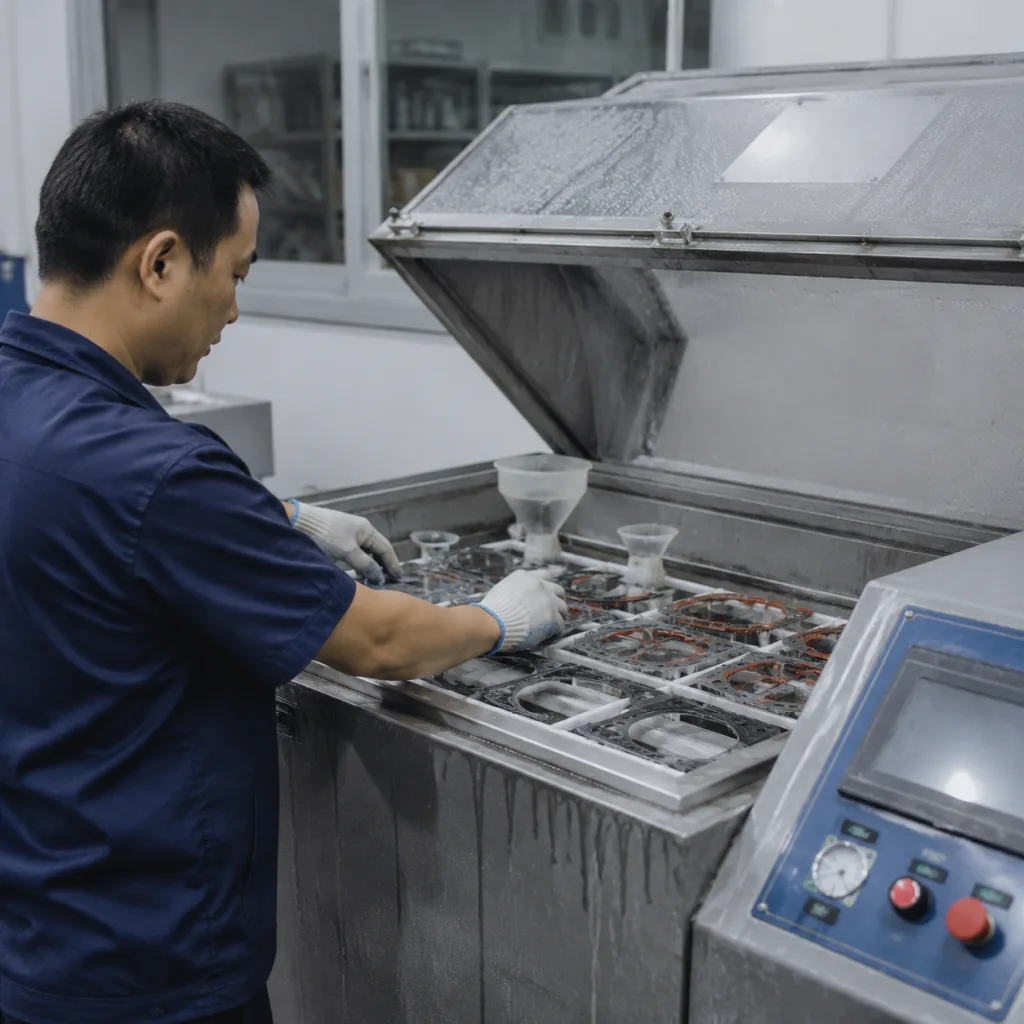
Salt spray testing measures corrosion resistance, not complete gasket performance. For a turbo gasket kit, the test matters most for the metal gaskets, flanges, studs, nuts, and washers that can corrode before installation or during service.
A practical procurement spec should answer three separate questions:
Corrosion resistance: how much red rust, white rust, pitting, or coating breakdown appears after exposure.
Dimensional stability: whether sealing faces, bolt holes, thickness, and flatness stay within tolerance after coating and handling.
Service fitment: whether the kit matches the OE application, including OE 06A107065-style cross-references where applicable.
Do not treat a single “passed 96 h salt spray” note as enough unless the report also states the substrate, coating thickness, inspection method, and acceptance threshold. A fastener may show no red rust at 96 h, but still fail if thread drag rises above the agreed torque window or if the washer loses plating integrity at the sealing edge. A stronger specification defines both the corrosion criterion and the functional after-test criterion.
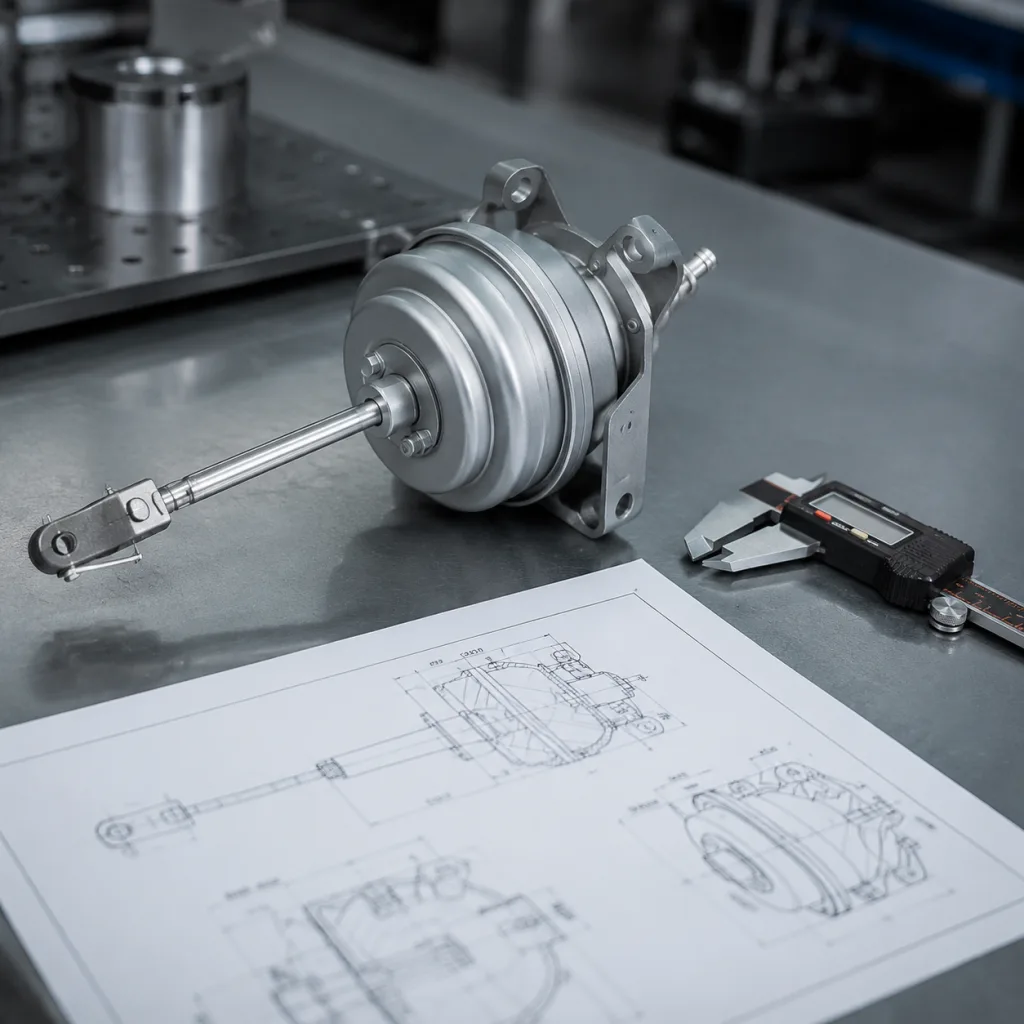
Typical buyer-side tolerances often include gasket thickness within ±0.05 mm to ±0.10 mm, flatness within 0.10 mm to 0.20 mm across the sealing land, and hole position controlled to the drawing datum. The exact limits depend on the turbo flange and manifold design, but the point is to check parts as assemblies, not as loose components.
Salt spray results alone do not prove exhaust sealing. Ask for test photos, chamber settings, and the exact acceptance limit in hours, not only a pass/fail statement. For high-volume programmes, also ask for the sampling size used for the corrosion validation lot, such as 5 pcs for engineering approval or 13 pcs for PPAP-style submission, so the result is traceable to a defined sample set.
Which standard fits your purchase spec?
There is no single universal standard for every turbo gasket kit programme. Buyers usually reference one of these published methods, depending on customer requirements and part material:
Reference
Use case
What it controls
ISO 9227
Neutral salt spray and related corrosion tests
Chamber conditions, exposure cycle, reporting
ASTM B117
Common neutral salt spray method
Test chamber setup and continuous fog exposure
IEC 60068-2-11
Environmental test profile for salt mist
Severity and method for electrical or mixed assemblies
REACH (EC) No 1907/2006
Substance compliance
Restricted substances in metals, coatings, and packaging
</tr></thead><tbody> </tbody></table>For exhaust-side hardware, many buyers combine a corrosion method such as ISO 9227 or ASTM B117 with internal acceptance rules. Example acceptance rules include no structural cracking, no loss of sealing face geometry, and no coating blistering beyond a defined percentage. If the kit includes multilayer steel gaskets or plated fasteners, state the base material and coating system in the drawing pack or supplier spec sheet.
A usable RFQ line item should name the method and severity explicitly. For example: “ISO 9227 neutral salt spray, 5% NaCl, 35 ± 2°C, 96 h continuous exposure, acceptance: no red rust on sealing faces, no blistering over 5% of plated area, no change in flatness beyond 0.15 mm after test.” If a programme demands higher durability, it is common to request 240 h or 480 h for coated steel hardware, while bare stainless components may use a different criterion focused on staining, pitting, and surface contamination rather than rust percentage.
If the kit is sold into multiple markets, include regulatory and packaging controls in the same spec. A part may pass the chamber test yet fail due to bag corrosion from trapped humidity, oily residue on sealing surfaces, or labels that detach in transit. In practice, the most reliable spec ties the corrosion method to packaging, storage, and shelf-life requirements so the part arrives ready to install.
A practical qualification sequence
Use a simple sequence before approving a new source or part revision.
1) Confirm application data
Match the engine code, turbocharger mounting pattern, thickness, and bolt circle. If the application list uses OE numbers, confirm the cross-reference set before sampling. For fitment-critical kits, ask the supplier to confirm flange diameter, port shape, and stud pitch against a controlled drawing, not only a catalog description.
2) Define the corrosion method
Specify the standard, test duration, chamber temperature, fog collection rate, and whether the test is continuous or cyclic. Do not accept “salt spray tested” without a method reference. A complete statement should include NaCl concentration, pH range, chamber loading position, and the acceptance inspection time after removal, because surface flash corrosion can change if the parts are left uncleaned for too long.
3) Review materials
Check whether the kit uses stainless steel, graphite composite, MLS, graphite-coated steel, or fibre-reinforced materials. Corrosion results depend on the substrate and coating, so the same hour rating does not mean the same field life. A stainless turbo gasket may survive without visible rust, but still require a surface finish limit on the sealing face, while a coated carbon-steel washer may need a specific coating thickness to meet the same exposure target.
4) Inspect post-test condition
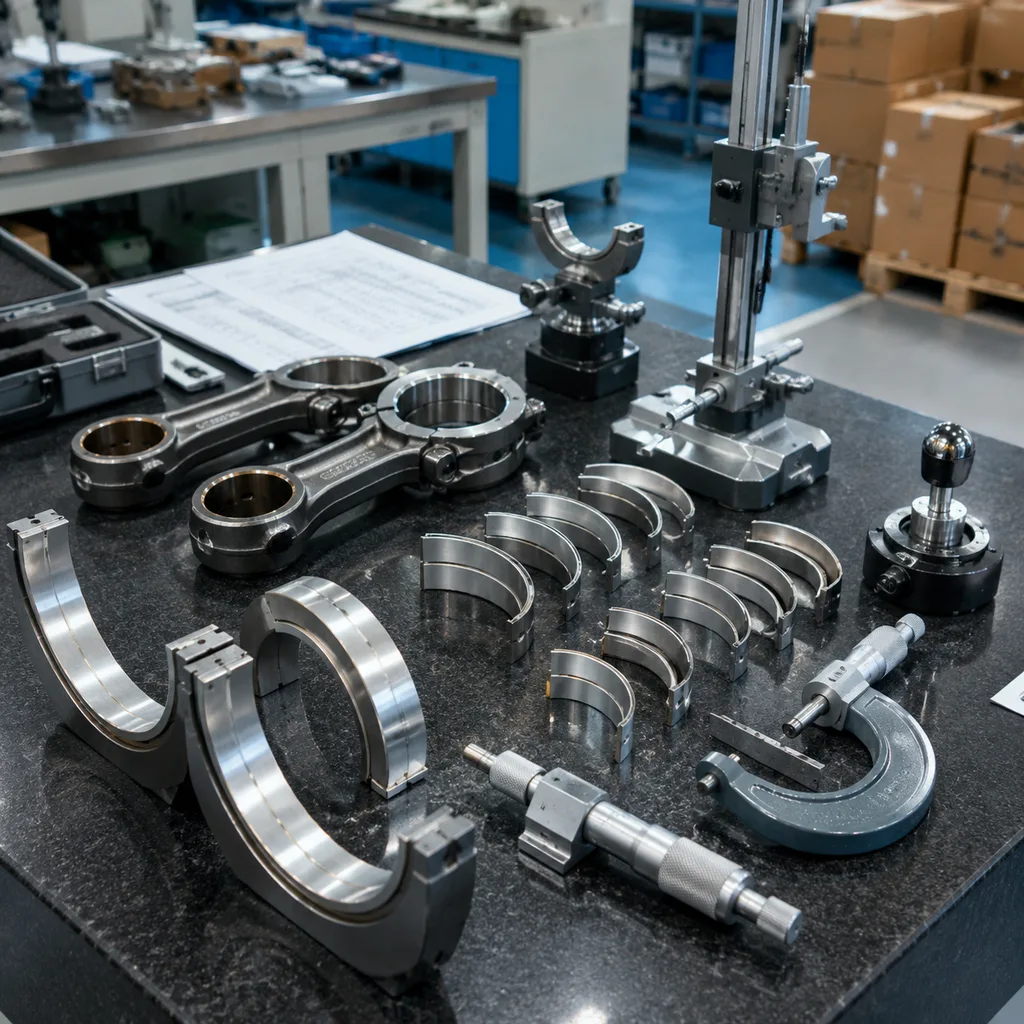
Measure thickness, flatness, bolt hole distortion, and surface condition after exposure. Record whether the gasket still sits correctly on the turbo flange and manifold side. A practical post-test checklist includes visual grading under controlled lighting, magnification for edge inspection, and a quantitative rule for red rust area or blister count.
5) Verify documentation
Request a test report, incoming material record, lot traceability, and packing specification. If the supplier cannot link the report to a lot number, the test has limited value for production release. For production sourcing, also request sample identification, operator sign-off, and chamber calibration status so the report can survive customer audit review.
6) Lock the release path
Before PO award, define whether the supplier must submit first article samples, pre-production samples, or full PPAP-style evidence. For a new turbo gasket kit source, a buyer can often reduce risk by requiring a 3-lot run, with one lot held for retention and one lot tested to destruction. That gives a clearer view of process repeatability than a single lab result.
How suppliers differ in the real world
A buying decision should compare process control, not only price. Use the checklist below during RFQ review or supplier audit:
Material declaration: substrate grade, coating type, and thickness range.
Dimensional tolerance: sealing face flatness, hole position, and compressed thickness.
Corrosion method: ISO 9227, ASTM B117, or customer-specific internal standard.
Traceability: lot code, test date, and chamber record.
Quality system: IATF 16949:2016 and ISO 9001:2015 certification scope.
Packaging: anti-corrosion protection, label durability, and carton drop resistance.
Lead time and MOQ: stable supply for distributor and repair network demand.
Commercial terms: target unit price bands, price breaks by volume, and replenishment trigger.
A useful commercial comparison is to ask each supplier to quote the same volume ladder, such as 500 sets, 1,000 sets, and 5,000 sets, with separate line items for standard kit, private-label packaging, and special bagging. A buyer may accept a slightly higher unit price if the MOQ drops from 2,000 sets to 500 sets, or if the lead time improves from 45 days to 25 days for replenishment stock.
When comparing quotations, do not evaluate the unit price alone. A kit with a lower piece price but no traceable salt spray report, no dimensional record, and a high scrap rate can cost more after chargebacks and returns. A stronger supplier quote should state whether the quoted lead time is ex-works or delivered, whether it includes raw material reservation, and whether the price is valid only for a defined forecast window. That level of clarity helps buyers avoid hidden cost in expedited freight, partial shipments, and requalification delays.
Keep the acceptance criteria measurable. A useful specification for a turbo gasket kit salt spray test standard should include:
Minimum test duration in hours.
Allowed rust level by component type.
No leakage path, flange distortion, or gasket delamination.
No coating failure on fasteners that affects installation torque.
Visual inspection under defined lighting and magnification.
Retest rules for nonconforming lots.
For aftermarket supply, request validation on fitment-critical dimensions after corrosion exposure. A kit that survives the chamber but loses flatness or hole alignment is still a poor field part. For B2B buyers, the best approach is to pair corrosion testing with production control documents, PPAP-style data where required, and agreed replacement rules for any lot that misses the limit.
A practical acceptance block might read as follows: no red rust on sealing surfaces; no more than 2 isolated spots of white corrosion on non-functional fastener heads; no blistering larger than 1 mm on plated parts; gasket thickness change less than 0.03 mm after test; and no hole position shift beyond 0.05 mm. Where the kit includes composite gaskets, buyers may also specify no edge fray, no delamination between layers, and no visible burn or embrittlement after chamber exposure.
If the programme serves repair networks, add packaging and shelf-life criteria. For example, each kit may need a sealed polybag with desiccant, lot code on the inner bag and carton, and a shelf life of 24 months in controlled storage. That prevents a part from failing the corrosion screen before it reaches the installer.
Finally, align acceptance with your claim process. If field warranty analysis shows corrosion at a flange edge, the buyer should be able to compare the returned part against the original test report, the lot code, and the chamber record within minutes. That is the difference between a test that looks good on paper and a specification that actually protects the business.
Frequently asked questions
No. It checks corrosion resistance, but you still need dimensional inspection, material verification, and fitment confirmation against the application data.
ISO 9227 is common for neutral salt spray, and ASTM B117 is also widely used. Choose one method and state the acceptance criteria clearly, including duration, temperature, and rust limits.
Yes. We support custom manufacturing for kit content, packaging, and application-specific requirements, subject to drawing and sample approval.
If you need a documented corrosion-test specification or a cross-referenced turbo gasket kit quote, contact our team at /contact.html.