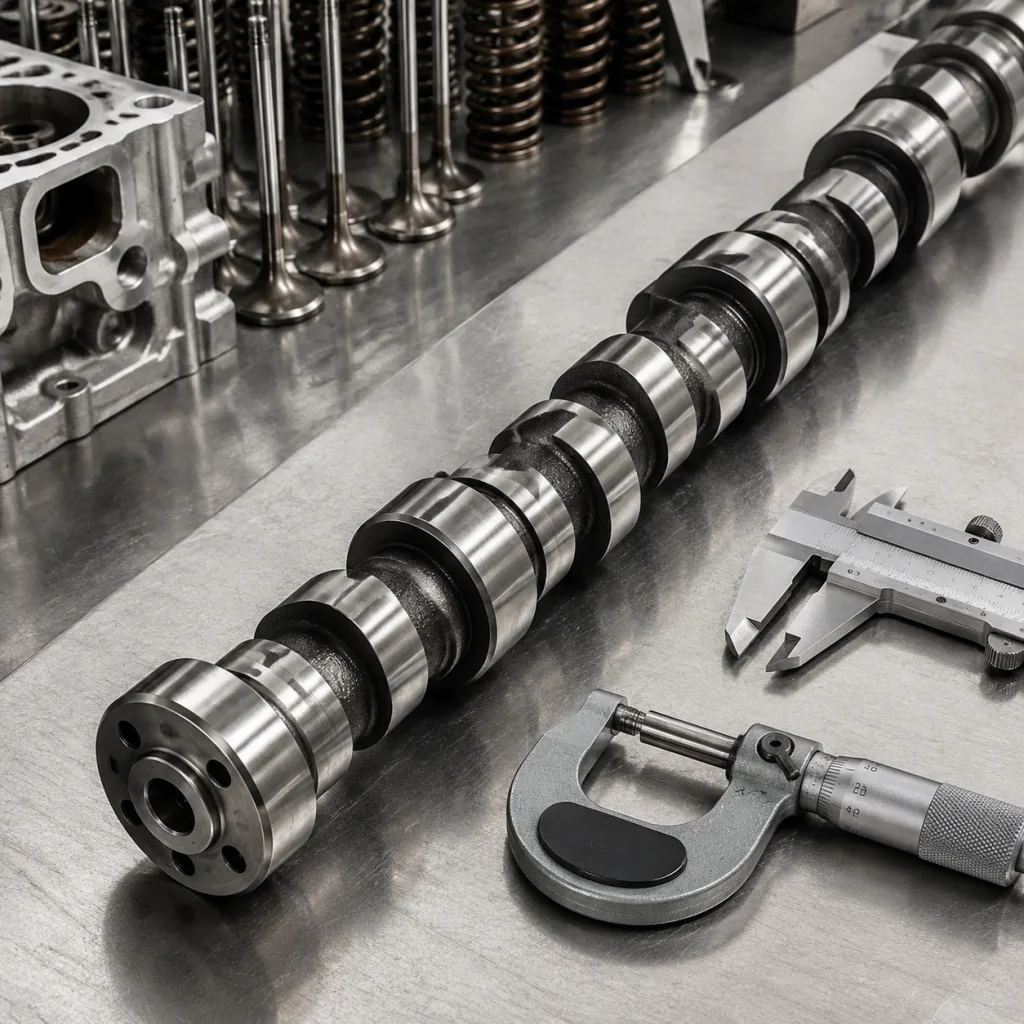
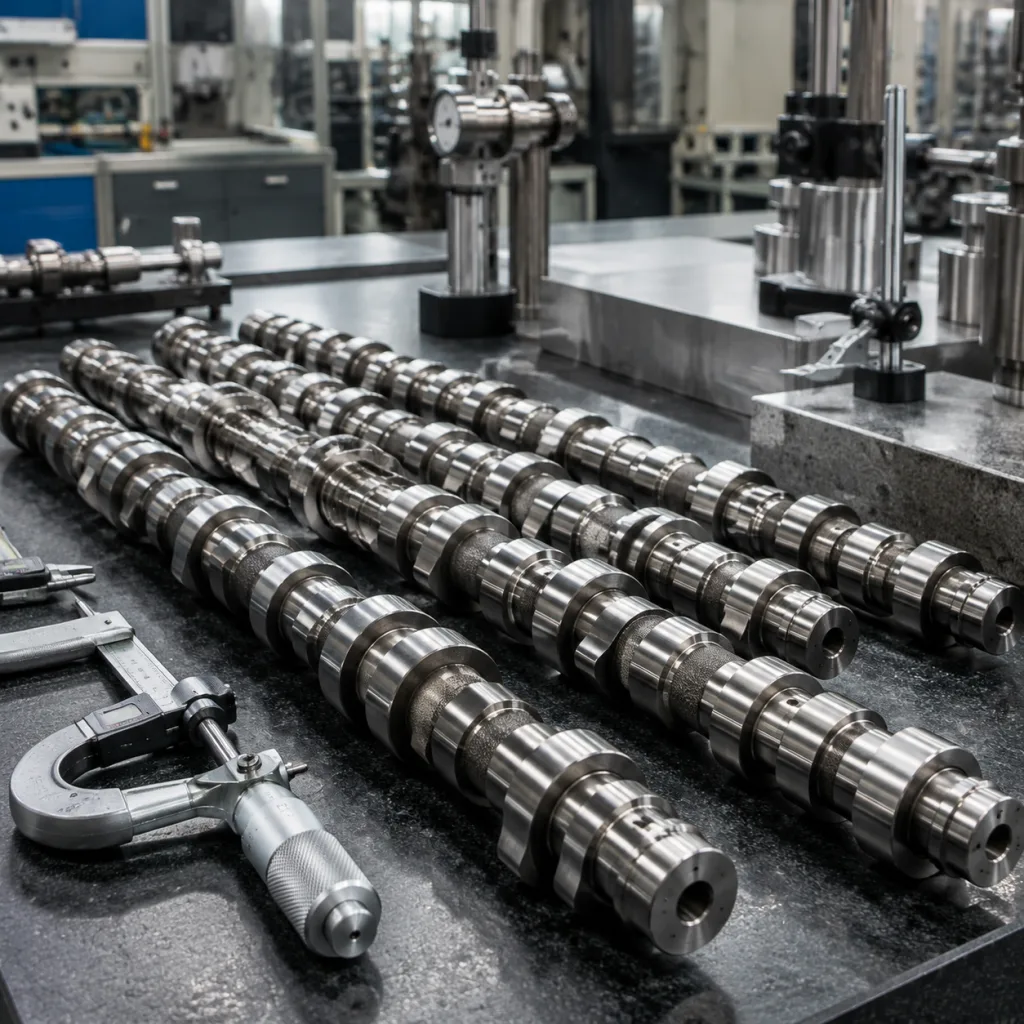
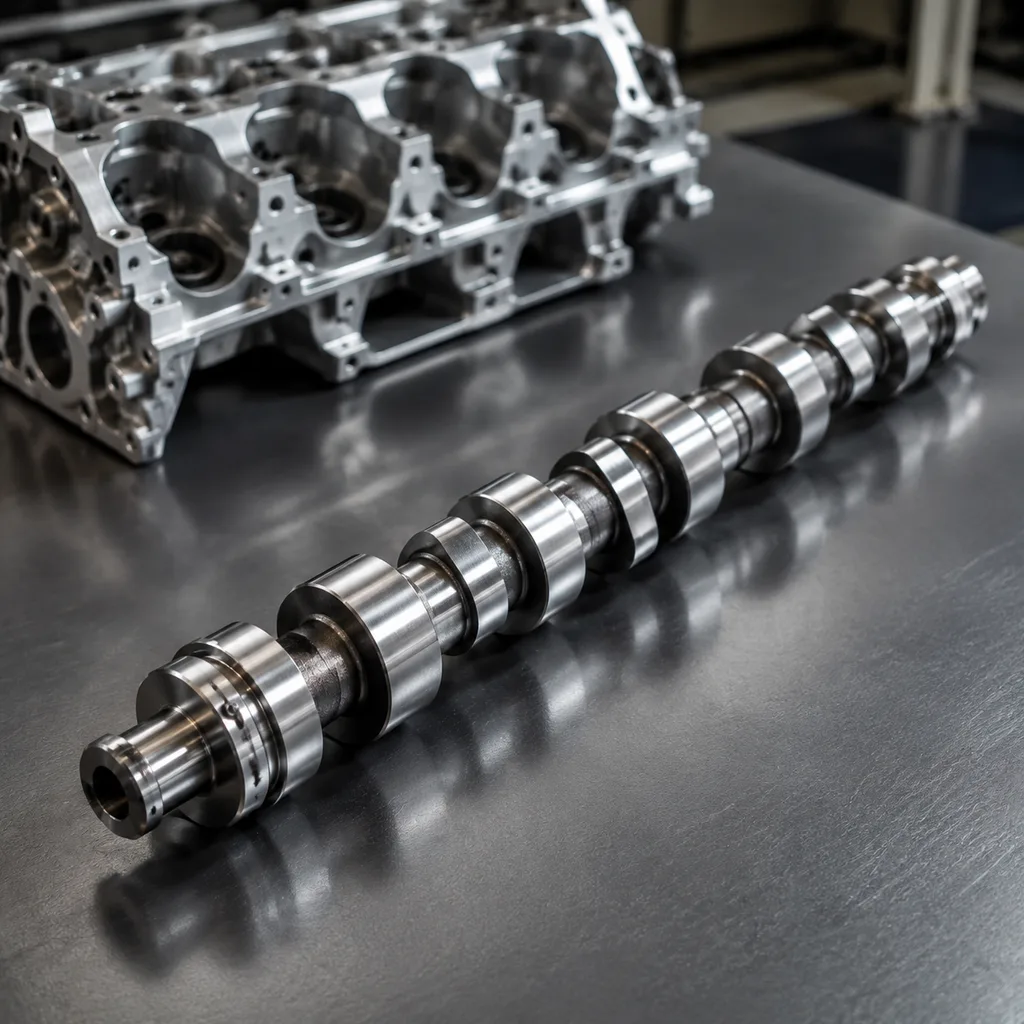
Choosing a connecting rod supplier is a procurement decision with both technical and commercial risk. The wrong source can create dimensional mismatch, traceability gaps, unstable lead times, or batch-to-batch variation in metallurgy. For engine builders, distributors, and repair-network buyers, the objective is not simply to compare price. It is to verify process control, material quality, inspection capability, and the supplier’s ability to support repeat orders without drift. This article gives you a decision framework for screening suppliers, separating real capability from brochure claims, and moving from enquiry to approved source with fewer surprises. Driventus is an independent aftermarket manufacturer; brand names are referenced for fitment only.
The first filter: is this supplier actually right for your engine program?
Start with fitment, not pricing. If the supplier cannot confirm the exact rod family, engine code, and OE cross-reference you need, everything that follows is noise.
A good request for quotation should force the supplier to answer these points in writing:
Engine code, displacement, cylinder count, aspiration, and model year range
Centre-to-centre length, usually held to ±0.02 mm to ±0.05 mm depending on application
Big-end bore, small-end bore, and rod width with a stated tolerance stack
Rod bolt size, thread pitch, torque angle or stretch spec, and bolt grade
Big-end housing bore roundness, taper, and cap alignment limits
Weight target for matched sets, often within 1 g to 2 g for aftermarket kits and tighter for performance builds
Material route: forged steel, powdered metal, or cast, depending on the application
Target OE part-number cross-reference, for example `OE 06A107065` when relevant
If the supplier answers with a generic catalog sheet, treat that as a warning sign. You want drawing control, revision control, and a sample record tied to the exact part you are buying. For fleets, distributors, and repair networks, also define whether the part must match OE geometry exactly or only meet functional interchangeability. That decision changes tolerances, balance class, packaging, and sample approval.
What a good rod looks like on paper: material, process, traceability
A connecting rod may look simple, but the failure modes begin long before final machining. The real question is whether the supplier controls the full chain from raw material to finished batch.
Use this comparison table during supplier review:
Item
What to verify
Why it matters
Material
Steel grade, heat number, mill certificate, and chemistry limits
Confirms alloy consistency and lot traceability
Forging route
Closed-die forging, grain-flow direction, or sintered process details
Affects fatigue strength and crack resistance
Heat treatment
Quench-and-temper cycle, hardness target, and verification frequency
Controls strength and wear performance
Machining
CNC programme control, fixture repeatability, and tool-change discipline
Protects dimensional repeatability across batches
Surface finish
Shot blasting, honing, and critical surface roughness target
Supports bearing performance and assembly consistency
Marking
Lot code, date code, part code, and revision identifier
Supports recall, warranty, and traceability control
</tr></thead><tbody> </tbody></table>For export programs, ask whether the supplier maintains material declarations and restricted-substance records aligned with REACH (EC) No 1907/2006 where applicable. For quality management, IATF 16949:2016 and ISO 9001:2015 matter only if the certificates are current and backed by controlled change management. The key test is simple: can the supplier show which heat number, forging lot, and machining batch produced your sample pack?
Certificates are not enough: inspect the inspection system
A certificate proves a system exists. It does not prove the current lot meets your spec.
Ask how the supplier inspects incoming material, in-process dimensions, and final assembly features such as cap alignment and bolt seating. Then ask for evidence, not promises.
A robust inspection package usually includes:
First article or PPAP-style dimensional report with the exact drawing revision used
Hardness verification by batch, commonly checked on every heat or every lot
Magnetic particle, dye penetrant, or crack detection where specified by the application
Roundness, taper, and parallelism checks on critical surfaces with stated measurement equipment
Weight control for matched sets, with a defined delta limit between rods in the same engine kit
Rod bolt torque or stretch procedure, if supplied assembled, plus bolt batch traceability
Gauge calibration status and measurement uncertainty for critical dimensions
If the supplier serves OEM or Tier-1 customers, request gage calibration control, GR&R results for critical gauges, and a non-conformance process. A factory that can explain rejection rates, rework policy, and corrective action is usually safer than one that only sends a price list. This is where a documented quality system becomes visible in daily operations, not just in a brochure.
Failure modes to watch: the cheapest quote is rarely the cheapest source
Many sourcing problems show up only after the first reorder. By then, the damage is already in transit or on the shelf.
Common failure modes include:
Dimension drift between lots because fixtures, tools, or revision control are weak
Weak traceability that makes warranty claims and recall work messy
Inconsistent rod weight that creates balancing problems in matched sets
Poor packaging that leads to corrosion, edge damage, or bent components in transit
Lead times that look good on paper but slip when volume increases
Substituted materials or undocumented process changes after sample approval
The fastest way to reduce risk is to ask for the exact controls that prevent those failures. For example, how does the supplier lock drawing revisions? How are tool wear limits handled? What happens when a batch fails hardness? If the answer is vague, the risk is still there even if the unit price is low. Buyers should compare total landed risk, not just piece price.
Commercial fit matters too: MOQ, lead time, and supply continuity
A technically correct part can still be a bad sourcing decision if the commercial model does not fit your replenishment cycle.
Before you approve a supplier, confirm:
MOQ by part number, finished SKU, and material batch
Standard lead time, expedited lead time, and peak-season lead time
Sample lead time versus mass-production lead time
Buffer stock policy or reorder point for recurring SKUs
Export packing method, corrosion protection, carton count, and label format
Incoterms, customs document set, and whether the supplier can provide invoice, packing list, CO, and test data
Price breaks by volume, and whether tooling or sample charges are separate from piece price
Ask for three numbers in every quote: sample quantity, MOQ, and the lead time at MOQ versus the lead time on a repeat order. That gives you a clearer view than a single headline number. For example, a supplier might quote 50 pieces as a sample lot, 300 pieces as MOQ, and 30 to 45 days for normal production, with another 10 to 15 days in high season. That is more useful than a low price with no replenishment logic.
For distributors and multi-location repair chains, request order fill-rate history, OTIF performance, and urgent replenishment response time. Stable repeatability matters more than a one-time bargain. If you are building a wider engine range, review our catalog and the broader engine components range to see whether one supplier can consolidate sourcing across pistons, gaskets, water pumps, and related parts.
Scenario check: what to ask when the program is custom or long-running
Not every buy is a standard stock order. Some programs need private labeling, mixed-kit packing, barcode labels, or a small dimensional change for a regional application.
In those cases, use the factory capability review as a stress test:
Which engines and rod families are produced in-house, and which are outsourced
What is the monthly capacity by product type and by shift
Which critical operations are controlled internally versus subcontracted
How are new tools, fixtures, and gauges approved before pilot production
What is the process for engineering change notices, drawing revisions, and sample re-approval
Can the plant support long-term continuity for repeat business, including spare tooling and archived programs
How quickly can it restart a dormant SKU if you reorder after 6 to 12 months
If the supplier offers custom manufacturing, ask how it manages revision control after approval. That matters more than a polished sales deck. The best source is one that can keep tooling records, production history, and part marking aligned over time. That reduces the risk of drift when the same SKU is reordered months later.
Use a scorecard before the PO goes out
A short scorecard keeps commercial and engineering teams focused on the same evidence. It also prevents the loudest voice in the room from winning the decision.
Score each item 1-5:
Fitment data completeness
Material and traceability records
Inspection evidence and test method
Certification status and document currency
MOQ and lead-time compatibility
Pricing structure and volume break clarity
Packaging and export-readiness
Communication speed and technical response quality
Set a pass/fail gate before you approve the supplier. A practical rule is to require a signed drawing, at least one acceptable sample lot, a dated inspection report, confirmed MOQ, and a written lead-time commitment before the first purchase order is released. For critical engine parts, technical factors should outweigh commercial factors. Price matters, but it should not outweigh fitment, traceability, and inspection discipline.
That is the simplest answer to how to choose a connecting rod supplier: compare evidence, not promises. When you are ready to review a drawing or source a specific part family, you can request a quote with your engine code, target volume, required tolerance class, and the documents you need reviewed before PO release.
Frequently asked questions
At minimum, ask for a technical drawing, material declaration, batch traceability, dimensional inspection report, and current quality certificates. For regulated markets, request relevant compliance documents, export packing details, and the supplier’s quoted MOQ, lead time, and sample terms before approval.
No. A low quote can hide weak traceability, unstable dimensions, poor packaging, short warranty support, or long replenishment times. Compare total landed risk, including scrap exposure, freight, customs documents, and the cost of any line-down event, not just unit price.
Use engine code, dimensions, and OE cross-reference data only for fitment verification. Ask for the supplier’s drawing, inspection sheet, and batch traceability, and avoid any claim that the brand has endorsed the part.
If you are qualifying a new source or consolidating SKUs, send your drawing or engine reference and we will review the fitment and documents with you. Start here: /contact.html