thermostat · 2026-06-20

RoHS Testing for Thermostat: Supplier Checklist

RoHS testing for thermostat procurement is usually a document-and-materials review, not a single lab result. Buyers need evidence that plastic housings, seals, solder, terminals, coatings, and any embedded electronics meet applicable substance restrictions under REACH (EC) No 1907/2006 and RoHS rules where electrical parts are involved. For engine cooling and HVAC thermostat assemblies, the right approach depends on whether the item is a purely mechanical wax thermostat, an electronically controlled unit, or a module with a harness and connector. Driventus is an independent aftermarket manufacturer; brand names are referenced for fitment only. For procurement teams, the useful question is not only whether a sample passed, but whether the supplier can keep the same bill of materials, process controls, and traceability across production lots. This article gives a practical checklist for verifying compliance, reading test reports, and separating valid declarations from incomplete paperwork.

RoHS testing for thermostat: what actually changes by build type

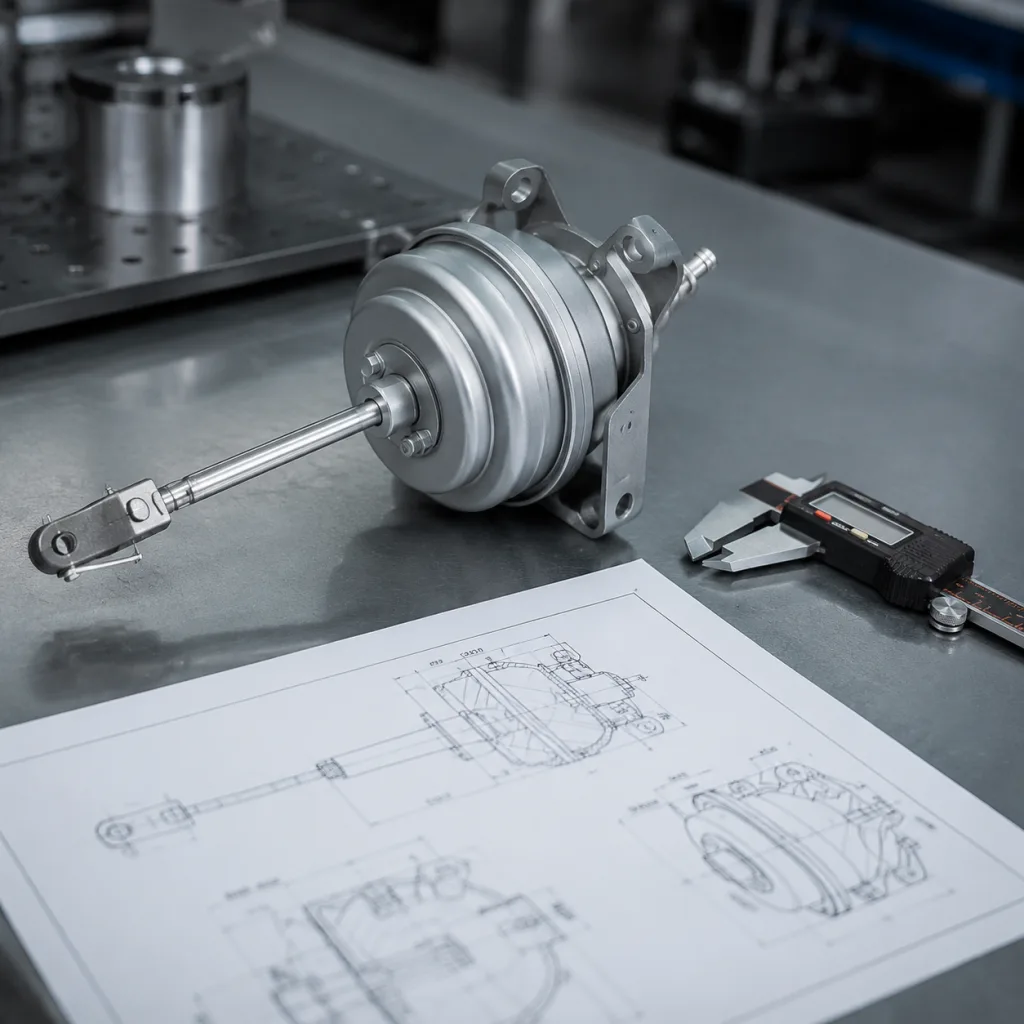
RoHS testing for thermostat sourcing depends on how the part is built. A mechanical engine thermostat may contain little or no electrical content, while an electronic thermostat or actuator assembly can include PCB material, solder, connector plating, and cable insulation.

For procurement, verify the exact product type first:

  • Mechanical thermostat: wax element, spring, frame, valve plate, seal, and housing materials
  • Electronic thermostat: PCB, semiconductor parts, solder, pins, connector housing, overmoulding
  • Assembly kit: thermostat plus gasket, O-ring, sensor, or connector tail

The buyer should confirm whether the supplier is testing homogeneous materials rather than only the finished part. That distinction matters because RoHS limits apply to specific material layers, such as plating or solder, not to the whole assembly average.

Where supplier files fail: the missing evidence checklist

A valid compliance file should include more than a certificate scan. Ask for the current production revision and the specific part number on each document.

</tr></thead><tbody> </tbody></table>If the thermostat includes electronics, also ask for supplier control of the harness and connector. RoHS and REACH failures often originate in small outsourced parts, not the main body.

Where supplier files fail: the missing evidence checklist

How to read a report without being misled

A report is only useful if the sample and method match the shipment. Check the following:

1. The sample part number matches the purchase order. 2. The report identifies the lab and method used for screening or confirmatory testing. 3. The date is current enough to cover the latest BOM revision. 4. The report states whether the test was on homogeneous materials or on a finished assembly. 5. The result covers the restricted substances relevant to the application, including lead, cadmium, mercury, hexavalent chromium, PBB, PBDE, and the phthalates covered by current RoHS scope where applicable.

For importers serving the EU and UK, the supplier should also show internal change control. If the thermostat housing resin, solder alloy, or plating chemistry changes, the previous report is no longer enough. ISO 9001:2015 and IATF 16949:2016 controls are useful here because they require documented change management, traceability, and nonconformance handling.

Decision framework for procurement: approve, hold, or redesign

Use a short control list before approving a thermostat supplier:

  • Confirm the exact build: mechanical, electronic, or hybrid
  • Match the declared part number to the PO and packaging label
  • Verify BOM control for resin, metal, solder, plating, and seal materials
  • Check whether any sub-suppliers provide PCB, connector, or gasket content
  • Ask for lot-level traceability and retention samples
  • Review whether the supplier’s quality system is certified to IATF 16949:2016 and ISO 9001:2015
  • Confirm the supplier can support REACH (EC) No 1907/2006 declarations and SVHC updates

If you buy across multiple regions, keep the compliance file aligned with the destination market. Electrical thermostats sold into the EU may need RoHS evidence, while non-electrical mechanical parts still need material control and chemical declarations for customs and customer audits.

Decision framework for procurement: approve, hold, or redesign

When custom manufacturing beats a near-match part

If your thermostat programme needs a non-standard connector, a different temperature set point, a changed housing resin, or a regional packaging specification, custom manufacturing can reduce rework later. It also lets the buyer lock the compliance package to the exact build from the start.

Driventus supports OEM and aftermarket programmes with controlled BOMs, in-process inspection, and export documentation. For buyers managing multiple vehicle lines, that is usually safer than trying to qualify a near-match part after the order is placed. You can review our catalog, read about our quality system, and discuss custom manufacturing if the specification is not a standard fit.

Frequently asked questions

No. Mechanical thermostats may not fall under RoHS in the same way as electrical parts. If the product includes electronics, connectors, or wiring, RoHS evidence is usually required.

A declaration helps, but procurement should also request a test report or material declaration linked to the exact part number and revision. That reduces substitution risk.

Recheck whenever the BOM, supplier, plating, solder, resin, or production site changes. For regulated markets, periodic file review is also prudent.

If you need a thermostat supplier with controlled documentation and export-ready traceability, contact Driventus to review your specification or build file: /contact.html

Request a Quote
Document What it should show Common risk if missing
RoHS declaration of conformityPart number, revision, issue date, authorised signerGeneric declaration not tied to your thermostat
Material declarationResin, metal alloy, solder, plating, seal materialHidden substitutions in subcomponents
Test reportLab name, method, date, sample ID, measured substancesOutdated or unrelated sample
REACH declarationSVHC statement and update statusNo update after candidate list changes
Traceability recordLot number, production date, BOM revisionCannot link the report to shipped goods