REACH compliance for water pump sourcing becomes difficult when it is handled as a paperwork request at the end of a buying cycle. A coolant pump is not one material. It can include cast aluminium or iron, steel shafts and bearings, polymer impellers, elastomer seals, coatings, greases, labels, bags, and carton components. Any one of these can carry a substance question under REACH (EC) No 1907/2006.
The practical task for procurement is not to build a chemistry lab. It is to know which articles are in scope, which materials are higher risk, which supplier statements are usable, and how changes are controlled after approval. This article gives water pump buyers, sourcing engineers, and import managers a field-tested way to assess reach compliance for water pump programmes without turning every RFQ into an open-ended document chase.
Driventus supports this process as an independent aftermarket manufacturer through controlled documentation, part-family data, and supplier-quality controls. Brand names and OE references, where mentioned, are used only for fitment identification.
Start With the Real Obligation, Not a Generic Certificate
REACH (EC) No 1907/2006 regulates chemical substances manufactured, imported, or placed on the EU market. For a finished automotive water pump, the buyer’s daily concern is usually article-level substance communication: does any article in the assembly contain a Substance of Very High Concern (SVHC) above 0.1% weight by weight, and can the supply chain provide the required information?
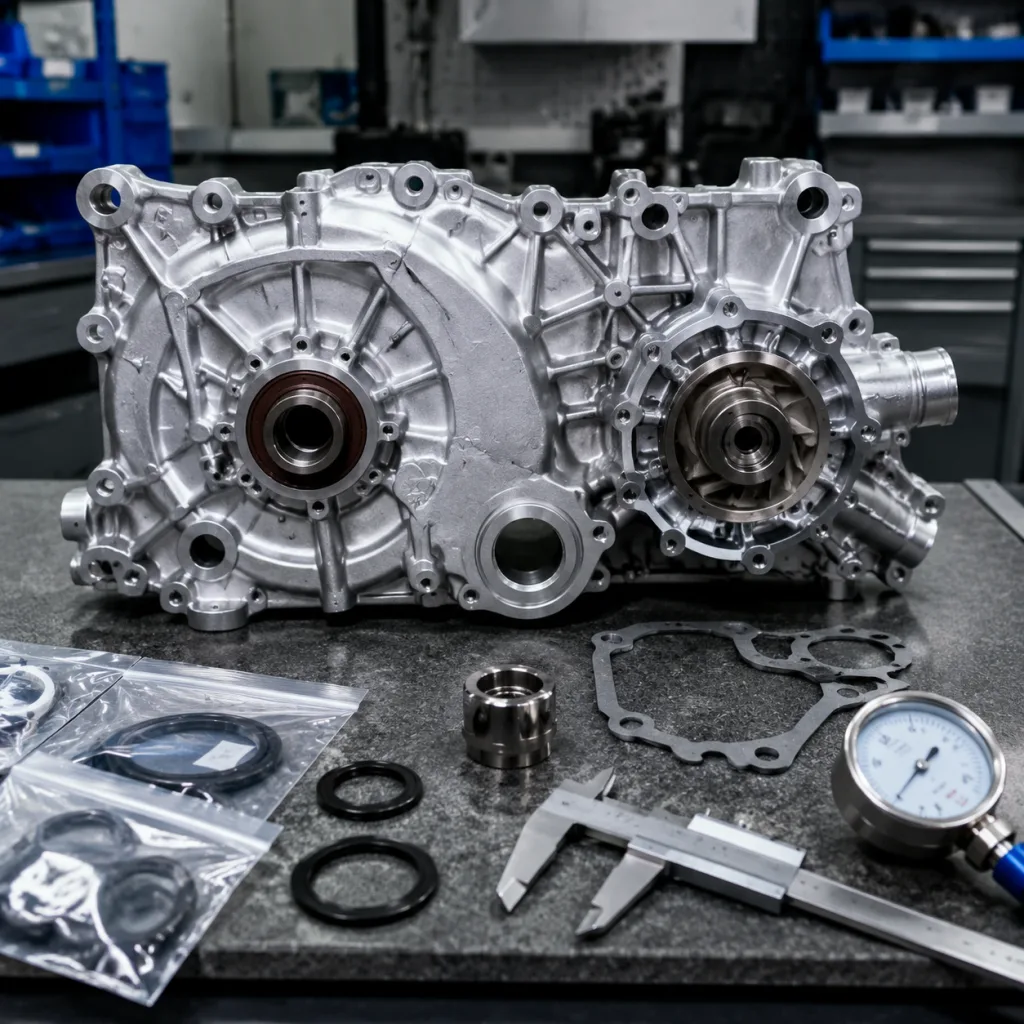
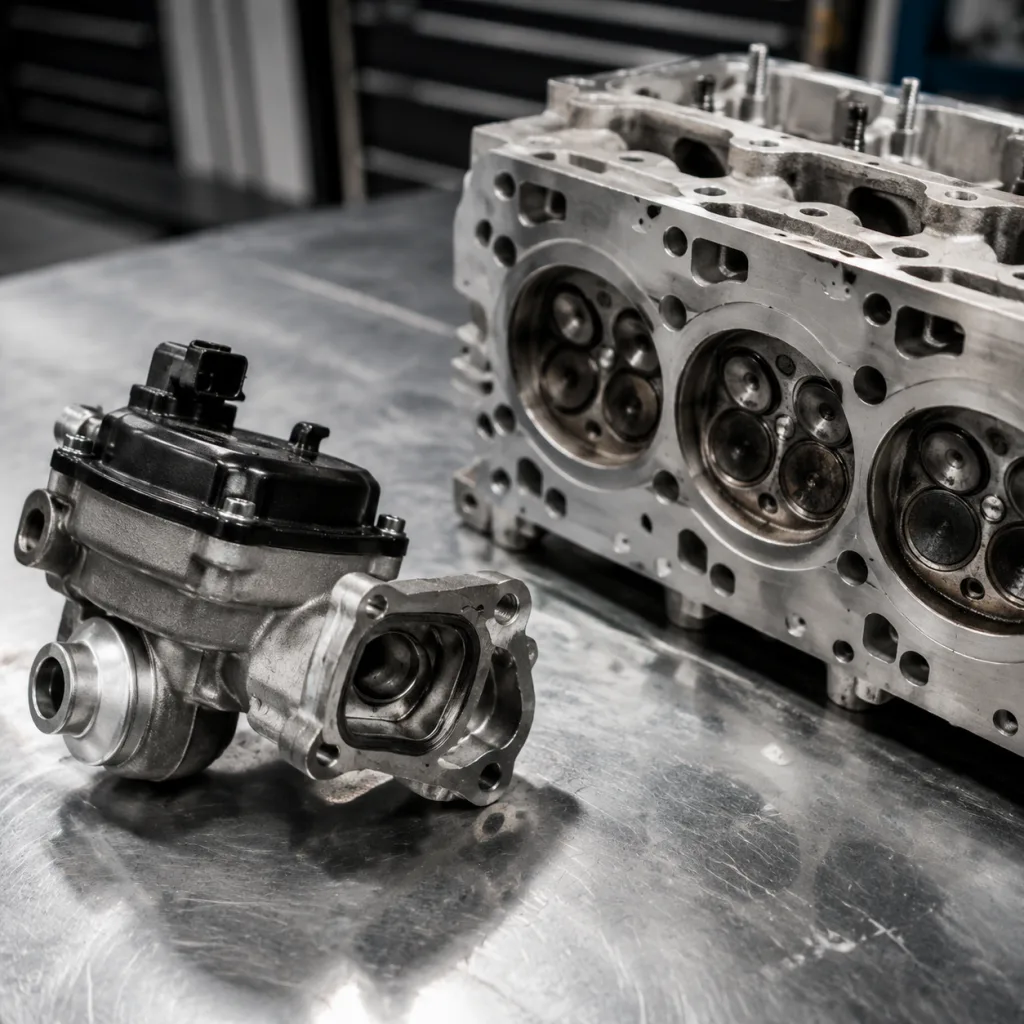
That question must be asked at article level, not only at finished-pump level. A pump assembly may include the housing, pulley or sprocket, impeller, shaft, mechanical seal, O-ring, bearing, gasket, fasteners, mounting accessories, printed labels, and packaging. These do not carry equal risk. A cast aluminium housing is usually easier to document than a rubber seal compound, plastic impeller, anti-corrosion coating, adhesive, ink, or lubricant.
A useful decision framework is simple:
Low complexity: common metal castings and machined steel parts with stable specifications.
Medium complexity: coated or plated parts, fasteners, pulleys, and corrosion-protected surfaces.
High complexity: elastomers, plastics, greases, adhesives, inks, labels, desiccants, and packaging materials.
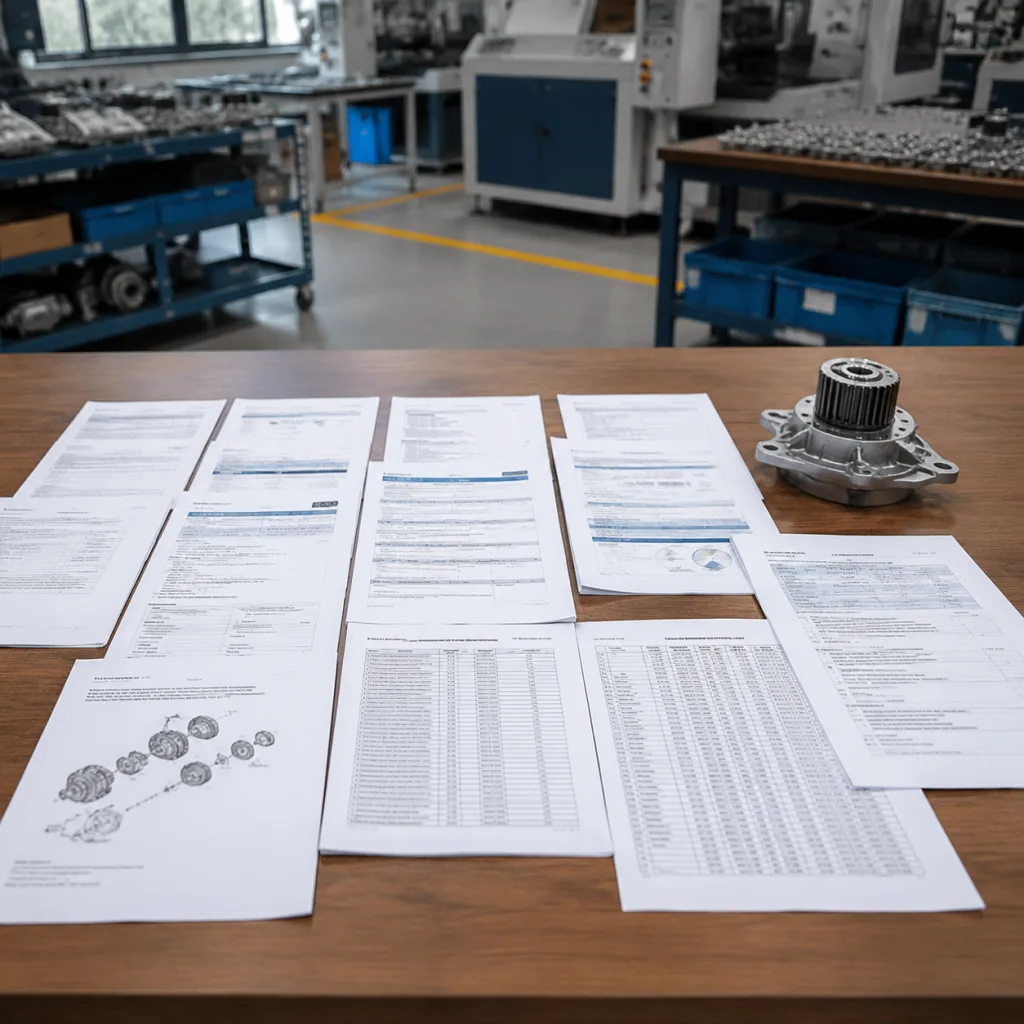
Procurement should look for evidence that the supplier controls this material map. A one-page “EU compliant” sales statement is weak if it does not identify covered part numbers, Candidate List date, kit contents, and change-control rules. A credible REACH review belongs beside drawing approval, sampling or PPAP-style validation where applicable, IATF 16949:2016 production controls, and ISO 9001:2015 document control. In other words, it is part of supplier qualification, not a late shipment-release form.
Verification Workflow: Seven Checks Before Repeat Orders
For repeat sourcing, use a fixed workflow. It gives buyers a way to compare suppliers fairly and prevents the familiar Friday-afternoon problem: the goods are ready, but nobody can prove what is in the seal, grease, bag, or gasket.
Step
What to verify
Buyer evidence to request
Typical owner
1
Article-level BOM
Housing, shaft, bearing, seal, impeller, gasket, coating, grease, accessories, labels, and packaging list
Supplier engineering
2
Material specifications
Alloy grade, rubber family, plastic grade, coating type, lubricant family, adhesive or ink type where relevant
Supplier quality
3
SVHC screening
Declaration against the current ECHA Candidate List, including date or list version checked
Compliance or QA
4
Higher-risk materials
Separate review for elastomers, plastics, coatings, adhesives, greases, labels, and corrosion protection materials
Materials engineer
5
Document usability
Issue date, part-number scope, supplier name, authorised signature, revision control, and customer-required language
Procurement
6
Change control
Written notification before material, sub-supplier, process, coating, compound, lubricant, ink, or packaging changes
Supplier quality
7
Record retention
Stored declarations, test reports, correspondence, and customer approvals linked to the active SKU or pump family
Importer or distributor
</tr></thead><tbody> </tbody></table>Begin with part-family coverage. A declaration can cover a pump platform only when the material set is identical or when the supplier lists the included part numbers clearly. Do not assume that a cast aluminium pump, a plastic-housing electric pump, a unit with a pressed steel pulley, and a kit with a different gasket are covered by the same statement.
When the range is mixed, request a matrix. The matrix should map each SKU to its housing material, impeller material, seal compound, gasket or O-ring, coating, grease, accessories, and packaging set. This is faster than asking for completely separate files for every minor part number, and it gives auditors a cleaner trail.
Driventus can support procurement review through our catalog, part-family BOM data, and controlled documentation through our quality system.
What a Usable Supplier Document Pack Looks Like
A strong compliance file answers three questions quickly: which parts are covered, which Candidate List was checked, and what happens if something changes. If a document cannot answer those questions, it may be fine for marketing but weak for audit defense.
Ask for a package that includes:
REACH declaration referencing REACH (EC) No 1907/2006 and the ECHA Candidate List version or date checked.
SVHC statement at article level, confirming whether any listed substance exceeds 0.1% w/w.
Restricted material declaration for higher-risk non-metallic parts, including seals, impellers, gaskets, adhesives, inks, greases, and packaging where applicable.
Material data sheet or material specification summary for polymers, elastomers, coatings, lubricants, corrosion protection materials, and printing or adhesive systems.
Drawing, BOM, or part-number revision list showing the exact SKUs covered.
Change notification commitment for raw material, compound, coating, lubricant, adhesive, ink, packaging, or sub-supplier changes.
Manufacturing certification copies, such as IATF 16949:2016 and ISO 9001:2015, where applicable.
Third-party screening reports when a customer, tender, or risk assessment requires independent confirmation.
Traceability matters more than document volume. A long certificate that does not name the supplied SKU is less useful than a short, dated declaration tied to a defined BOM and revision. For aftermarket distributors, the compliance scope should match what the customer receives: pump, gasket, O-ring, thermostat housing if included, coolant pipe seal, bolts, sealant, instruction sheet, bag, label, foam insert, desiccant, protective film, and carton.
If a customer requires IMDS-style reporting or another restricted-substance format, agree the format before tooling, sampling, or annual tender submission. This avoids the common mismatch where the supplier prepares a generic REACH statement but the customer expects article-level material reporting.
Spec Deep-Dive: Where Water Pumps Create REACH Risk
Water pumps are mechanical products, but the compliance risk often sits in the smaller materials. These are also the materials that can affect leakage, noise, coolant compatibility, and service life. Treating REACH as separate from engineering can create new failures while trying to close a documentation gap.
Materials that deserve closer review
Mechanical seal faces and secondary seals: confirm elastomer family, coolant compatibility, additive screening, and SVHC status for the exact compound used.
Impellers: plastic impellers may contain glass-filled polymers, stabilisers, pigments, flame retardants, or processing aids. Metal impellers may involve coatings, passivation, or corrosion inhibitors.
Bearings and grease: review lubricant chemistry, corrosion inhibitors, supplier change control, and whether the grease supplier has changed since the last approval.
Gaskets and O-rings: rubber compounds vary by temperature range, coolant chemistry, compression set, and ageing performance. They should be declared by compound, not just by colour, size, or hardness.
Coatings and plating: assess anti-corrosion coatings on pulleys, fasteners, stamped parts, and housings where applicable.
Adhesives, labels, and packaging: inks, adhesives, protective films, bags, inserts, labels, and desiccants should be considered for EU-bound shipments.
A compliant substitution is not automatically an equivalent engineering substitution. Changing an O-ring compound may resolve a substance concern but create leakage after thermal cycling. Replacing a grease may remove a flagged substance but alter bearing noise or service life. Switching a coating can affect corrosion performance even if the declaration looks cleaner.
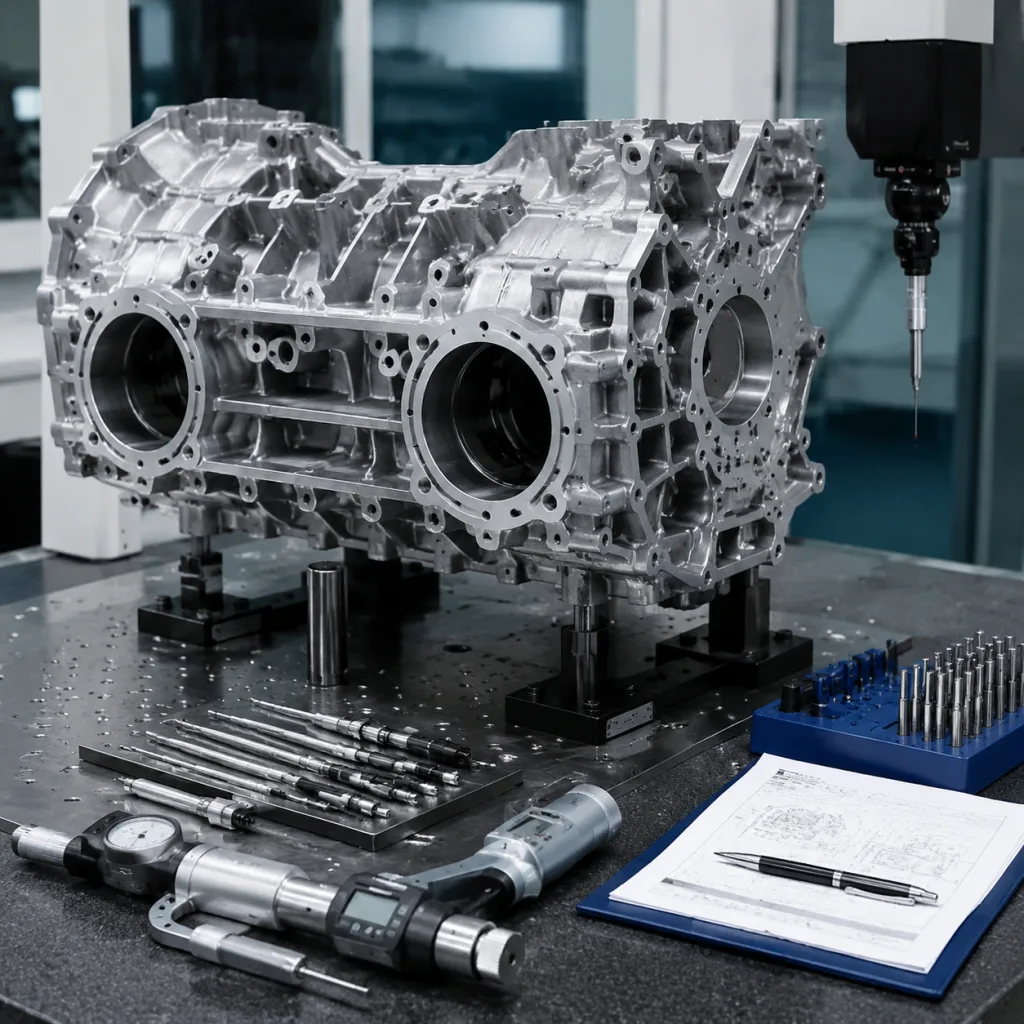
For this reason, Driventus links material compliance with dimensional inspection, leak testing, bearing noise checks, and endurance validation under controlled production processes. The compliance file and the quality file should tell the same story.
Purchase-Order Language That Prevents Disputes Later
The best time to define REACH requirements is before quotation. Once production has started, missing declarations can become re-testing costs, shipment holds, customer approval delays, or arguments over who pays for new documentation.
Build the requirement into RFQs, purchase orders, supply agreements, and technical specifications. A practical clause set should state that:
Supplier must provide a REACH declaration for all articles supplied, including accessories, labels, and packaging.
Declaration must reference REACH (EC) No 1907/2006 and the ECHA Candidate List date or version reviewed.
Supplier must identify any SVHC above 0.1% w/w at article level, if present, and provide information required for safe use.
Supplier must notify the buyer before any change in material grade, rubber compound, coating, lubricant, adhesive, ink, packaging material, or sub-supplier.
Supplier must keep compliance records available for audit during the agreed retention period.
For custom projects, material selection must be reviewed during drawing approval, sample submission, and production change approval.
If third-party testing or customer-specific reporting is required, the scope, timing, cost responsibility, and accepted laboratory format must be agreed before production.
For OEM and Tier-1 projects, repeat the obligation in the technical agreement, not only the commercial PO. For aftermarket distributors, include the same controls in annual supply agreements and apply them to private-label packaging, kitting, and promotional materials when they are part of the supplied product.
A small wording change can prevent a large dispute: require notification before a material change, not after. This keeps compliance, performance validation, and customer approval on the same timeline.
Driventus supports standard and programme-specific requirements, including controlled sampling and custom manufacturing for buyers that need defined materials, markings, packaging, or inspection records.
Failure Modes: How REACH Reviews Go Wrong in Water Pump Sourcing
Most REACH problems in water pump sourcing are not dramatic. They are small gaps that become expensive when a customer audit, tender deadline, or customs question appears.
Failure mode 1: the declaration is not tied to the actual part family. A statement for one cast pump does not automatically cover a different unit with a plastic housing, separate thermostat module, alternative pulley, or different seal supplier. Fix this by requesting a covered-part list or material matrix whenever scope is unclear.
Failure mode 2: compliance is separated from quality management. IATF 16949:2016 and ISO 9001:2015 do not prove REACH compliance, but they support document control, supplier management, production change control, and traceability. Ask how the supplier refreshes declarations when the ECHA Candidate List changes.
Failure mode 3: the kit contents are ignored. A pump carton may include a paper gasket, rubber O-ring, bolts, thread sealant, coolant pipe seal, instruction sheet, bag, or private-label carton. The customer buys one commercial unit, but REACH assessment may need to consider the individual articles inside it.
Failure mode 4: brand references are treated as approval evidence. OE references, where used, are cross-reference tools for fitment identification, such as OE 06A… or OE 11251… formats when applicable. They do not prove that a part is approved by, supplied to, or chemically documented by the vehicle brand. Driventus is an independent aftermarket manufacturer; brand names are referenced for fitment only.
Failure mode 5: there is no review calendar. Candidate List updates, supplier changes, new packaging, and compound substitutions can make last year’s file stale. For high-volume EU-bound supply, create an annual review cycle: check ECHA updates, request refreshed supplier statements, review change notifications, and consider third-party screening for higher-risk materials when customer risk or sales volume justifies the cost.
The best warning sign is vague language. If a supplier cannot say which part numbers, which material revisions, which accessories, and which Candidate List date are covered, the file is not ready for dependable sourcing.
Frequently asked questions
At minimum, review declarations when the ECHA Candidate List is updated, when a material or sub-supplier changes, and before a new annual contract. High-volume EU-bound programmes should keep a dated compliance file for each active pump family.
No. IATF 16949:2016 supports controlled production, traceability, supplier management, and change control, but it does not replace REACH (EC) No 1907/2006 declarations or SVHC assessment. Buyers should request both quality certification and part-specific material compliance documents.
Yes. EU-bound shipments should include packaging materials in the review, especially printed labels, bags, adhesives, foam inserts, corrosion protection materials, and desiccants. These items may be separate articles and should be covered by the supplier declaration.
If you are reviewing water pump suppliers for EU or global distribution, Driventus can provide part-family documentation, sampling support, and commercial terms for evaluation. To discuss your compliance checklist, [request a quote](/contact.html).