Flex Plate vs Glyco Alternative: Sourcing Comparison
A flex plate is a modest-cost engine component, but it operates in a critical position between the crankshaft and torque converter. For importers, repair-chain buyers, and aftermarket distributors, a weak replacement can lead to starter noise, poor engagement, torque converter runout, vibration complaints, or early cracking around the crank flange. The sourcing question is rarely whether a recognised catalogue brand exists. It is whether a flex plate vs glyco alternative decision can be supported by repeatable dimensional control, material traceability, and batch-level inspection evidence. This article reviews that decision from a procurement perspective. It does not assess any brand approval, equivalence claim, or endorsement. Driventus is an independent aftermarket manufacturer, and brand names are referenced only for fitment identification. The focus is on practical sourcing checks: specifications, validation records, packaging, lead time, inventory risk, and supplier control for EU, UK, US, Canadian, Australian, and Brazilian aftermarket channels.
What procurement teams should compare first
A flex plate is a stamped or machined steel drive plate used in automatic transmission applications. It locates on the crankshaft flange, carries the ring gear, maintains flatness under cyclic load, and transfers torque to the converter without adding avoidable vibration.
When comparing a branded catalogue part with an alternative manufacturer, procurement teams should start with measurable requirements rather than catalogue images or price lists. The first review should cover:
Crankshaft bolt pattern: hole count, pitch circle diameter, hole diameter, chamfer form, and bolt-seat condition.
Torque converter mounting pattern: pitch circle diameter, thread or clearance-hole specification, pad height, and welding or forming quality.
Ring gear: tooth count, outside diameter, tooth profile, induction hardening depth, hardness range, and radial runout.
Plate thickness: nominal gauge and tolerance at the crank flange, converter pads, and web sections.
Flatness and concentricity: measured against agreed datums before and after ring gear assembly.
Surface protection: phosphate, e-coat, oil film, or another finish agreed for storage and export conditions.
Identification and traceability: heat number, batch number, inspection report, part label, and carton label control.
For buyers using OE part-number cross-references such as OE 06A… or OE 11251…, the cross-reference should be treated as an application filter, not as proof of technical approval. Final sourcing approval should come from dimensional inspection, fitment confirmation, and validation records tied to the specific production route.
Flex plate vs Glyco alternative: side-by-side sourcing view
The table below outlines the main trade-offs a buyer should document before approving an alternative flex plate supply route. It is intended as a sourcing framework, not a statement about any brand’s performance or approval status.
Evaluation point
Catalogue brand route
Driventus alternative route
Procurement check
Application coverage
Often broad on popular European and Asian references
Developed from catalogue data, samples, drawings, or buyer specifications
Confirm OE 06A… / OE 11251… cross-reference logic, engine codes, transmission variants, and vehicle range
Dimensional control
Factory data may not be visible through distribution channels
Batch inspection plans can be shared when agreed in the order scope
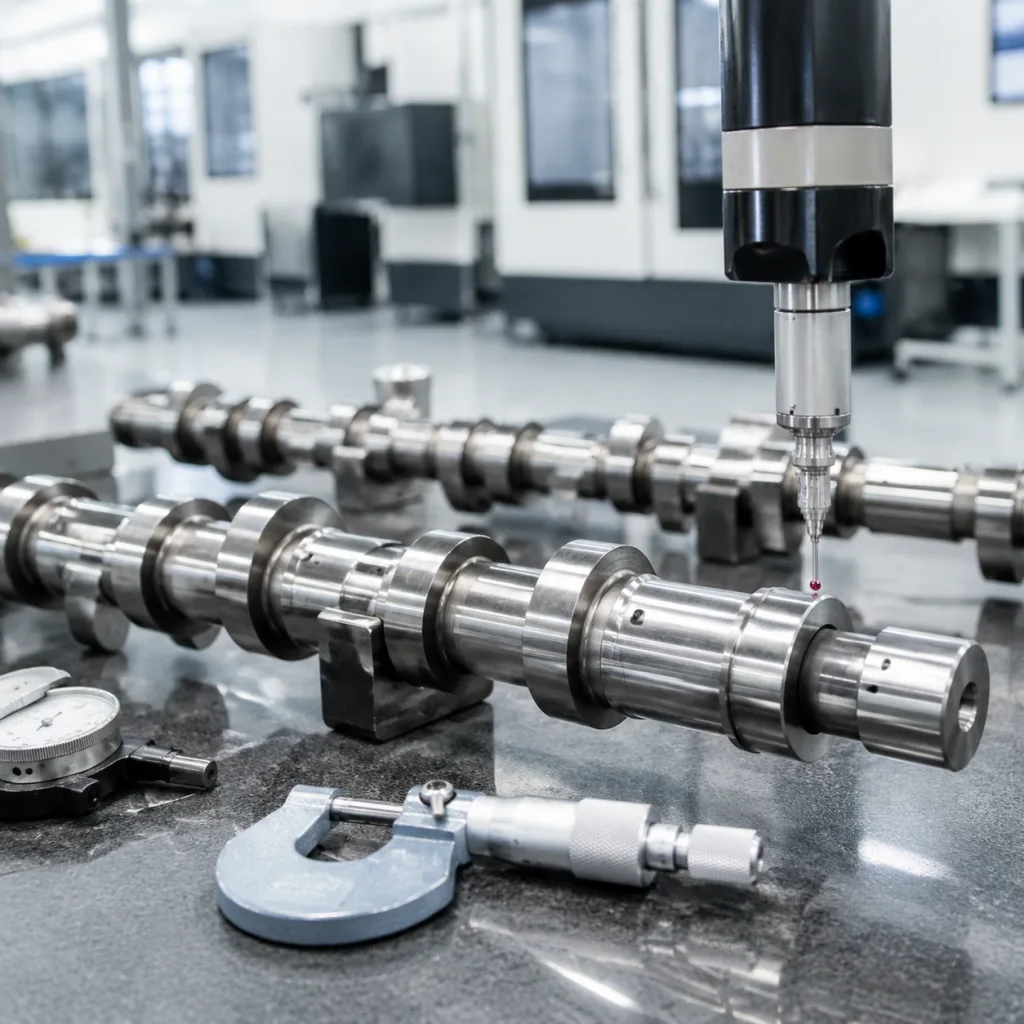
Request CMM, fixture inspection, or gauging records on pilot lots
Material traceability
May be limited when sourced through trading layers
Heat and batch traceability can be linked to controlled production orders
Ask for steel grade, mill certificate, and batch-to-carton linkage
Ring gear quality
Usually stable on mature catalogue references
Induction hardening, tooth profile, and runout checks can be defined in the control plan
Check tooth count, hardness range, hardening depth, and radial runout
MOQ and lead time
Dependent on local wholesaler or regional stock
Dependent on tooling status, blanking capacity, heat treatment, and packaging requirements
Separate stocked references from made-to-order or development items
Customisation
Usually limited to available catalogue and packaging options
Available for distributors and Tier-1 programmes where volumes justify setup
Use custom manufacturing for drawings, samples, private label, or controlled specification changes
Audit access
Usually indirect, depending on the sales channel
Factory audit, process review, and documentation review can be arranged
Review quality system documentation before supplier approval
</tr></thead><tbody> </tbody></table>A lower unit price only creates value if the supplier controls ring gear position, bolt-hole location, plate flatness, and packaging consistency across repeat batches. For multi-location repair chains and regional distributors, claim handling, replenishment reliability, and batch identification can matter as much as the first landed cost.
Critical specifications for an equivalent flex plate
A credible alternative should be evaluated against an agreed specification sheet. If the buyer does not have a drawing, the supplier should build one from a verified sample, confirm the application-critical dimensions, and freeze those dimensions before mass production.
Typical flex plate specification points include:
Material: carbon steel or alloy steel grade agreed by drawing, sample analysis, or buyer specification.
Plate thickness: controlled at the crank flange, converter mounting pads, and outer web sections.
Hardness: base plate hardness and ring gear tooth hardness recorded separately.
Tooth count: verified on each reference before packing where misidentification risk exists.
Ring gear fit: interference, weld quality, or assembly method confirmed according to the design.
Radial runout: measured at the ring gear outside diameter or other specified datum.
Axial runout and flatness: checked on a calibrated fixture under defined clamping conditions.
Hole location tolerance: verified against crankshaft and converter bolt patterns.
Balance: static or dynamic balance requirement agreed where the application demands it.
Surface finish: corrosion protection suitable for sea freight, inland warehousing, and expected shelf life.
Marking: batch code and part identification applied without protected vehicle manufacturer logos.
The most common sourcing risks are not visible in product photos. A flex plate may look correct yet fail in service because of excessive ring gear runout, insufficient tooth hardening, converter pad height variation, burrs at bolt holes, or distortion after heat treatment. These defects can affect starter engagement, driveline noise, clamp-load retention, and long-term fatigue life.
Quality standards and validation evidence to request
Driventus manufactures engine and powertrain components under IATF 16949:2016 and ISO 9001:2015 systems. These standards do not approve a specific flex plate for a vehicle application, but they provide a framework for process control, traceability, corrective action, and continual improvement.
For a flex plate sourcing programme, buyers should request evidence matched to the risk level, annual volume, and end-market requirements. Useful records include:
First article inspection report covering all critical dimensions and datums.
Material certificate linked to the production batch and steel heat number.
Ring gear hardness, hardening-depth, and tooth profile inspection data.
Runout and flatness records from calibrated production fixtures.
Bolt-hole, converter-pad, and crank-flange inspection results from pilot lots.
Salt spray or corrosion-resistance evidence where required by the buyer specification.
Packaging drop, stacking, or transport checks for export cartons when parts are heavy, nested, or shipped by mixed container.
Control plan and process flow chart for higher-volume or private-label programmes.
Corrective action format for warranty claims, field complaints, or recurring distributor feedback.
Regulatory and documentation requirements may also apply to the supply chain. For EU importers, material declarations should support REACH (EC) No 1907/2006 screening where requested. Packaging may need to align with local recycling, labelling, and pallet-treatment rules. For Brazil, import documentation, fiscal classification, and Portuguese labelling requirements should be checked with the importer of record before shipment.
Buyers can review Driventus process controls through the quality system page before starting a supplier qualification file.
Commercial factors: MOQ, tooling, lead time, and inventory risk
A flex plate programme usually follows one of two sourcing routes. Existing references can be supplied from standard tooling when application demand is proven and the reference is active. Low-volume, older, or region-specific applications may require sample development, new fixtures, dedicated tooling, or additional validation time.
For stocked or mature references, procurement teams should normally confirm:
Minimum order quantity by reference, by carton, and by shipment.
Carton quantity, gross weight, pallet height, and HS code support.
Standard production lead time, replenishment cycle, and buffer stock options.
Private-label packaging artwork, carton strength, and barcode requirements.
Batch label, country-of-origin marking, and carton-to-batch traceability.
Mixed-container options with other engine and powertrain components.
Forecast rules for slow-moving references and phase-out protection.
For new development references, the project should include sample review, drawing confirmation, prototype or pilot-lot inspection, and fitment validation before commercial launch. Tooling cost should be compared against annual volume and service-life demand, not only against the first purchase order. If the part supports a repair-chain contract, fleet programme, or regional coverage gap, reliable availability may justify a higher initial tooling investment.
Driventus can combine flex plates with related engine and powertrain items from our catalog, including product families listed under engine components. Consolidating compatible items can reduce shipment fragmentation for wholesalers managing multiple slow-moving references.
When an alternative source is the right choice
An alternative source is appropriate when the buyer can define the application, validate fitment, and receive transparent production evidence. It is less suitable when the part-number history is uncertain, the vehicle platform has multiple flywheel or converter variants, or the distributor cannot inspect samples before launch.
Use the following approval sequence for a controlled comparison:
1. Confirm the application list and OE-style cross-references, such as OE 06A… or OE 11251…, without implying vehicle manufacturer approval. 2. Obtain a physical sample, technical drawing, or verified dimensional data. 3. Check ring gear tooth count, crankshaft hole pattern, converter pad height, and radial and axial runout. 4. Review steel grade, material certificate, base plate hardness, and ring gear hardness reports. 5. Test fit on the relevant crankshaft and converter interface where possible. 6. Approve pilot shipment packaging, labels, barcodes, and carton markings. 7. Monitor first-market feedback by batch code and link any claims to production records.
This sequence keeps the flex plate vs glyco alternative decision objective. The practical question is not whether a part is branded or unbranded; it is whether the supplier can prove repeatability, respond to claims correctly, and maintain stock discipline across the contract period.
For buyers comparing alternatives, Driventus can provide quotations, sample development, and private-label options through request a quote.
Frequently asked questions
Yes. OE-equivalent means the part is designed to match the required fit, function, and performance criteria for the intended application. It does not mean approval, endorsement, or supply by a vehicle manufacturer. Driventus is an independent aftermarket manufacturer, and brand names are referenced only for fitment identification.
Request a first article inspection report, material certificate, ring gear hardness and hardening-depth data, tooth count confirmation, flatness and runout records, bolt-pattern checks, and packaging details. For higher volumes, also request a control plan, process flow chart, and corrective action format.
Yes. Driventus can develop references from verified samples, drawings, or buyer specifications. The process normally includes dimensional mapping, material confirmation, sample production, inspection, pilot-lot approval, and fitment validation before volume supply.
If you are comparing flex plate sourcing options, Driventus can review your cross-reference list, annual volume, packaging needs, and validation requirements. Send your enquiry through /contact.html