EGR cooler · 2026-06-09

EGR Cooler Volvo Supplier for B2B Sourcing

Procurement teams sourcing Volvo-fit EGR coolers need more than a casting that looks correct. The part has to reduce exhaust gas temperature, tolerate repeated thermal cycling, and keep the coolant circuit sealed under pressure changes. For distributors, repair-chain buyers, and Tier-1 sourcing teams, supplier selection usually depends on repeatable quality, traceable production, and delivery plans that can support regular replenishment.

Driventus Auto Parts manufactures engine and powertrain components in Taizhou, Zhejiang, and exports to more than 60 countries. Our EGR cooler supply is structured for B2B aftermarket and programme-based sourcing, from drawing review and sample validation to production inspection and export documentation. Driventus is an independent aftermarket manufacturer; brand names are referenced for fitment only. This article explains how to evaluate an egr cooler volvo supplier across technical capability, testing discipline, certification, MOQ, lead time, packaging, and audit readiness.

What Procurement Teams Should Verify First

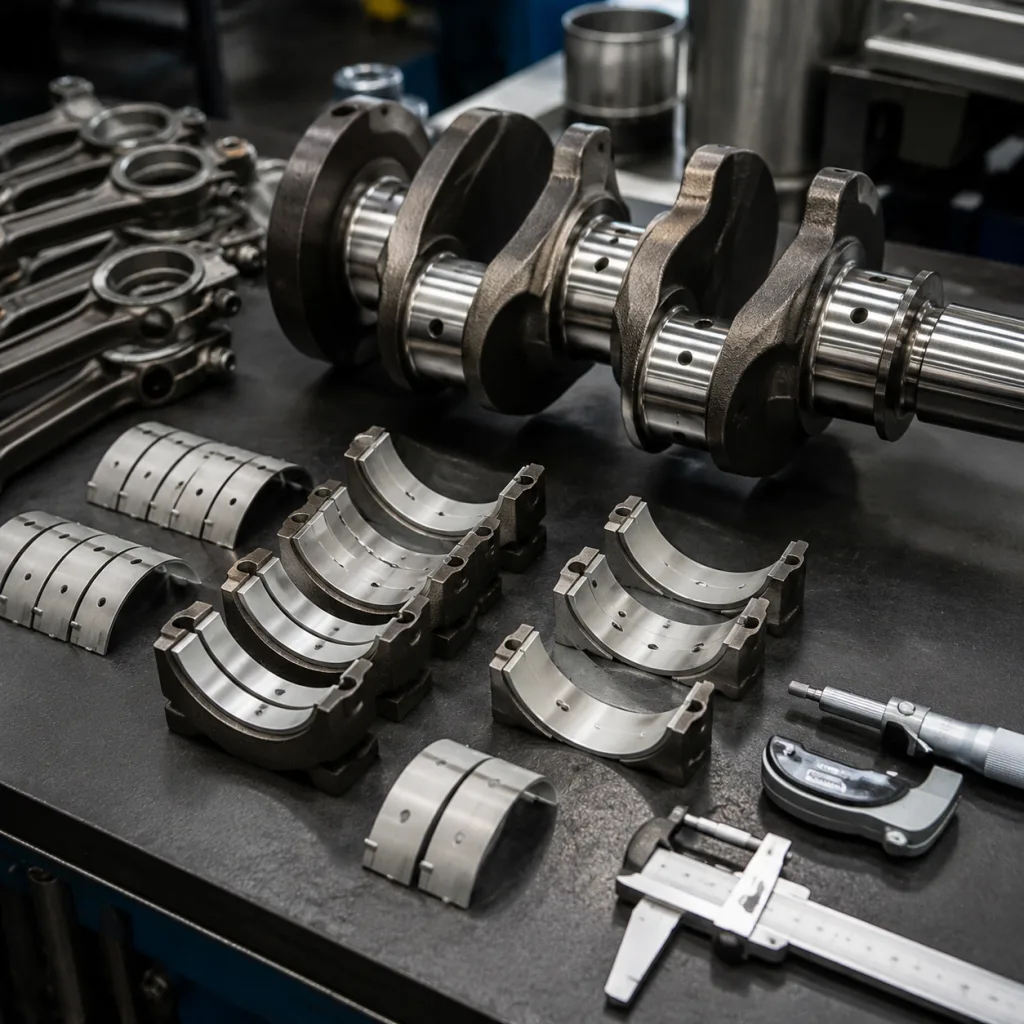
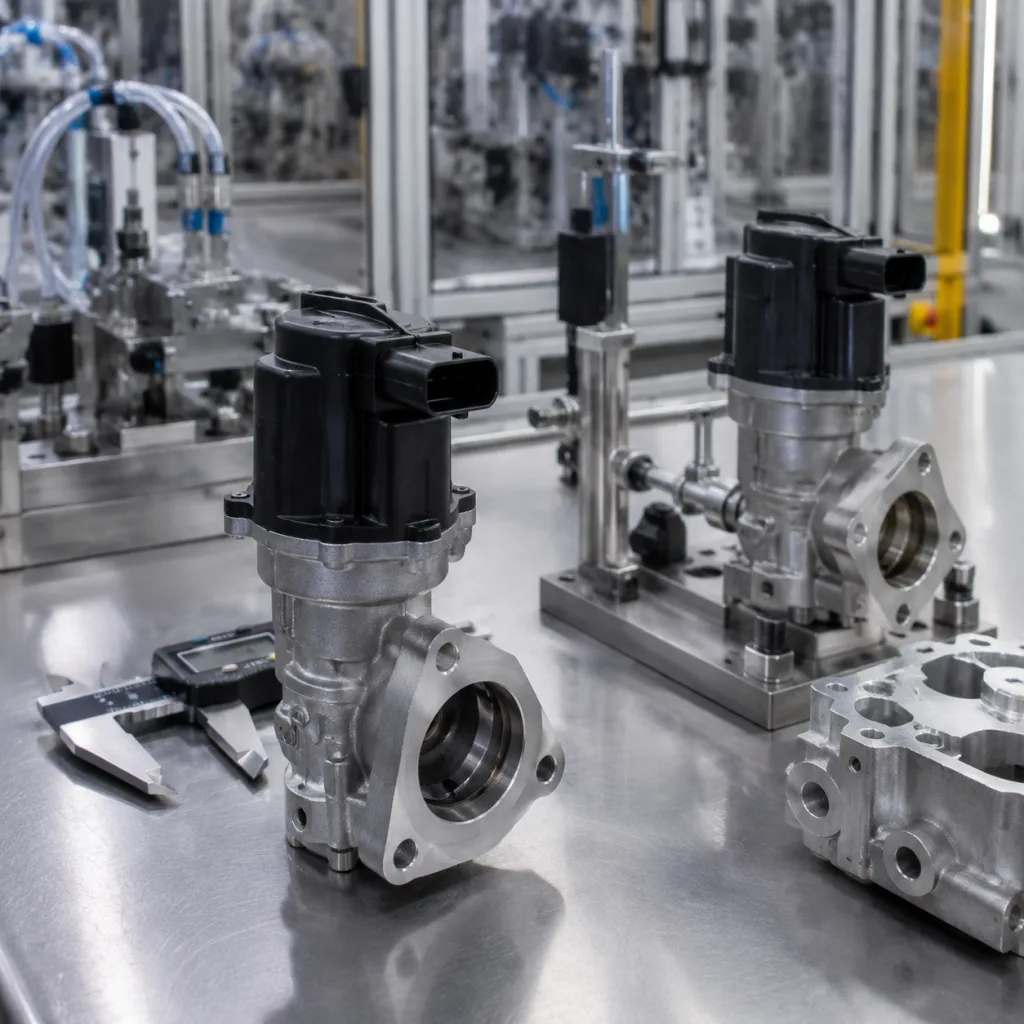
A Volvo-fit EGR cooler is a compact heat exchanger working in a harsh area of the engine system: hot exhaust gas passes through one side while engine coolant flows through the other. Soot, condensate, vibration, pressure variation, and thermal shock can all expose weak materials or inconsistent joining processes. Buyers should therefore confirm that the supplier can control dimensional accuracy, internal cleanliness, and leak integrity across production batches—not only during sample approval.

Key procurement checks include:

  • Application coverage by engine family, vehicle platform, and emission system layout
  • Fitment confirmation against buyer drawings, samples, or buyer-supplied OE-style references
  • Stainless steel or approved alloy selection for tubes, shells, plates, and housings
  • Brazing, TIG welding, or laser welding process controls with recorded parameters
  • Coolant-side and gas-side leak testing by batch or agreed inspection plan
  • Packaging suitable for sea freight, air freight, and mixed-container consolidation
  • Batch traceability from raw material receipt through final inspection

For catalogue-based sourcing, buyers can review our catalog and engine-related product coverage at /products/engine-components.html. For non-catalogue programmes, Driventus can review drawings, physical samples, reference photos, and annual demand forecasts before quoting.

Factory Capability, Certification, and Audit Readiness

A dependable egr cooler volvo supplier should be ready for technical, quality, and commercial review before a purchase order is released. Certificates help establish the management framework, but buyers should also check daily operating evidence: inspection records, nonconformance handling, supplier control, gauge calibration, operator training, and corrective action history.

Driventus operates under IATF 16949:2016 and ISO 9001:2015 management systems. These standards support structured production control, risk-based planning, documented inspection, and continuous improvement. For buyers in the EU and UK, material declarations may also need to support compliance screening under REACH (EC) No 1907/2006, depending on the importer’s internal policy, product composition, and destination-market requirements.

Typical audit documents available for review include:

  • Business licence and export registration
  • IATF 16949:2016 and ISO 9001:2015 certificate copies
  • Process flow chart and control plan
  • Incoming material inspection records
  • Welding or brazing process control records
  • Leak test and pressure test reports
  • Final inspection reports by batch
  • Corrective action reports when applicable

Buyers can review our quality system before arranging a factory audit or remote supplier assessment. For OEM, Tier-1, and repair-chain projects, Driventus can support structured sample submission with inspection data, packaging photos, agreed labelling requirements, and follow-up actions from buyer feedback.

Sourcing Parameters: MOQ, Lead Time, and Packaging

Commercial feasibility depends on demand volume, SKU mix, tooling status, and whether the buyer needs catalogue parts or customised production. EGR cooler purchasing often covers several part numbers with uneven demand, so MOQ, mixed-SKU consolidation, and packaging consistency can influence total landed cost as much as the unit price.

</tr></thead><tbody> </tbody></table>For distributors, the practical target is not always the lowest MOQ per SKU. A stronger measure is landed cost stability across a six- or twelve-month replenishment cycle, including packaging loss, claim rate, shipment consolidation, and reorder timing. For multi-location repair chains, clear identification, repeatable carton dimensions, and reduced claim handling may be more valuable than a small unit-price difference.

If a buyer needs exclusive packaging, private label cartons, or a controlled stocking plan, Driventus can assess the requirement during quotation. A forecast by SKU, expected annual volume, target delivery port, and preferred shipment frequency will help shorten commercial review and avoid later changes.

Technical Controls for Volvo-Fit EGR Coolers

EGR coolers can fail when material selection, weld quality, internal flow paths, sealing surfaces, or mounting geometry are not controlled. A procurement specification should therefore define more than visual appearance. It should identify the inspection points that protect fitment, pressure retention, coolant sealing, and thermal durability in service.

Recommended specification points:

  • Mounting face flatness checked against approved drawing or master sample
  • Critical hole positions verified with gauges or coordinate inspection where required
  • Tube bundle integrity confirmed before final assembly
  • Coolant-side leak testing performed at agreed pressure and hold time
  • Gas-side leakage controlled to agreed internal standard
  • Weld appearance inspected for cracks, burn-through, porosity, and undercut
  • Surface cleanliness controlled to reduce contamination before packaging
  • Gaskets, seals, sensors, and fasteners specified when included in the kit

Materials and process review

Common EGR cooler constructions use stainless steel tube assemblies, cast or formed housings, and welded or brazed joints. The exact material grade should be reviewed against operating temperature, coolant chemistry, corrosion exposure, vibration load, and buyer cost target. For private programmes, Driventus can align material selection with the buyer’s drawing, validated sample, or agreed performance requirement.

Validation expectations

For aftermarket supply, validation may include dimensional inspection, leak testing, pressure resistance testing, thermal cycling, vibration review, surface cleanliness checks, and installation review on reference assemblies. Emissions regulations such as ECE R-83 define vehicle-level requirements, but they do not replace component-level procurement validation. The buyer remains responsible for confirming local regulatory obligations, catalogue accuracy, and market-release requirements in the destination country.

Custom Manufacturing and Cross-Reference Management

Many importers need more than catalogue availability. They may require a replacement part built from a sample, a cooling-core variation, a bracket change, a sensor-port adjustment, or a packaging programme aligned with regional distribution. Driventus supports custom manufacturing for qualified B2B projects where technical data, target markets, and forecast demand are available.

Cross-reference management should be handled carefully because brand-owned part numbers are not approval claims. Driventus can map buyer-supplied OE-style references, aftermarket references, dimensions, photos, and samples to internal item numbers, but the buyer should verify final application coverage in its own catalogue system. Driventus is an independent aftermarket manufacturer; brand names are referenced for fitment only.

For a new Volvo-fit EGR cooler programme, the normal review sequence is:

1. Buyer submits drawings, sample photos, reference numbers, annual demand, and target market. 2. Driventus checks existing tooling, material route, process feasibility, and inspection needs. 3. Commercial team confirms MOQ, price basis, packing method, and lead time. 4. Samples are produced or selected from current stock where applicable. 5. Inspection data and sample feedback are reviewed before mass production. 6. Batch production follows the approved control plan and final inspection criteria.

This sequence reduces ambiguity before tooling, sampling, or bulk purchasing begins. It also gives purchasing, engineering, and quality teams a shared approval basis for fitment, cost, packaging, and delivery planning.

How to Compare EGR Cooler Suppliers Objectively

Supplier comparison should be based on evidence rather than catalogue breadth or price claims alone. A lower unit price may not reduce total landed cost if the buyer later faces high claim rates, inconsistent packaging, customs delays, weak traceability, or slow technical response.

Sourcing item Typical B2B consideration Driventus support
MOQUsually varies by SKU complexity, tooling status, and material routeMixed-SKU discussion available for distributors
Sample lead timeCommonly 15–35 days after technical confirmationDepends on stock, drawing status, and fixture needs
Mass production lead timeCommonly 35–60 days after deposit and sample approvalConfirmed per order and capacity plan
PackagingNeutral carton, pallet, or buyer-specified export packagingBarcode, carton mark, and pallet plan available
ShipmentLCL, FCL, or air shipment for urgent replenishmentExport documentation supported
DocumentationInspection report, packing list, commercial invoice, certificate copyAdditional buyer formats reviewed case by case

</tr></thead><tbody> </tbody></table>When selecting an egr cooler volvo supplier, request a sample report, packaging photo, production lead-time estimate, and claim-handling procedure before placing a larger order. For annual programmes, also ask whether the supplier can hold agreed safety stock, reserve capacity during peak demand, and provide batch-level records for future claim analysis.

Frequently asked questions

Yes. For qualified B2B orders, Driventus can review private label cartons, barcode labels, pallet requirements, and neutral export packaging. Packaging specifications should be confirmed before quotation because carton strength, print method, label format, and MOQ may affect cost and lead time.

Driventus can provide certificate copies, process flow charts, control plans, inspection reports, and batch-level quality records where applicable. Remote audit support and on-site factory audit arrangements can be discussed with procurement and quality teams.

No. Driventus is an independent aftermarket manufacturer; brand names are referenced for fitment only. Buyers should verify application data, local regulatory obligations, and catalogue cross-references before market release.

If your team is evaluating an egr cooler volvo supplier for distribution, repair-chain supply, or a custom programme, share the target references, expected volume, technical requirements, and destination market. You can [request a quote](/contact.html).

Request a Quote
Evaluation factor Low-risk supplier evidence Procurement risk if missing
CertificationIATF 16949:2016 and ISO 9001:2015 records availableWeak process control and limited corrective action structure
TraceabilityBatch number, inspection records, material recordsDifficult claim analysis and recall containment
TestingLeak and pressure tests documented by lotCoolant leakage, exhaust leakage, repeat returns
Engineering supportDrawing and sample review before quoteFitment disputes after shipment
Export experienceRegular shipments to EU, UK, US, Canada, Australia, and BrazilDocumentation errors and delivery delays
CommunicationClear RFQ response with assumptions statedHidden costs and incorrect application mapping