Engine Knocking Noise Repair Cost Guide for Buyers
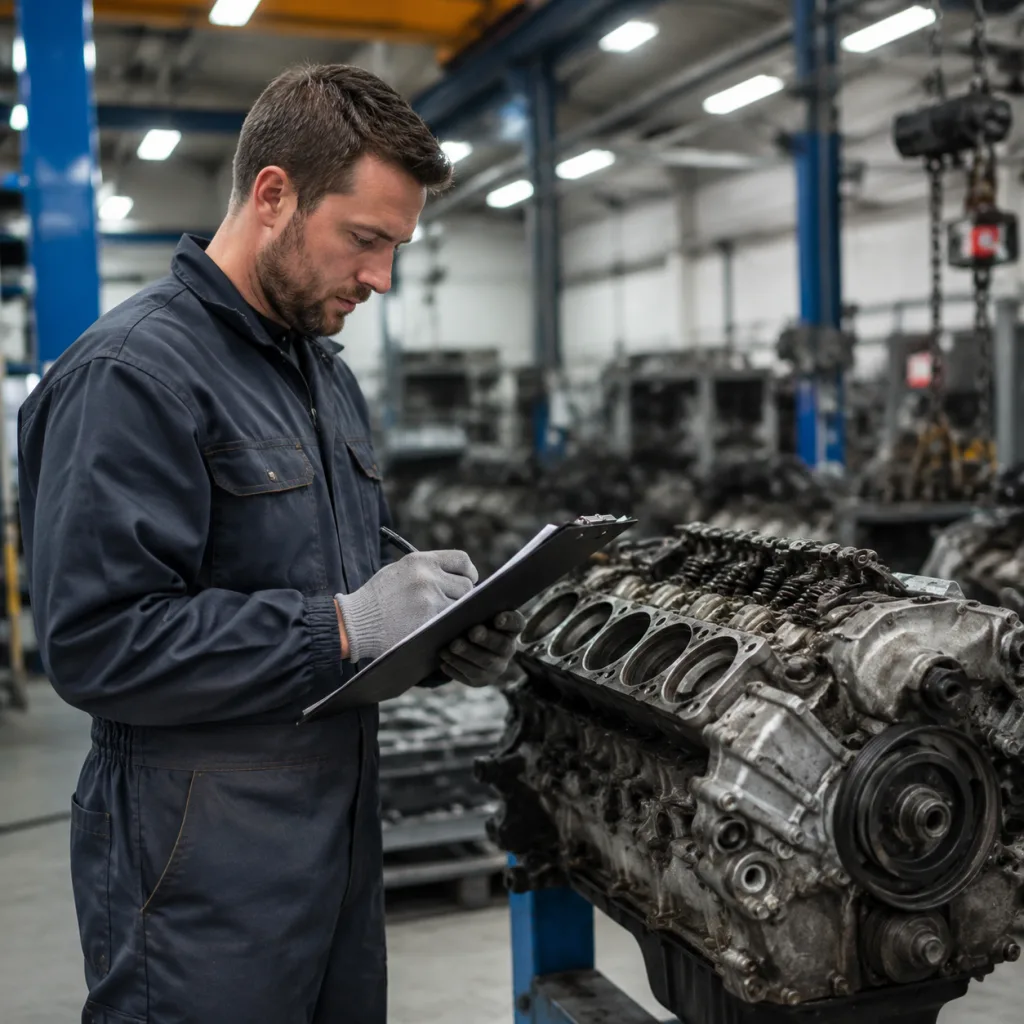
Engine knocking usually means the repair bill depends on where the noise starts, how long the engine has been run, and which hard parts are already damaged. For procurement teams, the cost question is not only labour and teardown. It also includes inspection time, machining, gasket sets, bearings, pumps, and whether the block or crankshaft can still be reused. A light bearing knock can sometimes be corrected with targeted replacement. A deep rod knock often means the engine needs major work or a complete assembly swap. Driventus is an independent aftermarket manufacturer; brand names are referenced for fitment only. This engine knocking noise repair cost guide explains the common failure paths, the parts typically replaced, and the cost drivers that matter when sourcing repair components for workshops, distributors, and fleet accounts.
Start with the sound, not the parts list
A knock is a mechanical impact sound, not a generic engine complaint. The fastest way to overspend is to order parts before the failure mode is clear.
Rod bearing wear from oil starvation, contaminated oil, or extended service intervals
Main bearing wear from low oil pressure, overheating, or excessive clearance
Piston slap from skirt wear, bore taper, or cylinder wall damage
Timing-related contact from chain stretch, guide wear, or failed tensioners
Detonation under load caused by poor fuel quality, ignition issues, or carbon buildup
A sharp knock that climbs with rpm usually points to rotating assembly wear. A hollow knock at idle can point to skirt clearance or accessory drive issues. If the engine has been run low on oil pressure, the real job often expands from one bearing set to crankshaft inspection, oil pump replacement, and a full gasket set. In other words, the first quote is a starting point, not a final number, unless measurements are already in hand.
Where the bill jumps: repair path by repair path
Repair cost changes more with damage depth than with vehicle age. Workshops usually build the final number from teardown time, machining, parts availability, and whether the engine can stay in the vehicle or must come out. The bands below are planning ranges only.
Repair path
Typical parts involved
Typical labour/machining burden
Planning range
Minor top-end correction
gaskets, tensioner, timing components
3–8 labor hours
low to medium
Bearing service
bearing shells, oil pump, seals
8–16 labor hours plus measurement
medium
Piston or bore repair
pistons, rings, pins, machining
16–30 labor hours plus machine work
medium to high
Major bottom-end rebuild
crankshaft, bearings, gasket set, pump
20–40 labor hours plus full strip
high
Engine replacement
long block or complete assembly
10–20 labor hours plus swap prep
highest
</tr></thead><tbody> </tbody></table>A useful budgeting rule is that machining and diagnostics can equal or exceed the cost of the initial repair kit on a damaged engine. A bearing-set job can stay controlled if the crank journals are within spec, but once metal contamination is found in the sump, buyers should plan for extra cleaning, flush materials, oil cooler replacement, and possibly a crankshaft recondition or replacement. For sourcing teams, the key is to approve parts only after the inspection notes include measured clearances and journal condition.
Inspection order before you approve a quote
Use a simple sequence before purchasing components so the order matches the actual failure mode and avoids returns.
1. Confirm oil level, oil pressure, recent service history, and the last oil grade used. 2. Check diagnostic trouble codes, misfire counts, and knock sensor activity. 3. Listen with a stethoscope at the valve cover, block, oil pan, front cover, and accessory drive. 4. Inspect drained oil and the filter for metallic debris, glitter, or bearing material. 5. Measure bearing clearances, journal wear, bore condition, and ring land damage. 6. Check timing system wear, especially chain stretch, guide damage, and tensioner extension.
If the noise appears only under load, detonation or pre-ignition must be ruled out before the engine is torn down. If the noise remains at idle and worsens with rpm, the rotating assembly is the priority. For fleet or multi-location repair chains, standardising this inspection checklist reduces unnecessary parts returns, shortens downtime, and improves quote accuracy. A practical rule is to hold the parts order until the teardown report includes at least oil pressure readings, bore measurements, and a clear call on reuse versus machine work.
What usually gets replaced in a knock repair
A proper repair package often includes more than the visibly failed component. Buyers should spec the kit around the failure path, not just the noise source, because related wear usually appears once the engine is opened.
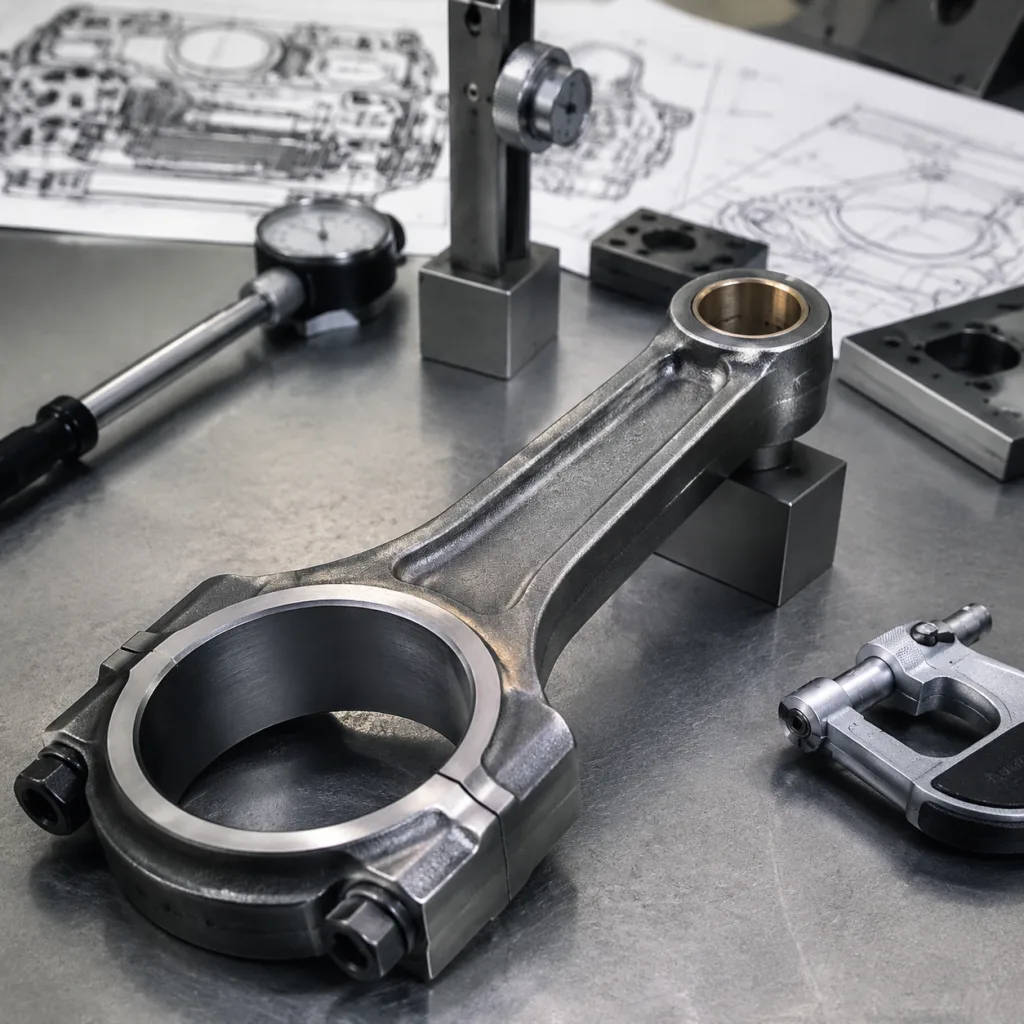
Main and rod bearing sets with matched undersizes or standard sizing as required
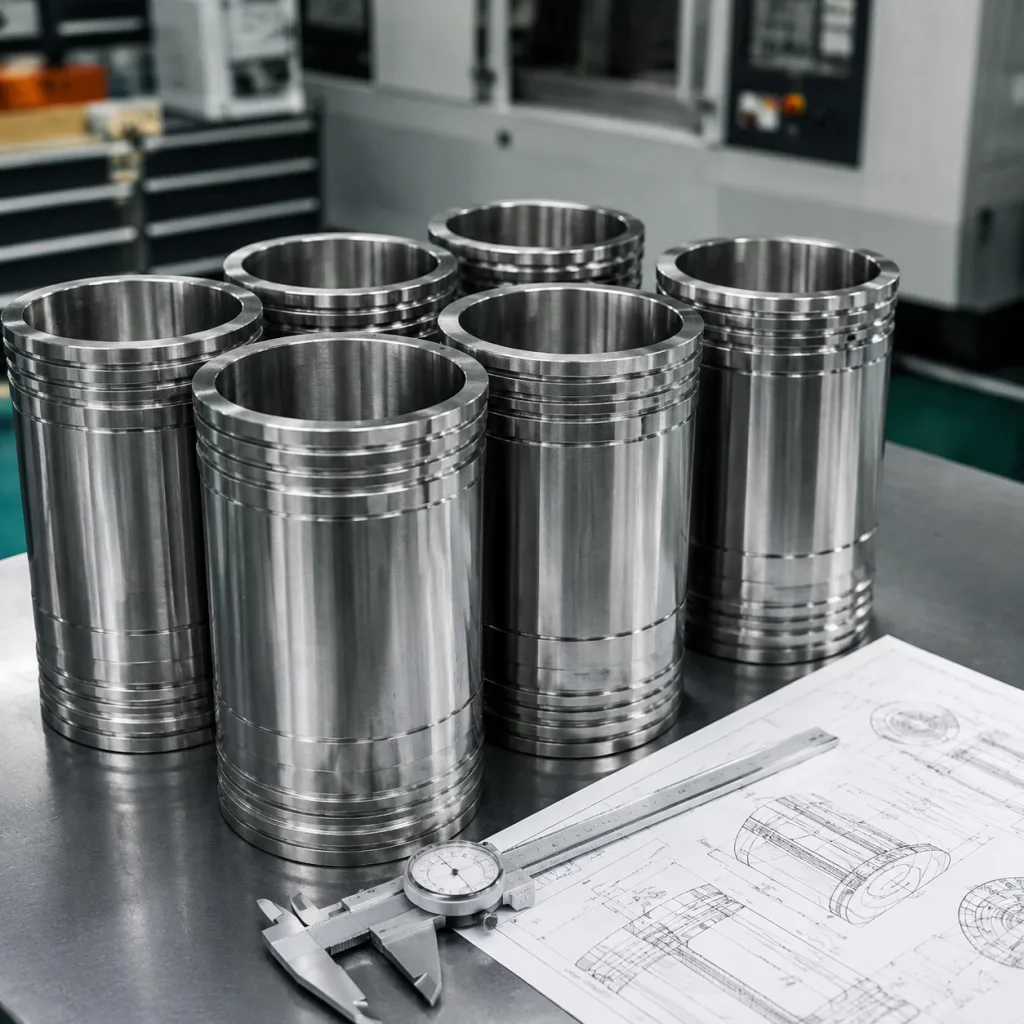
Pistons, rings, pins, and circlips when skirt wear or scoring is present
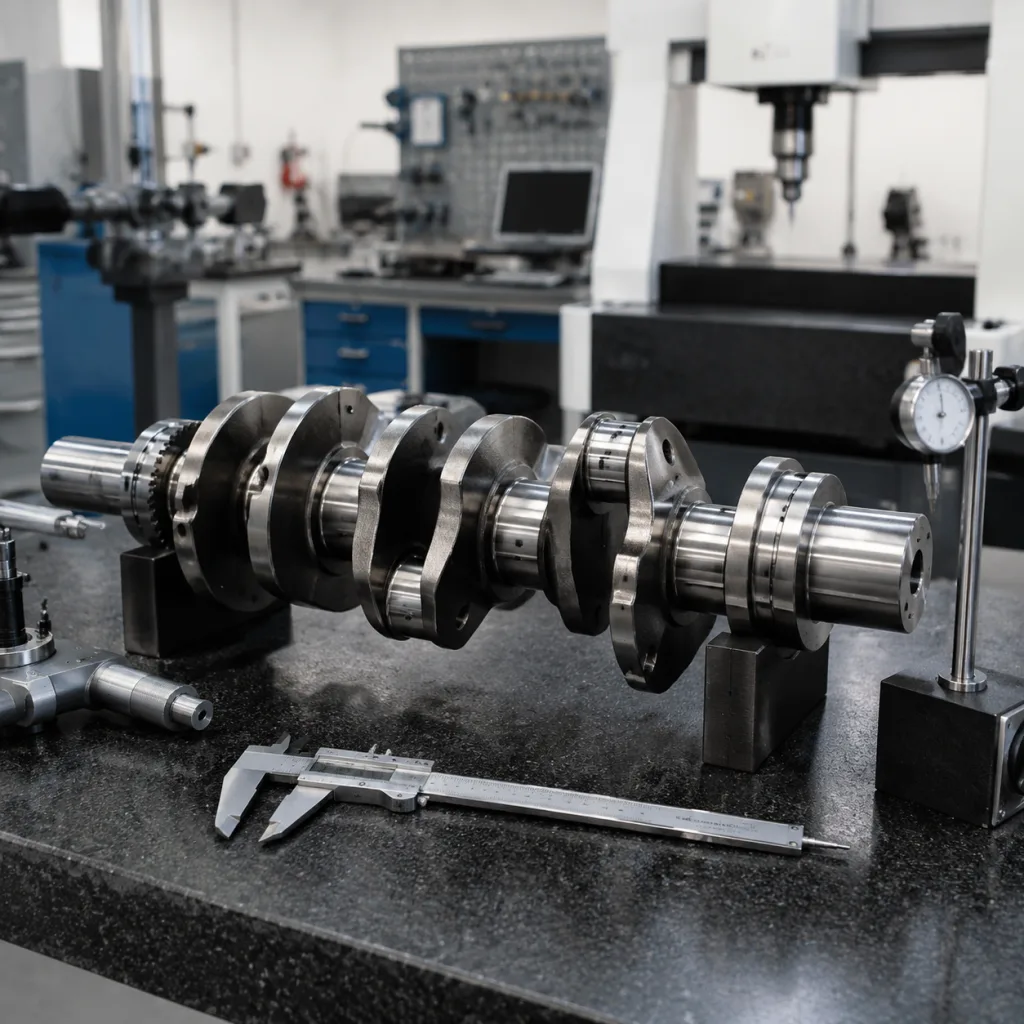
Crankshaft, if journal damage exceeds service limits or regrind is not viable
Oil pump and pressure relief components when contamination or pressure loss is confirmed
Full gasket set and seals for strip-down and reassembly
Timing chain, guides, and tensioner when front-end wear is visible
Water pump, if the front cover is already removed and the part life is uncertain
When sourcing, ask for dimensional match, material specification, and surface finish data. A buyer should confirm bore size, pin diameter, ring thickness, bearing wall thickness, and any oversize or undersize requirement before release. Typical specification checks include journal diameter to the nearest 0.01 mm, bearing clearance within the OEM service range, and surface finish suitable for ring seating and oil retention. For engine components, IATF 16949:2016 and ISO 9001:2015 certification are relevant quality controls. Where applicable, chemical compliance should align with REACH (EC) No 1907/2006. For validation programmes, buyers may also reference endurance and wear testing methods used in their own internal approval process. Driventus is an independent aftermarket manufacturer; brand names are referenced for fitment only.
Repair or replace? Use the numbers, not the noise
The decision is not only technical. It is also commercial, and the right answer depends on remaining component life, service history, and downtime cost. A repair is often justified when the block, head, and crankshaft remain within specification and the vehicle has a long remaining service life. Replacement becomes more sensible when:
The crankshaft journals are beyond regrind limits
The cylinder bores require heavy machining or oversize matching that is unavailable
Metal contamination has spread through the lubrication system and cooler circuit
Downtime cost exceeds rebuild labour and machine-shop turnaround
Parts availability is inconsistent across regions or engine families
For procurement teams, the best supplier arrangement is one that supports both paths. That means access to core engine parts, clear cross-reference data, stable lead times, and documented inspection records. A practical sourcing target is to quote both a rebuild package and a replacement package before approval, then choose the lower total installed cost after measurement. If you also source aftermarket components for multiple engine families, review our catalog and the quality system before placing volume orders. For programme-specific work, custom manufacturing can help when OE-equivalent geometry, packaging, or surface treatment is required.
How to keep knock-related sourcing under control
To keep repair cost predictable, standardise what gets quoted and what gets stocked. Buyers get better fill rates and fewer emergency purchases when the catalogue is built around recurring failure patterns rather than one-off orders. A good starter list is:
Bearing kits by engine family
Full gasket sets
Oil pumps and timing kits
Pistons and ring sets for common bore sizes
Crankshaft assemblies for high-failure applications
Set MOQ and replenishment logic around the failure rate of each engine family. Fast-moving SKUs such as gasket sets, common bearing kits, and timing kits can usually justify smaller MOQ targets and shorter lead times, while low-velocity crankshafts, oversize piston sets, and engine-specific assemblies should carry higher MOQ or make-to-order planning. A practical buyer rule is to keep a 30–60 day safety stock for the top failure parts, then order higher-value assemblies only against forecast or confirmed repair jobs. This reduces incomplete repair packs and emergency freight. It also helps with OE part-number cross-references such as OE 06A107065 when fitment data already exists in your catalogue structure. When a vehicle is down, the fastest route is usually to confirm the failure mode, match the part family, and release the order only after measurement data is signed off. If you need pricing, documentation, sample review, or lead-time confirmation, use request a quote.
Frequently asked questions
It depends on the failure depth. Minor timing or top-end repairs can stay in a lower budget band, while bearing damage, crankshaft work, or a full rebuild quickly raises cost. Labour and machining often exceed the price of the parts themselves, especially when the engine needs cleaning, measurement, and reassembly after contamination.
Yes, if the damage is limited to bearings, timing parts, pistons, or oil system components. If the crankshaft, bores, or block are heavily damaged, replacement may be more economical. The deciding factor is usually measured wear against service limits, not the sound alone.
Confirm the engine code, measured clearances, journal condition, bore size, and timing system wear. Also verify whether standard, undersize, or oversize parts are needed, and check MOQ, lead time, and packaging requirements before release. That reduces incorrect orders and avoids partial repairs that fail early.
If you are planning a repair programme or need fitment support for a specific engine family, contact Driventus for sourcing help and documentation at /contact.html.