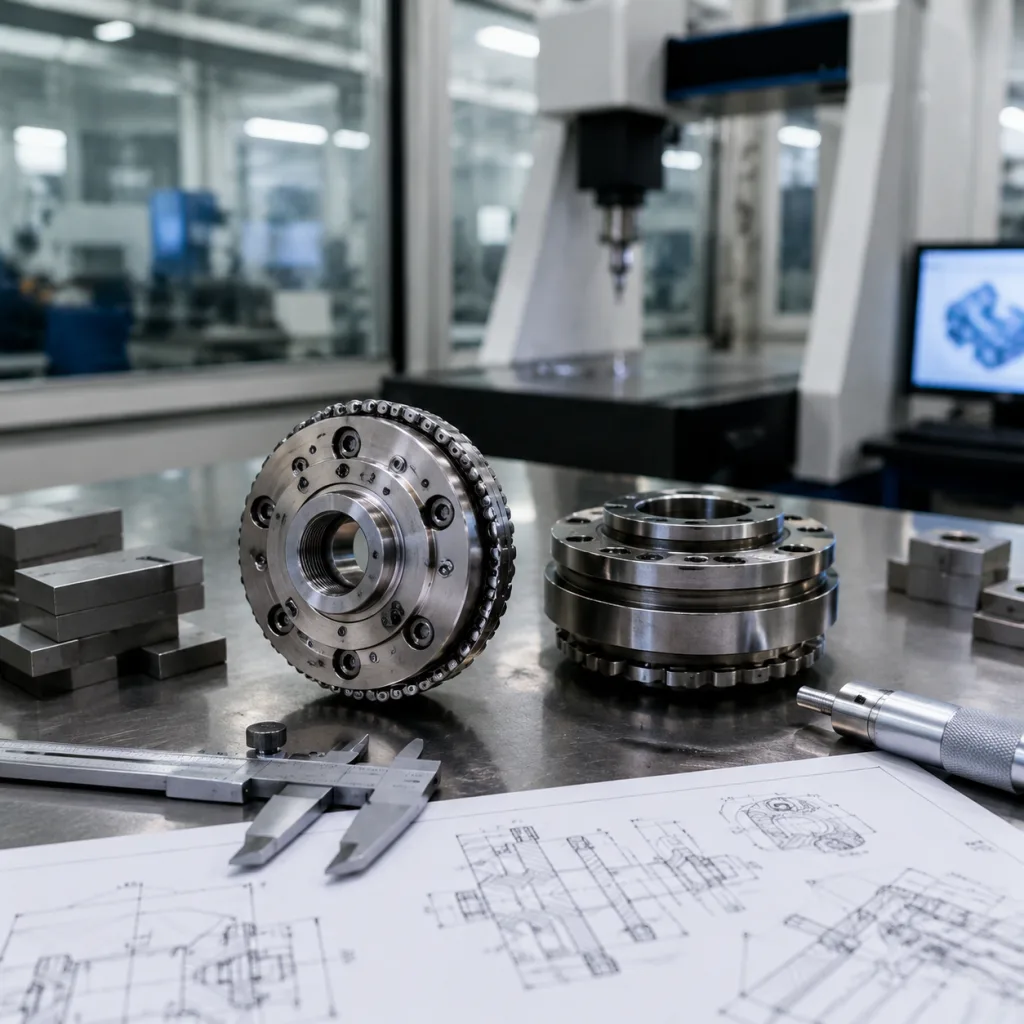
Cylinder Liner Kia Supplier: Sourcing Guide for Buyers
When buyers search for a cylinder liner Kia supplier, they usually need two things at once: fitment confidence and a dependable supply plan. The real question is not just whether the liner matches the engine family, but whether the factory can hold dimensions, repeat quality, and support reorders without drift. Driventus supplies engine and powertrain parts from Taizhou, Zhejiang, with production aligned to IATF 16949:2016 and ISO 9001:2015. Driventus is an independent aftermarket manufacturer; brand names are referenced for fitment only. For Kia applications, cylinder liner geometry, surface finish, and material quality must all suit the cylinder block and the intended duty cycle. Buyers should review material grade, bore tolerance, MOQ, lead time, and inspection records before placing orders. The same discipline applies whether the channel is aftermarket distribution, OEM supply, or a multi-location repair network.
How to qualify fitment without guesswork
Start with the engine code, bore size, liner type, and installation method. For Kia applications, confirm piston diameter, installed clearance, deck height, and whether the block uses a dry or wet liner. Those details affect machining, press fit, and service life. A nominal bore match is not enough if the liner needs a 0.03–0.06 mm interference fit in the block but the replacement part was machined for a different seat condition.
Minimum purchase checks
Engine family and displacement
Dry or wet liner construction
Finished bore diameter and wall thickness
Overall length, flange height, and seat dimensions
Material specification and heat treatment
Packaging and corrosion protection
A practical RFQ should include the engine code, old part photos, measured OD and ID values, liner count per engine, and the acceptable replacement tolerance band. If the part will be supplied into multiple markets, confirm whether the shipment needs REACH (EC) No 1907/2006 documentation for material declarations and whether your customer requires country-specific traceability records. That helps avoid delays at receiving and in downstream warehousing.
Where liner specs usually pass, then fail
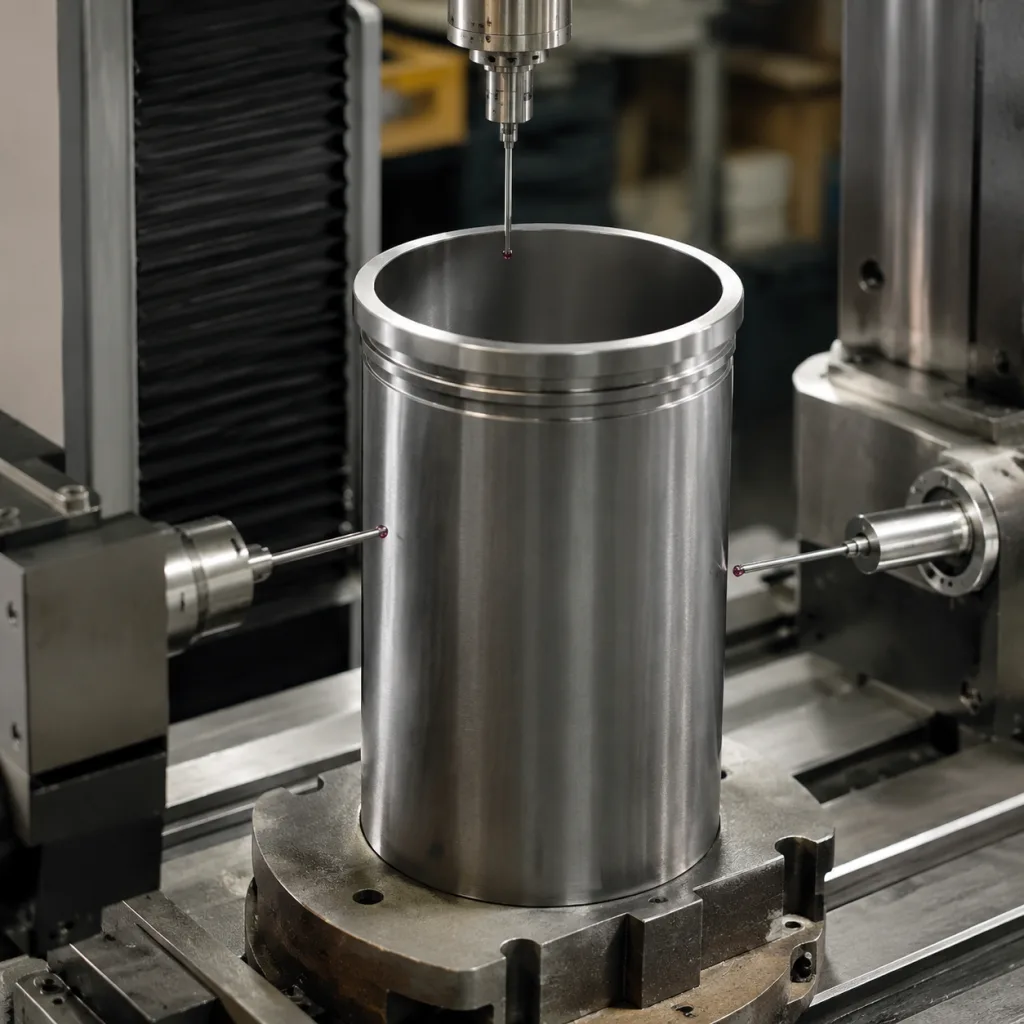
Cylinder liners often clear a quick screen on nominal size and still fail sourcing review because the tolerances are not controlled. Buyers should ask for a dimensional report on the first article and on each production lot. A reliable cylinder liner Kia supplier should be able to provide this without delay.
Spec item
Typical buyer target
What to confirm
Why it matters
Bore diameter
As specified by engine code, often within ±0.01 to ±0.03 mm after finish honing
Nominal size and tolerance band
Controls piston clearance
Roundness and taper
Commonly held to 0.005–0.015 mm depending on application
Measured after finish machining
Affects compression and wear
Wall thickness
Minimum and average values on the inspection report
Minimum and average values
Influences heat transfer and strength
Flange height
Typically checked within ±0.02 mm if applicable
If applicable
Sets deck location
Surface finish
Often specified as Ra 0.2–0.8 μm depending on ring package
Honing or finish requirement
Supports ring seating
Material
Cast iron grade or alloy spec, with heat-treatment record
Cast iron grade or alloy spec
Drives wear resistance
</tr></thead><tbody> </tbody></table>For validation, many buyers also request hardness data, microstructure checks, and visual inspection criteria. Typical acceptance requests include HRC or HB ranges on the drawing, plus no-crack and no-porosity limits at the bore and flange. Where test programmes are needed for export programmes or endurance screening, ask whether the supplier can support SAE J2527-style durability exposure on associated assemblies, or equivalent customer-defined testing.
What a supplier should disclose on capacity
A sourcing decision should rest on supply capacity, not just part quality. For repeat programmes, ask for the standard MOQ by part number, tooling status, and typical production lead time. If the order covers multiple Kia engine variants, split demand by annual volume and forecast horizon before issuing the RFQ.
A disciplined factory should disclose:
Standard MOQ per liner type
Sample and production lead times
Packing method for sea freight and air freight
Traceability system by batch or heat number
Change-control process for raw material or process updates
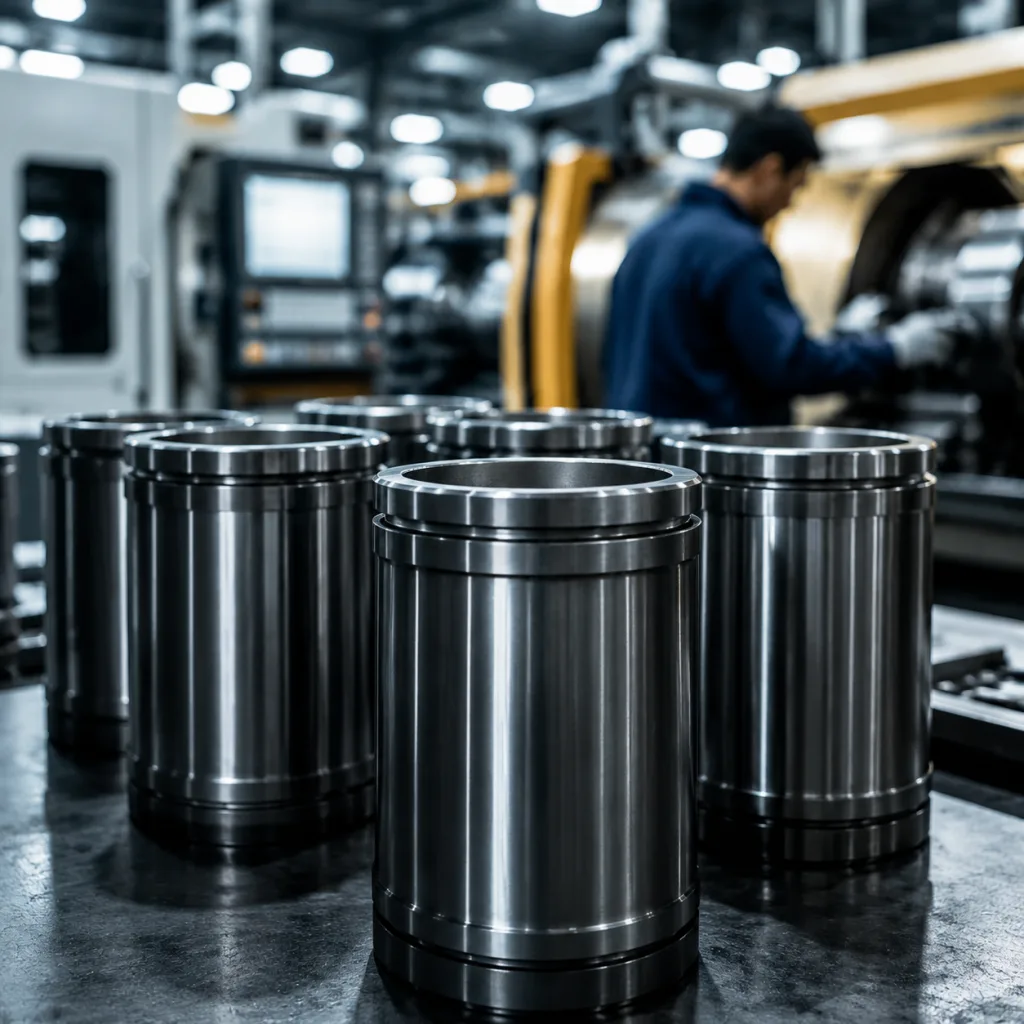
In practical terms, prototype samples are often available in 7–15 days when the drawing is already frozen, while mass-production lead time commonly sits around 25–35 days after sample approval, depending on machining load and material availability. MOQ is usually driven by tooling, packing, and furnace batch economics: a small standard part may be workable from 100–300 pieces per SKU, while mixed vehicle programs often require 300–1,000 pieces to reach stable pricing. Buyers should expect better unit pricing at higher quantities, but only if the forecast is credible and the part number is locked. For imported programmes, consistency matters more than single-lot pricing. A supplier with IATF 16949:2016 and ISO 9001:2015 can usually show controlled incoming inspection, in-process gauging, and final release records. That makes it easier to qualify the part for distributors and repair chains that need repeatable stock rotation.
Which quality records to demand before PO
Before approval, ask for the same documents you would expect in a formal sourcing review. The goal is to reduce risk before the first shipment lands.
Request these records
Material certificate or mill traceability
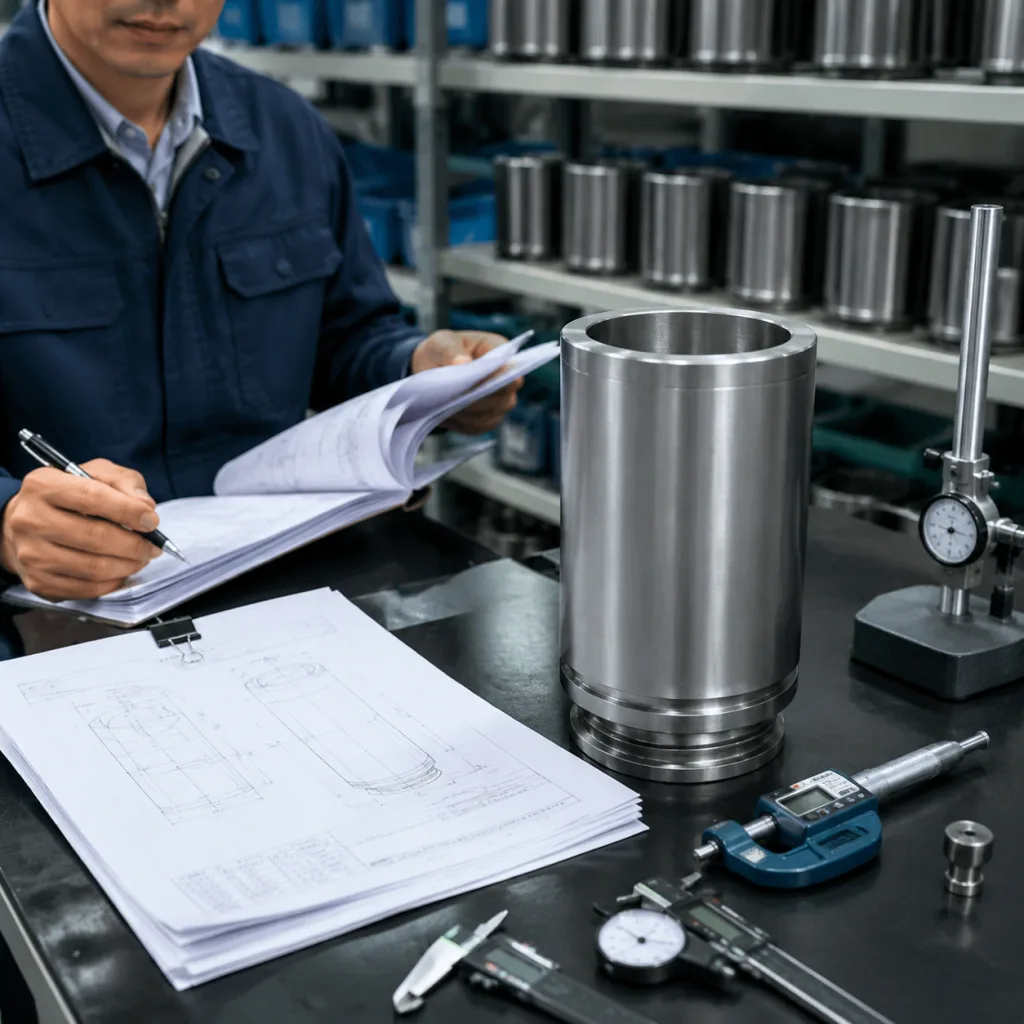
Dimensional inspection report
Hardness test results
Sample approval photos and packaging photos
Nonconformance and corrective-action process
Certificate of compliance to the agreed specification
For tighter control, require first-article approval against the agreed drawing, then lot-by-lot inspection with at least critical dimensions recorded on every shipment. If you need stricter gating, specify AQL levels for visual defects and set measurable limits for bore, OD, flange height, and surface finish, with rejection criteria written into the purchase order. You can review Driventus’s quality system and confirm how production controls are organised for export programmes. For broader part coverage, see our catalog or engine components if you are consolidating piston, gasket, pump, and liner buys under one supplier list. If a specific Kia engine variant is not standard, custom manufacturing can align dimensions, material, and packaging to buyer requirements.
How procurement terms change landed cost
The right supplier relationship is built on clear commercial terms. For cylinder liner programmes, define payment terms, forecast review cadence, packing specification, and the action plan for urgent replenishment. This matters especially for distributors serving repair channels, where stock-outs are costly.
A good RFQ should include:
Annual volume estimate and split by part number
Target delivery window and port of entry
Label format and carton quantity
Required documents for customs and receiving
Incoterms preference
Ask for a tiered price structure tied to annual quantity, plus a validity window for the quote so material swings do not distort the deal. You may want one price at 300 pieces, a lower step at 1,000 pieces, and a separate price for repeat orders over 3,000 pieces, with 30-day or 60-day validity depending on the market. Freight terms should be quoted separately from product cost so sea freight, air freight, and urgent replenishment can be compared on a true landed-cost basis. Driventus supports B2B supply into aftermarket and OEM-adjacent channels, with export experience across more than 60 countries. If you need a first quote, use request a quote and include engine code, sample photos, measured dimensions, target annual volume, and your acceptable lead time. That shortens the review cycle and reduces back-and-forth on fitment.
Frequently asked questions
Start with the engine code, bore size, liner style, and flange or seat dimensions. Ask for a dimensional drawing, then compare the sample to the OE reference or a validated cross-reference before ordering. If possible, verify installed interference, bore finish, and liner height against the block specification before approving production.
Request a material certificate, dimensional inspection report, hardness data, packaging photos, and a certificate of compliance. For EU-bound shipments, also confirm REACH (EC) No 1907/2006 documentation where needed. For controlled sourcing, add lot traceability, first-article approval, and nonconformance handling records.
Yes, where the project justifies it. Provide the sample, target dimensions, annual volume, and required tolerance band, then use the custom manufacturing process to review feasibility and lead time. If the part is new to your program, include the desired MOQ, target landed cost, and sample approval timeline so the quotation can be aligned to your buying plan.
If you are shortlisting a cylinder liner Kia supplier, send your engine code, dimensions, and forecast for a fast review. Start here: /contact.html