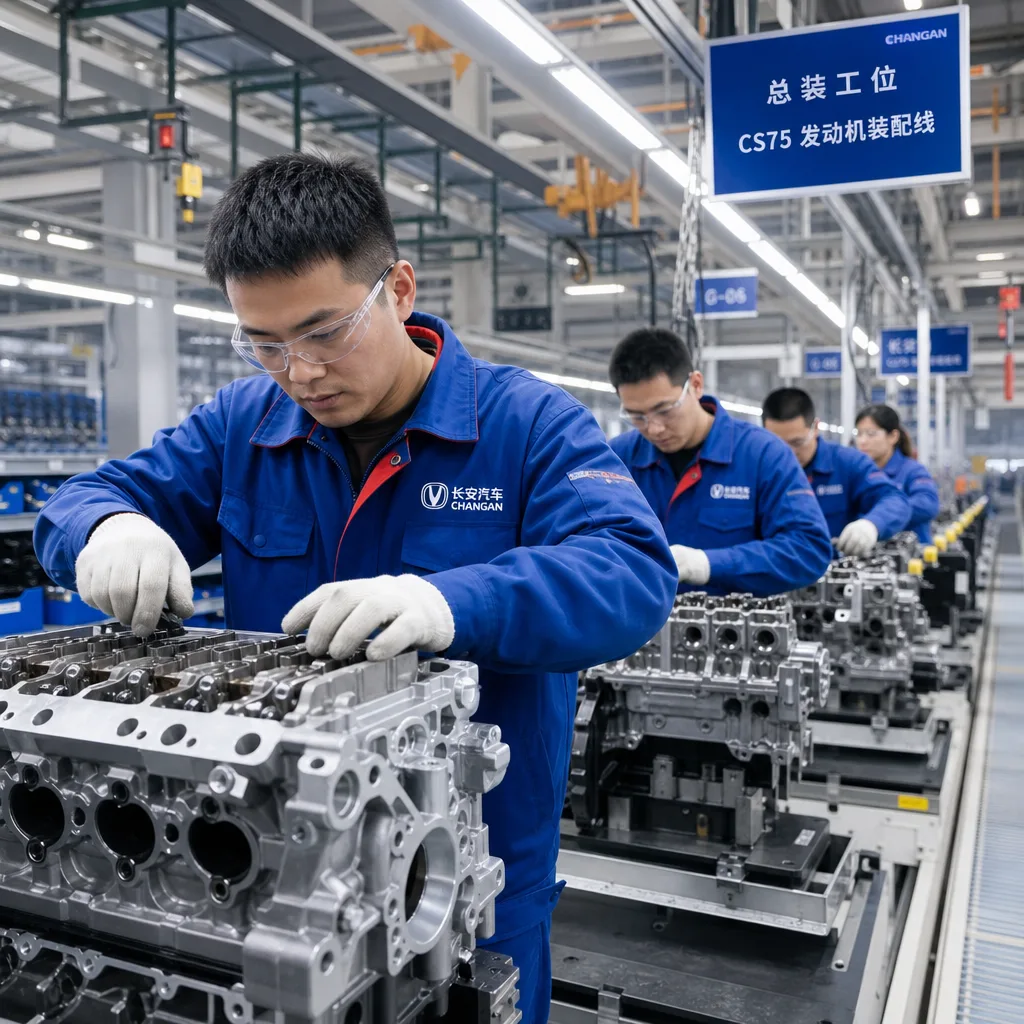
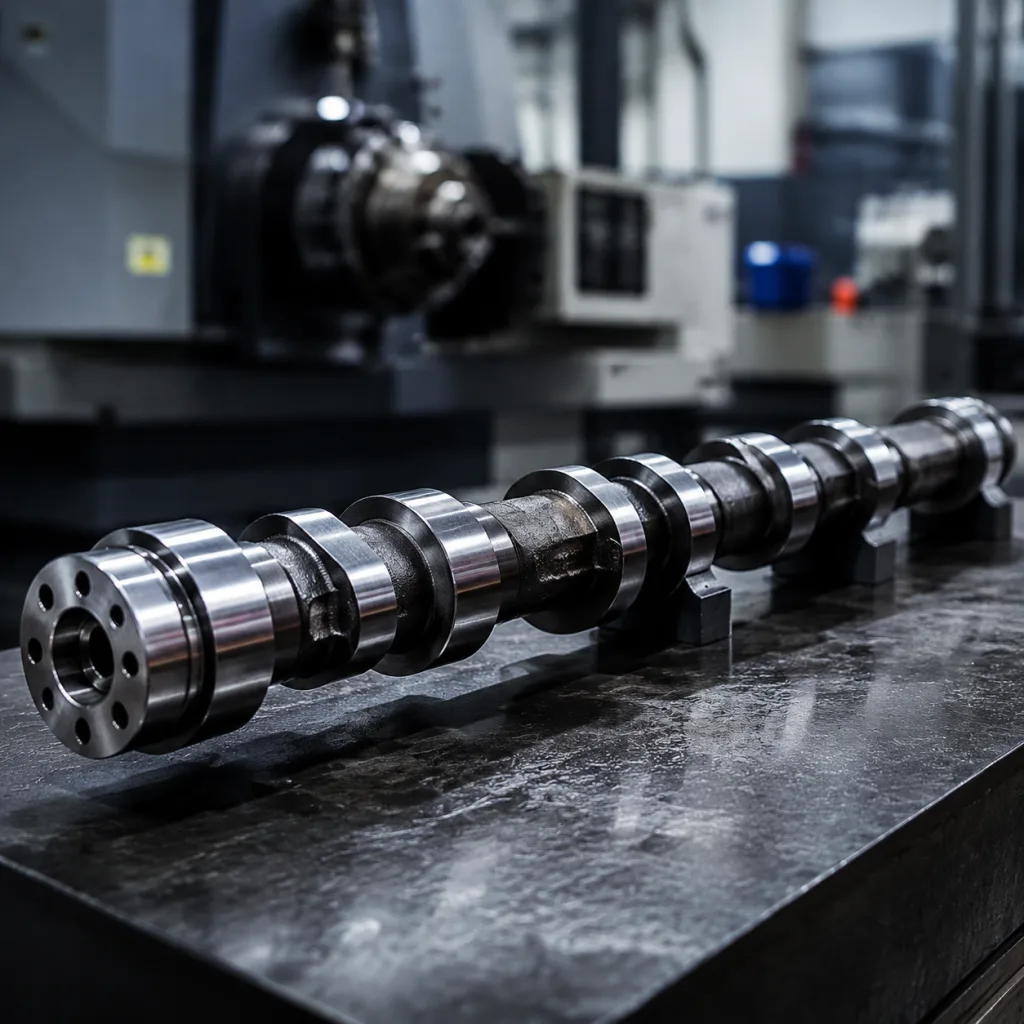
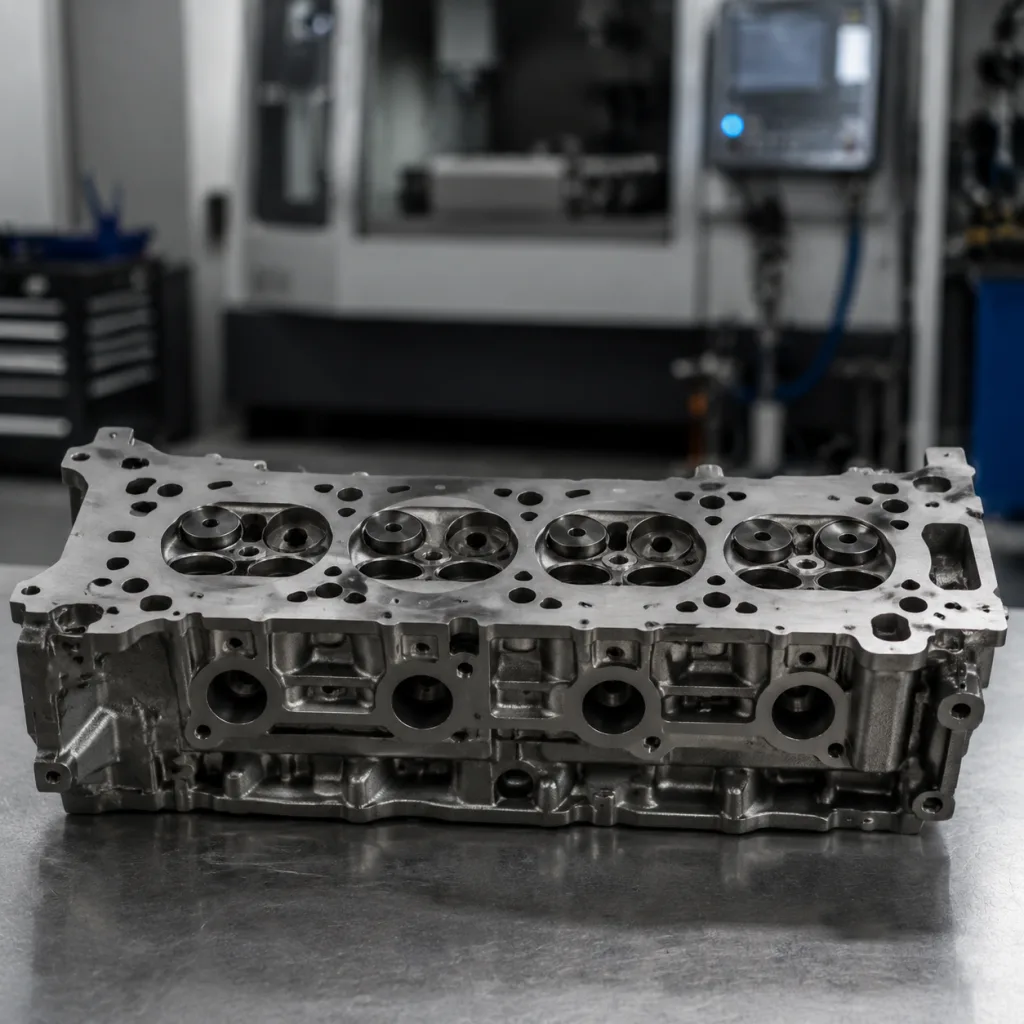
Engine block sourcing for Vauxhall applications is a technical procurement decision, not a simple price comparison. Buyers need dimensional consistency, stable casting quality, traceable machining records and predictable export lead times. For wholesalers and repair chains, the commercial risk is usually caused by mixed fitment, coolant-jacket defects, deck-face variation, thread damage or incomplete documentation at customs. Driventus manufactures engine and powertrain components in Taizhou, Zhejiang, with supply programmes for aftermarket distributors, OEM/Tier-1 customers and multi-location repair networks in Europe, the UK, North America, Australia and Brazil. This guide explains how to evaluate engine block Vauxhall wholesale supply from an independent Chinese manufacturer, including specifications to request, factory audit points, MOQ planning and quality documentation. Driventus is an independent aftermarket manufacturer; brand names are referenced for fitment only.
Wholesale fitment scope and buyer use cases
Vauxhall passenger and light commercial vehicle applications can involve several engine families across petrol and diesel platforms. A wholesale buyer should avoid ordering by model name alone. Procurement teams should consolidate demand by engine code, bore family, deck height, main bearing layout, oil gallery design and ancillary mounting points.
For initial sourcing, share the target application list, annual volume, destination markets and any OE part-number cross-references available in the format used by your internal ERP. If your list includes references such as OE 06A… or OE 11251…, Driventus can map these against drawing data, sample measurements and fitment notes without claiming vehicle manufacturer approval.
Typical wholesale buyer groups include:
Aftermarket distributors building regional engine component inventory
Engine rebuilders requiring repeatable bare blocks or semi-machined blocks
Repair chains standardising parts across multiple branches
Importers combining engine blocks with pistons, gaskets, crankshafts and water pumps
OEM or Tier-1 sourcing teams evaluating private-label or service-part programmes
Technical specification data to request before pricing
A serious quotation should be based on measurable data. Engine block price varies according to alloy or cast iron grade, casting complexity, machining scope, inspection level, packaging type and order volume. For Vauxhall-related applications, buyers should define whether they need bare castings, fully machined blocks, short-block-ready supply or kits packed with related components.
Specification item
What procurement should confirm
Why it matters
Material
Cast iron or aluminium alloy grade, heat treatment where applicable
Controls strength, thermal behaviour and machining stability
Cylinder bore
Nominal bore, oversize policy and roundness tolerance
Affects piston-ring sealing and oil consumption risk
Deck face
Flatness, surface finish and minimum machining allowance
Reduces head gasket failure risk
Main bearing tunnel
Diameter, alignment and cap matching method
Controls crankshaft oil clearance and NVH performance
Threaded holes
Gauge checks for head bolts, mounts and accessories
Prevents assembly delays at rebuilder level
Oil and coolant galleries
Pressure test method and cleaning process
Reduces leakage and contamination claims
Marking
Batch code, part reference and traceability method
Supports recall control and warranty analysis
</tr></thead><tbody> </tbody></table>For controlled programmes, Driventus can support dimensional reports, material certificates and batch traceability through its quality system. Certification should be verified by current copies of IATF 16949:2016 and ISO 9001:2015 certificates, including scope and site address.
MOQ, lead time and export planning
Engine blocks are heavier and more space-intensive than smaller engine components. MOQ planning should consider casting batch size, machining fixture capacity, crate utilisation and destination import costs. A low unit price can become uneconomic if packaging density, port charges or after-sales sorting costs are not controlled.
For engine block Vauxhall wholesale programmes, Driventus typically structures supply around forecasted monthly demand rather than one-off spot orders. This allows casting, machining and inspection capacity to be reserved and reduces variation between batches.
Key commercial planning points:
MOQ: confirm by part number family, material type and machining status
Sample order: use for fitment confirmation, dimensional checks and packaging review
Production lead time: confirm from approved sample and deposit, not from first enquiry
Shipping mode: sea freight for volume, air freight only for urgent validation samples
Documentation: commercial invoice, packing list, certificate of origin where needed and test records agreed in advance
For EU and UK importers, material and surface-treatment compliance should be reviewed against REACH (EC) No 1907/2006 where applicable. For Brazil, Canada, Australia and the US, confirm local customs coding, duty exposure and any market-specific labelling requirements before shipment.
Factory audit points for wholesale engine blocks
A factory audit should focus on process control, not only finished-part appearance. Engine blocks carry high warranty exposure because defects may not appear until assembly or road use. Procurement teams should review casting, heat treatment, machining, cleaning, inspection, storage and packaging as one connected process.
Suggested audit checklist:
Incoming raw material verification and supplier approval records
Pattern, core box and tooling maintenance logs
Casting defect controls for porosity, shrinkage and sand inclusion
CNC machining process capability for decks, bores and bearing tunnels
Gauge calibration records linked to ISO 9001:2015 requirements
Pressure testing for coolant and oil galleries
Cleaning validation to control machining chips and abrasive residue
Non-conforming product segregation and corrective action records
Batch traceability from casting heat to final packing
Export packaging drop, moisture and corrosion protection practices
Driventus supports buyer audits, remote document review and sample-based validation for engine block projects. For buyers requiring private drawings, modified castings or regional fitment variants, custom manufacturing can be discussed under appropriate technical and commercial controls.
Quality controls that reduce distributor warranty risk
Engine block defects create high downstream costs: removal labour, replacement components, vehicle downtime and branch-level disputes. A wholesale supply programme should therefore define acceptance criteria before mass production. The inspection plan should be practical enough for repeat use and strict enough to detect defects that matter in assembly.
Common controls include:
Visual inspection for cracks, casting laps, damaged machined faces and missing plugs
Coordinate measuring machine checks for critical datums on approved control plans
Bore diameter, taper and out-of-round measurement at defined heights
Deck flatness and surface roughness measurement for gasket compatibility
Main bearing tunnel alignment and cap torque procedure verification
Oil gallery and coolant gallery pressure testing
Thread gauge verification for high-risk threaded holes
Cleanliness checks after washing and drying
Salt-spray or corrosion-protection review where coated surfaces are specified
Vehicle emissions regulations such as ECE R-83 relate to vehicle-level emissions performance, not direct approval of an individual aftermarket engine block. Driventus does not claim approval or endorsement by any vehicle manufacturer. Instead, the procurement basis is dimensional conformity, material control, process capability and agreed validation records.
How to prepare an RFQ for faster quotation
A complete RFQ reduces engineering back-and-forth and improves quotation accuracy. Buyers looking for engine block Vauxhall wholesale supply should send structured data rather than only a vehicle list. Where drawings are unavailable, a sample part and measurement report can be used to establish the specification.
Include the following in your RFQ:
Target engine code or application range
Required quantity per shipment and annual forecast
Bare casting, semi-machined or fully machined requirement
Material and coating requirements, if specified
Known OE cross-reference style, for example OE 06A… or OE 11251… where already used in your system
Destination country and preferred Incoterms
Packaging requirements for pallets, crates, labels and barcodes
Required documents: PPAP elements, inspection report, material certificate or batch traceability
Target sample schedule and planned launch date
Warranty return procedure and defect reporting format
After receiving the RFQ, Driventus can confirm feasibility, tooling status, sample timing, MOQ and commercial terms. Buyers can request a quote with application data, photos, drawings or existing supplier references.
Frequently asked questions
Yes. Private-label packaging and buyer-specific references can be discussed for approved wholesale programmes. The technical specification, MOQ, inspection plan and labelling requirements must be agreed before production.
Depending on the order scope, Driventus can provide commercial documents, packing lists, inspection reports, material certificates and batch traceability records. Certification copies for IATF 16949:2016 and ISO 9001:2015 can be reviewed through the quality documentation process.
No. Driventus is an independent aftermarket manufacturer; brand names are referenced for fitment only. Supply is based on agreed drawings, samples, dimensional checks, material control and inspection records, not vehicle manufacturer endorsement.
If you are comparing wholesale supply options for Vauxhall-fit engine blocks, send your application list, forecast volume and documentation requirements. Driventus will review feasibility and respond with sourcing options at /contact.html