engine block · 2026-06-03

Engine Block Peugeot Supplier: Sourcing, Quality, Lead Time

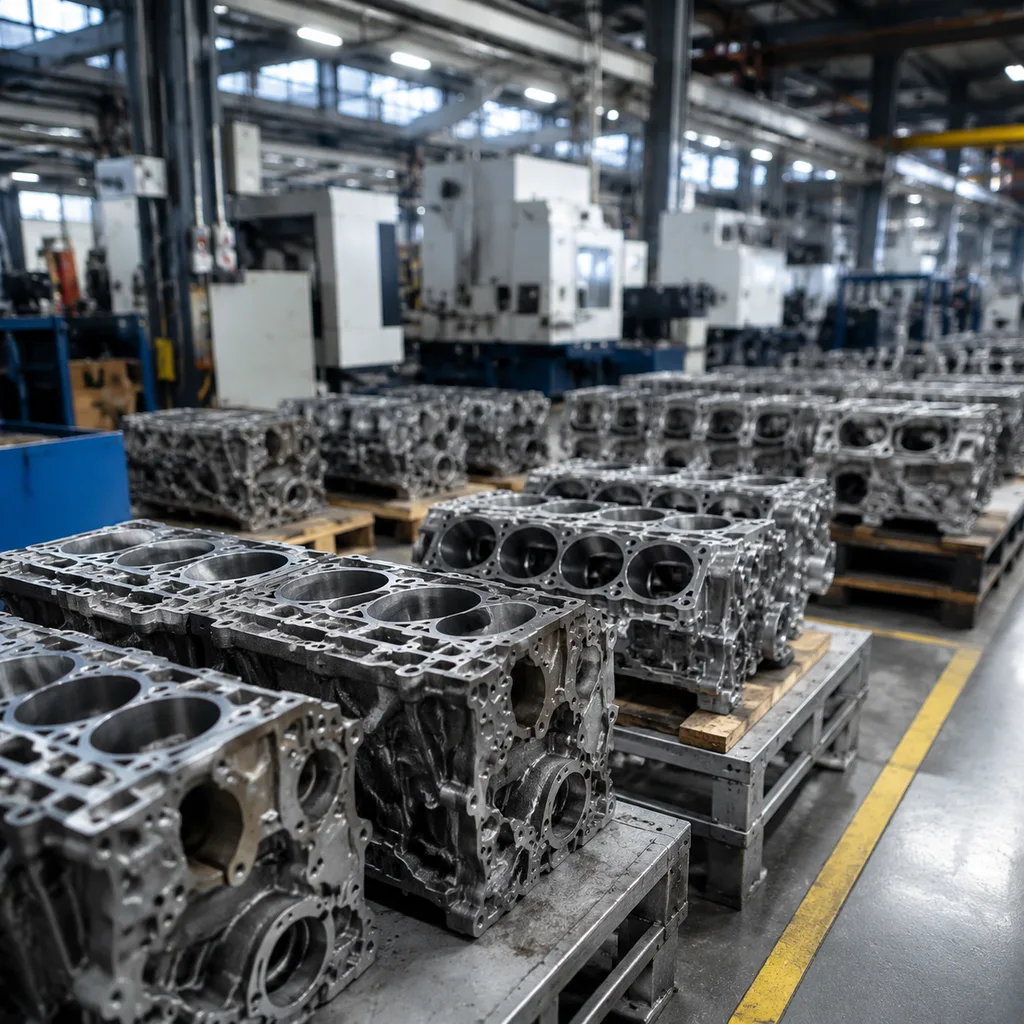
Choosing an engine block Peugeot supplier is a technical sourcing decision, not a simple comparison of unit prices. Before offers can be judged fairly, procurement teams need to confirm the casting family, bore and deck geometry, main bearing tunnel specification, machining level, inspection method, cleanliness requirement, and export documentation. If a quotation does not clearly state whether the unit is a bare casting, semi-machined block, or finish-machined block, the buyer may inherit extra machining cost, inspection responsibility, lead-time risk, and warranty exposure.

Driventus supplies B2B buyers that need export-ready lead times, batch traceability, and factory-controlled machining for replacement programmes, distributor stock, repair-chain supply, and private label distribution. Driventus is an independent aftermarket manufacturer; Peugeot and other brand names are referenced for fitment identification only. This article explains what procurement teams should specify, how to assess quality, which documents to request, and how to plan lead time before issuing a purchase order. For repeat programmes, the strongest supplier checks are dimensional data, material control, lot-level inspection records, cleaning and corrosion-protection procedures, and audit-ready processes aligned with IATF 16949:2016 and ISO 9001:2015.

What buyers should define before requesting a quote

Purchasing a Peugeot engine block is far more predictable when the technical and commercial scope is settled before price negotiation begins. Buyers should define the engine family, cylinder count, casting material, machining status, target vehicle or engine application, and whether the part is intended for new assembly, remanufacturing, repair stock, or aftermarket distribution. In repeat programmes, the common failure is not simply a high quote. It is an incomplete quote, where one side assumes a raw casting with machining allowance and the other expects a finish-machined, washed, inspected, plugged, and export-packed block.

Start with identifiers that remove fitment ambiguity. Share the OE reference if available, engine code, casting number, sample photos, critical dimensions, and any known differences between regional variants. Where drawings are available, mark the controlled characteristics instead of sending an unprioritized drawing package. Bore diameter and spacing, deck height, main bearing bore diameter and alignment, oil gallery layout, coolant jacket configuration, dowel locations, threaded-hole specification, and plug-seat geometry should all be confirmed before production planning begins.

The purchasing format matters too. A distributor may need individual cartons with SKU labels, barcode traceability, desiccant, and pallet-level batch references. A remanufacturing operation may prefer palletized bulk packing with machined-face protection and clear lot tags. Repair-chain supply may require mixed-SKU consolidation, forecast-based replenishment, and carton labels that match internal receiving systems. If the part is sold under a private label, define permitted markings, neutral packaging, instruction inserts, label artwork, barcode format, and documentation language during quotation rather than after production.

Use a written specification and attach drawings, sample photos, target annual volume, destination market, and expected reorder rhythm. The same process works whether you buy through our catalog or request a dedicated programme through custom manufacturing. A complete RFQ helps an engine block Peugeot supplier quote the correct casting route, machining scope, inspection level, cleaning method, packing method, and lead time, instead of issuing a price that has to be rebuilt later.

Technical specification checklist for Peugeot engine blocks

A procurement-ready checklist should cover the geometry, material, machining, cleanliness, and protection details that affect assembly, sealing, oil control, coolant flow, NVH, and long-term durability. A visual match is not enough for an engine block. Small dimensional differences can cause crankshaft misalignment, head-gasket leakage, coolant seepage, poor compression, oil-pressure loss, or time-consuming rework during assembly.

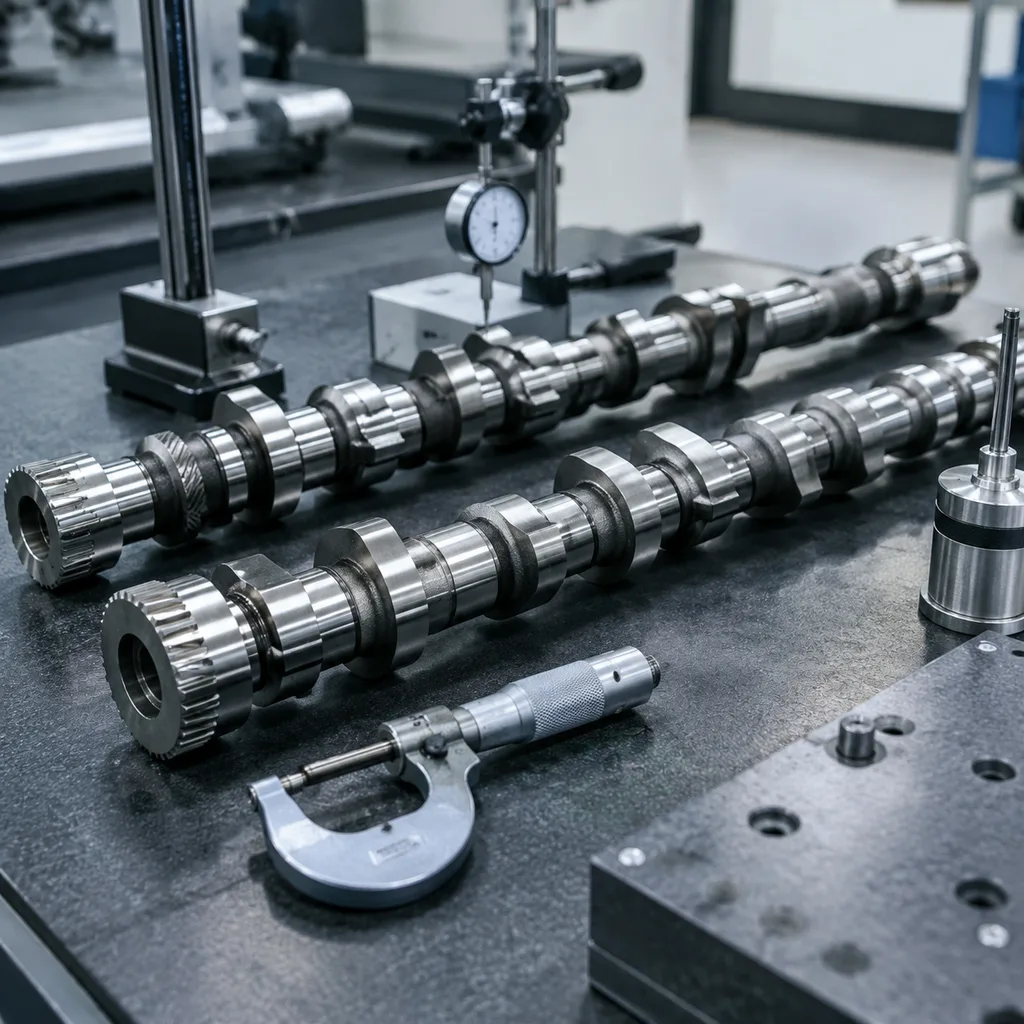
</tr></thead><tbody> </tbody></table>For replacement programmes, ask for measured data rather than only a pass/fail statement. The dimensional report should identify the inspection lot, measurement equipment, calibration status, inspection date, sample size, and controlled characteristics. For a finish-machined block, buyers should expect detailed records for bore geometry, deck flatness, main bearing tunnel alignment, gasket surfaces, threaded features, plug seats, and leak-related areas. For a bare or rough-machined casting, the inspection focus may sit more heavily on material, casting integrity, datum geometry, wall-section checks where required, and machining allowance.

A capable supplier should also state what happens after machining: deburring, high-pressure or ultrasonic washing where specified, drying, oil-gallery cleaning, anti-rust treatment, plugging, inspection marking, and protective packing. These details are easy to miss in the quotation, yet they strongly influence incoming quality at the buyer's warehouse, machine shop, or assembly site.

Quality controls and compliance

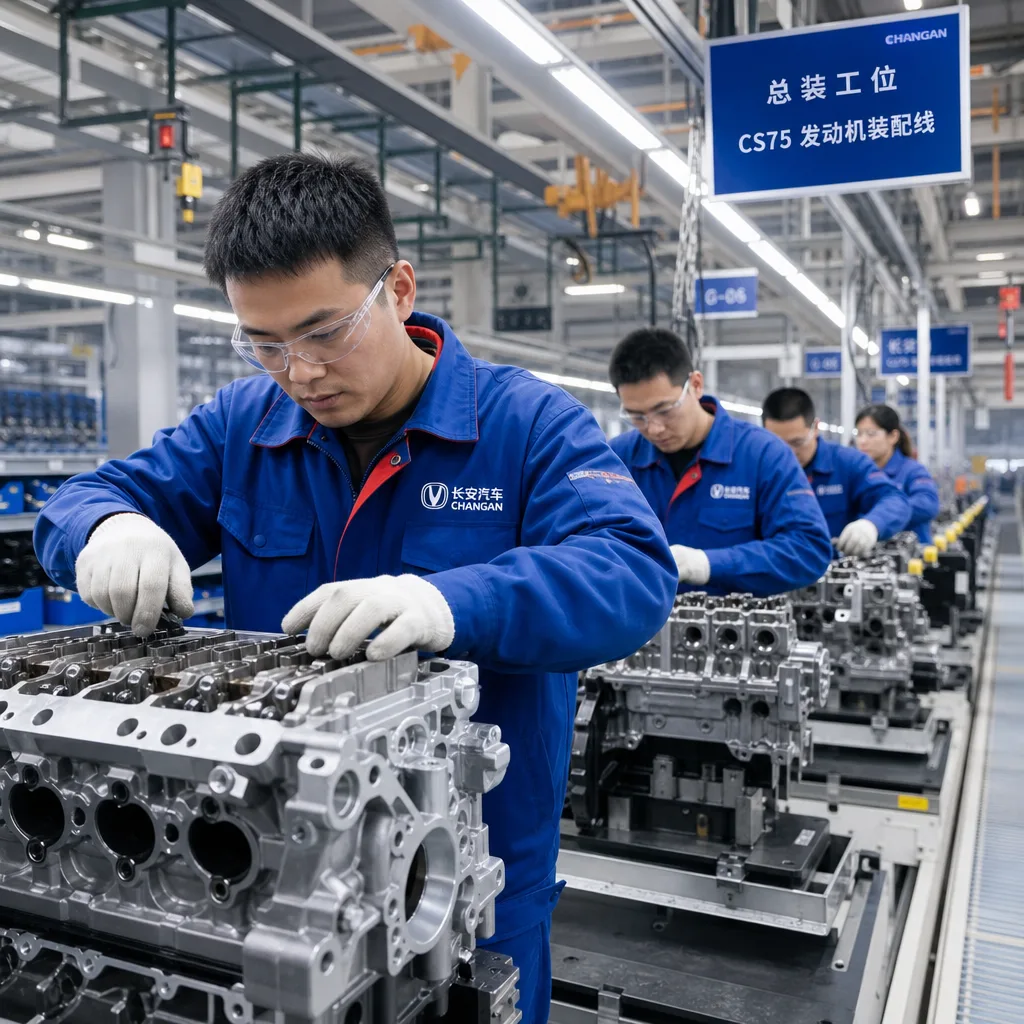
A credible engine block Peugeot supplier should be able to demonstrate process control from incoming material and casting release through machining, cleaning, inspection, packing, and shipment. For B2B export, the baseline expectation is batch traceability, gauge calibration records, material certificates, in-process inspection records, final dimensional reports, and nonconformity records tied to lot numbers. Driventus aligns production with IATF 16949:2016 and ISO 9001:2015, and documentation can be structured for customer audits, distributor approval files, and repair-network onboarding.

Quality control should begin before machining. Incoming castings should be checked for identification, material declaration, visible casting defects, critical wall sections where applicable, core-shift risk, datum condition, and machining allowance. During machining, the control plan should define which characteristics are measured at first-off approval, in-process inspection, tool-change verification, and final inspection. Critical dimensions such as deck flatness, bore location, main bearing tunnel alignment, gasket faces, dowel positions, plug seats, and threaded-hole quality should have defined acceptance criteria, measurement methods, and recording frequency instead of relying on informal workshop judgement.

Buyers should ask how nonconforming parts are contained. Useful answers include lot segregation, suspect-lot identification, root-cause analysis, corrective action records, reinspection after tool or fixture adjustment, and traceable release authorization. For repeat programmes, this matters more than a broad warranty statement because it shows whether the supplier can stop one machining drift, casting defect, or cleaning failure from becoming a full-shipment problem.

For EU-bound shipments, ask how the supplier handles REACH (EC) No 1907/2006 declarations for coatings, sealants, anti-rust oils, packing materials, or auxiliary substances that may apply to the build. Depending on the sales channel, buyers may also request a certificate of origin, commercial invoice, packing list, final inspection report, material certificate, and pre-shipment photo evidence. If the programme requires formal supplier approval, request a factory audit pack, process flow chart, control plan, PFMEA summary where available, first-article sample records, calibration summary, and packaging specification before the first bulk order.

That preparation reduces rejection risk more effectively than negotiating a long warranty clause after the fact. If your internal team needs a formal review, compare the supplier's documentation with the criteria published in our quality system.

Lead times, MOQ, and export packing

Lead time is shaped by casting availability, foundry batch scheduling, machining capacity, fixture setup, inspection scope, cleaning and corrosion-protection steps, documentation requirements, and packing format. A bare casting can usually move faster than a finish-machined block, but the real schedule risk often sits in machining fixture approval, first-article inspection, post-machining cleaning, leak-related checks, anti-rust treatment, and export consolidation. Ask for sample lead time, first production lead time, repeat-order lead time, and the date when the order becomes locked into the production schedule.

MOQ should be treated as a planning variable, not a negotiation slogan. The right MOQ depends on casting batch economics, machining setup time, tool life, carton design, pallet utilization, inspection sampling, and forecast stability. For distributors and multi-location repair chains, the better question is how the supplier supports rolling forecasts, safety stock, spare parts replenishment, and mixed-SKU shipments. A lower MOQ may help the first trial order, while a planned reorder schedule usually creates better unit cost, steadier availability, and fewer urgent air shipments.

Export packing deserves the same discipline as the part itself. Deck faces, cylinder bores, main bearing areas, threaded holes, oil galleries, dowel locations, and exposed machined surfaces need protection against impact, dust, chips, moisture, and corrosion. Depending on destination and transit time, the packing plan may include VCI bags, anti-rust oil, desiccant, sealed liners, reinforced cartons, internal supports, pallet wrapping, corner protection, moisture indicators, and clear orientation labels. Long routes to Europe, North America, Australia, Brazil, or other humid or multi-handling lanes should be reviewed for corrosion and shock risk before the shipment leaves the factory.

Receiving requirements should be defined early as well. Carton labels, pallet labels, batch numbers, SKU references, gross and net weight, country of origin, packing-list structure, and barcode format should match the buyer's warehouse process. For private label or distributor programmes, consistent labels and traceable batch codes can save hours during inbound inspection and later warranty review.

When the programme needs broader engine coverage, it is efficient to align the block order with related parts from our engine components range. Coordinating gaskets, pumps, timing-related components, bearings, or other powertrain parts can improve carton planning, shipment consolidation, and replenishment timing across the same customer programme.

Why Driventus fits B2B sourcing

Driventus is built for buyers that need repeatable supply rather than one-off trading. The practical value is control over casting coordination, machining, inspection, cleaning, packing, and outbound documentation in one supply path. That matters when a distributor, repair network, or private label customer needs stable geometry, predictable batch traceability, and a supplier that can respond to drawings, samples, packaging instructions, label rules, and audit requirements without restarting the sourcing process each time.

As an engine block Peugeot supplier for B2B programmes, Driventus focuses on the details that affect procurement confidence: fitment confirmation before quotation, defined machining status, material and casting traceability, documented inspection, lot-level records, export packing, and clear communication around lead time. Buyers can request support for sample approval, first-article review, customer-specific labelling, neutral packaging, barcode rules, and shipment documentation according to destination-market needs.

The same operating model can support wider engine-component sourcing. If a buyer is building a replacement engine programme, stocking a regional distribution network, or consolidating supply for multiple repair locations, related product families can be planned together so quality records, carton formats, replenishment timing, and supplier contacts stay consistent. Explore our catalog, quality system, custom manufacturing, and engine components to see how programmes are structured for engines, gaskets, pumps, and related powertrain parts.

Driventus is an independent aftermarket manufacturer; Peugeot and other brand names are referenced for fitment identification only. For sourcing teams, the key advantage is a technical quoting process that connects part specification, quality control, export readiness, and repeat supply in one workflow.

Frequently asked questions

Share the engine family, engine code if available, cylinder count, casting number, material, machining level, quantity, target market, drawings, photos, and any packaging or traceability requirement. A sample or clear photo set helps confirm the casting family, oil and coolant passage layout, and machining scope before pricing.

Yes. We can work from a drawing, sample, or agreed control plan, then align machining, inspection, cleaning, marking, and packaging to your specification. For repeat programmes, we prefer a stable forecast and a defined inspection standard so production records, dimensional reports, and quality release criteria remain consistent.

Request a dimensional report, material certificate, lot traceability, final inspection record, packing list, and any REACH-related declarations that apply to coatings, oils, sealants, or packing materials. If your buyer requires it, ask for pre-shipment photos, carton label confirmation, certificate of origin, and packing specification.

If you are comparing Peugeot engine block supply options for a distributor, repair chain, or private label programme, send your drawing, forecast, target machining level, inspection requirements, and destination market through [request a quote](/contact.html).

Request a Quote
Item What to confirm Why it matters
Casting materialGrey iron, compacted graphite iron, or aluminium alloy grade; heat treatment where applicable; hardness range; supplier material declarationAffects strength, wear resistance, thermal stability, corrosion behaviour, and machining response
Casting identificationCasting number, engine family, core layout, visible reference marks, and variant notesPrevents wrong-variant supply where external appearance is similar
Bore and deck geometryCylinder bore size, bore spacing, deck height, deck flatness, perpendicularity, and bore alignmentDrives ring seal, compression consistency, piston clearance, and head-gasket performance
Main bearing tunnelBore diameter, centre distance, roundness, straightness, and line-bore alignment after machiningPrevents crankshaft loading, oil-film failure, noise, and premature bearing wear
Machining statusBare casting, rough machined, semi-machined, finish machined, honed, washed, plugged, or ready-to-assembleDetermines price, lead time, inspection scope, and buyer-side processing cost
Oil and coolant passagesGallery location, plug specification, pressure or leak-test requirement, and post-machining cleaning methodReduces contamination, pressure loss, coolant leakage, and assembly failures
Threaded featuresThread standard, depth, plug seats, insert specification, gauge method, and torque-critical locationsReduces leaks, stripping, field rework, and warranty claims
Surface finishDeck roughness, gasket-face condition, bore finish where applicable, chamfering, and burr controlSupports sealing performance and reduces assembly variation
Cleanliness and protectionWashing process, residual chip control, rust prevention, oil coating, VCI packing, or sealed bag requirementProtects machined faces and internal galleries during storage and humid export routes
TraceabilityBatch code, heat number, inspection lot, operator or line record, and packing label formatSupports warranty control, recall containment, and customer audit requirements