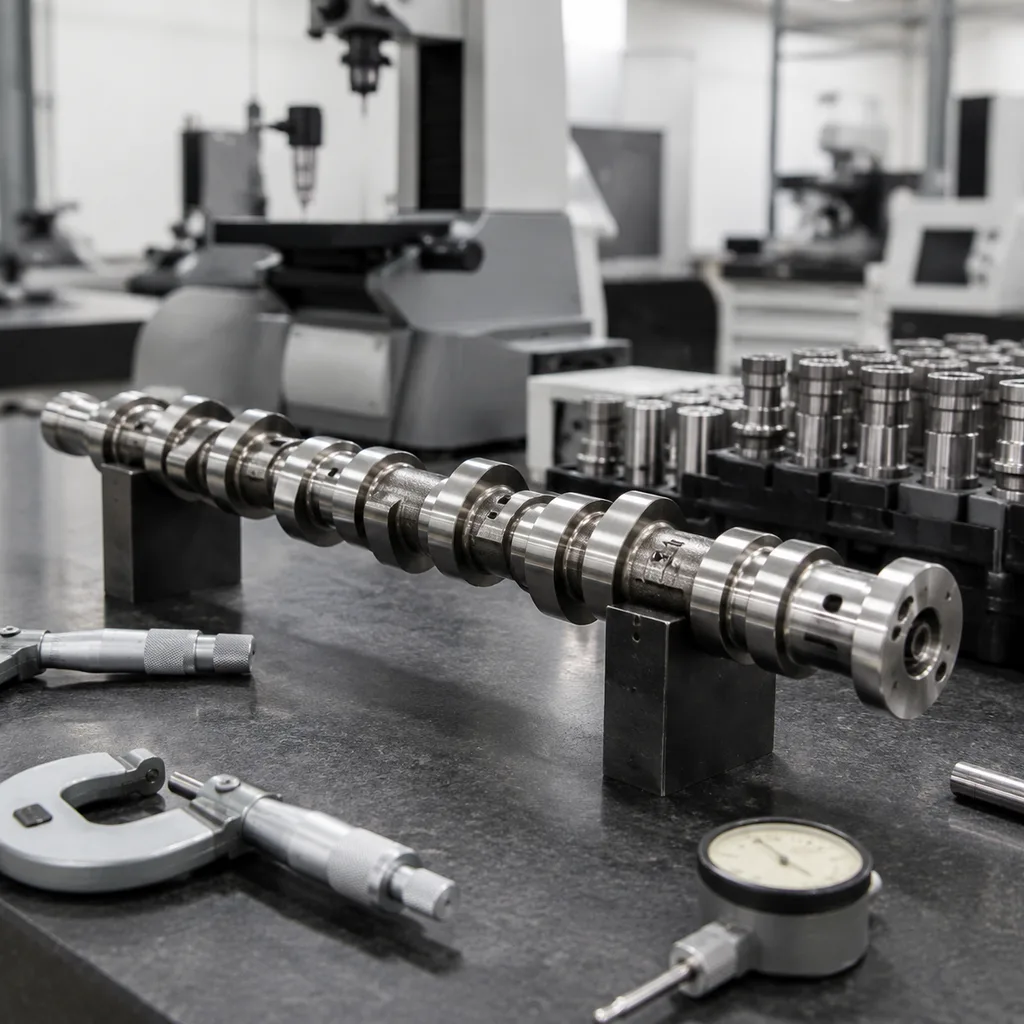
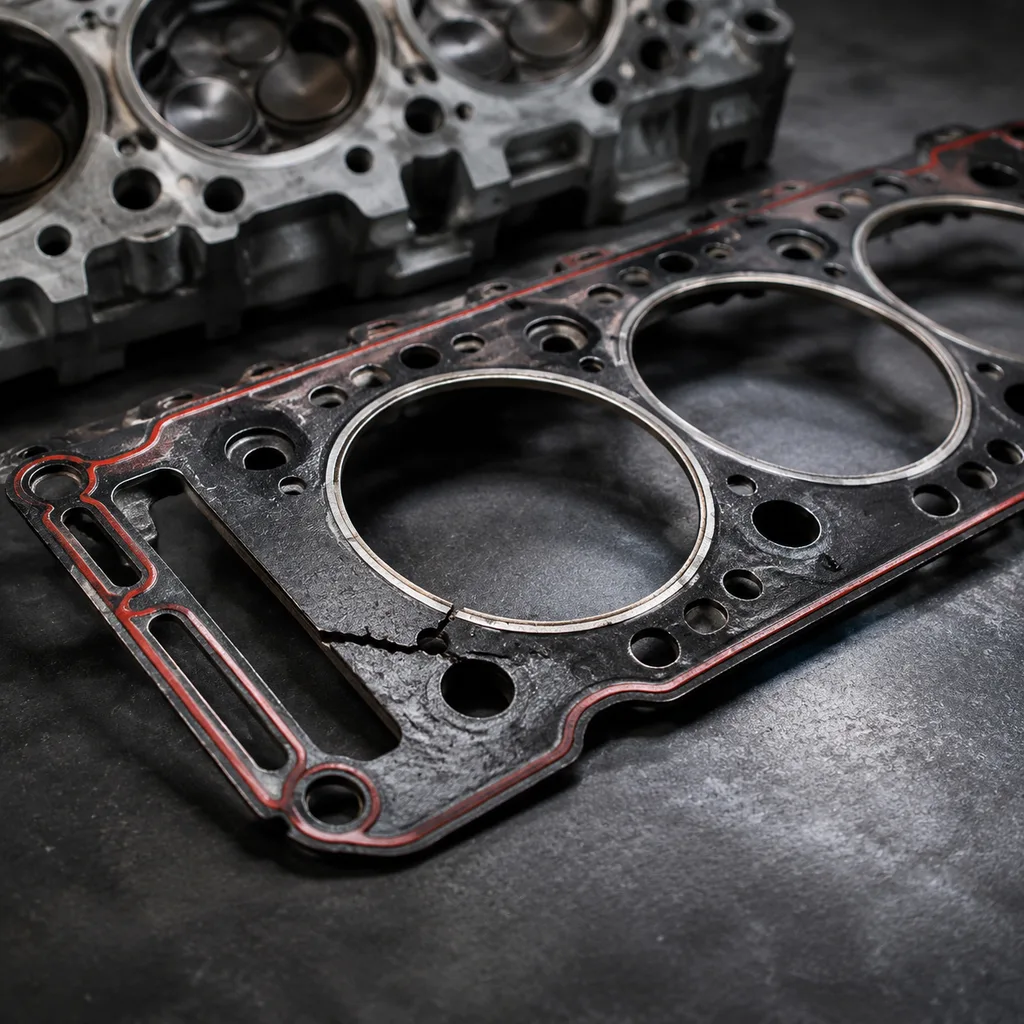
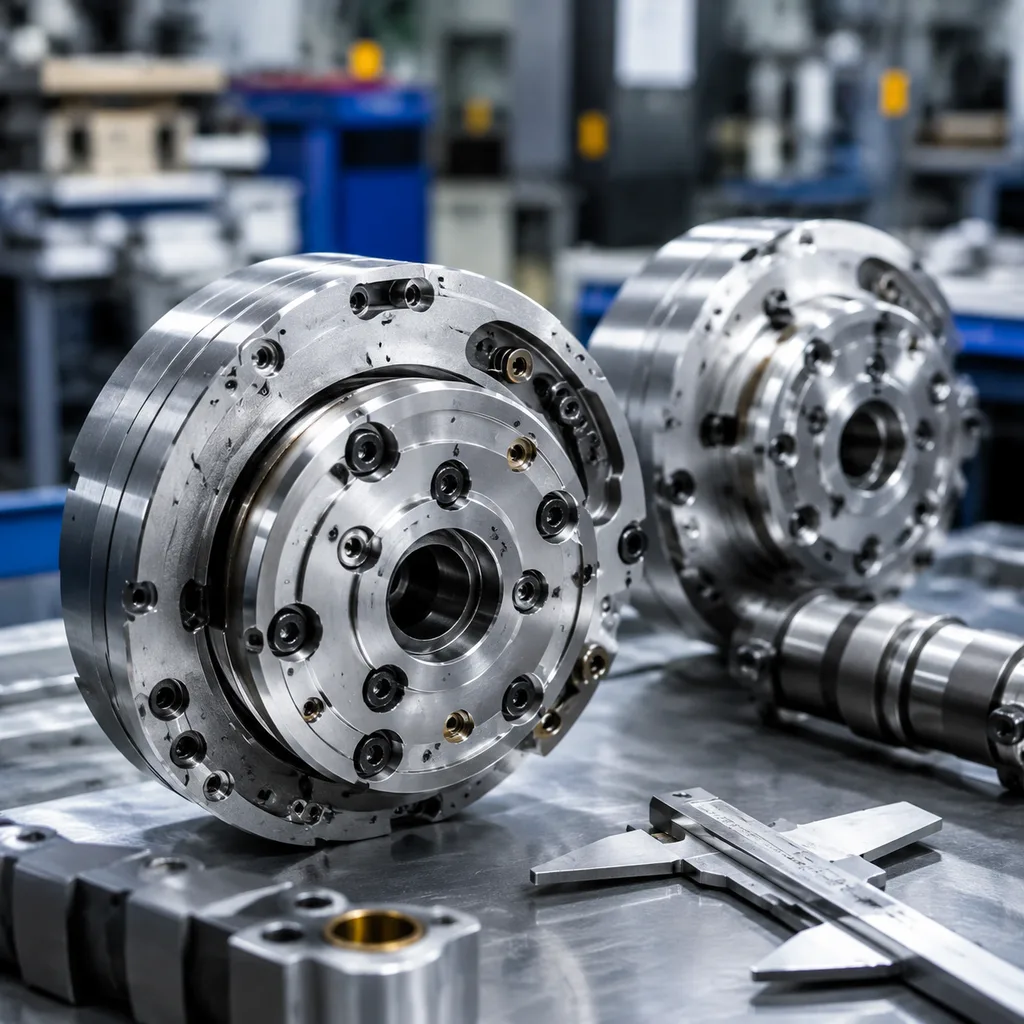
Choosing an engine block Cadillac supplier is less about chasing the lowest unit price and more about avoiding fitment risk, rework, and supply disruptions. Procurement teams need repeatable machining, stable material control, traceability, and export paperwork that survives audit review. For aftermarket distributors, OEM and Tier-1 teams, and multi-location repair networks, the key question is whether the supplier can hold spec across batches and manage cross-references without creating warranty disputes. Driventus is an independent aftermarket manufacturer; brand names are referenced for fitment only. Our engine block programmes are produced under IATF 16949:2016 and ISO 9001:2015 systems, with controlled casting, machining, and inspection for B2B supply. If you are evaluating Cadillac applications, start with MOQ, lead time, metallurgical consistency, and the factory’s change-control process for packaging or engineering updates.
Start with the risk checklist, not the catalog
A good sourcing decision starts by eliminating hidden failure modes. Price matters, but the bigger cost usually comes from dimensional drift, weak traceability, or a supplier that cannot support export documentation.
Material control: confirm the cast iron grade or aluminium alloy, heat-treatment route, and hardness range.
Machining control: request bore diameter, deck flatness, main bore alignment, and surface-finish targets.
Traceability: lot coding, inspection records, and batch packing lists matter when warranty claims appear.
Commercial fit: verify MOQ, sample lead time, production lead time, and Incoterms before RFQ.
Compliance: request REACH (EC) No 1907/2006 documentation where needed and any material declarations for regulated markets.
If the supplier cannot answer these basics clearly, that is usually your first warning sign.
Compare the block specs before you compare prices
Cadillac applications vary by engine family, but the sourcing logic stays consistent: the block has to match the OE architecture, machining envelope, and service environment.
Check item
What to confirm
Why it matters
Bore size
Nominal bore and allowable tolerance
Piston fit and ring seal
Deck height
Match to the engine family
Compression ratio and head compatibility
Main bore
Alignment and roundness
Crankshaft support
Cylinder wall
Thickness and cast consistency
Durability and rebuild margin
Oil and coolant passages
Core shift control and cleaning
Thermal stability and lubrication
Surface finish
Machined Ra target where specified
Gasket sealing
</tr></thead><tbody> </tbody></table>Use OE cross-reference data such as OE 06A107065 only as a fitment check, not as proof of approval.
Why certification changes the sourcing outcome
Certification is not a brochure line. It is the clearest signal that process control exists across receiving, casting, machining, inspection, and packing.
Driventus operates under IATF 16949:2016 and ISO 9001:2015. That matters when you need control plans, corrective-action tracking, and documented measurement systems that can stand up in supplier reviews. It also matters for distributors and repair networks that need audit-ready files instead of vague quality claims.
A useful audit should cover:
1. Incoming material inspection and melt records. 2. CNC machining capability and gauge calibration. 3. Final dimensional inspection and leak testing where applicable. 4. Packaging controls for export shipment. 5. Nonconformance handling and traceability retention.
For buyers in the EU and UK, confirm documentation for REACH (EC) No 1907/2006 where relevant. For service programmes with emissions-related applications, ask how the part aligns with local market documentation before placing the order.
Work through MOQ and lead time step by step
Commercial terms often decide the project after engineering has already looked acceptable. Before you shortlist an engine block supplier, align the operating details.
MOQ: ask whether the factory supports trial quantities, mixed-SKU cartons, or full pallet orders.
Lead time: separate sample lead time from production lead time; they are not the same.
Packing: confirm whether cartons, labels, and pallet format can be adapted to your warehouse flow.
Payment terms: clarify deposit, balance, and trade terms early.
Forecast support: for recurring programmes, ask whether rolling forecasts can secure capacity.
A supplier with stable machining capacity and controlled packaging can reduce receiving errors and improve warehouse turns. If your programme needs private label or part-number mapping, that should be handled through a documented change process, not by ad hoc email.
When custom manufacturing actually makes sense
Custom manufacturing is justified when the target market needs a non-standard machining feature, revised packaging, or a dimension-controlled variant for a specific programme.
Use custom work when you need:
An alternative deck height or bore configuration within a defined engine family.
Special corrosion protection or preservation packaging for sea freight.
Barcode labels, multilingual cartons, or retailer-specific pack formats.
Engineering samples before a larger sourced release.
Driventus supports custom manufacturing through documented specification review and approval steps. Review our custom manufacturing options when the standard part does not fully match the requirement. For a broader view of available engine and powertrain components, see our catalog and the engine-focused range in engine components.
Common buyer questions, answered directly
How do I qualify an engine block supplier? Check certification, dimensional inspection capability, traceability, MOQ, lead time, and export documentation. A factory audit or video audit should confirm the process flow from casting to final pack-out.
Can you supply Cadillac fitment by OE cross-reference? Yes, if the engine family and target market are defined. OE numbers are used only as fitment references, and final confirmation should be based on the vehicle application, not the brand name alone.
Do you support private label or custom packaging? Yes. Custom packaging, labelling, and controlled engineering changes can be managed through a documented review process. Start with your target specification and forecast.
Frequently asked questions
Check certification, dimensional inspection capability, traceability, MOQ, lead time, and export documentation. A factory audit or video audit should confirm the process flow from casting to final pack-out.
Yes, if the engine family and target market are defined. OE numbers are used only as fitment references, and final confirmation should be based on the vehicle application, not the brand name alone.
Yes. Custom packaging, labelling, and controlled engineering changes can be managed through a documented review process. Start with your target specification and forecast.
If you are comparing sources for an engine block programme, send your application details, target annual volume, and required documentation. Use our [request a quote](/contact.html) page to start the review.