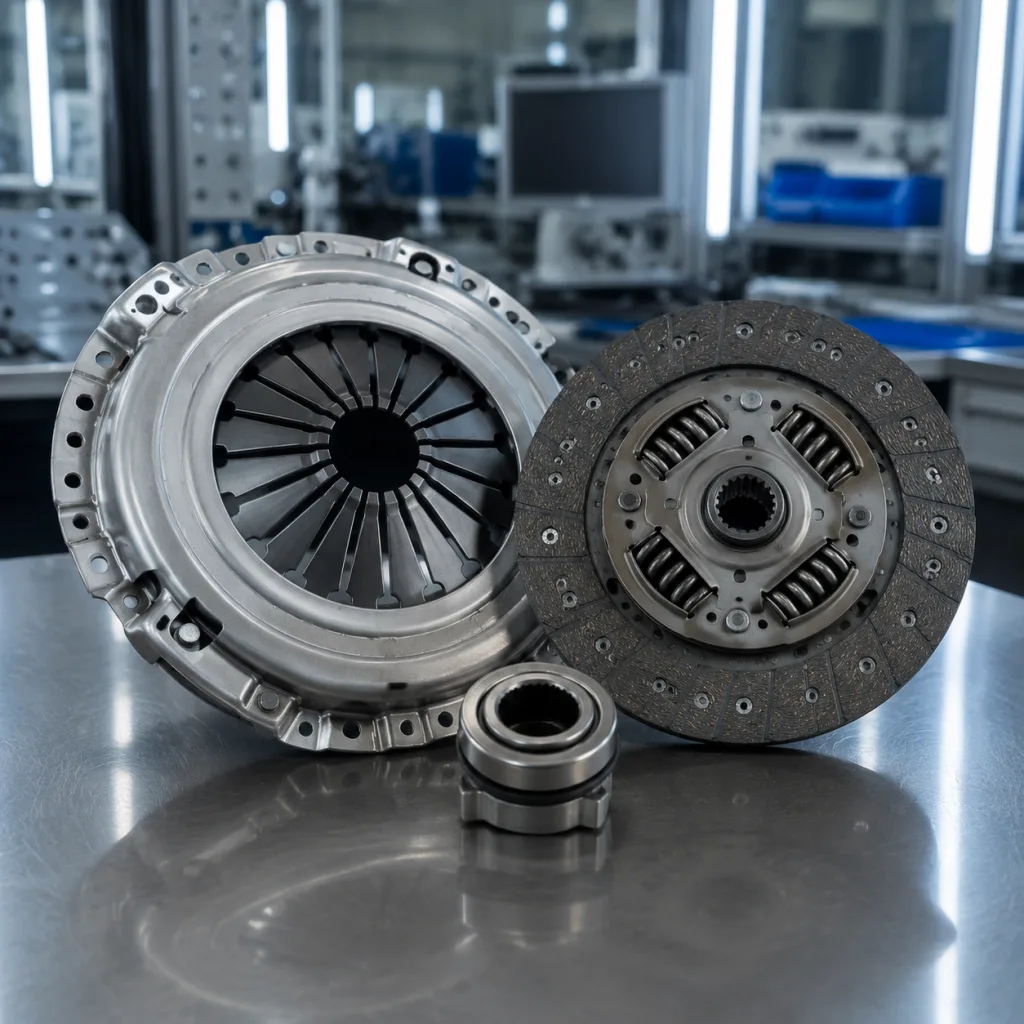
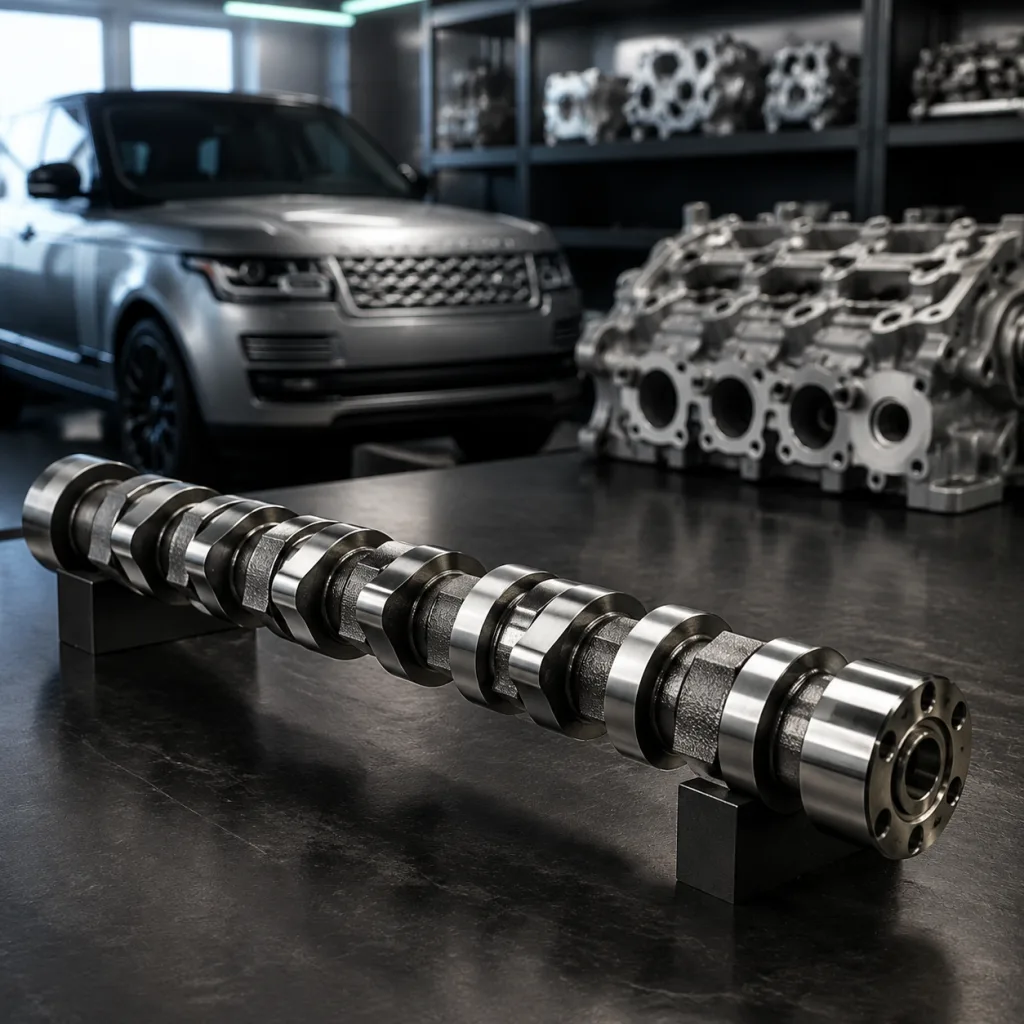
Engine Bearing Seat OEM Supplier: Sourcing Guide
Choosing an engine bearing seat OEM supplier is less about finding the lowest quote and more about proving the factory can hold dimensions, repeat the same machining result, and back every shipment with usable documentation. Small shifts in bore location, concentricity, or surface finish can change oil-film control and reduce assembly yield, so buyers usually compare process capability, inspection records, and packaging controls before they place volume orders. Driventus is an independent aftermarket manufacturer; brand names are referenced for fitment only. We support B2B sourcing for distributors, OEM and Tier-1 programmes, and repair chains that need consistent supply. If you are comparing suppliers for a specific engine family, the decision comes down to three checks: can the source maintain tolerance, can it prove traceability, and can it ship on the agreed lead time?
Start with the failure modes, not the quote
The quickest way to misjudge an engine bearing seat OEM supplier is to compare price before you compare process. A low quote can hide weak capability, thin inspection, or packaging that looks fine in a sample box and fails at volume. For bearing-seat parts, the real risk is not cosmetic variation. It is dimensional drift.
Before awarding an RFQ, confirm MOQ, sample lead time, and production lead time as separate items. A fast sample does not mean the same result will repeat in mass production, especially when the part must sit accurately in a loaded engine block or housing. Ask for recent inspection records, with special attention to bore concentricity, diameter control, and surface roughness data. Repeatability matters more than one perfect sample, because the production run is what affects assembly yield and field performance.
Request these targets in writing: bore diameter tolerance, roundness, cylindricity, and positional tolerance for the bearing seat. Many buyers start with a control set such as ±0.01 mm on critical diameters, concentricity within 0.02 mm, and Ra 0.8–1.6 μm on machined faces, then adjust to the engine family and drawing requirement. If the supplier cannot state the actual inspection method, whether CMM, air gauge, or bore gauge, the quote is not yet comparable.
Commercial checks that expose weak suppliers
- MOQ by part number or engine family, often 200–500 pcs for standard repeat orders and higher for new tooling or private-label builds
- Sample lead time, commonly 7–15 days for drawing-based parts and longer if fixtures or new gauges are required
- Mass-production lead time, typically 25–45 days after sample approval and deposit, depending on raw material availability
- Dimensional report format, with at least 100% critical-characteristic inspection for pilot lots and AQL or SPC data for volume lots
- Packaging spec, including anti-rust treatment, tray count, carton labeling, and pallet height limits for export
How certification changes the approval path
A supplier can only support repeat business when its control system is visible and easy to review. Procurement teams in the EU, UK, US, Canada, Australia, and Brazil often ask for the same evidence: certification scope, process flow, inspection method, and corrective-action response.
Driventus operates under `IATF 16949:2016` and `ISO 9001:2015`, which helps during supplier approval and factory audits. For buyers, the practical value is fewer unexplained process changes and a clearer paper trail when a nonconformance is raised. Ask the supplier to show how it controls incoming material, machine setup verification, tool wear checks, and final inspection release; those four points usually determine whether the same bore size can be repeated across batches.
You can review our quality system before preparing a supplier audit package. If the programme needs special packaging, marking, or mixed-model kitting, define that during the quotation stage so the factory can include it in the control plan and pricing from the start. A useful audit packet should also state record-retention time, typically 3–10 years depending on customer requirement, plus the format for lot traceability and escalation if a shipment is held at customs or at receiving.
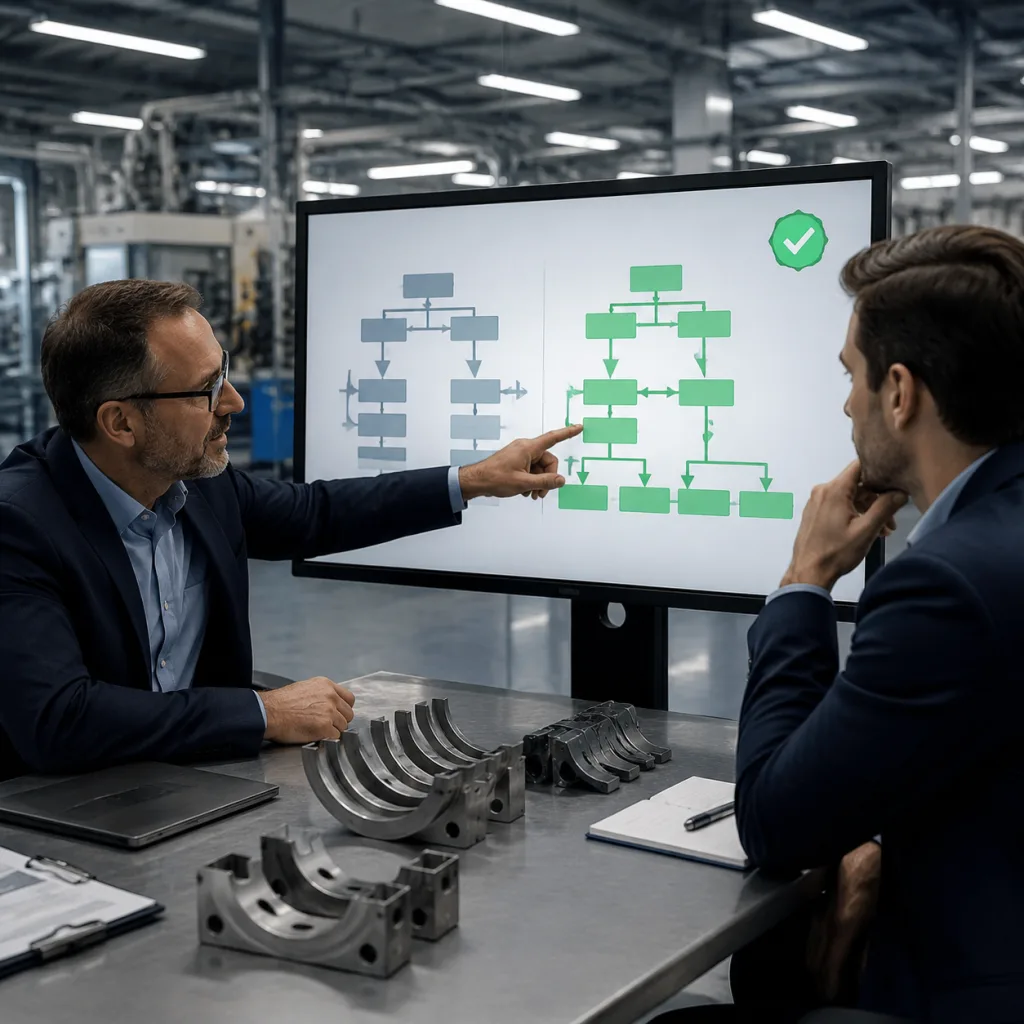
Compare lead time, MOQ, and landed cost together
For B2B engine parts, commercial structure often decides the award. The right supplier should be able to quote pilot quantities and repeat volume orders without changing the technical base or forcing a new qualification cycle.
Questions to ask in every comparison
- What is the MOQ by part number or engine family?
- What is the normal production lead time after sample approval?
- Can the factory reserve raw material for rolling forecast orders?
- Is mixed-SKU packing available for distributor orders?
- What is the escalation path if a batch fails inspection?
A buyer can also request tiered pricing tied to annual volume, because most programmes improve once the line is stable. For example, pricing often drops at 500, 1,000, and 5,000 pcs per SKU if tooling is already in place, while new tooling or custom marking may require an initial engineering charge. Ask for a quote structure that separates unit price, setup cost, packaging cost, and freight terms so the landed cost can be compared accurately. If a supplier will not state whether the quote is EXW, FOB, or DDP, the numbers are not procurement-ready.
Driventus is set up for export programmes and can support distributor replenishment, OEM or Tier-1 supply chains, and repair-chain inventory needs. To review adjacent parts and families, browse our catalog and the engine-component range at `/products/engine-components.html`. For projects that need design changes, new tooling, or private-label packaging, see custom manufacturing.
What a strong RFQ package should contain
The cleanest way to speed sourcing is to give the supplier enough data to quote the same way every time. An incomplete RFQ creates vague pricing, and vague pricing makes supplier comparison almost useless.
For a bearing-seat programme, the most useful package includes drawing revision, annual volume, target release schedule, tolerance stack notes, and any required surface treatment or corrosion protection. If the part is a machined bearing seat insert or housing feature, add machining datum references, inspection points, and gauge correlation data so you can compare suppliers on the same basis.
A strong RFQ also clarifies what success looks like after first articles. State whether approval depends on dimensional report only, or on pilot-run samples, packaging review, or customer-side fitment confirmation. When those expectations are written early, the supplier can price the control plan correctly instead of treating them as extras later.
If you are comparing suppliers, ask for the documents that matter: material record, dimensional report, and production lead time. Then use the same checklist across all candidates so the decision rests on evidence rather than quotation language.
Driventus is an independent aftermarket manufacturer; brand names are referenced for fitment only.
Frequently asked questions
Ask for material specification, critical dimensions, inspection records, MOQ, lead time, and traceability. For regulated markets, also confirm compliance documents and packaging requirements before award. For machined bearing seats, request the actual tolerance window, inspection method, and recent capability data so you can compare suppliers on the same basis.
Yes, when the buyer provides the reference and drawing package. We use OE references for fitment comparison only and do not claim vehicle manufacturer approval.
Send the drawing, annual volume, target market, packaging request, and any OE reference. We will review feasibility and return a quotation or clarification request. If you want a fast quote, include target MOQ, preferred lead time, and any required tolerance or surface finish limits in the first email.
If you are sourcing an engine bearing seat OEM supplier for a new programme or replenishment order, send your drawing pack and volume target through our contact page: /contact.html
Request a Quote