Clutch Kit Ram Supplier: Sourcing Guide for B2B Buyers
Buyers sourcing a clutch kit for Ram platforms need more than a part-number match. They need stable specifications, repeatable build quality, packaging control, and a supplier that can support aftermarket distribution, OEM programs, or repair-network replenishment. Driventus supplies clutch kits as an independent aftermarket manufacturer from Taizhou, Zhejiang, with export experience in more than 60 countries and certified systems under IATF 16949:2016 and ISO 9001:2015. Driventus is an independent aftermarket manufacturer; brand names are referenced for fitment only. For procurement teams, the key questions are straightforward: does the kit match OE dimensions within defined tolerances, can the supplier support your annual volume with realistic MOQ and replenishment logic, and what documentation is available for audit and import clearance? This article walks through the decision points that matter most before a purchase order, including fitment proof, failure modes, process control, packaging, and quote structure.
When a Ram clutch kit is worth sourcing
A clutch kit Ram supplier should be evaluated by risk, not just catalog coverage. The right source depends on where the kit will be sold and what failure would cost you.
Use this quick decision frame:
Choose a supplier with tight dimensional control if the kit will go into wholesale or fleet channels.
Prioritize traceability and batch records if your claims team needs fast root-cause isolation.
Favor packaging control and label flexibility if you sell through distributors or multiple countries.
Ask for engineering support if the application has transmission changes, retrofit history, or mixed-duty use.
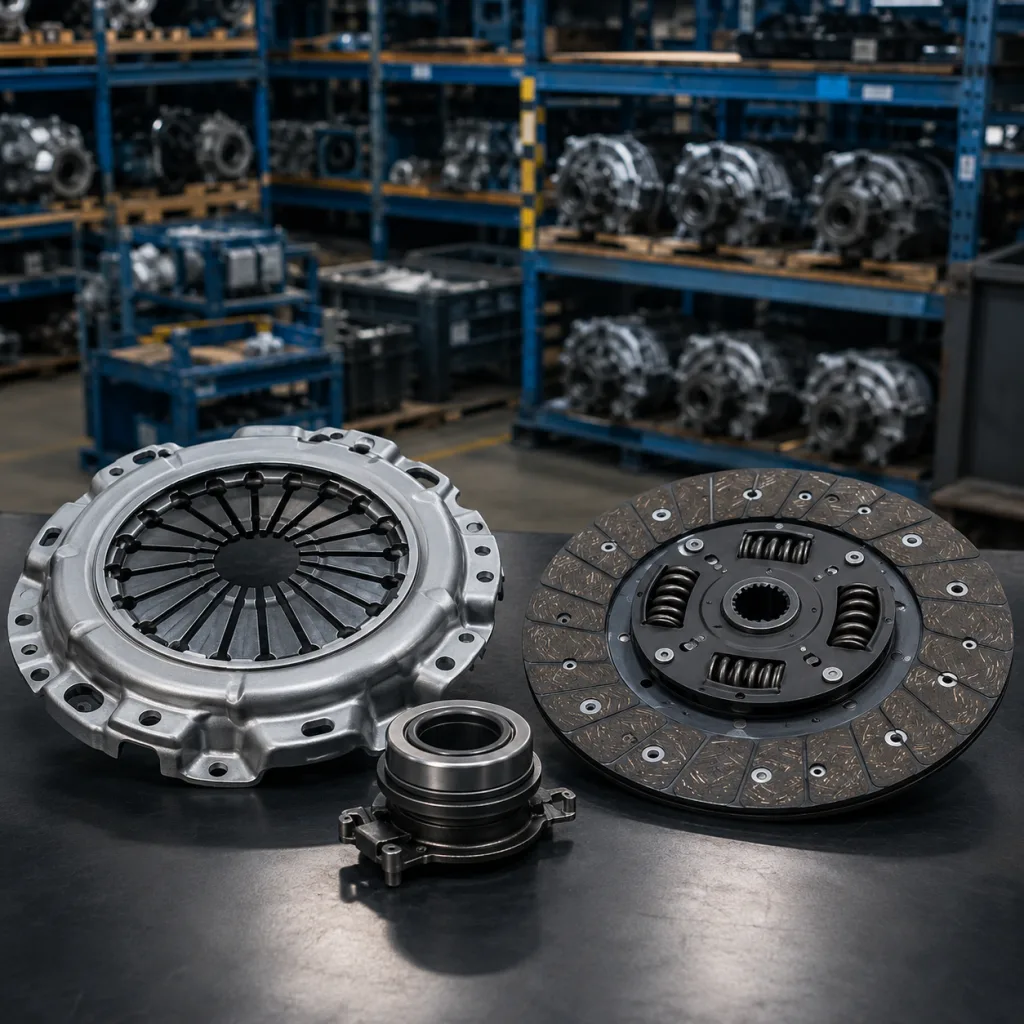
For Ram applications, a part can look correct and still fail the first fitment check. The kit must match engine, transmission, spline count, release system, and cover geometry. If any of those move, the sourcing decision changes with them. For portfolio comparison, our catalog helps teams review clutch kits alongside related drivetrain parts.
Where clutch programs usually break
Most sourcing problems appear after the first shipment, not during the quote stage. Common failure modes are predictable.
Failure mode
What it looks like
Why it happens
Wrong fitment
Install issue, early return, or incomplete engagement
Application data is too generic or based only on model name
Dimensional drift
Runout, stack-height variance, or poor pedal feel
Drawing control and inspection discipline are inconsistent
Mixed content
Missing bearing, hardware, or pilot component
Kit packing is not verified before carton sealing
Packaging damage
Rust, dented covers, or scuffed friction facings
Inner protection and master carton spec are too light
Claim delay
Slow investigation and unclear lot history
Batch traceability is weak
</tr></thead><tbody> </tbody></table>This is why buyers should ask for more than a price sheet. A useful supplier can show the approved specification, the control plan, and the actual inspection method. If clamp load is only mentioned in marketing copy, it is not yet procurement-grade evidence. For teams formalizing approvals, the quality system is the right place to start before commercial negotiation.
What the spec should say
Specification detail is where good sourcing gets easier. A strong data pack should make the part measurable, not vague.
Ask for these items at minimum:
OE cross-reference by engine, transmission, and model year
Disc outer diameter and spline dimensions
Hub offset, cover height, and stack-up data
Clamp-load range and runout limit
Kit contents and packaging quantity
Batch code format and traceability method
For a clutch kit Ram supplier, the most useful answer is a drawing-based one. Buyers should want the values, the tolerance band, and the control method in the same document. If the supplier only gives an application list, you still do not know whether two apparently identical kits will feel the same on pedal engagement.
Typical procurement checkpoints include disc OD, spline fit, mounting-face flatness, release bearing type, and friction material grade. Ask which characteristics are 100% checked and which are sample-checked. That one distinction often explains the difference between a stable program and a return-heavy one.
How to validate fitment on Ram platforms
Fitment review works best as a short sequence, not an open-ended discussion.
1. Confirm engine, transmission family, and input-shaft spline count. 2. Compare disc diameter, hub depth, and cover stack height against the removed unit or approved drawing. 3. Check release bearing compatibility and guide-tube geometry. 4. Match friction material to the duty cycle: towing, light commercial, or mixed fleet use. 5. Verify flywheel condition and pedal engagement range before release.
If the application has mid-cycle updates, do not rely on the nameplate alone. Measure the old unit when possible. That is often the fastest way to catch a variant that catalog data misses. For high-mileage fleet programs, ask for endurance or engagement-cycle evidence, not just visual inspection reports.
Driventus is an independent aftermarket manufacturer; brand names are referenced for fitment only. Where chemical compliance is relevant on exported goods, REACH (EC) No 1907/2006 may also apply depending on market and material scope.
Why factory capability changes total cost
Two kits can share the same application data and still create very different ownership costs. The difference is usually factory control.
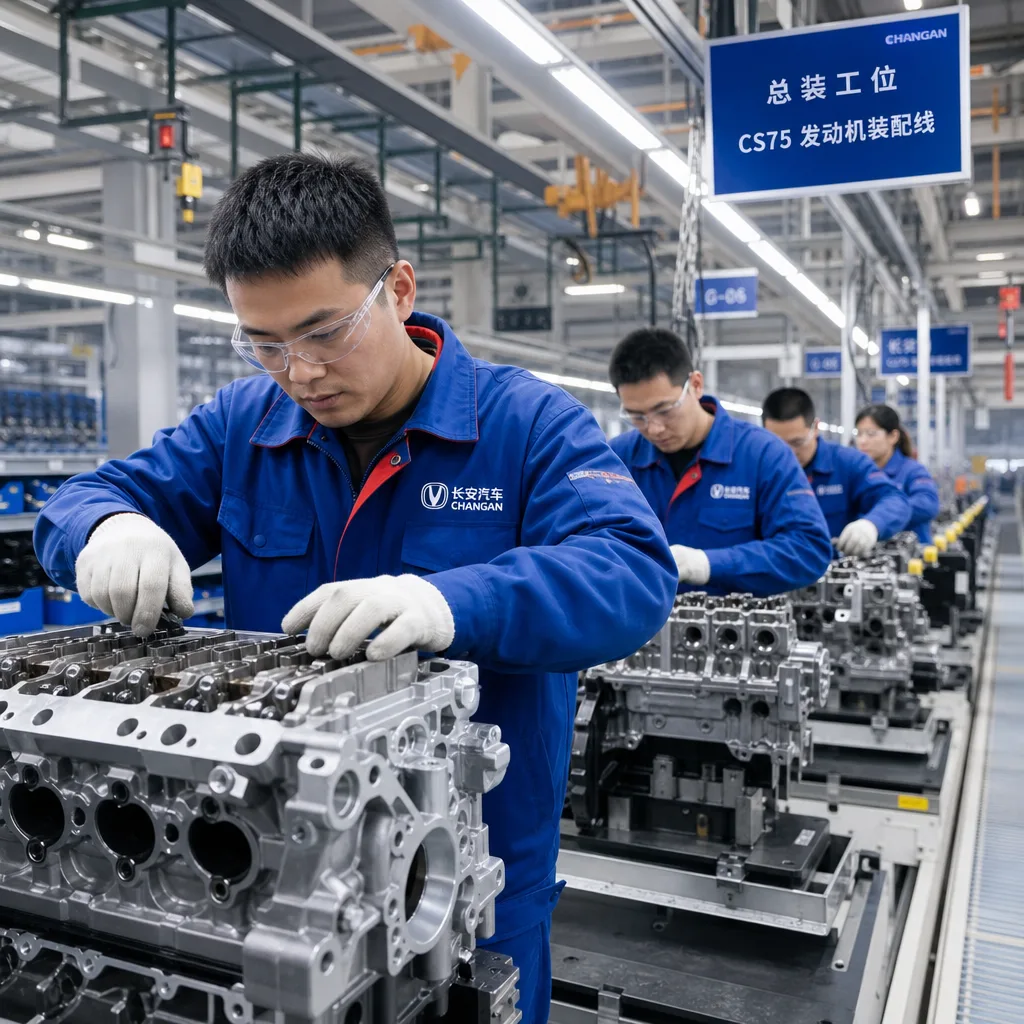
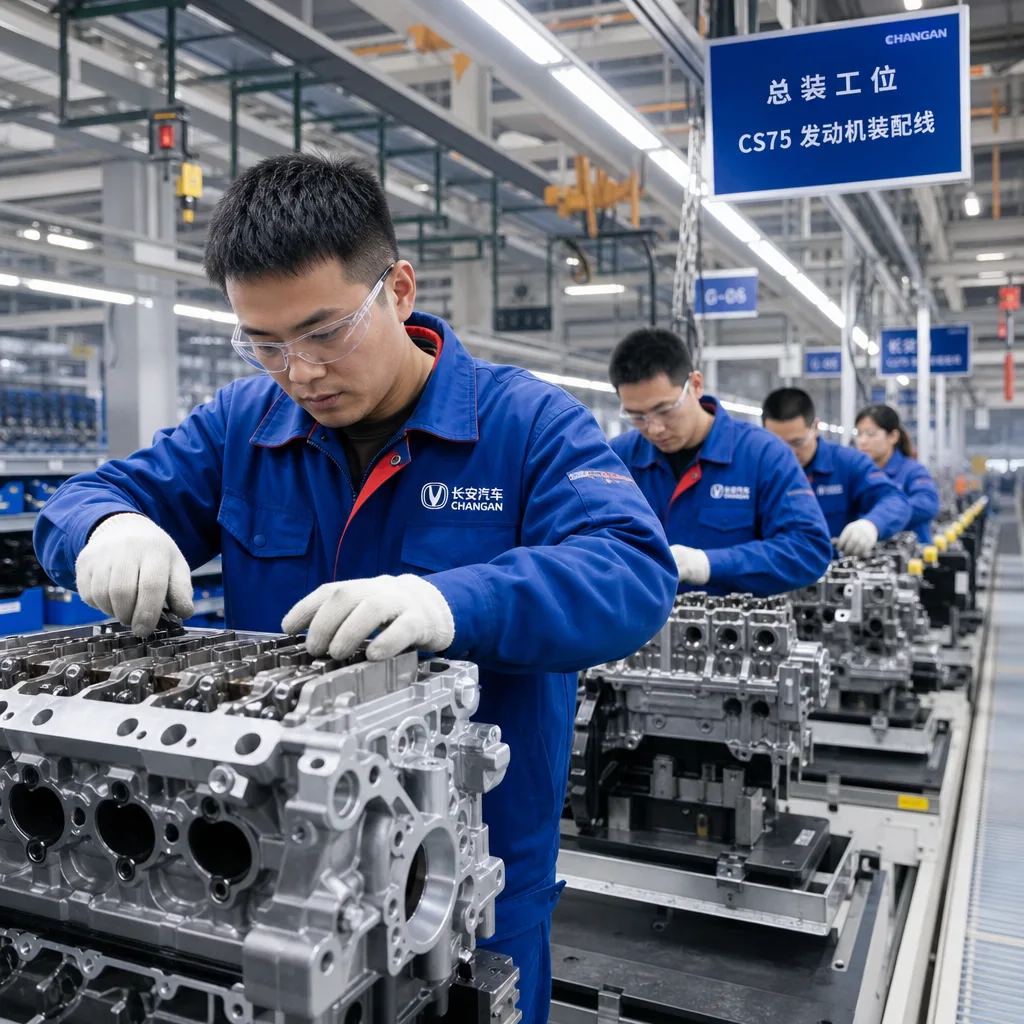
If stamping, friction material, balancing, and assembly are handled under one quality system, the supplier can react faster when a problem appears. That affects claim time, scrap risk, inventory buffer, and packaging consistency. It also changes how confidently you can replenish.
At Driventus, the focus is repeatable export production, not one-off transactional supply. That matters for buyers who need the same reference to arrive with the same label data and carton spec across multiple regions. It matters even more when one bad lot can create returns across several channels at once.
For larger programs, engineering teams can use our custom manufacturing route to align label, pack, or spec requirements with the approved fitment base.
A cleaner RFQ gets a cleaner quote
The fastest quotes come from complete inputs. Partial RFQs usually produce partial answers.
Send this with the inquiry:
Vehicle make, model, engine, transmission, and year range
Target volume, first order size, and forecast window
Destination country and incoterm
Label language, barcode format, and carton requirement
If you need a quote you can actually compare, ask for three pricing cases: sample or pilot, MOQ production, and volume-break pricing. That exposes the real commercial structure instead of hiding it behind a single headline unit cost.
For teams consolidating several drivetrain lines, review our catalog alongside the RFQ so shipping and replenishment planning stay aligned. If the program needs private label, special artwork, or pack changes, start with custom manufacturing before you finalize the forecast.
FAQ: what buyers ask before approval
Do you supply clutch kits for Ram applications only?
We supply clutch kits for Ram-fitment use cases and other passenger and light commercial applications. Fitment is confirmed by transmission and dimensional data, not brand ownership. Driventus is an independent aftermarket manufacturer; brand names are referenced for fitment only.
What documents come with an export shipment?
Typical documents include a commercial invoice, packing list, certificate of conformity when required, and batch identification. Buyers can also request product photos, labels, inspection records, and test data for receiving and import review.
Can you support private label or special packaging?
Yes. Special labels, carton artwork, barcode formats, and OEM-style packing can be supported through our custom manufacturing process, subject to approval of the final specification, artwork, and forecast volume. MOQ for custom packaging is usually higher than for neutral stock supply because of carton printing and label setup.
Frequently asked questions
We supply clutch kits for Ram-fitment use cases and other passenger and light commercial applications. Fitment is confirmed by transmission and dimensional data, not brand ownership. Driventus is an independent aftermarket manufacturer; brand names are referenced for fitment only.
Typical documents include a commercial invoice, packing list, certificate of conformity when required, and batch identification. Buyers can also request product photos, labels, inspection records, and test data to support receiving and import review.
Yes. Special labels, carton artwork, barcode formats, and OEM-style packing can be supported through our custom manufacturing process, subject to approval of the final specification, artwork, and forecast volume. MOQ for custom packaging is usually higher than for neutral stock supply because of carton printing and label setup.
If you are building a Ram clutch programme or need a verified supplier review, send your application data, target volume, and packaging requirements through our contact team. Start here: /contact.html