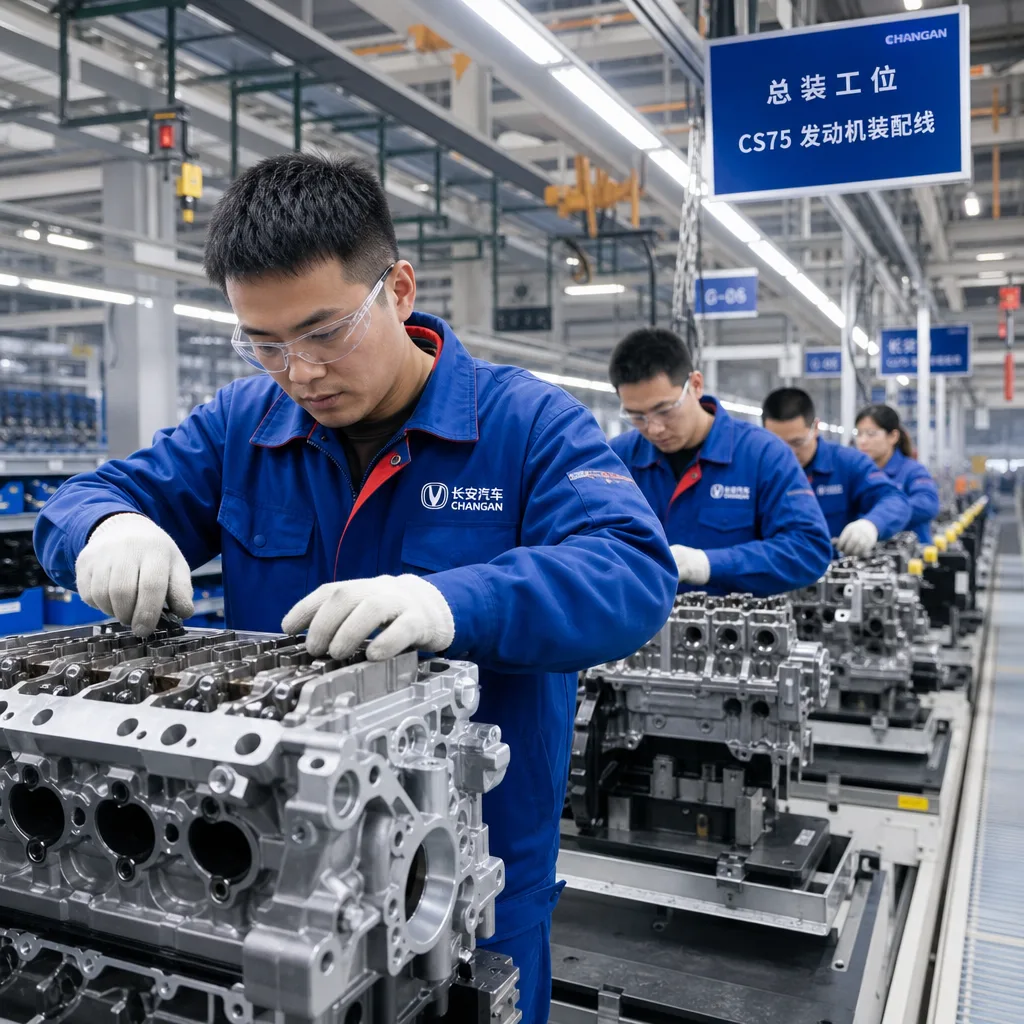
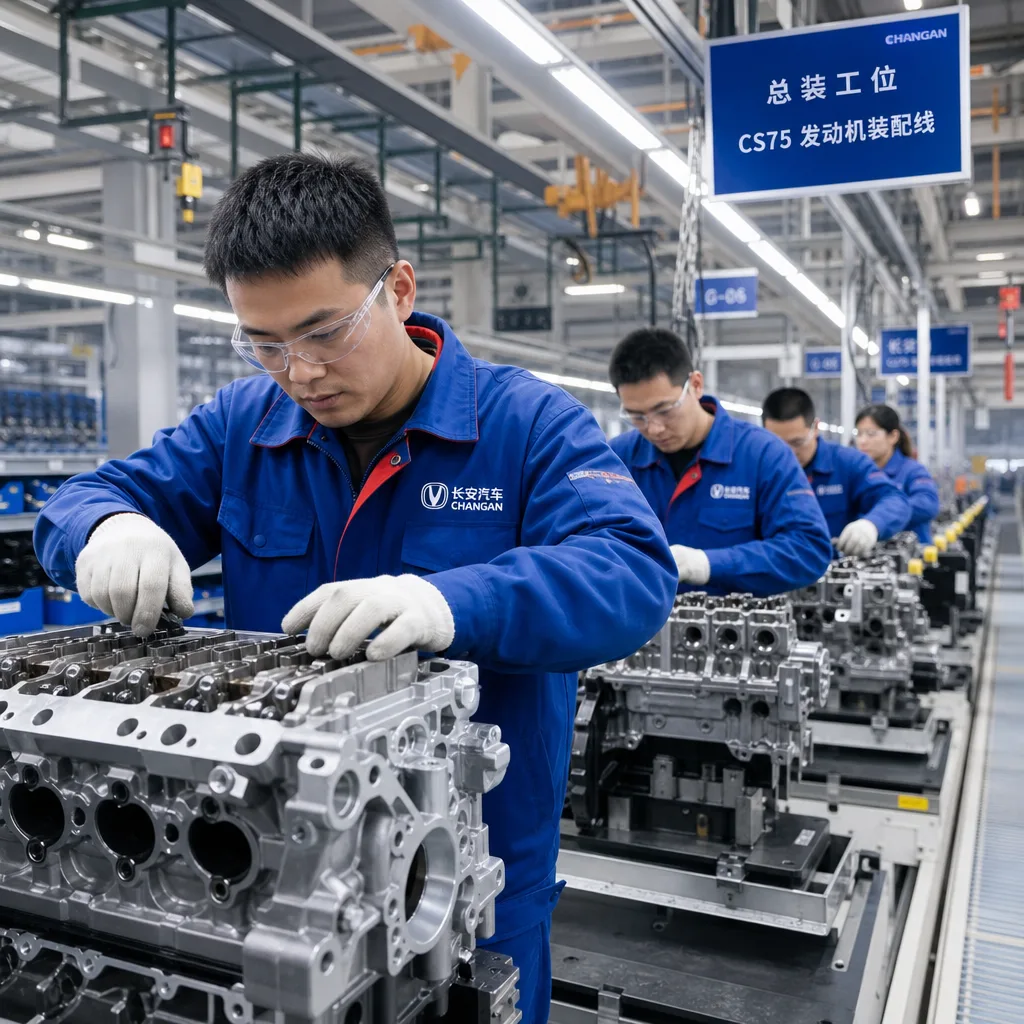
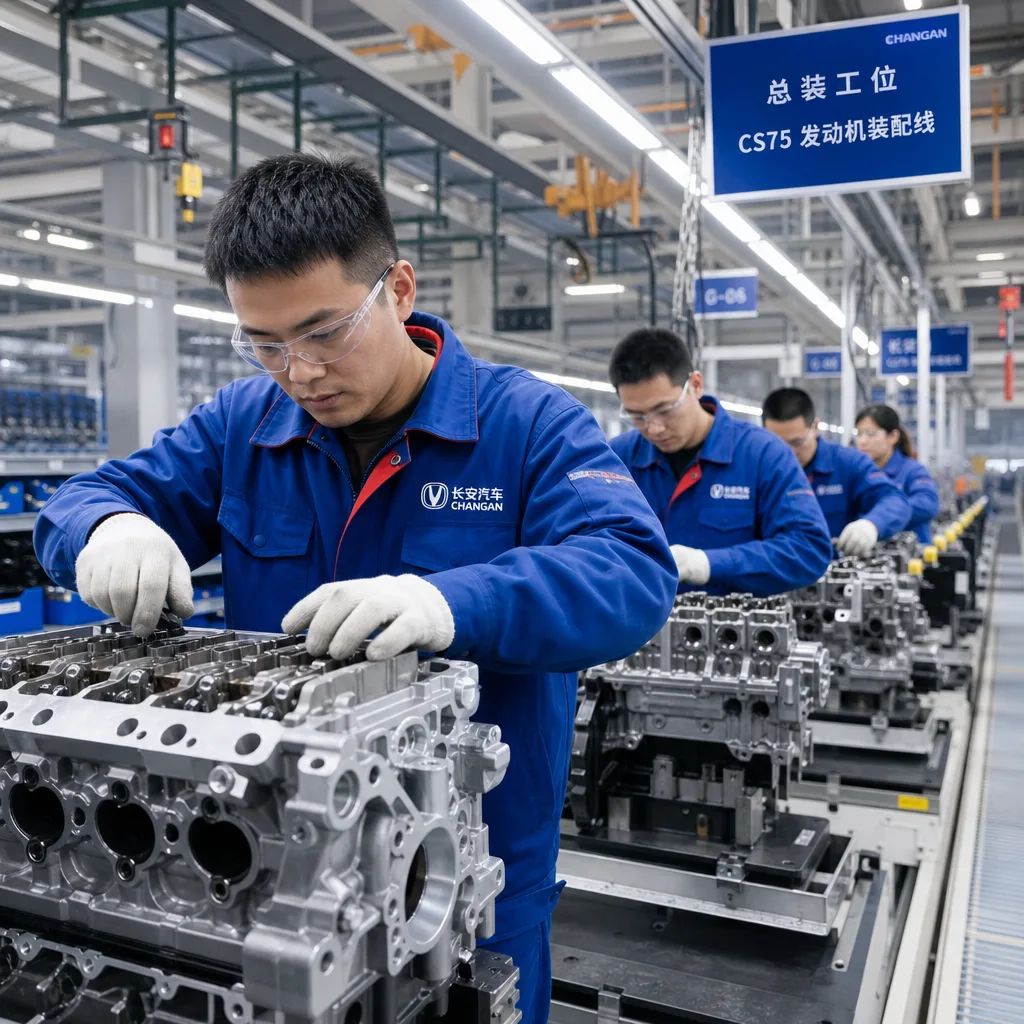
For procurement teams sourcing engine bearing seat parts, price is only part of the decision. The real test is whether the supplier can hold bore geometry, preserve material integrity, and repeat those results across lots. Driventus Auto Parts manufactures engine and powertrain components in Taizhou, Zhejiang, and exports to 60+ countries with quality systems aligned to IATF 16949:2016 and ISO 9001:2015. Driventus is an independent aftermarket manufacturer; brand names are referenced for fitment only. If you are evaluating an engine bearing seat manufacturer China option for aftermarket distribution, OEM supply, or repair-chain demand, the decision should be measurable: dimensional tolerance, surface finish, inspection method, packaging, and lead-time stability. This article breaks the sourcing decision into checks that help you spot weak suppliers before the first pilot order.
Start with the fitment risk, not the price tag
Procurement teams should begin with fitment risk. A low quote means little if the seat misses bore geometry, drifts after heat treatment, or arrives with poor corrosion protection.
Before you approve a supplier, ask for:
Material specification and heat-treatment route, including hardness target and whether the route is through-hardening, induction hardening, or stress-relieved machining stock
Bore diameter, roundness, cylindricity, and alignment tolerance data, ideally stated as a drawing callout and a production capability report
Surface roughness targets on the seating face, with measurement method and instrument resolution
Inspection records for first article and production lots, including sample size and acceptance criteria
Lot traceability, packaging, and corrosion protection, with shelf-life or storage limits if protective oil is used
A supplier should also explain how the seat is controlled against mating parts such as the crankshaft, block, or housing bore. For export markets, confirm compliance planning against REACH (EC) No 1907/2006 where relevant to supplied substances and packaging materials. If the part is used in emissions-related assemblies, ask how the supplier supports fitment validation against applicable vehicle platform requirements without claiming approval by any vehicle manufacturer. The right answer is specific: critical dimensions, inspection frequency, and the reaction plan for an out-of-tolerance lot.
What the drawing needs to say
Engine bearing seats are precision interfaces, so the sourcing file has to translate commercial intent into controlled dimensions. A vague drawing creates vague production.
Compare the core controls side by side:
Control item
Buyer should ask for
Why it matters
Base material
Grade, chemistry, and batch traceability
Confirms consistency and mechanical strength
Heat treatment
Process route and hardness range, often stated as HRC or HB with post-process stability data
Reduces distortion and wear risk
Bore geometry
Roundness, cylindricity, and alignment data, plus the tolerance band from the drawing
Protects bearing fit and lubrication film
Surface finish
Ra/Rz values and measurement method, including cutoff length and gauge model
Supports repeatable seating contact
Inspection
CMM, gauges, and sampling plan, including AQL or 100% gauging where required
Verifies each production lot
</tr></thead><tbody> </tbody></table>For practical sourcing, buyers often specify a bore tolerance window such as ±0.01 mm on critical diameters, roundness within 0.005 mm, and seating-face roughness in the Ra 0.8-1.6 µm range, then confirm whether the factory can hold those numbers at volume. If the geometry is machined from a cast or forged blank, ask for the machining allowance, distortion control method, and post-machining wash standard. For OE cross-reference work, buyers need dimensional equivalence to the target application rather than a branded part claim. If your sourcing file already includes an OE 06A107065 reference or a similar family number, align the bearing seat specification to the same envelope and validate against your own PPAP or incoming inspection criteria. The commercial requirement should be translated into a controlled drawing with nominal dimensions, tolerance class, and inspection points before RFQ release.
Can the factory actually hold it at scale?
A supplier audit should check process control, not only machinery. The useful question is not whether the factory owns CNC equipment, but whether it can keep the part inside spec when the order volume rises.
Ask how the factory controls raw material input, machining sequence, cleaning, anti-rust treatment, and final packing. For China sourcing, the most useful audit topics are:
1. Incoming material verification and lot segregation, including mill certificates or equivalent traceability 2. CNC process capability and tool-life control, with Cp/Cpk evidence for the key bore dimensions 3. In-process gauging frequency and reaction plan, including how operators stop the line when drift is detected 4. Final inspection records and calibration status, especially for bore gauges, micrometers, and CMMs used on critical features 5. Storage conditions for precision surfaces, including humidity limits and FIFO rotation for coated or oiled parts
A mature manufacturer should be able to show documented quality controls under IATF 16949:2016 and ISO 9001:2015, along with a current control plan, PFMEA, and calibration calendar. If you need programme-specific support, review whether the supplier offers custom manufacturing for special dimensions, revised packaging, or private-label logistics without changing the critical geometry. For broader portfolio review, start with our catalog and confirm whether adjacent engine components can be bundled in one shipment. During the audit, ask to see a live part being measured end-to-end so you can verify whether the written process matches actual shop-floor practice.
When commercial terms decide the winner
For distributors and import managers, commercial terms can make a technically acceptable supplier the wrong business choice. The part may fit, but if MOQ, ship window, or packaging breaks your flow, the deal still fails.
Before approval, confirm the following:
MOQ by part number and by production method, because a machined part may have a lower MOQ than a cast-and-finish item
Sample lead time versus mass-production lead time, typically 7-15 days for samples and 25-45 days for regular production depending on tooling load
Standard packing quantity and carton dimensions, including pallet count and net/gross weight for freight planning
Incoterms supported for your region, such as EXW, FOB, or CIF, and whether the quotation includes export documentation
Spare capacity for repeat orders and seasonal demand, with weekly output assumptions and overtime limits stated in writing
Engine bearing seat programmes often move in mixed volumes: small validation lots, then larger replenishment orders. A supplier that can keep tooling, inspection, and packing stable across both stages reduces hidden cost. Ask whether the factory can hold buffer stock for fast-moving references and whether it supports consolidated shipments for multi-line orders. For pricing, request a tiered structure so you can compare sample cost, 500-piece pilot pricing, and annual contract pricing side by side. A useful RFQ should specify the target annual volume, the first order quantity, the desired ship window, and the maximum acceptable unit price at each break. If you are sourcing other engine assemblies, the relevant range may extend into engine components, which helps simplify vendor management and inbound inspection.
What validation looks like before release
Validation should match the route to market. Aftermarket distribution, OEM supply, and Tier-1 programs do not need the same evidence set, and treating them the same creates blind spots.
For aftermarket distribution, focus on dimensional fit, packaging integrity, and shelf-life protection. For OEM or Tier-1 programmes, add process capability, control-plan evidence, and change-notification discipline.
A practical validation package should include:
First article inspection report with the drawing revision, measurement method, and signed disposition
Material certificate or equivalent traceability record, preferably tied to heat number and production lot
Dimensional report with critical-to-fit measurements, including bore diameter, runout, and seat flatness where applicable
Salt-spray or corrosion protection data where applicable, with test duration and pass/fail criteria clearly stated
Packaging drop and transit checks, using a defined drop height and post-test visual acceptance standard
If the part must work under engine-duty thermal cycling, the buyer should request evidence of validation testing relevant to the application. Where applicable, that can include references to ECE R-83 for vehicle emissions-related context or SAE J2527 for environmental durability testing, but only when the test method matches the part and customer requirement. Do not accept generic statements without the underlying report. For production release, many buyers require a controlled sample approval process with 3-5 pilot lots, no critical defect escapes, and a documented change-notice window of 60-90 days before any material, tooling, or process alteration. That level of discipline is what turns a quote into an approvable supply source.
Frequently asked questions
A good supplier can show dimensional control, traceability, and repeatable inspection data. For procurement, the most important checks are bore geometry, material consistency, packaging, and documented quality management under IATF 16949:2016 or ISO 9001:2015. Buyers should also look for a defined tolerance stack, Cp/Cpk evidence on critical dimensions, and a clear reaction plan for any nonconforming lot.
Yes. Many buyers need revised bore sizes, special coatings, or export-ready packaging. Use the supplier’s engineering and commercial support to confirm feasibility, lead time, and sample approval before mass production. A complete request should include a drawing revision, target annual quantity, carton spec, labeling rules, and whether the first order is a pilot run or a replenishment shipment.
Yes, for fitment verification and internal sourcing alignment. Cross-references should be validated against your own technical file and incoming inspection. Driventus is an independent aftermarket manufacturer; brand names are referenced for fitment only. The buyer should still confirm the matching dimensions, tolerance class, and packaging configuration before approving the source.
Review your drawings, target volumes, and inspection requirements with our team, then compare options against your approved source list. Start at /contact.html to request a quote.