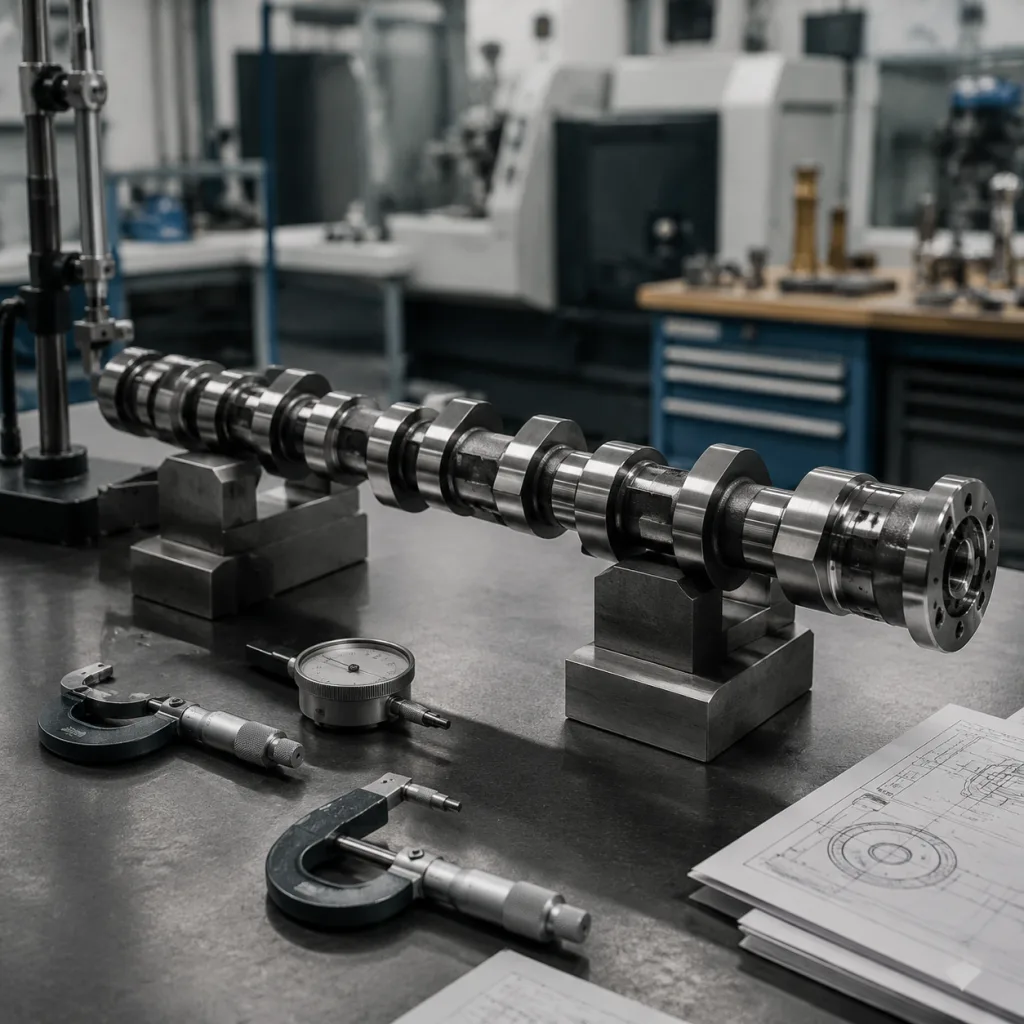
Connecting Rod Fiat Wholesale: Supplier Sourcing Guide
For buyers sourcing connecting rod Fiat wholesale supply, the top priorities are dimensional consistency, material control, traceability, and dependable lead times. A connecting rod is not a generic casting: it must match the engine family, pin size, centre-to-centre length, big-end width, bolt specification, and mass-balance target. In wholesale programmes, even minor variation can become a fitment issue and a warranty risk across every shipment.
Driventus is an independent aftermarket manufacturer; brand names are referenced for fitment only. We supply B2B customers in the aftermarket, OEM, and Tier-1 channels, with production aligned to IATF 16949:2016 and ISO 9001:2015. When sourcing Fiat applications, procurement teams should ask for full material disclosure, batch traceability, dimensional inspection records, and a clear cross-reference to OE 06A…-style or equivalent part identification where applicable. A disciplined supplier process reduces rework, shortens receiving inspection, and supports stable replenishment across multiple markets.
What wholesale buyers should verify first
For Fiat programmes, the first screening step is fitment control. Before price discussions, confirm the engine code, piston pin diameter, rod length, crank journal size, and bolt-seat geometry. A lower unit cost is irrelevant if the rod cannot pass dimensional validation or if the small-end and big-end tolerances drift outside the engine builder’s limits.
Minimum procurement checks:
- Application coverage by engine family and displacement
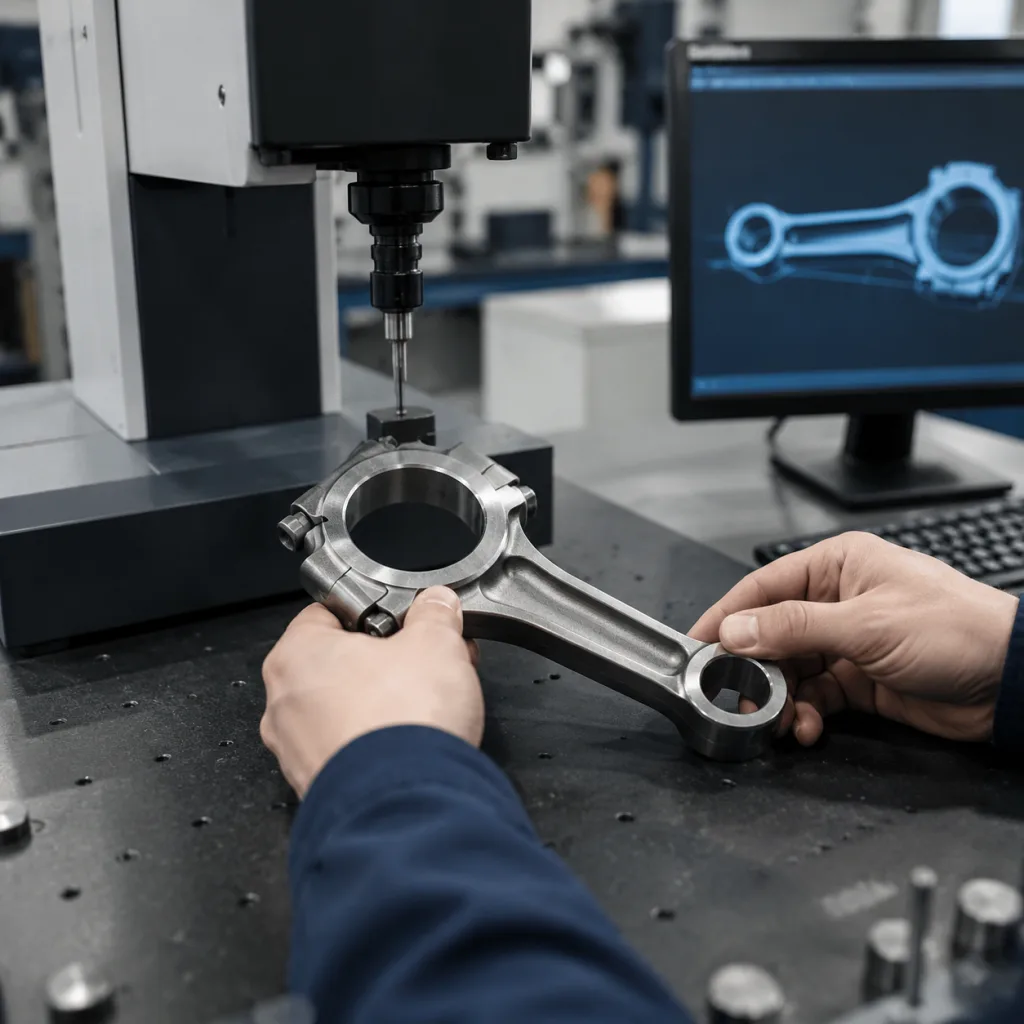
- Centre-to-centre length, typically verified to ±0.02 mm on sample approval and held within the buyer’s drawing tolerance on production lots
- Big-end bore and roundness, commonly controlled within 0.01-0.03 mm depending on engine family
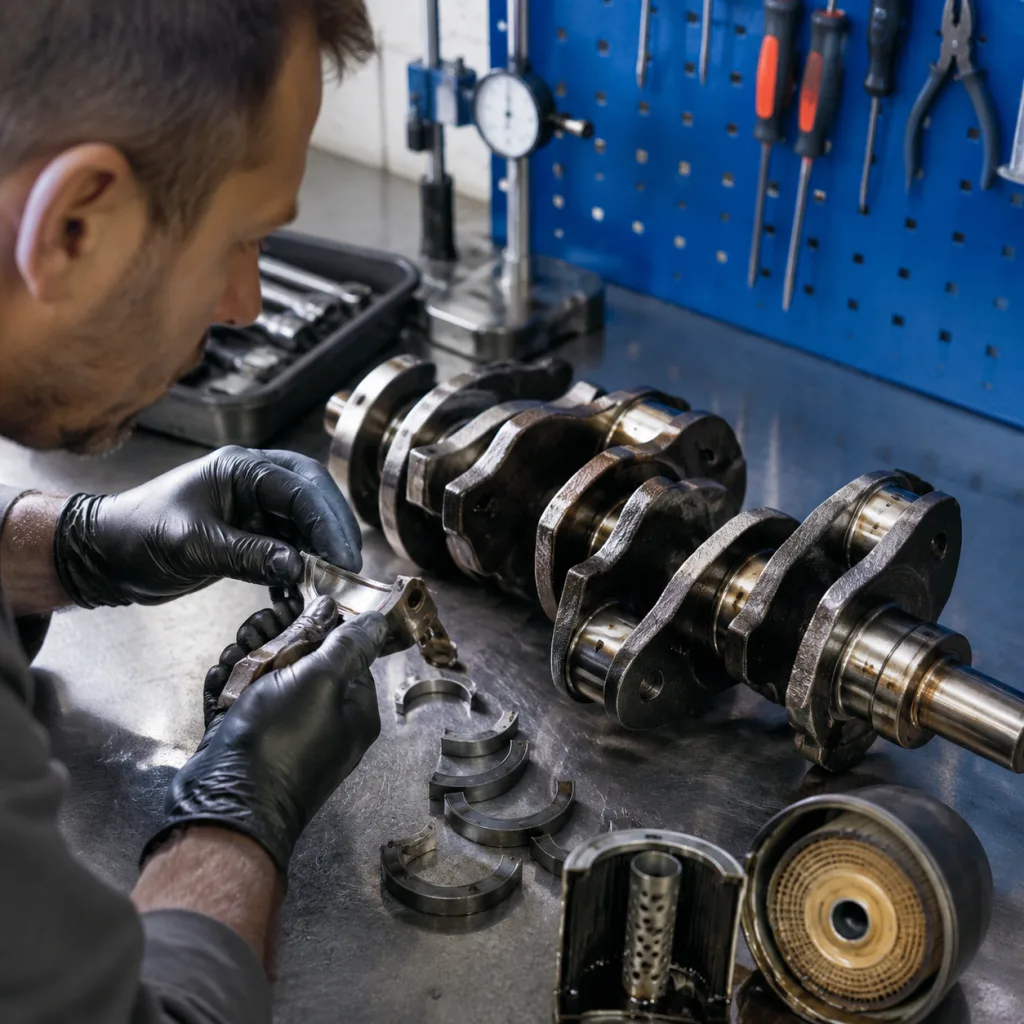
- Small-end bore, bushing ID, and pin clearance target, usually approved against the piston pin specification rather than catalogue text
- Rod bolt grade, thread form, and tightening method, with torque or angle data supplied for the exact hardware revision
- Weight matching, often requested as a batch window of 1-3 g for OEM-style programmes and tighter for performance or paired-set orders
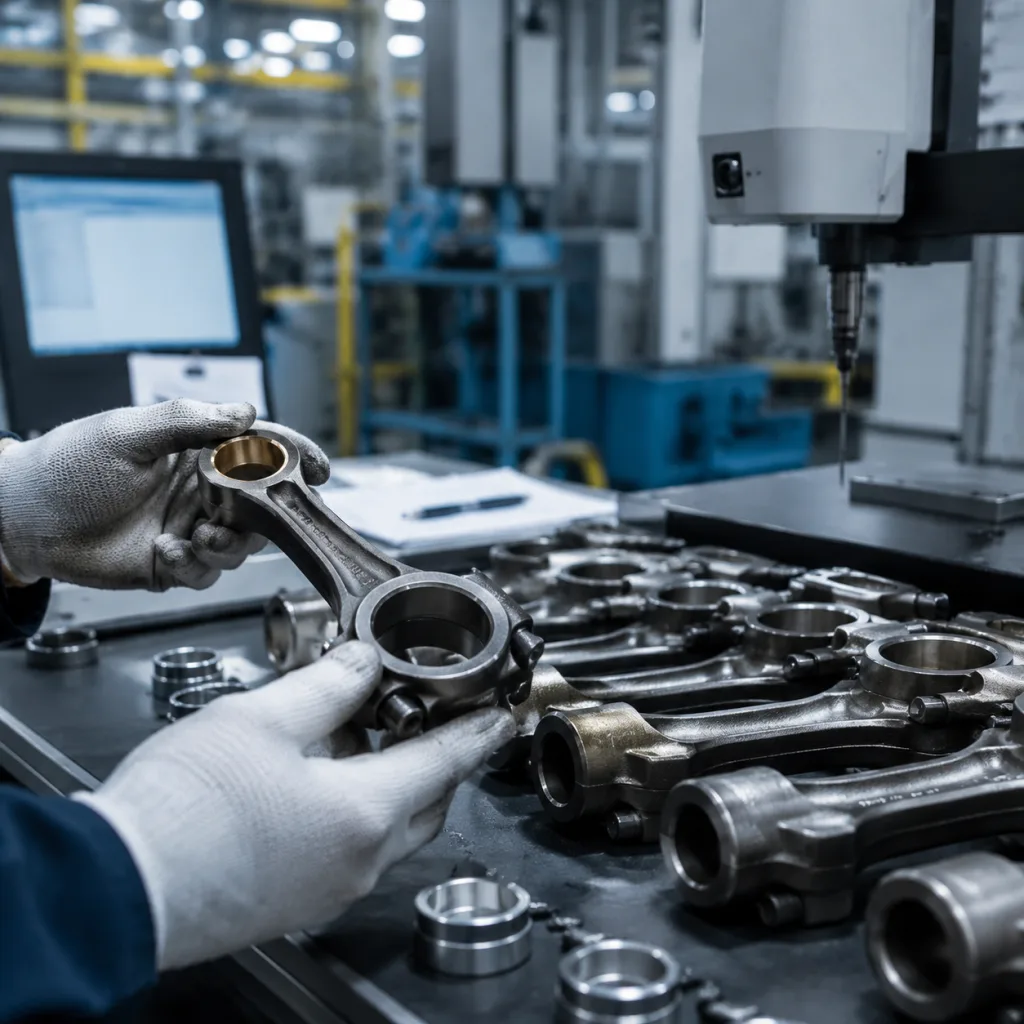
- Surface condition, crack-free forging, and shot-peen coverage across the beam and transition radii
- Packaging that protects bore geometry during transit and keeps mixed batches separated by date code
If you source across multiple markets, keep a master approval file by application. That file should include measured samples, lab reports, gauge method notes, and any OE 06A… cross-reference used only for fitment identification. For repeat orders, buyers should also lock the approved revision level so the same rod length, bolt pack, and machining standard are not silently substituted.
Materials, process control, and traceability
A reliable connecting rod starts with material control. Most passenger-car rods are produced from forged alloy steel or powder-forged steel, depending on the engine and required fatigue margin. The key is not the marketing description of the material, but the actual chemistry, heat treatment, hardness profile, and machining consistency.
Procurement teams should request:
| Item | What to confirm |
|---|---|
| Material | Alloy grade, melt source, heat number, and whether the rod is forged, powdered, or fractured-cap style |
| Heat treatment | Hardened and tempered condition, with recorded cycle temperature, soak time, and quench/temper lot |
| Hardness | Production range, commonly verified in HRC or HB at the beam and cap, with the test location marked |
| Surface treatment | Shot peening intensity, coating type, corrosion protection, and coverage on stress-critical areas |
| Traceability | Batch code, date code, forging lot, machining lot, and inspection record linked to the shipping carton |
| Cleanliness | No burrs, sharp edges, oil contamination, or cap-parting debris that could affect assembly |