Engine Block Isuzu Wholesale: Sourcing Guide
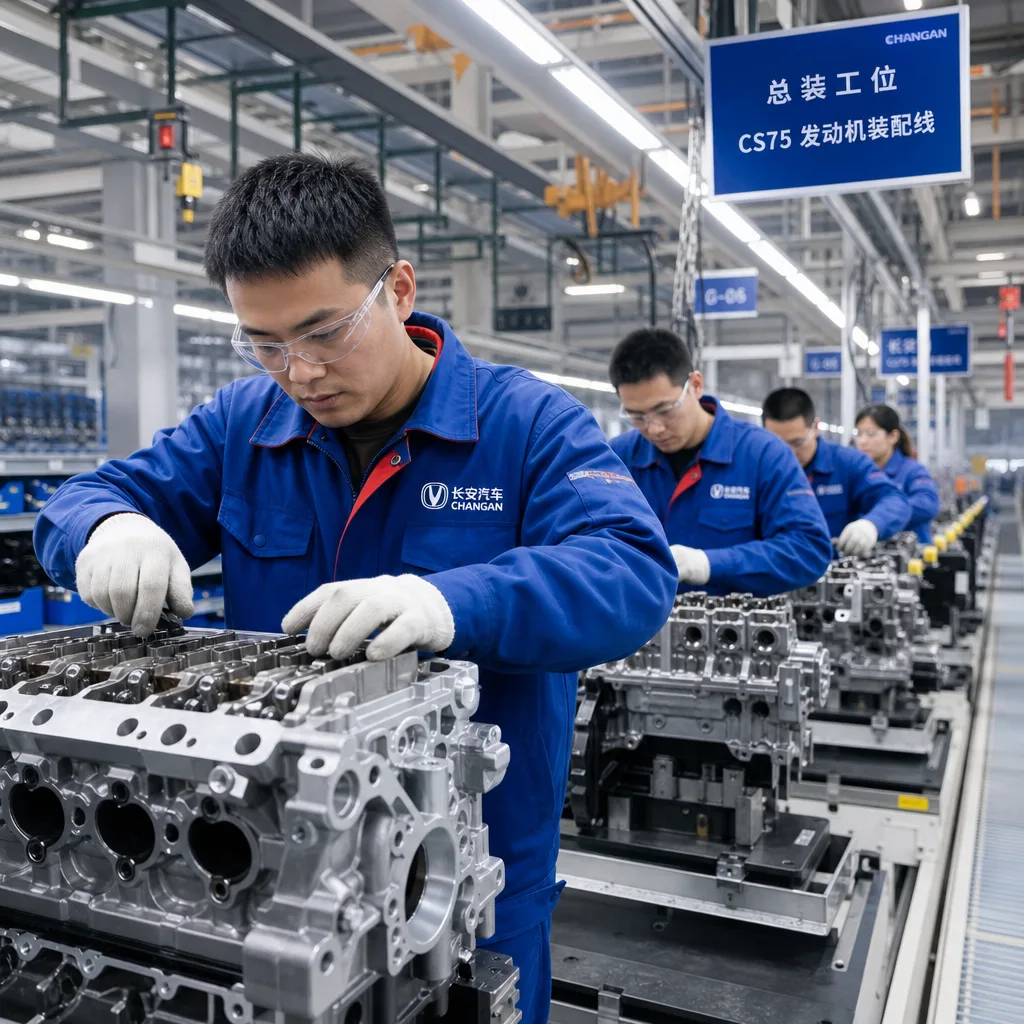
If you source engine block Isuzu wholesale parts for distributors, repair networks, or remanufacturing programmes, the biggest risks are rarely limited to purchase price. Dimensional mismatch, uneven casting quality, and inconsistent machining across batches can all turn a seemingly straightforward order into a costly receiving issue. A block may visually match the part you need and still fail on deck height, bore roundness, main bearing alignment, or coolant passage cleanliness. Procurement teams should therefore confirm repeatable supply, documented inspection, and controlled cross-reference data before committing to volume. Driventus is an independent aftermarket manufacturer; brand names are referenced for fitment only. We supply engine and powertrain components from Taizhou, Zhejiang, to B2B buyers in more than 60 countries, supported by `IATF 16949:2016` and `ISO 9001:2015` systems. This article explains what to verify when buying Isuzu-compatible engine blocks at wholesale level, how to compare suppliers, and which documents should be in the file before first shipment.
Start with fitment, not price
For `engine block isuzu wholesale` sourcing, the first decision is whether the block truly matches the engine family you need. Confirm engine code, displacement, fuel type, bore spacing, deck height, and main journal layout before you compare quotations. If a listing shows an OE cross-reference such as `OE 06A107065`, treat it as a fitment clue, not proof of compatibility.
Key buyer checks:
- Casting material and grade, usually grey iron or alloyed cast iron for diesel and light-duty applications
- Machining state: raw casting, semi-machined, or fully machined block
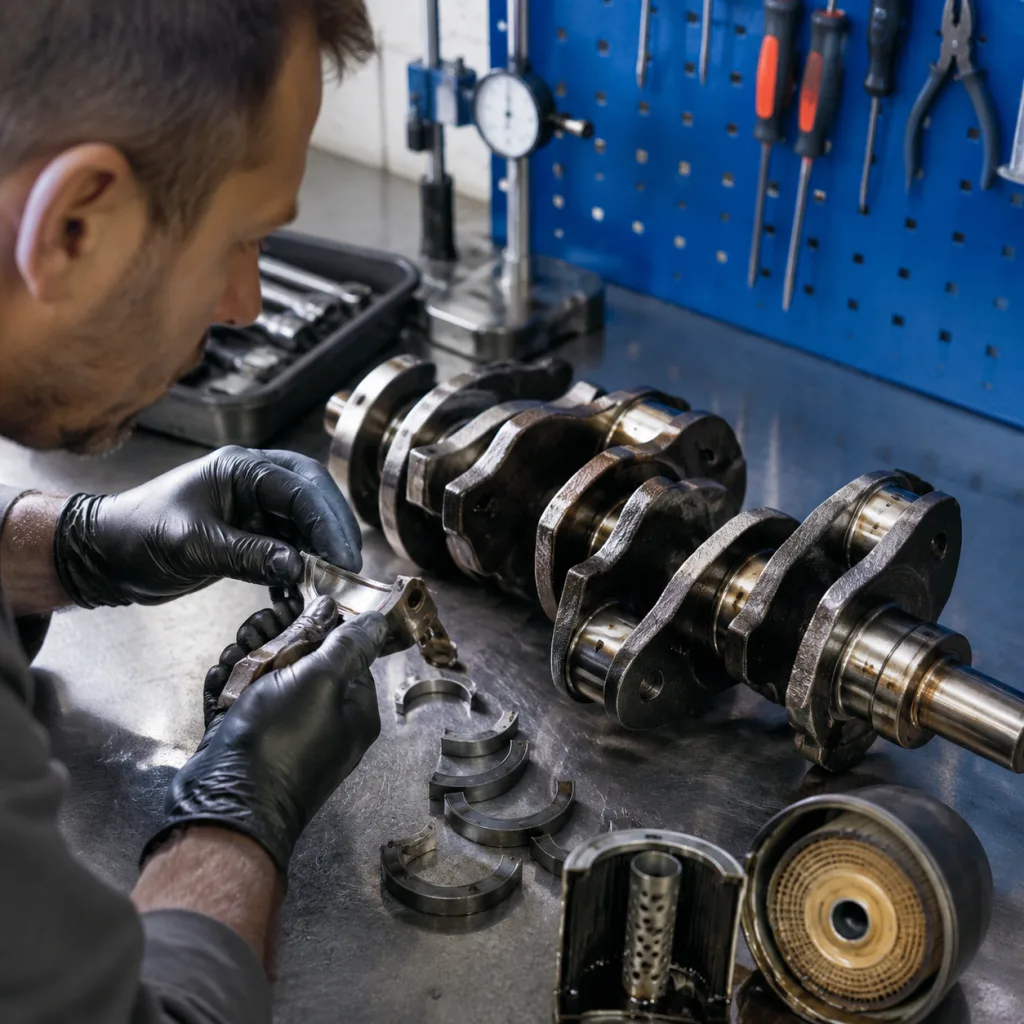
- Bore finish, deck flatness, main bore alignment, and thread integrity
- Coolant and oil gallery cleanliness after machining
- Packaging and rust prevention for sea freight
A practical first-pass spec is a bore tolerance around ±0.01 mm on finished machining, deck flatness within 0.03 mm across the gasket surface, and main bore alignment within 0.02 mm, unless your rebuild standard is stricter. For first-run approval, ask for at least 1 pre-production sample and 3 randomly selected production samples from the first lot.
Where wholesale programs fail
Most sourcing problems do not show up in the catalog. They show up at receiving, during assembly, or after the first field return. The failure pattern is usually repeatable: inconsistent machining between batches, incomplete cleaning, weak traceability, or vague dimensional claims that cannot be verified.
Common failure modes:
- Bore size looks correct on paper but varies by batch
- Deck height drifts enough to affect compression and gasket sealing
- Main bore alignment is not controlled after machining
- Coolant galleries contain chips or abrasive residue
- Lot labels do not map to inspection records
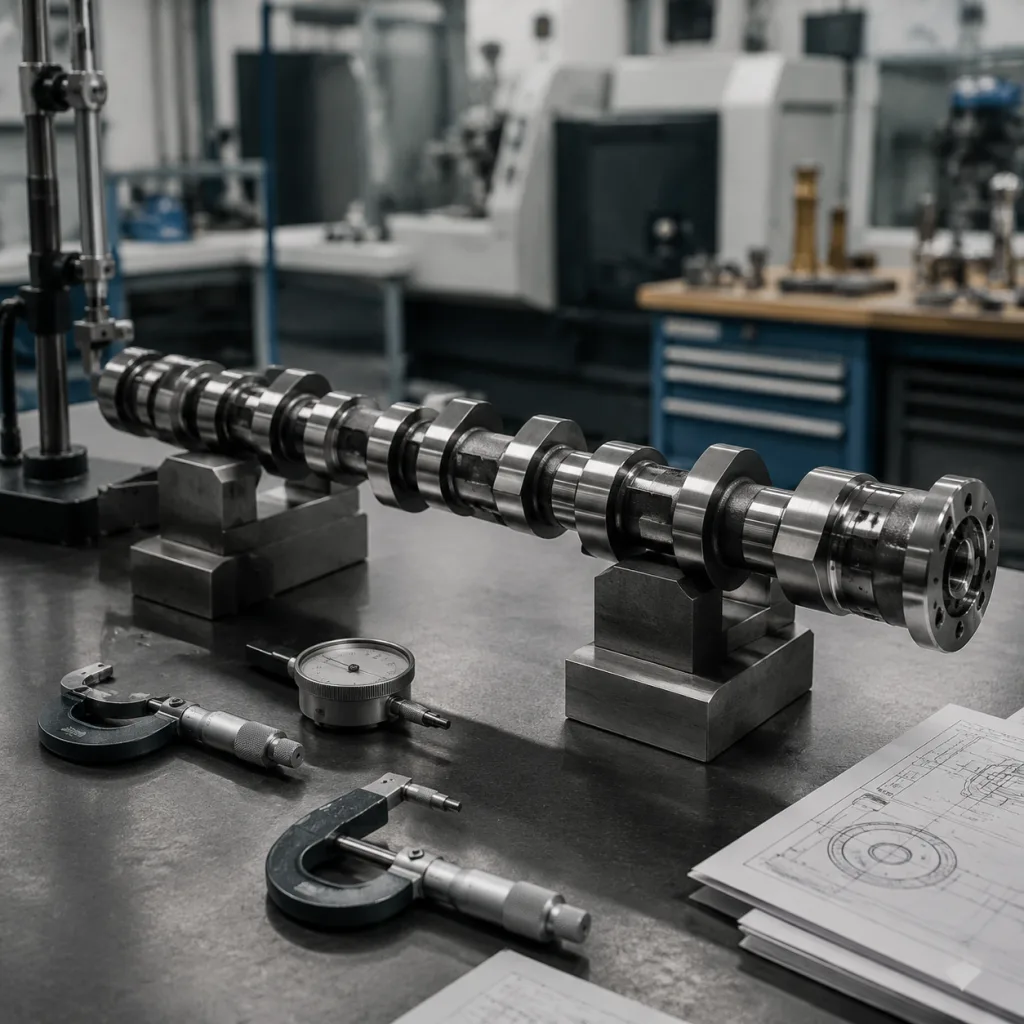
The fastest way to reduce these risks is to ask for the exact measurement method. Do not accept a quote that says “within standard tolerance” without numbers. Request bore diameter, roundness, taper, deck flatness, and pressure-test values in writing. If the supplier cannot name the gauge, test pressure, or inspection frequency, they are selling promise, not process.
Compare suppliers on measurable specs
The best comparison is a side-by-side spec sheet, not a sales pitch. Put every supplier on the same worksheet and ask them to quote the same measurements and test methods. That removes noise and makes price meaningful.
| Item | What to confirm | Why it matters |
|---|---|---|
| Material | Casting grade and chemistry | Strength, machinability, crack resistance |
| Bore size | Nominal bore and tolerance | Piston fit and rebuild compatibility |
| Deck height | Measured from crank centreline | Compression and head gasket fit |
| Main bore | Alignment and diameter after machining | Crankshaft support and bearing life |
| Surface finish | Ra target on gasket and machined faces | Sealing performance |
| Pressure test | Coolant jacket leak test method | Detects casting porosity |
| Traceability | Lot number and inspection file | Claims handling and recall control |