EGR valve · 2026-06-10

EGR Valve Infiniti OEM Supplier Sourcing Guide

Procurement teams sourcing an EGR valve for Infiniti applications need more than a catalogue match. They need a supplier that can control housing manufacture, valve movement, actuator performance, electronics, traceable subcomponents and shipment consistency. The goal is simple: parts should pass incoming inspection without repeated sorting, rework or unclear claim handling. This guide is written for importers, aftermarket distributors, OEM service-channel buyers and Tier-1 sourcing teams evaluating a China-based manufacturing partner for exhaust gas recirculation components. It covers supplier qualification, engineering data, validation expectations, packaging controls, MOQ structure and factory audit points. Driventus manufactures engine and powertrain components in Taizhou, Zhejiang, and exports to more than 60 countries under processes aligned with IATF 16949:2016 and ISO 9001:2015. Driventus is an independent aftermarket manufacturer; vehicle brand names are referenced for fitment identification only.

Sourcing scope for Infiniti EGR valve programmes

An EGR valve meters a controlled amount of exhaust gas back into the intake stream. This lowers peak combustion temperature and helps reduce nitrogen oxide (NOx) formation. For Infiniti fitments, sourcing work should begin with the exact application data rather than a generic part description. Important inputs include engine code, model year range, connector type, actuator design, mounting envelope, gasket interface and emissions-system configuration.

A credible EGR valve Infiniti OEM supplier should support standard catalogue supply as well as controlled engineering changes when the buyer provides drawings, samples or specification data. Driventus can review physical samples, 2D drawings, 3D data, OE part-number cross-references where supplied by the buyer, and fitment lists for aftermarket or service-channel programmes. We do not claim approval, authorisation or endorsement by any vehicle manufacturer.

Common purchasing inputs include:

  • Annual forecast by SKU and destination market
  • Sample requirement for dimensional and functional approval
  • Electrical connector image, pinout information or drawing
  • Actuation type: vacuum, stepper motor or DC motor with position feedback
  • Housing material, surface treatment and gasket requirement where specified
  • Target packaging: neutral box, distributor brand or bulk service pack
  • Required conformity documents, including material declarations where applicable

The commercial purpose also matters. Aftermarket boxed product, private label supply, service-channel replenishment and development programmes using buyer-owned drawings may require different approval files, packaging controls and change-notification rules. For programme screening, buyers can compare relevant EGR and engine products in our catalog and review related engine categories at /products/engine-components.html.

Supplier qualification: documents to request before pricing

Price comparison is useful only after the technical and quality baseline is fixed. For EGR valves, early supplier qualification should focus on process control, calibration repeatability, sub-supplier management and the supplier’s ability to prove conformity batch by batch. A low-cost quotation without validation records can create high warranty exposure, especially where the design includes electronic position sensing, motor control or tight leakage requirements.

Driventus operates under a documented quality system aligned with IATF 16949:2016 and ISO 9001:2015. For regulated markets, buyers may also request declarations related to REACH (EC) No 1907/2006 and other material compliance requirements applicable to the sales territory. Emissions-related vehicle regulations such as ECE R-83 may affect vehicle-level obligations; component suppliers should provide accurate part conformity data but should not overstate vehicle approval status.

</tr></thead><tbody> </tbody></table>A factory audit should include incoming material inspection, coil winding or motor sourcing controls, valve seat machining, shaft clearance checks, leak testing and end-of-line functional testing. Buyers should also ask how the supplier manages nonconforming material, customer complaints and corrective actions, because these processes determine how quickly a sourcing issue can be contained.

Technical validation for OE-equivalent EGR performance

A sourcing project should define what will be validated before serial shipment. EGR valve failure modes include sticking from carbon exposure, seat leakage, unstable position feedback, connector corrosion, abnormal noise, vacuum diaphragm leakage, thermal distortion and poor gasket compression. Validation must reflect the operating environment rather than only confirming static dimensions.

Recommended validation points include:

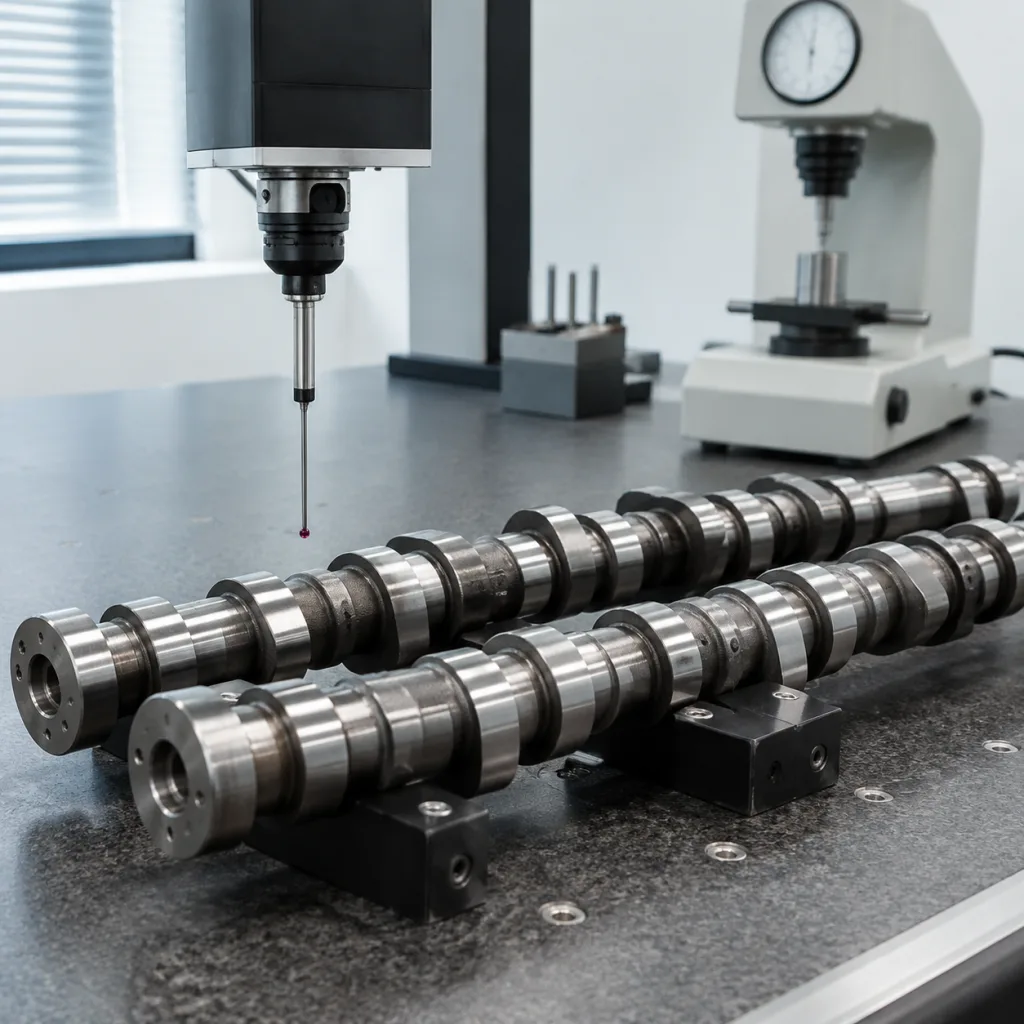
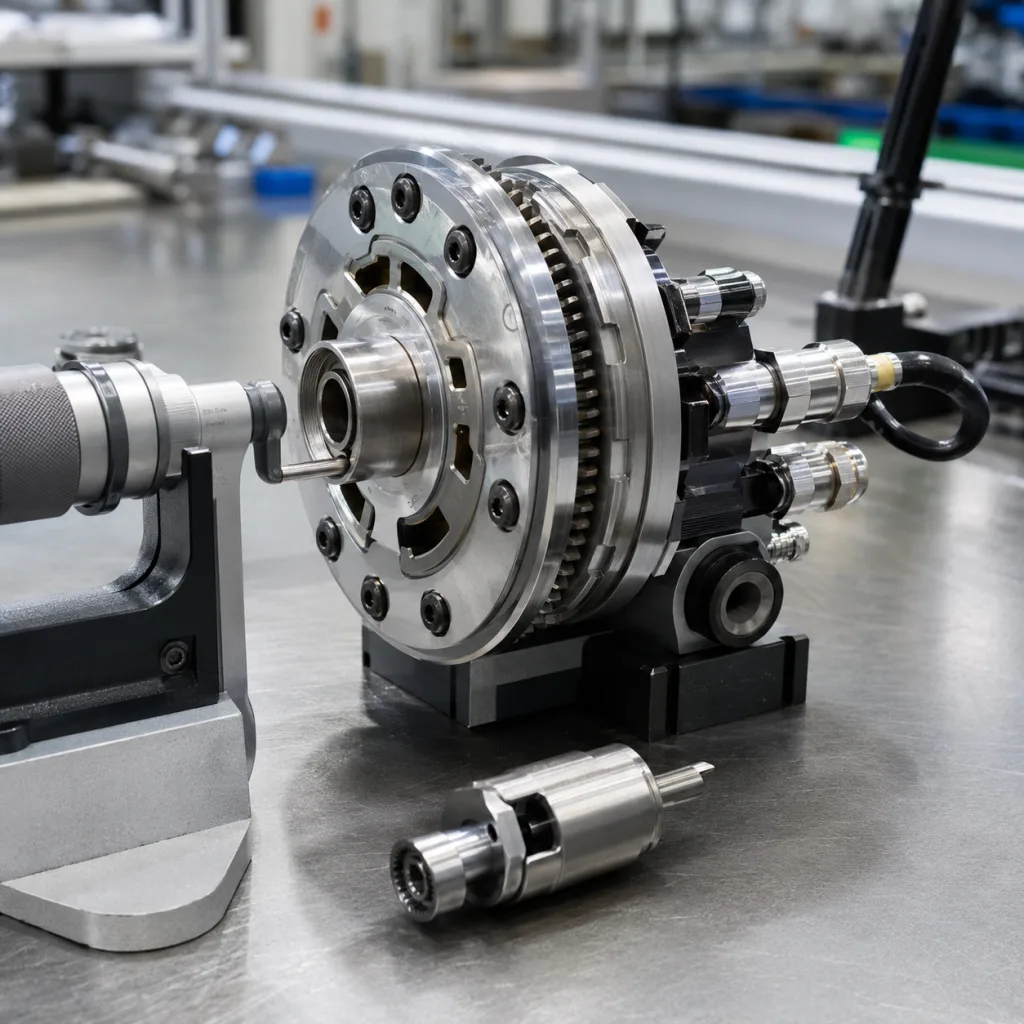
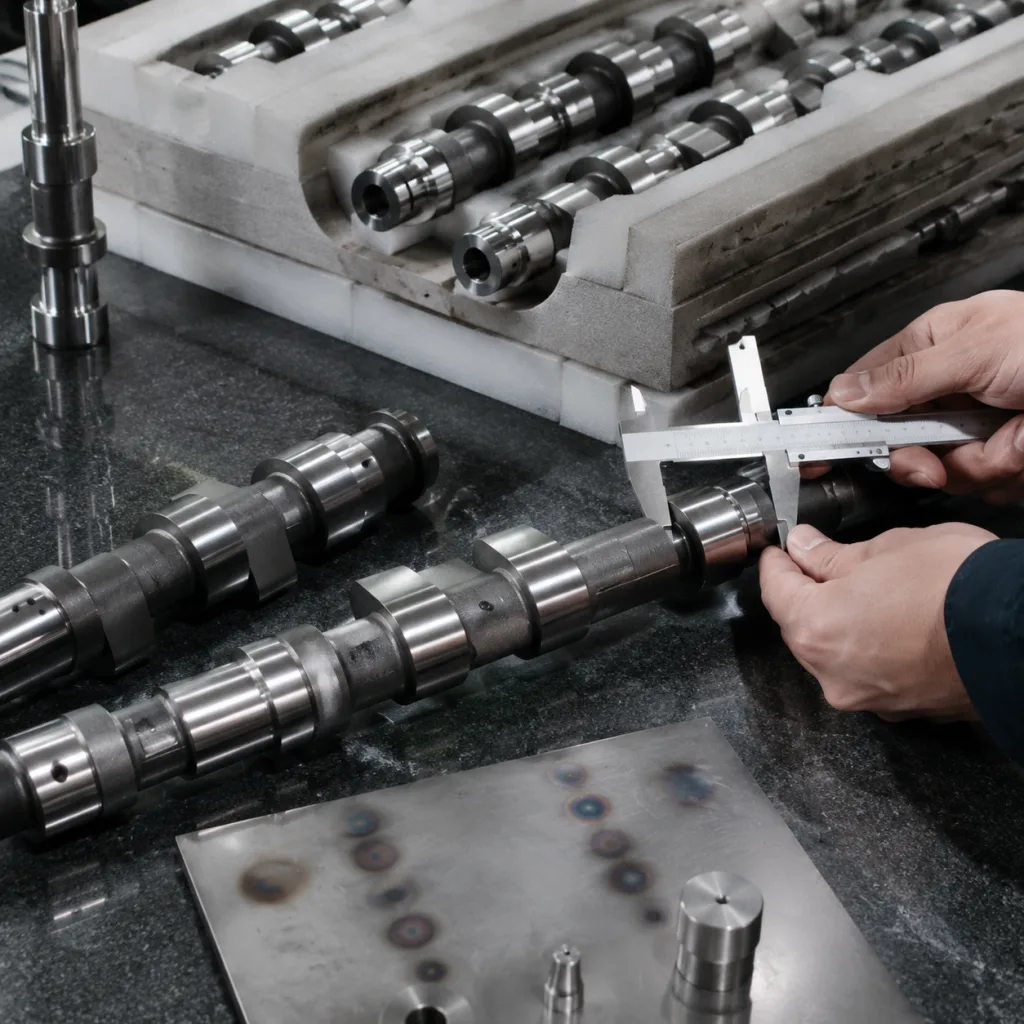
  • Dimensional inspection: flange flatness, bolt-hole position, port diameter, connector orientation, gasket interface and mounting clearance.
  • Functional response: opening and closing movement across the specified control signal range, with response time and repeatability checked where required.
  • Leakage test: closed-valve sealing under agreed pressure and temperature conditions.
  • Thermal cycling: repeated exposure to hot and cold conditions to check binding, cracks, seal degradation and electrical drift.
  • Vibration resistance: connector retention, fastener integrity and sensor stability under engine-bay vibration.
  • Corrosion exposure: surface protection for housings, shafts, fasteners and terminals.
  • Electrical checks: coil resistance, insulation, terminal quality and position-sensor signal where applicable.
  • Packaging drop resistance: protection of flange faces, solenoids and plastic connectors during international transport.

For programmes using an OE part-number cross-reference such as OE 06A107065, Driventus can compare geometry and functional requirements against supplied samples or drawings. Specific brand-owned part numbers should only be used when provided by the buyer for fitment reference. Driventus is an independent aftermarket manufacturer; brand names are referenced for fitment only.

For higher-risk programmes, buyers may request a staged approval path: sample inspection, functional bench testing, pilot production, pre-shipment inspection and first-batch monitoring. This approach helps confirm that the agreed design can be repeated in production rather than achieved only on a hand-prepared sample.

MOQ, lead time and supply-chain planning

For buyers assessing an EGR valve Infiniti OEM supplier, commercial terms should be linked to tooling condition, component availability, validation scope and inspection requirements. A distributor buying a current catalogue SKU has a different lead-time profile from an OEM service programme that needs buyer-specific castings, connectors, brackets, calibration settings or packaging.

Typical sourcing variables are shown below. Actual terms depend on SKU complexity, order mix, tooling status, component availability and forecast commitment.

Qualification item What procurement should verify Typical evidence
Quality certificationCurrent certificate scope covers automotive componentsIATF 16949:2016, ISO 9001:2015 certificates
Process capabilityStable machining, assembly and end-of-line testingControl plan, PFMEA, capability records
TraceabilityBatch-level link to housings, coils, motors, sensors, gaskets and final testLot codes, inspection reports
Engineering controlChange notification before material, tooling, process or supplier changesECN procedure, revision history
Measurement controlInspection devices are suitable, calibrated and linked to acceptance criteriaCalibration records, gauge list, test method
Export readinessLabelling, packing, customs documents and pallet standards are definedPacking specification, commercial documents

</tr></thead><tbody> </tbody></table>Buyers should provide a 6–12 month forecast when possible. This allows reservation of housings, motors, sensors, springs, diaphragms, fasteners and gasket sets. It also helps determine whether production should be arranged as one batch, staggered releases or a mixed-SKU shipment. For multi-location repair chains and regional distributors, demand is often uneven by market; a mixed-SKU container or quarterly release plan can reduce inventory pressure while preserving production efficiency.

Supply-chain planning should also account for destination requirements. Barcode formats, carton strength, pallet height, label language, humidity protection and spare-gasket packing can affect both warehouse efficiency and return rates. For private label and engineering-controlled programmes, Driventus supports custom manufacturing with drawing review, sample approval, packaging design and agreed change-control procedures.

Audit checklist for EGR valve production

A practical audit should follow the part from material receipt to final packing. Procurement staff do not need to inspect every technical detail, but they should confirm that the supplier has objective controls for the failure modes most likely to generate returns. The audit should show how a part is identified, measured, assembled, tested, packed and traced back to its critical subcomponents.

Production and inspection points

  • Incoming inspection for housings, shafts, springs, coils, motors, sensors, diaphragms, gaskets and connectors
  • Approved supplier controls for electronic, rubber and machined components
  • Machining control for valve seat concentricity, flange surfaces and mounting holes
  • Assembly work instructions with torque values, fixture references and operator checkpoints
  • Functional calibration or verification records for each production batch
  • Leak test criteria with documented pressure, time and acceptance limits
  • Electrical test records where the valve uses a motor, solenoid or position sensor
  • Visual checks for burrs, contamination, plating defects, damaged terminals and cracked plastic parts
  • Traceability labels linking finished goods to inspection lots
  • Nonconforming material area with segregation, disposition records and corrective-action follow-up

Packaging and export controls

EGR valves often fail in transit because connectors, ports or flange faces are not protected. Packaging should include cavity protection, separator trays or formed inserts where needed, desiccant if specified, scannable labels and pallet stacking limits. Export cartons should withstand container loading, humidity variation, warehouse handling and mixed-SKU distribution.

Driventus can support remote document review or on-site customer audit in Taizhou. Audit scope may include process flow, PFMEA, control plan, inspection equipment calibration, operator training records, warehouse traceability and export packing verification. For repeat orders, buyers can agree on routine reporting such as batch inspection summaries, pre-shipment photos and corrective-action updates when claims occur.

How to prepare an RFQ for faster supplier response

A complete RFQ reduces engineering back-and-forth and produces a more reliable quotation. Instead of asking only for a unit price, buyers should define the product, market, inspection level and commercial assumptions. This is especially important for EGR valve projects because small differences in connector, actuator, flange shape or calibration can create fitment or diagnostic issues.

Include these details in the RFQ:

  • Application list, engine code and model year range
  • Sample, drawing or OE reference where available, using formats such as OE 06A… or OE 11251… only when relevant
  • Photos of the valve from multiple angles, including connector, ports, flange and label if available
  • Annual volume forecast and first order quantity
  • Destination country and Incoterms preference
  • Required certifications and compliance documents
  • Packaging format, barcode requirement and language requirements
  • Target approval process: sample test, dimensional report, PPAP-style file or customer-specific checklist
  • Warranty handling process and expected response time for field claims
  • Any restricted materials, approved sub-suppliers or change-notification requirements

When comparing suppliers, avoid selecting only on the lowest first quotation. A stable source should demonstrate repeatable actuation, low leakage, controlled electronics, strong packaging and transparent change notification. These factors affect landed cost, return rate and distributor confidence more than the initial unit price alone.

Buyers ready to evaluate EGR valve supply can request a quote with fitment data, photos, drawings or target volumes. Clear inputs allow Driventus to confirm feasibility, advise whether a catalogue or buyer-specific route is more appropriate, and prepare a quotation that reflects the required quality and documentation scope.

Frequently asked questions

Yes. Driventus can review fitment data, samples or drawings for Infiniti applications and quote catalogue or buyer-specific EGR valve supply where technically feasible. We do not claim approval, authorisation or endorsement by any vehicle manufacturer.

Typical documents include IATF 16949:2016 and ISO 9001:2015 certificates, inspection reports, control plans, packing specifications, traceability records and material compliance declarations where applicable. Project-specific documentation can be agreed before order placement.

MOQ and lead time depend on tooling status, connector type, actuator design, electronics availability, validation scope, packaging format and forecast volume. Catalogue items are usually faster than buyer-specific variants requiring new tooling, fixtures or approval testing.

If you are qualifying an EGR valve Infiniti OEM supplier for distribution, service-channel or engineering-controlled supply, send the fitment list, samples or drawings for review. Contact Driventus through /contact.html

Request a Quote
Item Catalogue SKU Buyer-specific variant
Sample lead time10–25 working days when parts are available25–60 working days depending on tooling and fixtures
Production lead time30–45 days after order confirmation45–90 days after approval and material readiness
MOQ basisUsually per SKU and box specificationUsually per SKU, tooling status and component MOQ
PackagingNeutral, Driventus or agreed distributor formatCustom label, carton and pallet plan available
DocumentationInspection report, packing list, invoicePPAP-style package or agreed approval file where required