camshaft · 2026-06-10

Camshaft Acura Wholesale Sourcing for B2B Buyers

Camshaft Acura wholesale sourcing is a precision-driven procurement decision, not a catalogue-matching exercise. For distributors, Tier-1 sourcing teams and repair-chain buyers, the main risk is not only a delayed shipment; it is receiving parts with the wrong fitment assumptions, inconsistent lobe geometry, insufficient surface hardness, weak traceability or export packaging that fails before the parts reach the warehouse. Driventus manufactures engine and powertrain components in Taizhou, Zhejiang, and supplies B2B customers in more than 60 countries. This guide explains how to qualify Acura-fit camshaft supply from an independent aftermarket manufacturer, covering fitment control, materials, machining, MOQ planning, documentation, audits and export readiness. Driventus is an independent aftermarket manufacturer; brand names are used for fitment reference only. No statement in this article implies approval, endorsement or authorisation by any vehicle manufacturer.

Procurement Scope for Acura-Fit Camshafts

A wholesale camshaft programme should begin with a controlled fitment list rather than a broad model-year range. Buyers need to define the engine family, intake or exhaust position, valve-train layout, cam sensor features, oil-feed details, journal count and any phaser or sprocket interface before requesting pricing. Small dimensional differences can cause installation failure even when two camshafts appear similar in a catalogue photo.

The buying objective varies by channel. Distributors often stock camshafts for older and mid-life applications where aftermarket demand is stable and reorder patterns are predictable. Repair chains need repeatable quality across multiple branches, consistent labels and replenishment that does not disrupt service schedules. OEM service and Tier-1 projects usually require tighter drawing control, customer-specific approval evidence and dedicated inspection reporting.

Driventus can review drawings, samples or buyer-controlled references against our catalog. For Acura-fit camshafts outside standard listings, custom manufacturing can be considered after technical review, sample validation and volume assessment.

Factory Capability and Quality Controls

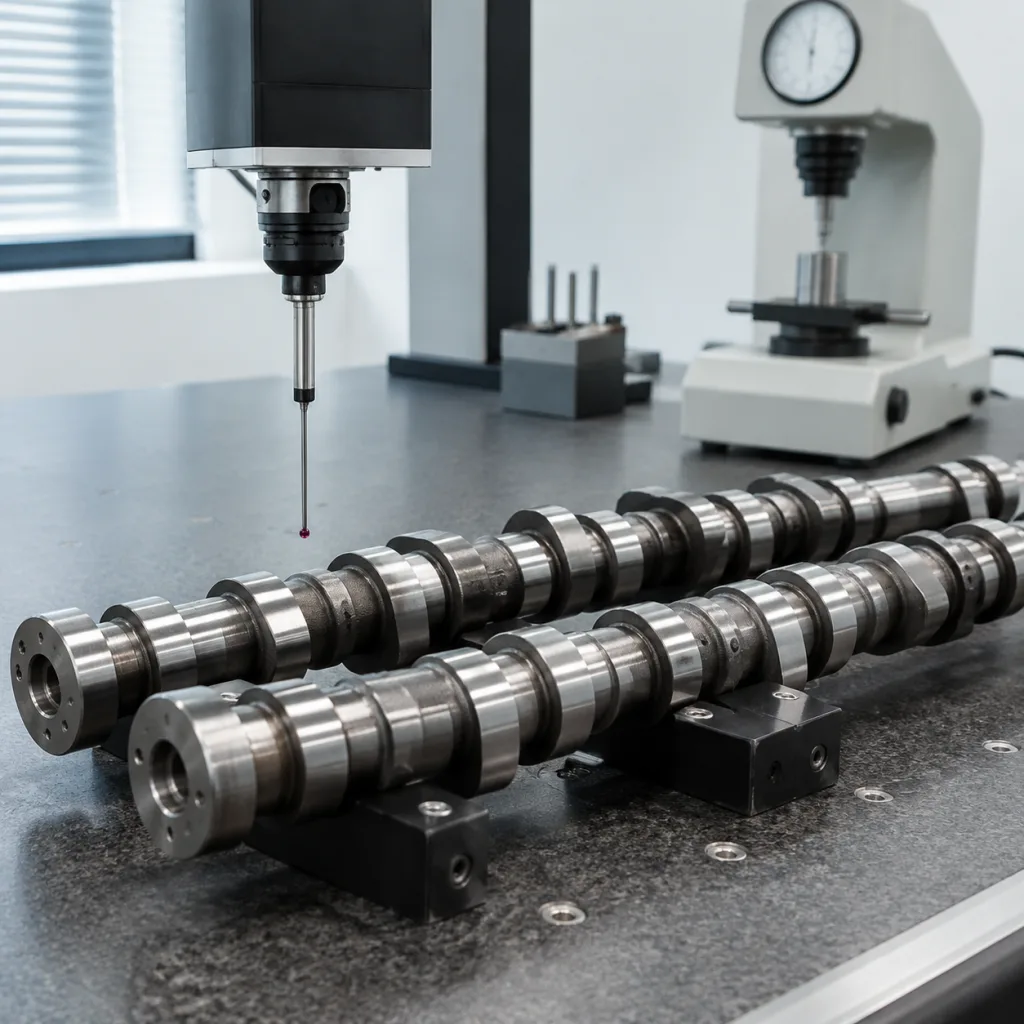
Camshaft production depends on disciplined control of material selection, heat treatment, straightness, journal finish and lobe profile. A supplier audit should therefore go deeper than product photos or a sales catalogue. Buyers should ask how incoming steel or cast blanks are verified, how machining offsets are adjusted, how hardness is measured and how nonconforming parts are identified, contained and corrected.

Driventus operates under IATF 16949:2016 and ISO 9001:2015 certified management systems. These certifications do not replace part validation, but they provide a framework for document control, corrective action, traceability and continuous improvement. Procurement teams can review the quality system before placing trial orders or planning a factory audit.

Typical camshaft control points include:

</tr></thead><tbody> </tbody></table>Importers selling into the European Union should also consider REACH (EC) No 1907/2006 for substances in articles, coatings, cleaning residues and packaging materials. Chemical compliance should be confirmed as part of the import file rather than treated as an afterthought at customs clearance.

MOQ, Lead Time and Forecast Planning

MOQ and lead time depend on whether the buyer is ordering an existing catalogue item, requesting private-label packaging or developing a new camshaft. Existing part numbers usually require a lower commitment because production routes and inspection references are already established. New development may require sample parts, metrology review, buyer-agreed durability checks and packaging approval before bulk release.

A practical wholesale planning model is shown below. Figures should be treated as planning ranges rather than a universal quotation, because final terms depend on specification, annual volume, packaging format and inspection requirements.

Control area Procurement check Why it matters
Material traceabilityHeat or batch record availableSupports containment if a defect is reported
Journal diameterChecked against controlled drawingReduces oil-clearance and seizure risk
Lobe lift and profileProfile inspection by batchProtects valve timing and engine performance
Surface hardnessHeat-treatment verificationReduces abnormal wear during service
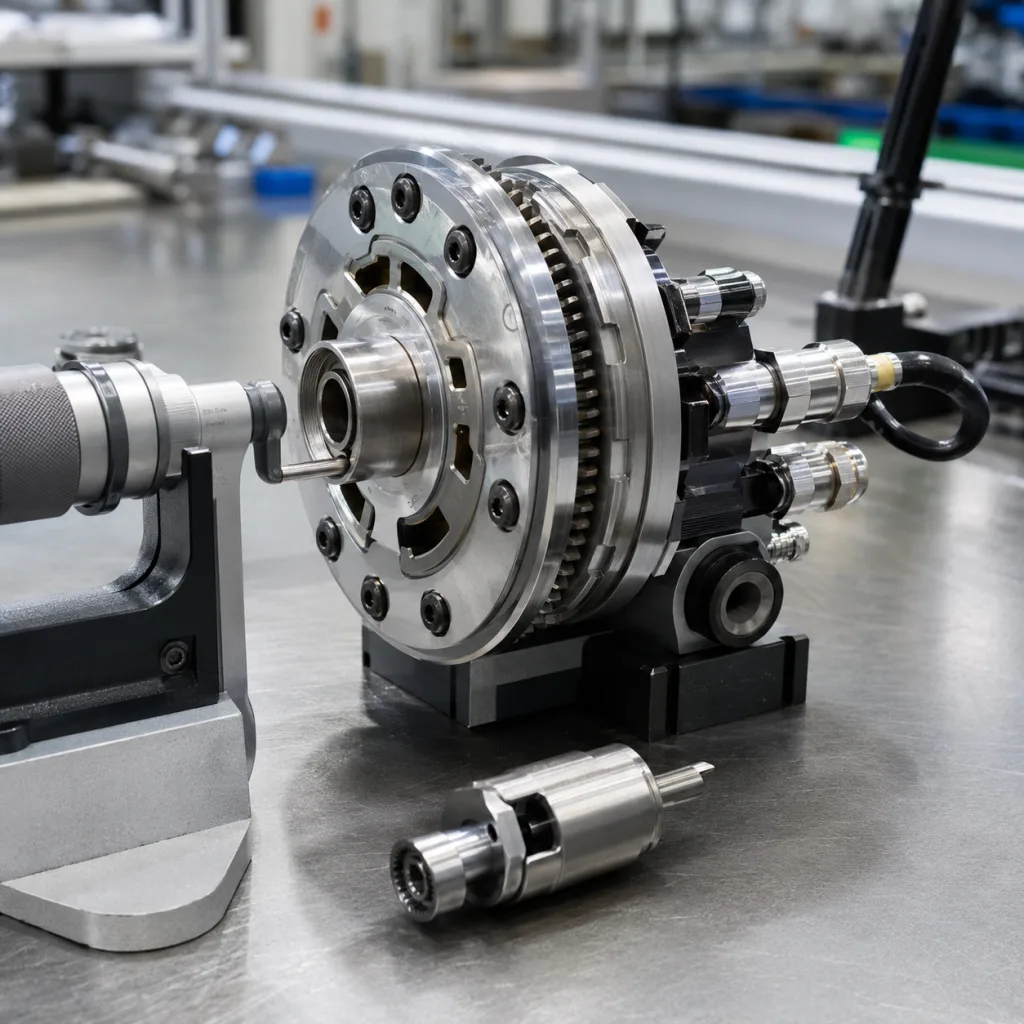
Runout and straightnessFinal inspection before packingPrevents installation and bearing-load issues
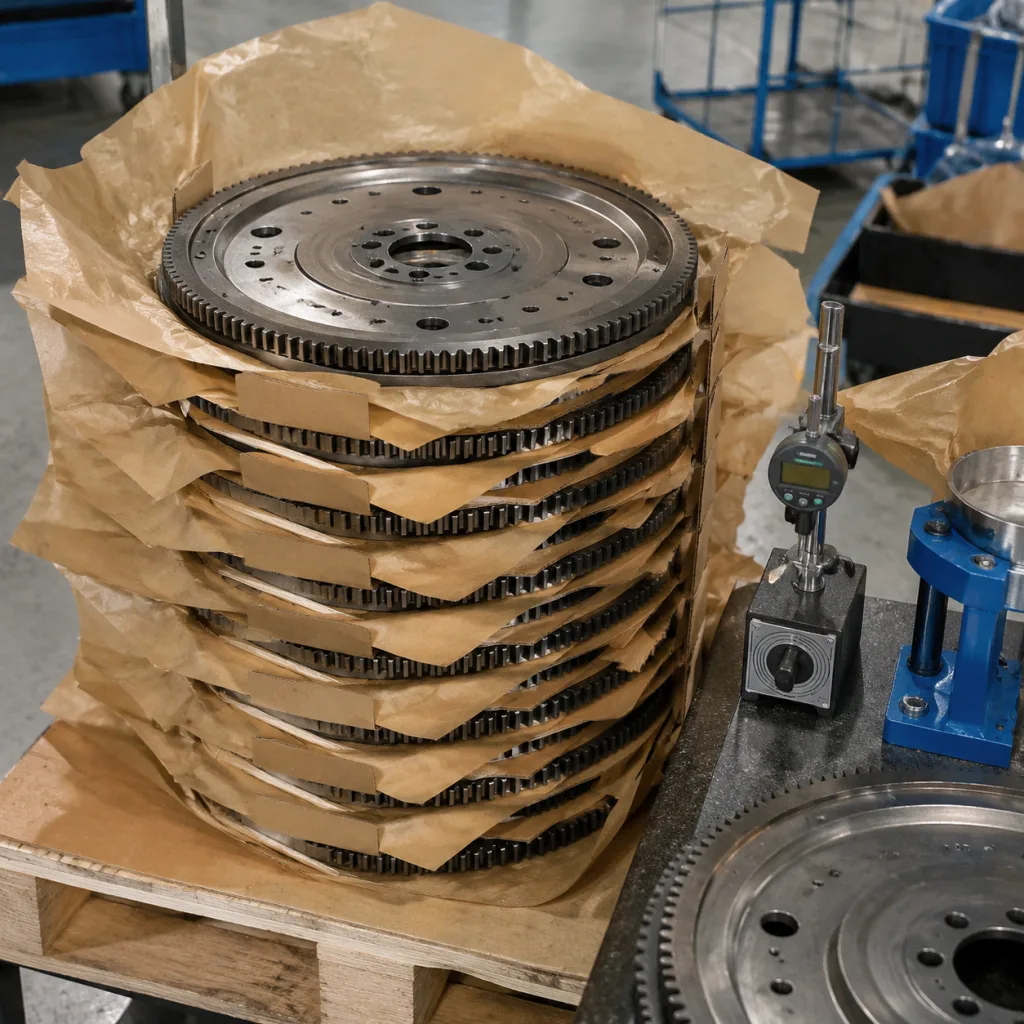
Rust preventionExport packing and oiling methodProtects parts during sea freight and storage

</tr></thead><tbody> </tbody></table>For import managers, a rolling 3- to 6-month forecast reduces premium freight risk and gives the factory time to reserve machining, heat-treatment and final-inspection capacity during seasonal peaks. Buyers should specify whether they require mixed-SKU consolidation, pallet labelling, neutral packaging, private-label cartons or documentation split by purchase order.

Technical Specification Data to Confirm

A camshaft quotation should not be based only on vehicle make and model. Procurement teams should use a technical confirmation sheet that records the features affecting installation, timing accuracy and durability. This discipline is useful for aftermarket distribution, repair-chain programmes and any order where a wrong-fit shipment would create branch-level disruption or warranty exposure.

Recommended specification list:

  • Engine application and cylinder head configuration, including intake or exhaust position.
  • Overall length, journal count, journal diameters and thrust face layout.
  • Lobe count, nominal lift, base circle diameter and lobe separation data where available.
  • Sensor trigger, slot or reluctor feature geometry.
  • Cam phaser, sprocket or timing gear interface details.
  • Material route, such as cast iron, chilled cast iron or steel billet where specified.
  • Heat-treatment method, target hardness range and hardness test location.
  • Surface finish requirements for journals and lobes.
  • Straightness or runout acceptance criteria.
  • Packaging, corrosion protection and shelf-life expectations.

For emissions-sensitive engines, cam timing affects combustion stability and can influence vehicle compliance after repair. Standards such as ECE R-83 define emissions requirements for motor vehicles, but a component supplier should not claim vehicle-level compliance from a camshaft alone. The buyer remains responsible for market-specific legal obligations, application approval and fitment decisions.

Audit, Documentation and Import Readiness

For wholesale buyers, supplier qualification often includes a remote review or on-site factory audit. The audit should check process flow, inspection records, calibration status, operator training, nonconforming-material control and traceability from raw material to packed carton. A clean showroom is less important than evidence that the same control plan is followed for every production batch.

Driventus can support B2B sourcing teams with business documentation, certificate copies, batch inspection records where agreed, packing lists, commercial invoices and export coordination. For buyers in the EU, UK, US, Canada, Australia and Brazil, the import file may also require country-of-origin details, importer-led tariff classification review, wood packaging compliance when pallets are used, and clear product descriptions for customs brokers.

Supplier scorecards should combine quality, delivery and service measures. Useful metrics include on-time delivery, complaint rate by shipped quantity, corrective-action response time, label accuracy, carton damage rate and forecast adherence. This makes reordering decisions more objective than comparing unit price alone.

How to Start a Wholesale Enquiry

A complete enquiry shortens quotation time and reduces avoidable engineering loops. Buyers should provide the application list, expected annual quantity, target market, packaging preference, Incoterms requirement, sample expectations and any drawing or inspection format required by their internal process. If the project is confidential, a non-disclosure agreement can be discussed before controlled drawings or samples are exchanged.

For camshaft Acura wholesale enquiries, Driventus will typically confirm fitment scope, production route, MOQ, estimated lead time, packaging method and inspection documentation before issuing a formal offer. If the part is not already in production, the team will identify whether a supplied sample, drawing or additional technical data is required.

Use request a quote when the part list and volumes are ready. For broader engine sourcing programmes, camshafts can also be reviewed alongside pistons, crankshafts, gaskets, water pumps and other items in the engine components range.

Frequently asked questions

Yes. Private-label packaging can be discussed for wholesale orders, subject to MOQ, artwork approval, barcode requirements and market restrictions. Driventus is an independent aftermarket manufacturer; brand names are referenced for fitment only.

Send the application list, intake or exhaust position, annual volume, target market, packaging requirements and any drawing, sample or inspection standard your team uses. More complete technical data usually means a faster and more accurate quotation.

No. These standards support controlled processes, traceability and corrective action, but fitment still depends on correct application data, dimensional matching, inspection and buyer approval of samples where required.

If you are qualifying a camshaft supplier for distribution, repair-chain or OEM service programmes, send the fitment list and forecast for review. Contact Driventus to discuss MOQ, lead time and documentation at /contact.html

Request a Quote
Purchase scenario Typical MOQ driver Lead-time factor Buyer action
Existing catalogued camshaftBatch production economyStock status and finishing capacityConfirm fitment list and annual forecast
Private-label wholesale orderLabel, box and carton setupPackaging artwork approvalProvide barcode and carton requirements early
New Acura-fit developmentTooling, sample and inspection planDrawing review and validation cycleSend sample, 2D drawing or detailed specification
Repair-chain replenishmentService level and regional demandConsolidated shipment scheduleShare branch-level consumption data