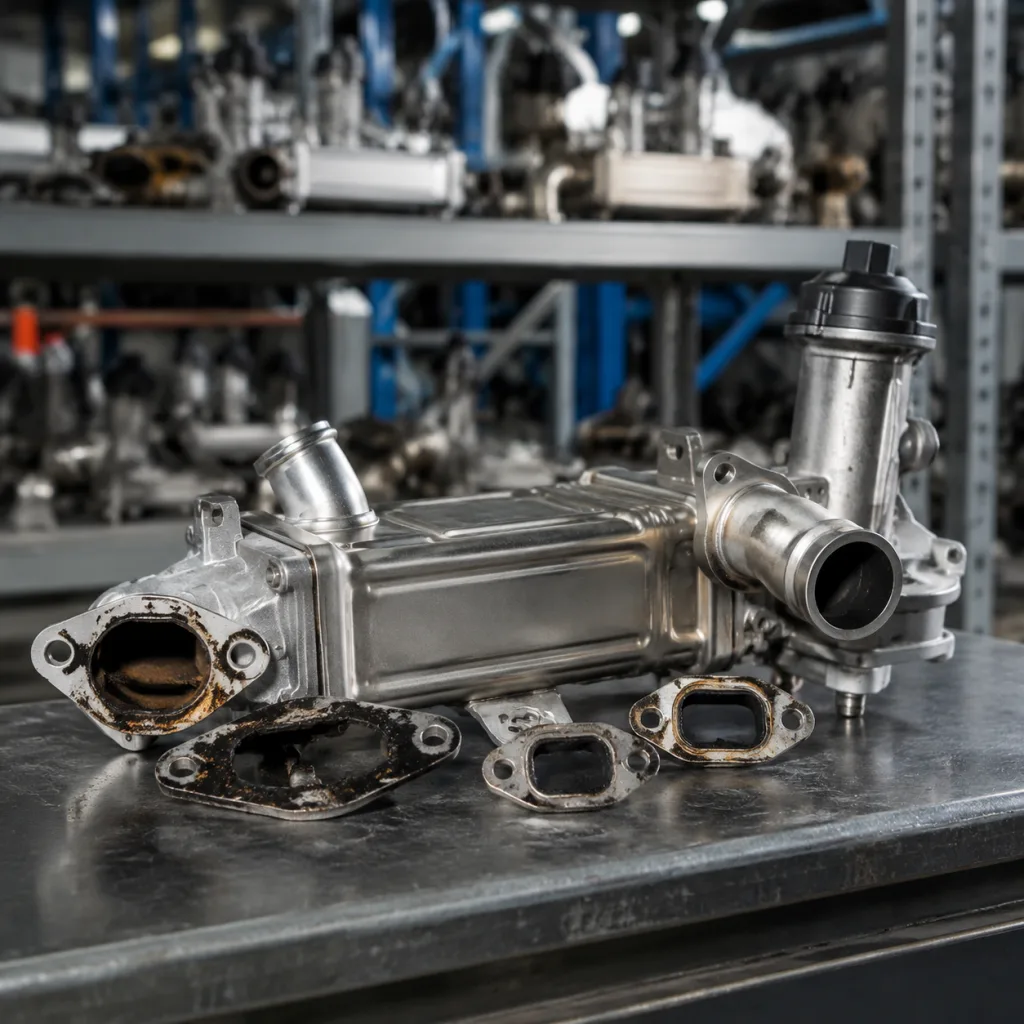
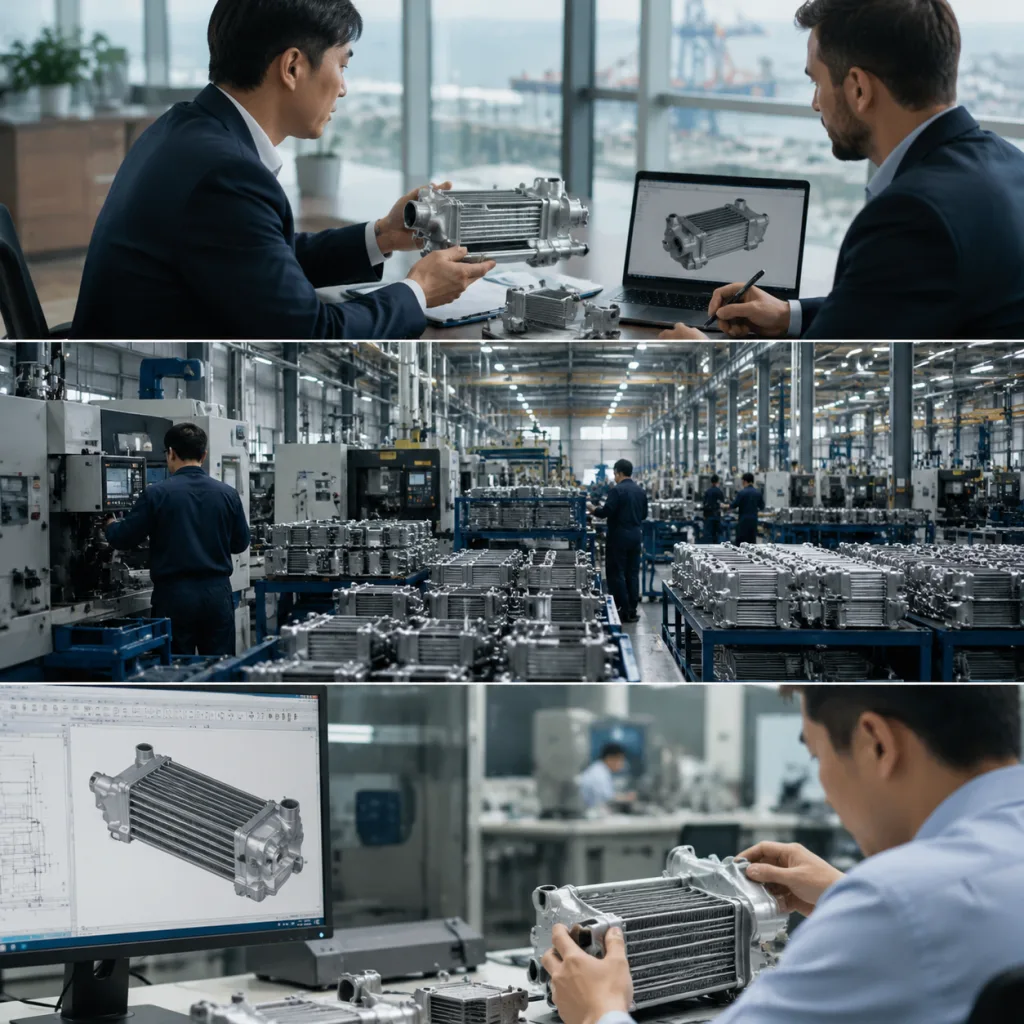
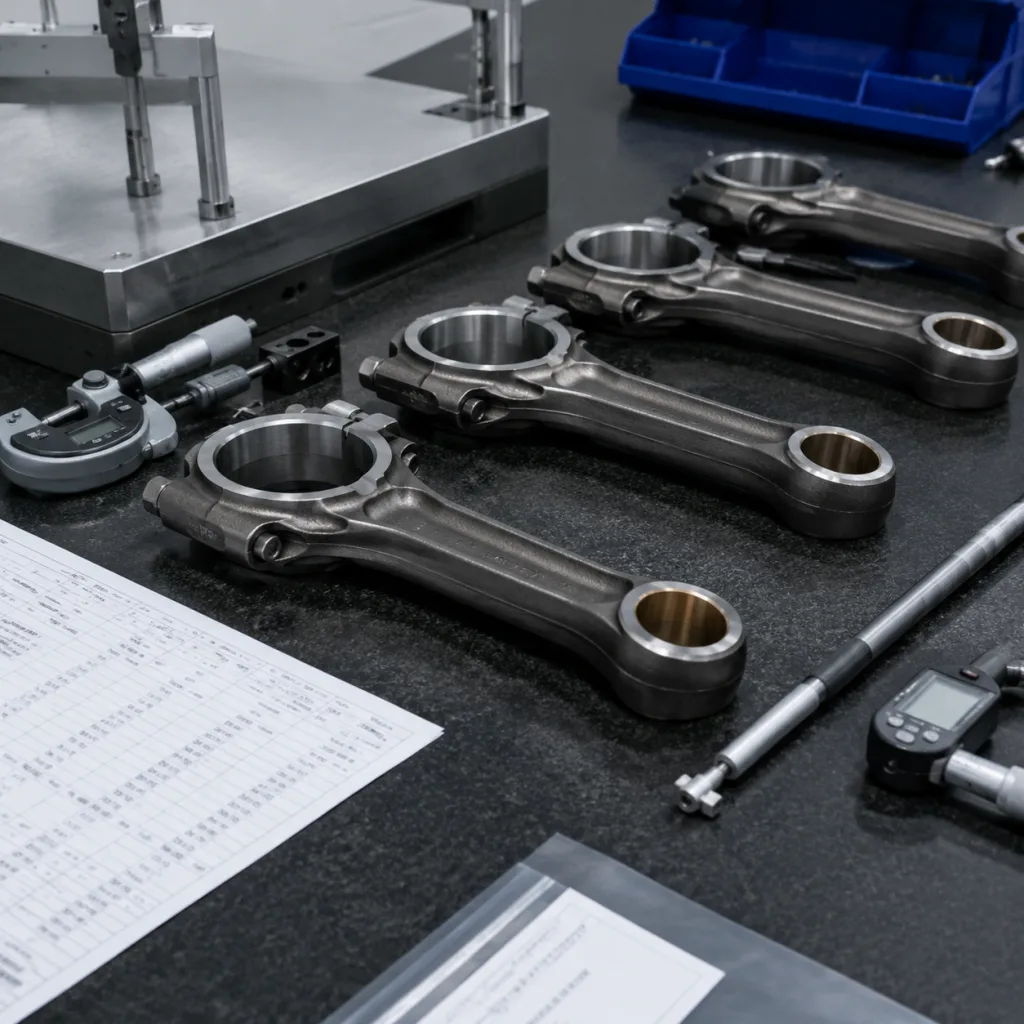
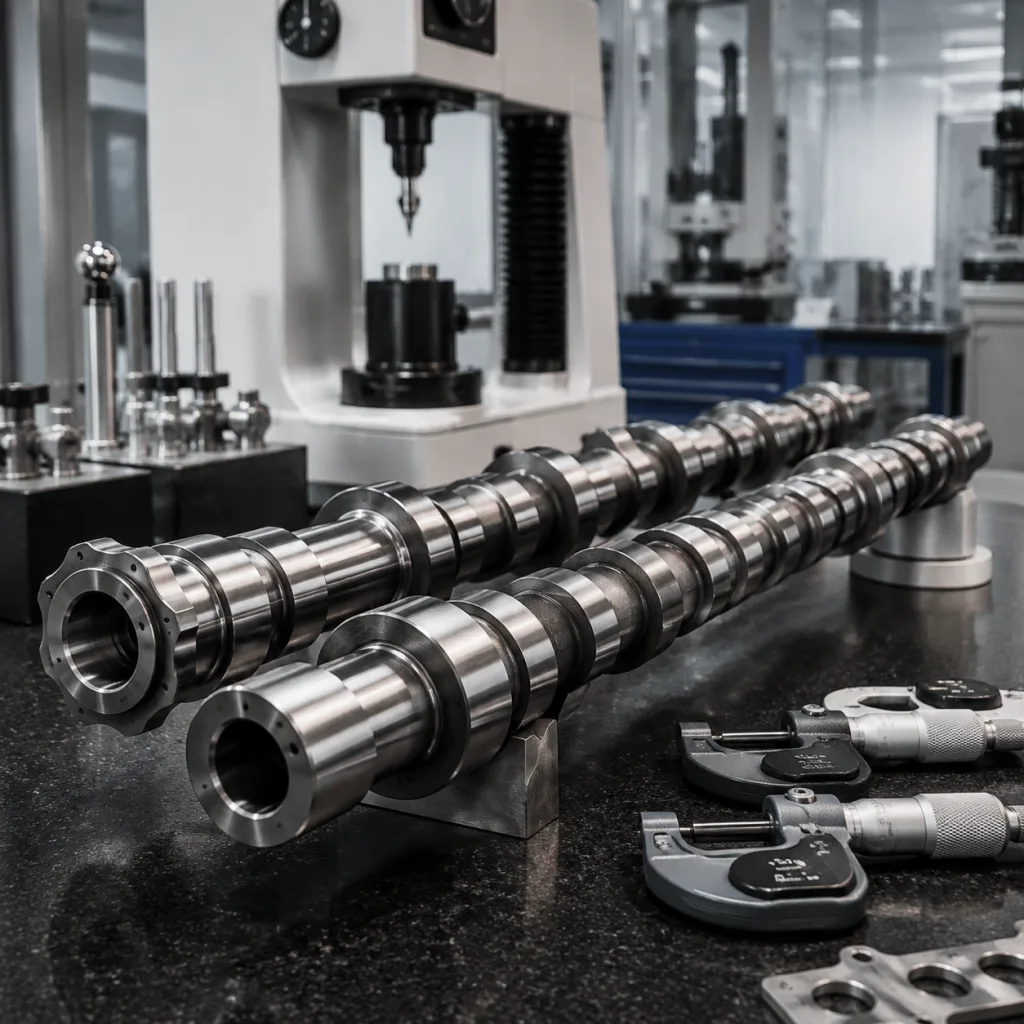
Choosing an egr cooler vauxhall supplier is not a catalogue exercise. The buyer is really deciding whether a factory can repeat the same geometry, sealing performance, packing standard and batch traceability after the first sample has been approved. That matters for distributors, importers and repair chains selling into the UK, EU and other regulated aftermarket channels, where one bracket error or weak carton can turn a low unit price into a costly claim.
Driventus manufactures exhaust gas recirculation coolers and related engine components in Taizhou, Zhejiang. We support export customers that need structured aftermarket sourcing rather than occasional spot buying: application matching, sample validation, 100% leak testing, batch coding, export packing and realistic 35–60 day replenishment planning. This guide reframes the buying decision around the points that usually create risk—fitment scope, factory capability, audit evidence, RFQ detail, sourcing route and final PO controls. Driventus is an independent aftermarket manufacturer; vehicle brand names are used for fitment reference only.
Decision Framework: Define the Vauxhall-Fit Range Before Asking for Price
Start with the range, not the quotation. Vauxhall-fit EGR coolers are usually part of a wider emissions, cooling and engine thermal-management programme, so the sourcing brief must describe the exact application logic behind each SKU. “Vauxhall EGR cooler” is too broad for a production release.
A buyer-ready sourcing brief should identify:
Application scope: passenger car or light commercial vehicle, diesel or petrol engine, engine code, displacement, model-year split and any left-/right-hand-drive packaging differences.
Fitment references: buyer-verified cross-references and internal catalogue numbers. OE-style numbers should be used only as technical cross-reference data, not as a claim of manufacturer endorsement.
Supplied configuration: cooler core only, cooler with valve, gasket set, sensor ports, blanking plugs, clamps or service-kit format.
Interface points: bolt-hole quantity and diameter, flange centre distance, coolant pipe outside diameter, exhaust pipe angle and bracket datum location.
Sales region: UK, EU, Australia, Brazil, Canada or mixed export markets, because labelling, documentation and compliance expectations may differ.
Packing format: neutral carton, customer brand carton, bulk tray, service kit or consolidated mixed shipment.
Warranty evidence: leak-test result, material traceability, production date and batch code.
For programme planning, separate high runners from catalogue-fill items. Approve 3–5 priority references first, then expand after reviewing claim rate and sell-through. A typical trial may be 100–150 pcs per fast-moving SKU, with 20–30 pcs held for regional warehouse replenishment. Reorder points should include 8–12 weeks of demand plus ocean-transit time, not only current shelf stock.
Driventus can support range review, sample matching and export packaging planning. Buyers can review broader engine coverage in our catalog and use drawings, original samples or approved benchmark parts to confirm cooler geometry before production.
The real decision is simple: can the supplier keep tube stack, flange flatness, weld integrity, bracket position and carton quality stable across repeat orders? If that answer is uncertain, the price is not yet meaningful.
Commercial Reality Check: MOQ, Lead Time and What Changes the Quote
A reliable egr cooler vauxhall supplier should be able to explain production capacity and commercial assumptions before the PO is issued. EGR cooler production may involve tube forming, plate stamping, brazing or welding, pressure testing, cleaning, assembly and final packing. Each step affects fitment and claim risk.
Typical Driventus sourcing parameters are shown below. Final terms depend on part complexity, annual demand, stock status, tooling needs and packaging requirements.
Item
Typical B2B Range
Procurement Notes
MOQ for existing part numbers
100–300 pcs per SKU
Lower trial orders may be discussed for range approval; mixed-SKU cartons need packing confirmation
MOQ for private-label cartons
300–500 pcs per SKU or consolidated print run
Artwork, barcode, language and legal marking must be approved before mass packing
Indicative aftermarket price logic
Quoted per drawing/specification
Cost drivers include stainless grade, tube count, brazing area, valve inclusion, gasket kit and inspection level
New tooling MOQ
Project-based
Depends on casting, stamping or tube-core tooling; tooling charge may be amortised against annual forecast
Sample lead time
15–30 days
For available references or reverse-engineered samples; add time for special gaskets or fixtures
Pilot run lead time
20–35 days
Recommended for new tooling or modified bracket/flange designs before bulk release
Mass production lead time
35–60 days
After sample approval, deposit and packaging confirmation; peak-season slots should be booked early
Export packing
Neutral or buyer-specific
Carton drop strength and humidity resistance can be specified
PPAP-style documents can be discussed for OEM/Tier-1 projects
</tr></thead><tbody> </tbody></table>Do not compare only ex-factory unit prices. The same reference can be priced differently if the buyer requests 304/316 stainless instead of the approved baseline grade, 100% recorded leak-test data rather than line-pass confirmation, a full gasket and clamp kit, retail colour cartons, pallet fumigation documents or tighter AQL inspection.
State the target tier clearly: budget aftermarket, premium aftermarket or OE-equivalent service quality. A supplier cannot optimise cost, accessories, documentation and inspection depth if the commercial target is vague.
Driventus operates as a vertically integrated engine and powertrain component manufacturer, reducing dependence on fragmented subcontracting and improving communication during problem-solving. For exclusive references or private-label programmes, custom manufacturing can include drawing review, sample reverse engineering, tooling planning, pilot production and controlled ramp-up after approval.
Failure Modes to Audit: Where EGR Cooler Claims Usually Start
EGR coolers fail commercially before they fail technically when buyers audit only the finished carton. These parts work under repeated thermal cycling, exhaust condensate, vibration, mounting stress and pressure variation. A supplier audit should therefore focus on the points most likely to create leakage, fitment conflict or repeat claims.
Common failure modes to check:
Leakage at brazed or welded joints: caused by poor joint penetration, inconsistent heating, contamination or weak process control.
Flange sealing problems: caused by poor flatness, burrs, bolt-hole shift or damage during handling.
Bracket or pipe misalignment: often linked to fixture wear, uncontrolled welding distortion or weak datum control.
Internal contamination: loose brazing scale, particles, oil residue or blocked passages that can affect cooling performance and installation cleanliness.
Material inconsistency: stainless grade or coating variation that reduces corrosion resistance under condensate exposure.
Traceability gaps: no batch code, unclear production date or weak link between inspection records and shipped cartons.
Driventus works under IATF 16949:2016 and ISO 9001:2015 management systems. These standards do not replace part-level validation, but they provide a recognised framework for document control, corrective action, production traceability, supplier management and continuous improvement. Buyers can review the Driventus quality system during supplier qualification.
Recommended audit checkpoints include:
Incoming material certificate review for stainless steel tubes, plates, flanges and fasteners; confirm heat number or batch linkage where available.
Fixture control for flange position, port alignment, bracket location and pipe orientation; critical datums should be locked by go/no-go gauges or CMM checks.
Flange and sealing-face control, including flatness, burr removal and bolt-hole position. Buyers commonly specify flatness targets around 0.10–0.20 mm depending on design and gasket type.
Welded or brazed joint inspection, including visual criteria and destructive checks where required.
100% leak testing with defined pressure, hold time, medium and acceptance limit. Practical RFQs often request air or water testing at 2–4 bar for 20–60 seconds, with no visible bubbles or pressure decay above the agreed limit.
Dimensional sampling by lot, such as AQL 1.0–2.5 for major defects and tighter control for safety- or sealing-related dimensions.
Cleaning controls to reduce residue, loose particles and contamination before packing; coolant passages should be dry and free from loose brazing scale.
Batch coding on the part, label or carton for traceability through claims and field feedback.
Gauge calibration, operator training records and retained samples for critical references.
Segregation of nonconforming product and documented corrective actions.
For higher-risk channels, add thermal-cycle, vibration, salt-spray or condensate-resistance evidence where the expected volume justifies the cost. A practical aftermarket plan can include first-article dimensional reports, 5–10 pcs pilot-installation feedback and at least one retained golden sample per SKU.
Catalogue language also needs control. Application listings should not imply vehicle-manufacturer approval unless specific approval documents exist. Driventus is an independent aftermarket manufacturer; brand names are referenced for fitment only.
Spec Deep-Dive: What a Vauxhall EGR Cooler RFQ Must Lock Down
A vague RFQ creates slow sampling, unstable quotations and disputes after the shipment arrives. For Vauxhall-fit EGR cooler sourcing, the RFQ should give the factory enough information to quote the actual part—not a similar-looking cooler.
Provide a physical sample where possible, plus target cross-reference list, annual forecast, market destination and accessory requirements. Then lock down the technical points below:
Core material: usually stainless steel for exhaust condensate exposure and thermal cycling; specify grade if required, such as 304/316 or buyer-approved equivalent.
Tube and fin structure: tube count, tube outside dimensions, wall thickness, internal turbulator/fin design and coolant-pass routing against the approved sample.
Flange material: stainless steel or coated steel, depending on the design and approved reference sample.
Joining method: brazed or welded construction according to the original design concept and performance target.
Leak test: 100% air or water-pressure testing with documented process limits and acceptance criteria. State pressure, hold time, allowable decay and whether records are required by serial number, batch or lot.
Dimensional control: flange flatness, bolt-hole position, port diameter, bracket angle and pipe routing. Example critical tolerances may include ±0.20 mm on sealing-hole location, ±0.50 mm on bracket location and ±1.0° on pipe angle where the design requires it.
Surface and cleanliness: no cracks, blocked passages, loose slag, sharp burrs or oil contamination; sealing faces should be protected during packing.
Accessories: gaskets, clamps, studs, bolts, blanking plates, cooler-to-valve seals or service-kit components. Specify material, quantity and whether accessories are packed in a separate inner bag.
Marking: neutral batch code, customer part number or carton label, subject to intellectual-property review.
Compliance review: REACH (EC) No 1907/2006 substance obligations for EU-market supply where applicable.
Commercial assumptions belong in the same RFQ. Include target annual volume, first order quantity, incoterms such as EXW, FOB Ningbo/Shanghai or CIF destination, payment structure, inspection level and delivery window. If the buyer has a target landed cost, separate product price, packaging, inland freight, ocean or air freight, duty and local handling. That allows the factory to adjust specification intelligently instead of cutting necessary quality controls.
Be careful with emissions wording. Regulations such as ECE R-83 define vehicle emissions requirements, but a replacement cooler supplier should not claim regulatory approval unless a specific approval route applies and supporting documents are available. For aftermarket distribution, the practical priorities are OE-equivalent fit, sealing performance, durability, controlled materials and accurate application data.
Scenario Comparison: Trader, Direct Factory or Custom Development Partner?
The best sourcing route depends on order size, technical complexity and the buyer’s own quality resources. A trading company may be convenient for small mixed orders. Direct factory sourcing is stronger when the buyer needs repeatable quality, engineering feedback and a clear corrective-action path.
MOQ may be higher, project setup requires more detail
Distributors and repair chains with planned demand
Custom development partner
Drawing control, private-label range planning, coordinated validation, tooling ownership discussion
Requires samples, tooling approval and longer timeline
OEM/Tier-1 or exclusive aftermarket programmes
</tr></thead><tbody> </tbody></table>Consider a typical distributor scenario. A buyer finds a quotation 2–3% cheaper through an intermediary. The first shipment looks acceptable, but one cooler has a bracket angle issue, another carton format omits the gasket kit, and warehouse staff must relabel mixed cartons before branch allocation. The initial saving disappears in rework, claims and delayed replenishment.
That is why buyers searching for an egr cooler vauxhall supplier should measure landed programme cost, not just unit cost. Warranty returns, application errors, missing gaskets, slow corrective action, weak cartons and inconsistent labels all belong in the sourcing calculation.
A direct manufacturer should be ready to provide sample reports, production photos where appropriate, carton specifications, HS code guidance and shipment planning support. Driventus exports to more than 60 countries and is familiar with consolidated shipments for distributors carrying pistons, crankshafts, gaskets, water pumps, turbochargers and EGR-related components.
For repeat programmes, ask how engineering changes are controlled. Who approves a new fixture? How are old and new stock separated? Do cartons receive a revision code? How much notice is given before a process or material change? These details matter when the same SKU is sold into several branches or repair-chain accounts.
Step-by-Step PO Gate: What to Confirm Before Release
A purchase order should not be the first moment engineering, quality and logistics details meet. Use it as the final gate after the sourcing file is complete. This reduces avoidable claims and helps the supplier quote the correct specification rather than a near-match.
Before issuing the PO, confirm:
1. Target vehicle application and engine-code range using your own catalogue data. 2. OE-style references only as cross-reference information, such as OE 06A… or OE 11251…, without implying manufacturer endorsement. 3. Physical sample or approved drawing for parts not already in production; mark datums, port orientation and any known failure points. 4. Included accessories: gaskets, clamps, studs, bolts and other fasteners, plus inner-bag quantity to avoid missing-kit claims. 5. Leak-test method, inspection sampling plan and retained-sample policy, including pressure, hold time and acceptance limit. 6. Carton strength, pallet height, label language, barcode format and mixed-shipment rules. Many buyers limit pallet height to around 1.1–1.3 m for warehouse handling. 7. IATF 16949:2016 and ISO 9001:2015 certificate status. 8. First-article samples before bulk production for new or modified references; approve fitment, sealing and packaging before mass-production release. 9. Claim handling rules: photos, batch code, mileage, installation notes, returned sample quantity and response time. A practical target is initial acknowledgement within 2 working days and 8D-style root-cause feedback for serious claims. 10. Payment terms, incoterms, production lead time and shipment consolidation plan. 11. Reorder logic: safety stock, forecast horizon, partial-shipment rules and whether slow-moving SKUs can be combined with other engine parts. 12. Pre-shipment inspection timing, including whether the buyer or a third party checks quantity, carton marks, leak-test records and random dimensional points.
For larger programmes, add a factory audit covering process flow, control plan, gauge calibration, operator training, nonconformance handling, warehouse traceability and change-control procedure. Buyers sourcing for regulated markets should also check REACH (EC) No 1907/2006 declarations and any customer-specific restricted-substance lists.
A well-written PO should attach the approved drawing or sample reference, revision level, packaging file, inspection requirements and delivery term. Put the commercial and quality expectations in one traceable order file. It is faster than reconstructing the agreement after a claim.
Frequently asked questions
Yes. Driventus can discuss neutral packing or buyer-specific packaging for qualified B2B orders. Private-label supply depends on MOQ, artwork approval, IP review, carton specification and forecast volume. Typical private-label planning starts around 300–500 pcs per SKU or a consolidated print run, depending on carton design.
Driventus can provide relevant quality certificate copies, inspection reports, packing details and batch traceability information. For advanced projects, PPAP-style documentation can be discussed according to the buyer’s requirements, including dimensional reports, material information, control plans and sample approval records.
No. Driventus is an independent aftermarket manufacturer; brand names are referenced for fitment only. Cross-references are used to help professional buyers identify applications and must be verified against their own catalogue data.
If you are qualifying an EGR cooler Vauxhall supplier for distribution, repair-chain or OEM/Tier-1 sourcing, share your target references, annual volume, first order quantity, required leak-test standard and packaging needs. You can [request a quote](/contact.html) or contact our team through /contact.html.