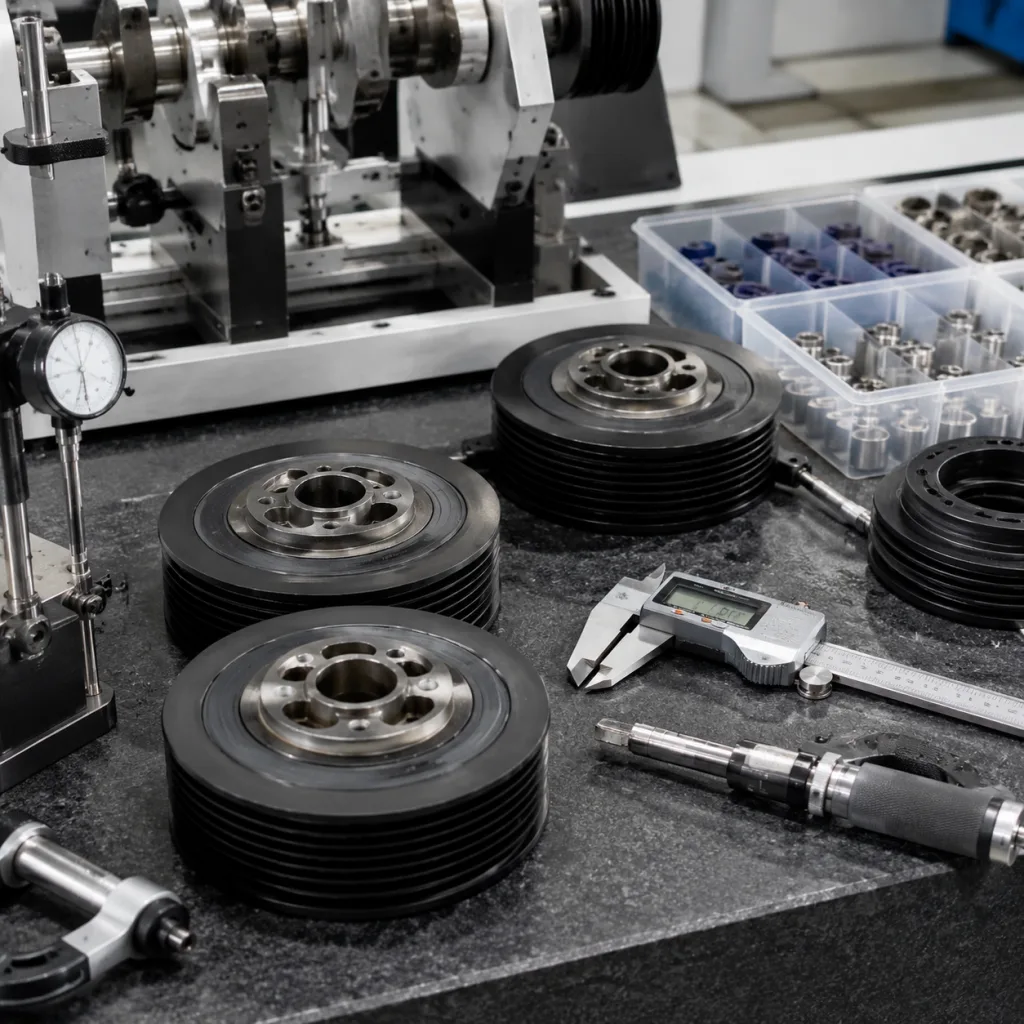
Dual Mass Flywheel Opel Wholesale: Sourcing Guide
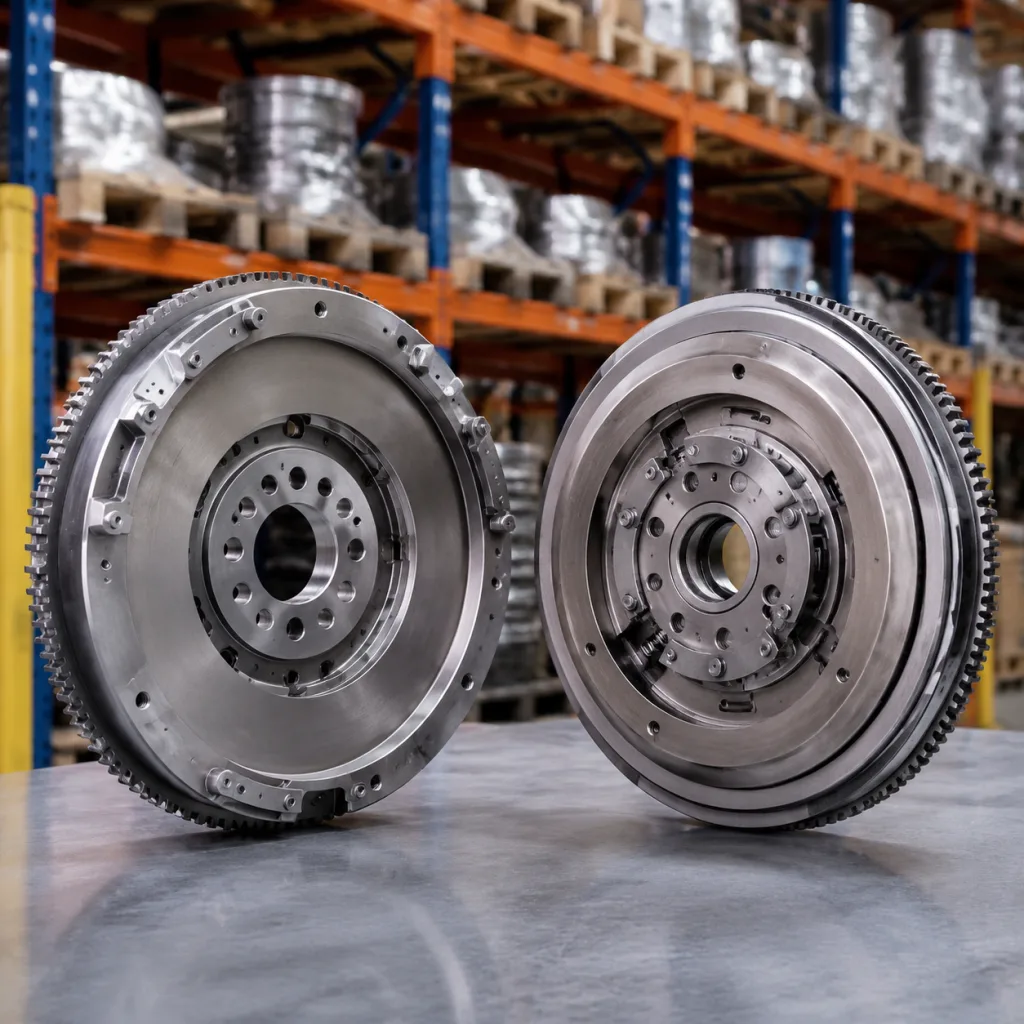
Sourcing a dual mass flywheel for Opel applications at wholesale level is less about browsing a catalogue and more about locking down technical and commercial risk before stock reaches the warehouse. Procurement teams need OE fitment confirmation, measured dimensional control, stable production capacity, and documentation that supports customs clearance, internal audit review, and repeat purchasing. For Opel platforms, common sourcing failures include a 1-2 mm offset mismatch, an incorrect bolt pattern, starter engagement errors, insufficient damping travel, and early wear under stop-start duty or higher-torque use. As an independent aftermarket manufacturer, Driventus references Opel brand names only to identify fitment. From our powertrain component production base in Taizhou, Zhejiang, we supply B2B buyers in more than 60 countries under IATF 16949:2016 and ISO 9001:2015 controlled processes. This guide explains what to verify before placing a wholesale order, how to compare part references, and how to build supplier controls that make repeat orders predictable.
Start with the fitment risk, not the catalogue
Begin by checking whether the reference is actually usable for your platform. For `dual mass flywheel opel wholesale` buying, the first pass should confirm the OE reference, transmission code, engine family, ring gear specification, starter engagement depth, crankshaft interface, and mounting bolt circle. A part can look close in a listing and still fail once it reaches the bellhousing.
Minimum procurement checks
- OE cross-reference and verified application list
- Mass, outer diameter, height, and offset dimensions
- Primary and secondary inertia balance limits
- Rotational play and damping characteristics with stated tolerance
- Bolt set, pilot features, and release bearing interface
- Ring gear specification and starter engagement position
- Packaging method and corrosion protection
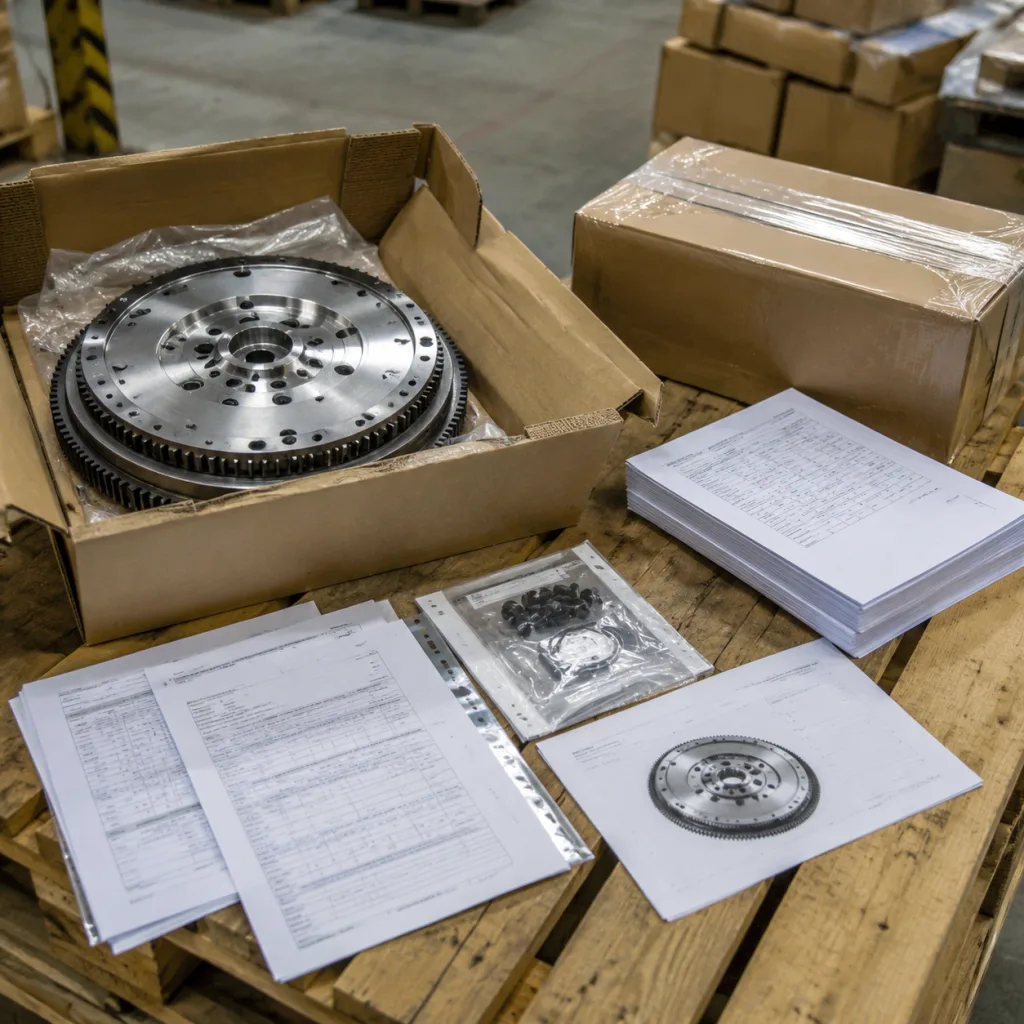
- Batch traceability and inspection records
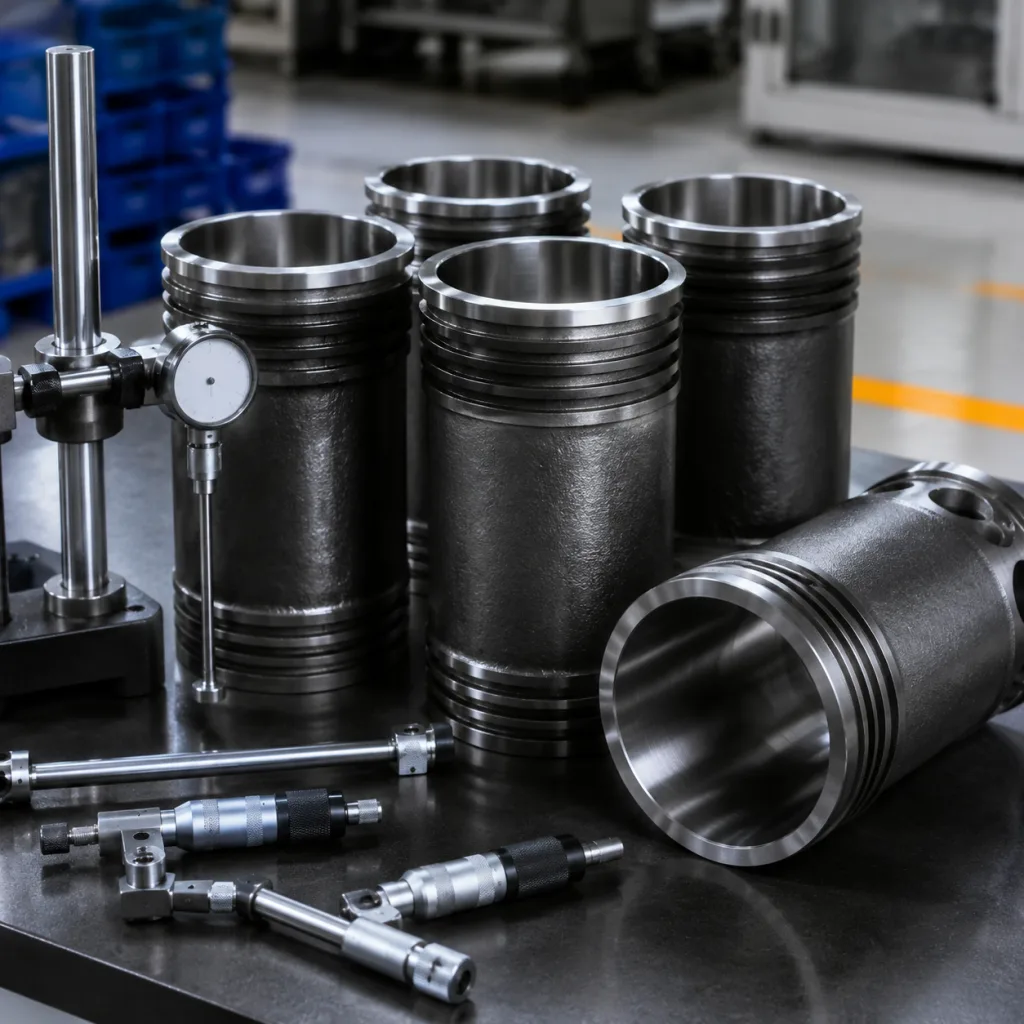
Do not accept vague claims. Ask for measured tolerances: outer diameter within ±0.5 mm of the approved sample, overall height and offset within ±0.3 mm, radial runout no greater than 0.15 mm, and axial runout no greater than 0.20 mm unless the OE requirement is tighter. Rotational free play should be reported in degrees or millimetres, tied to the exact reference family.
If a seller cannot document those points, the order carries avoidable warranty risk. Keep one approved physical sample and one measured master record for each Opel platform or reference family so purchasing, warehouse, and quality teams compare incoming lots against the same standard.
Where suppliers usually fail Opel programs
The most expensive mistakes are rarely dramatic. They are small mismatches that pass a quick visual check and fail during installation or early service.
Common failure modes include:
- 1-2 mm offset drift that changes clutch stack position
- Wrong bolt pattern or locating features that stop proper seating
- Starter ring gear mismatch that creates noise or hard starts
- Insufficient damping travel under stop-start or higher-torque use
- Inconsistent runout from lot to lot
- Surface damage from weak packaging
- Incomplete documentation that delays warehouse intake or customs clearance
A strong wholesale source should show how it controls those failures. Ask which dimensions are checked on every lot, which are sampled, and how the supplier handles nonconforming stock. If the answer is still generic, the supply chain is not ready for repeat procurement.
For repair chains and distributors, the practical question is simple: will this part install cleanly on the first try and hold up across the fleet mix you actually service? If the supplier cannot answer with measured data, treat the reference as unapproved.
Compare the part on measured data, not vehicle coverage
Many Opel applications share similar catalogue language, but small differences in offset, mounting geometry, or damping behaviour decide whether the part works. A wholesale decision should be based on measured data, not coverage claims.
| Check item | Why it matters | Procurement note |
|---|---|---|
| Outer diameter | Must clear the bellhousing and match the clutch stack | Verify against an OE sample or approved drawing; many references sit within a 5-10 mm family window, but the exact part must be matched individually |
| Mounting pattern | Controls crankshaft interface and concentricity | Confirm bolt count, PCD, locating features, and thread class; do not rely on similar engine-family listings |
| Overall height and offset | Affects clutch position and release travel | Measure the OE part, not only the catalogue data; target deviation should stay within ±0.3 mm for controlled replenishment |
| Rotational play | Indicates damping function and spring condition | Compare with the agreed tolerance window, typically stated in degrees or mm at the rim |
| Axial runout | Influences clutch engagement, noise, and vibration | Require a measured report by lot or sample; many buyers specify ≤0.20 mm unless OE data is tighter |
| Ring gear specification | Determines starter engagement and durability | Check tooth count, chamfer, tooth width, and engagement depth; the wrong starter interface can create hard starts or noise |
| Heat resistance | Important for urban driving, fleet use, and repeated launches | Ask how thermal performance is validated, including whether the supplier checks for damping change after heat cycling |
| Packaging protection | Prevents rust, impact marks, and face damage in transit | Inspect face protection, rust prevention, desiccant use if needed, and carton strength for export handling |