Dual Mass Flywheel Genesis OEM Supplier | Driventus
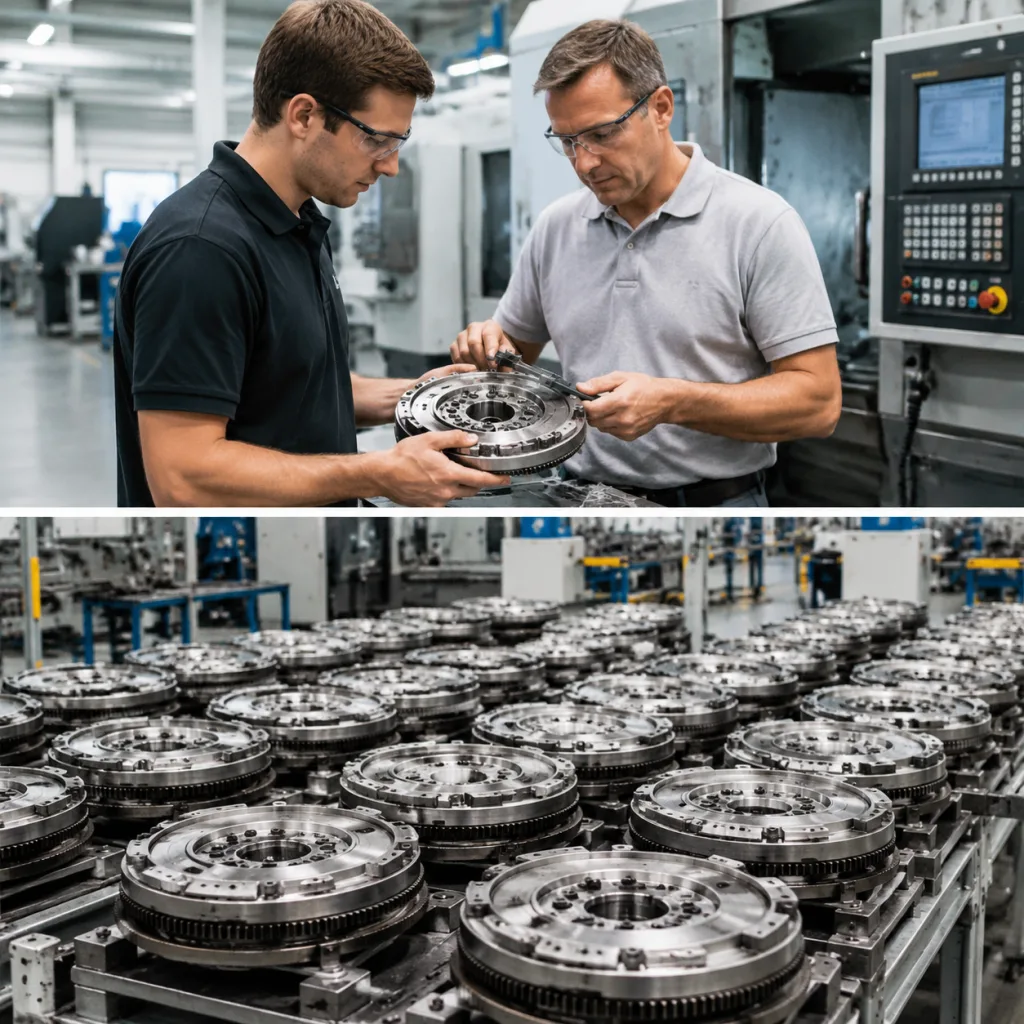
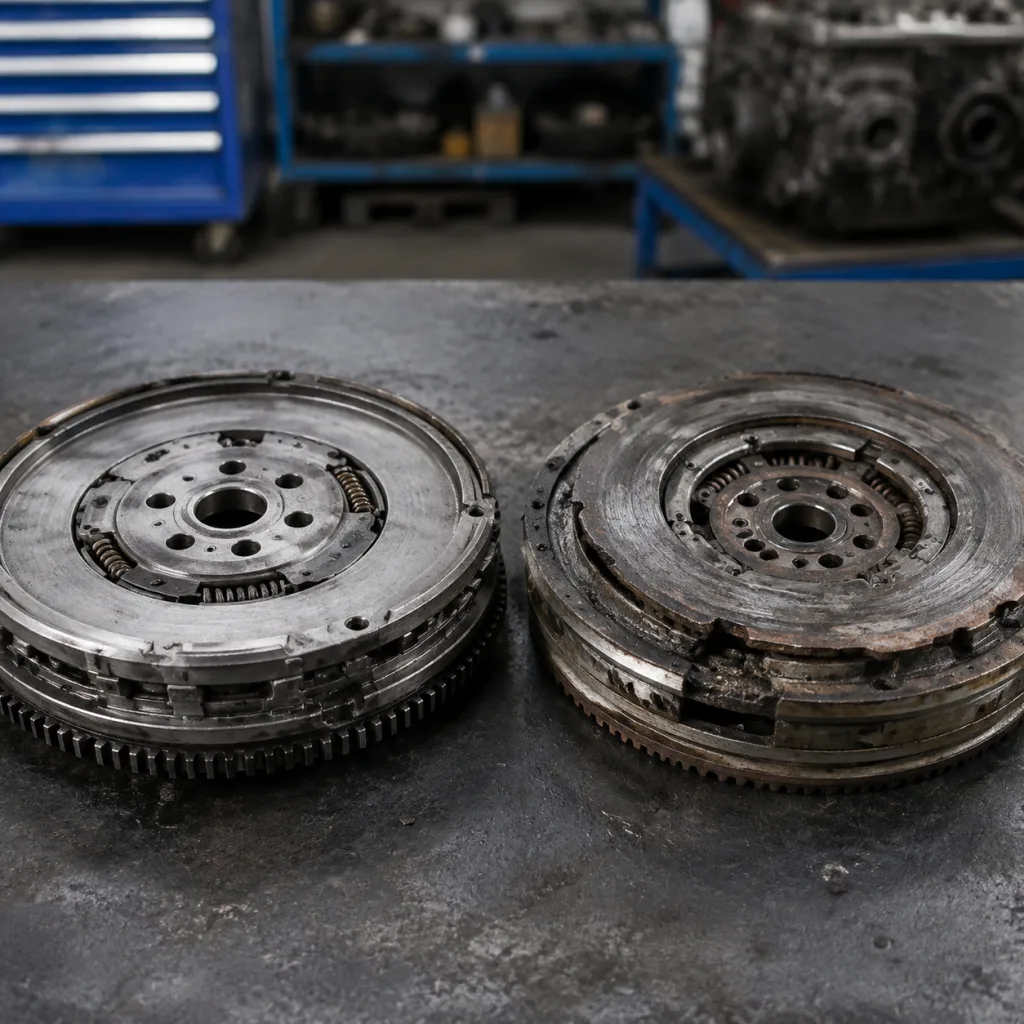
If you are sourcing a dual mass flywheel for Genesis applications, the main risks are fitment drift, inconsistent damping behaviour, and weak supplier documentation. Procurement teams need more than a part that fits the spline count. They need stable dimensions, controlled rotational compliance, traceable materials, and repeatable supply for aftermarket, OE, and repair-chain programs. Driventus supplies engine and powertrain components from Taizhou, Zhejiang, with IATF 16949:2016 and ISO 9001:2015 systems in place. We support buyers who need cross-reference validation, batch traceability, and factory-level response on specifications, lead times, and packaging. Driventus is an independent aftermarket manufacturer; brand names are referenced for fitment only. If your program requires OE 06A107065-style cross-reference checks, dimensional confirmation, or private-label supply, the focus should be on verified engineering data and consistent production control, not catalogue claims.
Decision checklist for Genesis sourcing
A Genesis dual mass flywheel program usually succeeds or fails on a few technical checks. Start with the application, not the catalogue photo.
- Confirm engine code and transmission family
- Verify starter ring gear tooth count
- Match pilot and hub interface dimensions
- Check overall stack height and mounting offset
- Confirm damping torque curve and arc travel
- Review bolt pattern, fastener grade, and clamp load
- Require packaging standard and label traceability
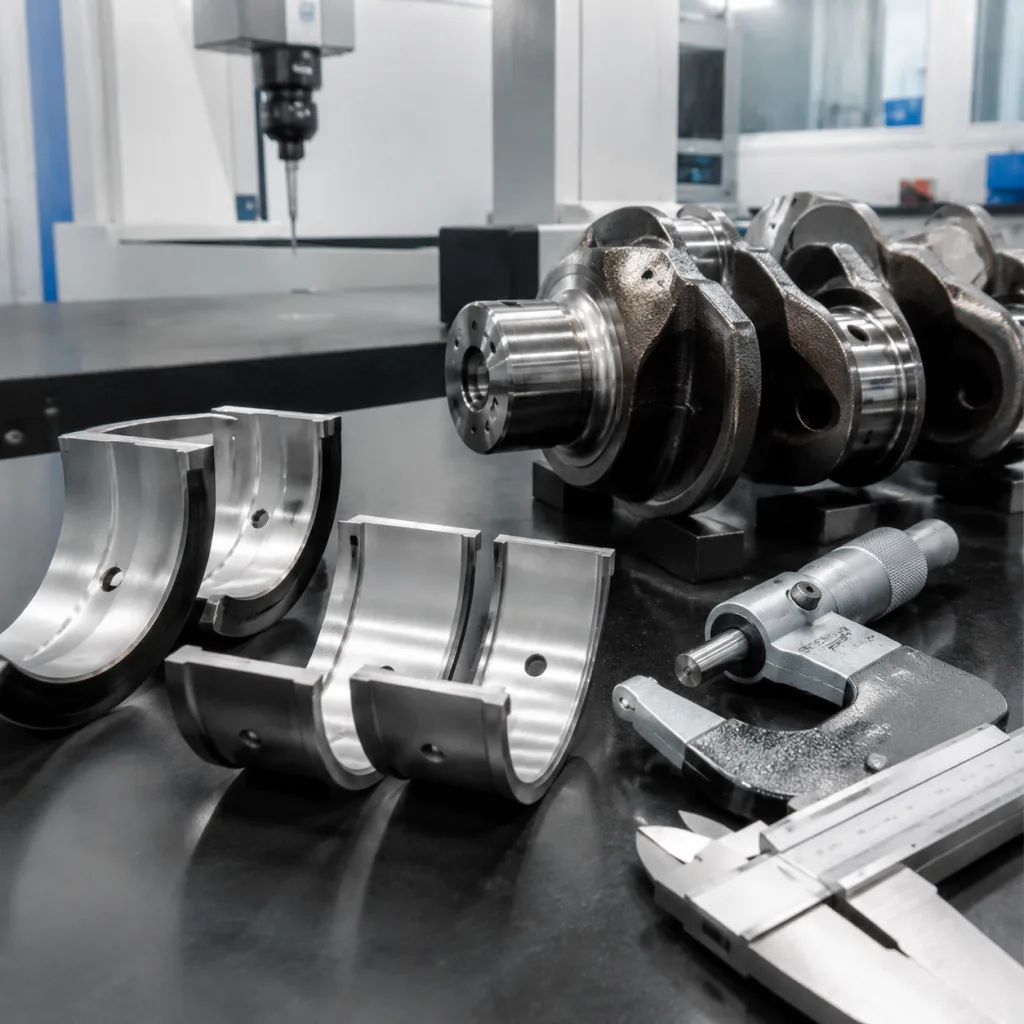
For B2B sourcing, the real question is whether the supplier can hold the same geometry and damping characteristics across repeat orders. A program may call for stack height within ±0.15 mm, concentricity within 0.10 mm TIR, and rotational balance within 20 g·cm or tighter, depending on the drawing. That matters for distributors, repair chains, and OE-aligned programs that cannot absorb high claim rates or uneven inventory. If you are building a broader powertrain line, see our catalog and the engine and transmission range in engine components.
Where flywheel purchases go wrong
Most sourcing problems show up after launch, not during quotation. The common failure modes are predictable.
| Failure mode | What it looks like | What to demand |
|---|---|---|
| Fitment drift | Part “matches” online but fails at install | OE reference, engine code, transmission type |
| Dimensional variation | Clutch stack-up changes between lots | OD, ID, thickness, offset, bolt circle |
| Vibration complaints | Idle shudder or driveline noise | Dynamic balance report |
| Weak damping | Harsh engagement or chatter | Spring rate, angular travel, hysteresis |
| Premature wear | Heat marks, scoring, short clutch life | Hardness, wear face finish |
| Audit gaps | Missing lot history or material proof | Batch code and material certificate |
| Item | What to verify | Why it matters |
|---|---|---|
| Fitment | OE reference, engine code, transmission type | Prevents wrong cross-application |
| Dimensions | OD, ID, thickness, offset, bolt circle | Controls installation and clutch alignment |
| Mass balance | Dynamic balance report | Reduces vibration and noise |
| Damping | Spring rate, angular travel, hysteresis | Confirms drivability and torsional control |
| Surface condition | Hardness, wear face finish | Supports clutch life and heat resistance |
| Traceability | Batch code, material certificate | Supports warranty and audit review |