Dual Mass Flywheel Buick Manufacturer China: Sourcing Guide
Sourcing a dual mass flywheel for Buick applications is a specification problem first and a price problem second. The wrong part can pass a visual check and still fail in the vehicle because of spline mismatch, incorrect stack height, poor damping behavior, ring gear misposition, or balance drift across batches. For distributors, repair networks, and importers, those errors turn into noise complaints, clutch issues, and avoidable warranty returns.
A reliable supplier should be able to prove more than interchangeability. Buyers should expect drawing support, dimensional confirmation, balance and runout limits, batch traceability, material records, packaging detail, and sample approval before mass production. Driventus is an independent aftermarket manufacturer; Buick and other vehicle brand names are used only to identify fitment. As a China-based source operating under IATF 16949:2016 and ISO 9001:2015 quality systems, we support B2B buyers with the information needed before purchase order release, including specification confirmation, sample approval, packaging planning, inspection documentation, MOQ review, price-tier confirmation, and lead-time coordination.
Start with the fitment tree, not the part number
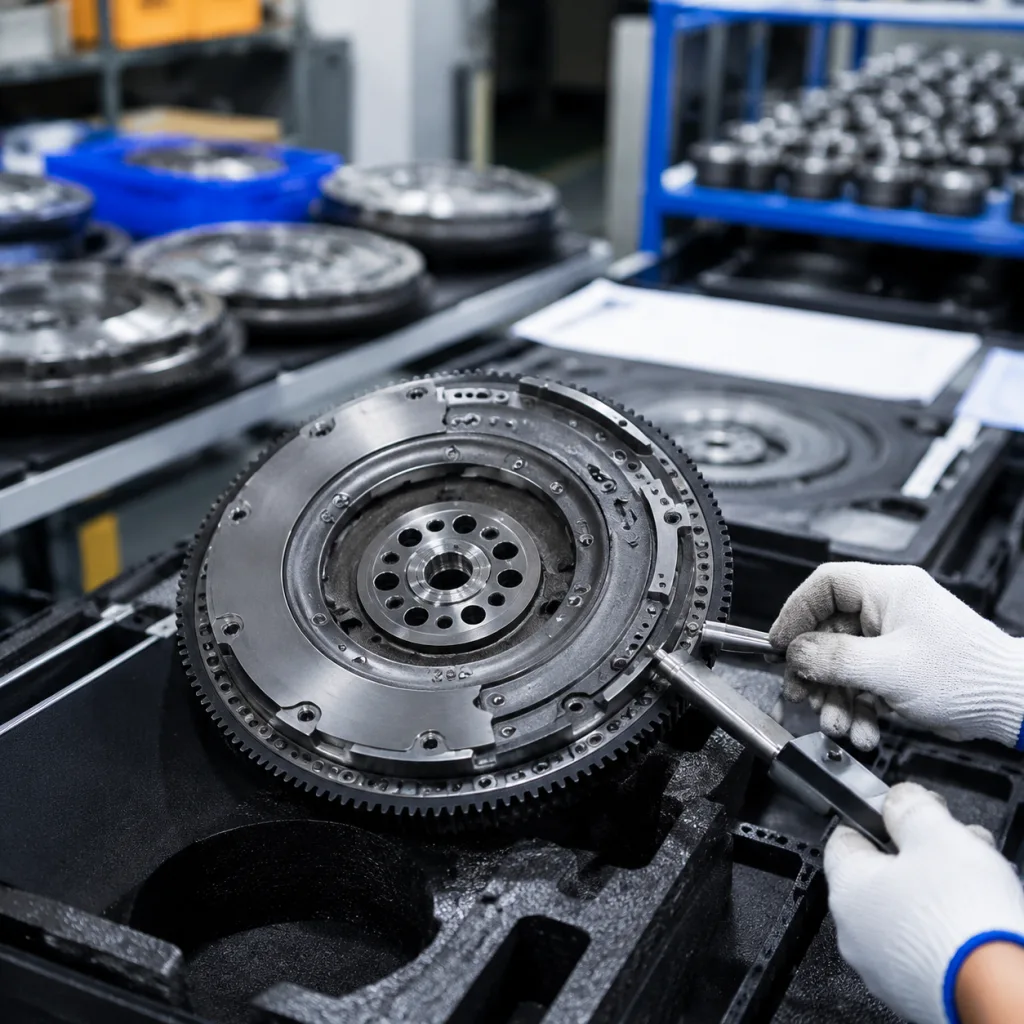
A dual mass flywheel is not a generic rotating disc. For Buick programs, the buyer should build the fitment decision from the vehicle outward: engine code, gearbox type, clutch kit reference, crank bolt pattern, starter ring gear position, pilot diameter, and the installed envelope around the transmission bellhousing. If any of those points are uncertain, a photo or catalog cross-reference is not enough.
The safest sourcing workflow is to confirm the application data in this order:
1. Vehicle identification: model year, market, drivetrain layout, engine family, and gearbox code. 2. OE reference check: compare the reference against application data, not just against another aftermarket number. 3. Dimensional review: verify diameter, stack height, bolt circle, friction face geometry, and mounting depth. 4. Functional review: confirm torsional damping range, free play, and clutch interface requirements. 5. Production review: ask whether the supplier can repeat that specification across batches, not only for one sample.
A practical technical pack should cover the details that actually stop a wrong part from entering the supply chain:
- Overall diameter, stack height, and installation depth, with the tolerance target defined before sampling
- Crankshaft bolt-circle dimensions, bolt-hole diameter, dowel position, and starter ring gear tooth count
- Hub spline specification, clutch-side interface data, pilot diameter, and chamfer details
- Static and dynamic balance requirements on the assembled unit
- Radial and axial runout limits on the friction and mounting faces
- Material grade for the primary and secondary masses, including casting or forging specification
- Spring pack, grease, seal, and rotational free-play information for the damping chamber
- Packaging method for export handling and corrosion protection during sea freight and storage
If the buyer only has an OE reference, the request should still include engine code, transmission code, and target market. That is the difference between a plausible match and a part that actually installs and performs. For a first RFQ, include the OE number, vehicle years, engine displacement, engine code, gearbox code, clutch kit reference, target annual volume, and any known failure history from your market.
Where dual mass flywheels fail in the field
Most sourcing mistakes in this category do not appear at receipt. They show up after installation, once the drivetrain is under heat, load, and repeated cycling. A unit can look clean, weigh correctly, and still create vibration or noise because the functional controls were weak during production.
The common failure modes are predictable:
- Spline mismatch that prevents proper engagement with the clutch system
- Incorrect stack height that changes release travel or engagement feel
- Poor balance that produces vibration at idle and under acceleration
- Weak damping response that allows chatter or gearbox rattle
- Ring gear position errors that affect starter engagement
- Inconsistent spring pack performance from batch to batch
- Seal defects or grease loss that shorten service life
- Friction-face runout that creates pedal pulsation or clutch judder
These failures are expensive because the flywheel is usually replaced only after the vehicle has already been dismantled. That means workshop time, rework, return freight, and customer frustration land on the buyer, not just the supplier. A low-priced unit may save a few dollars on the invoice and cost far more in claims later.
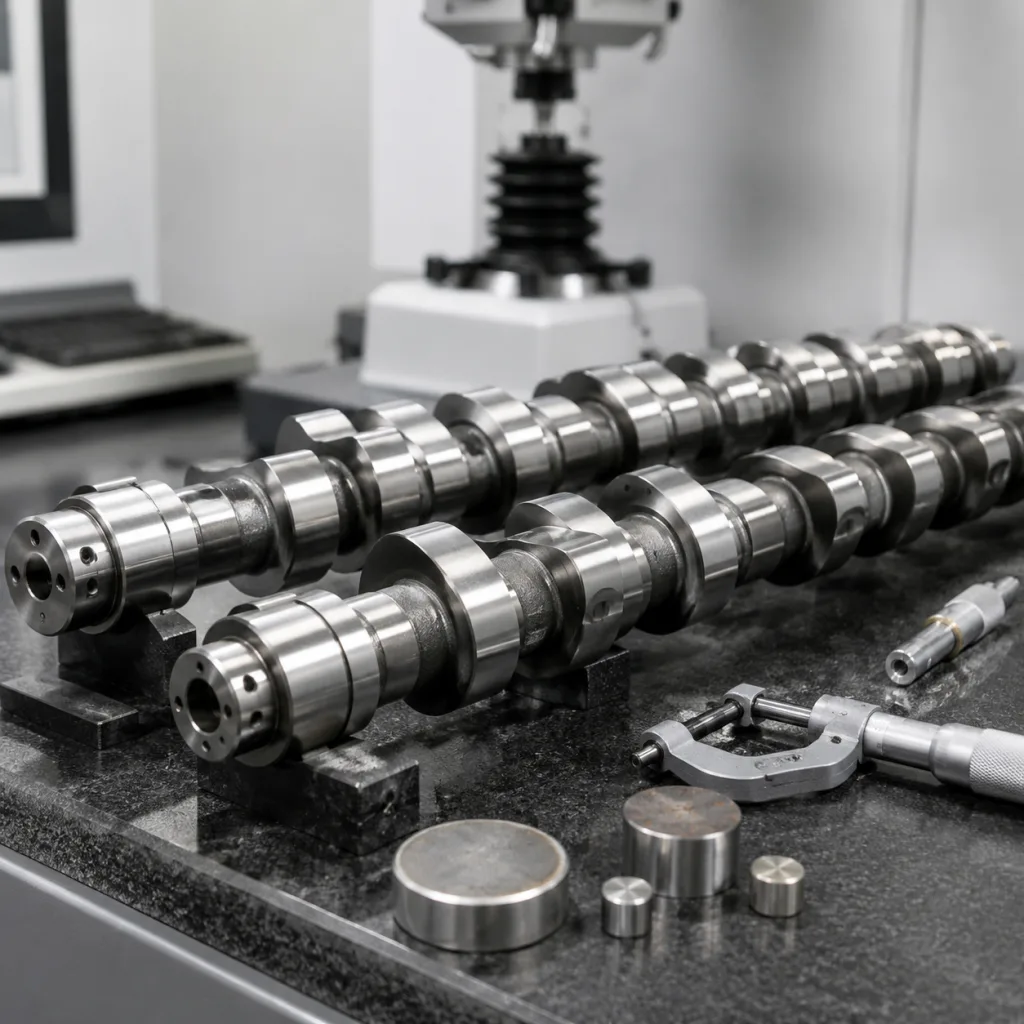
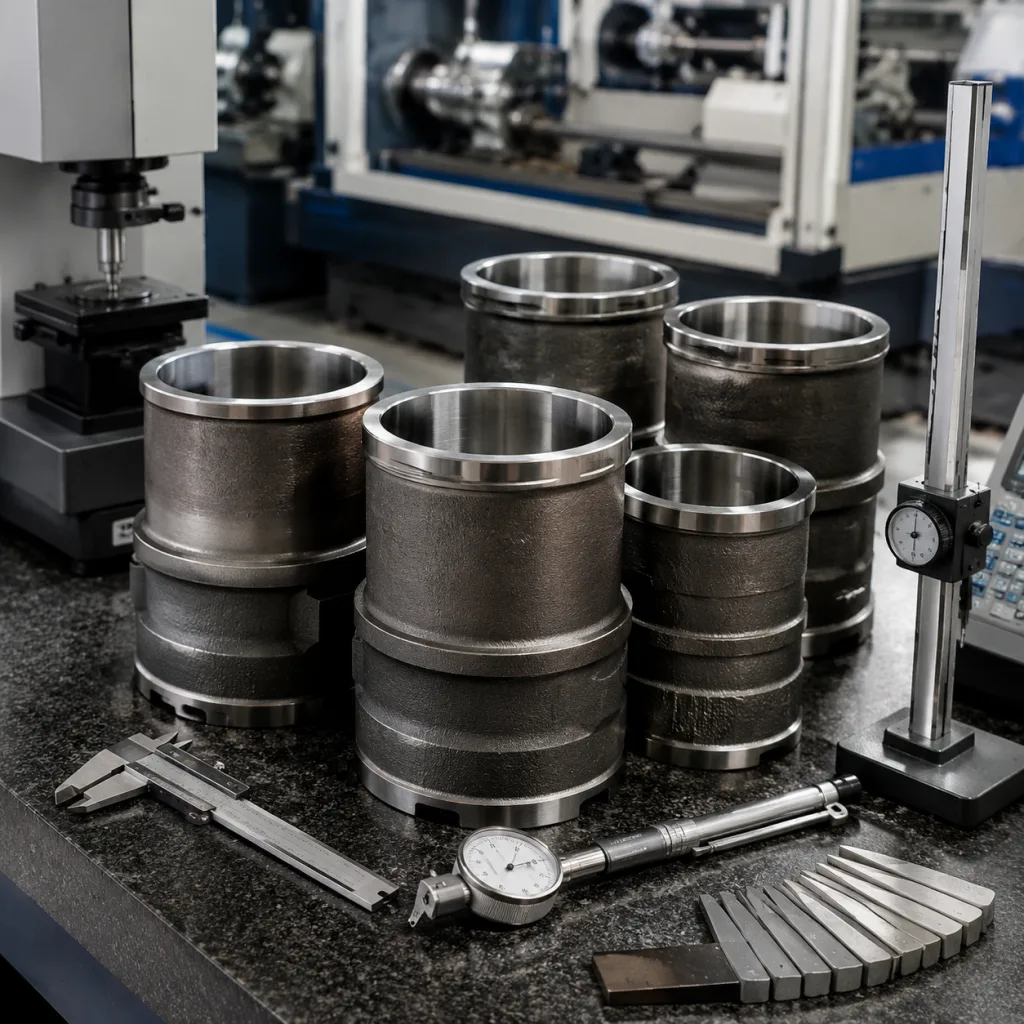
For that reason, the supplier should be able to show control over the features that influence function, not just appearance. Concentricity, seat depth, face flatness, ring gear location, and bolt-hole location matter because they affect clutch engagement, starter operation, drivetrain noise, and service life. If those dimensions are not held consistently, the part becomes a warranty risk even if it passed a basic visual inspection.
This is also why traceability matters. Batch codes, material records, in-process checks, and final inspection reports give procurement teams a way to isolate problems quickly if a field issue appears. Without that data, every claim becomes a wider commercial dispute instead of a contained technical correction.
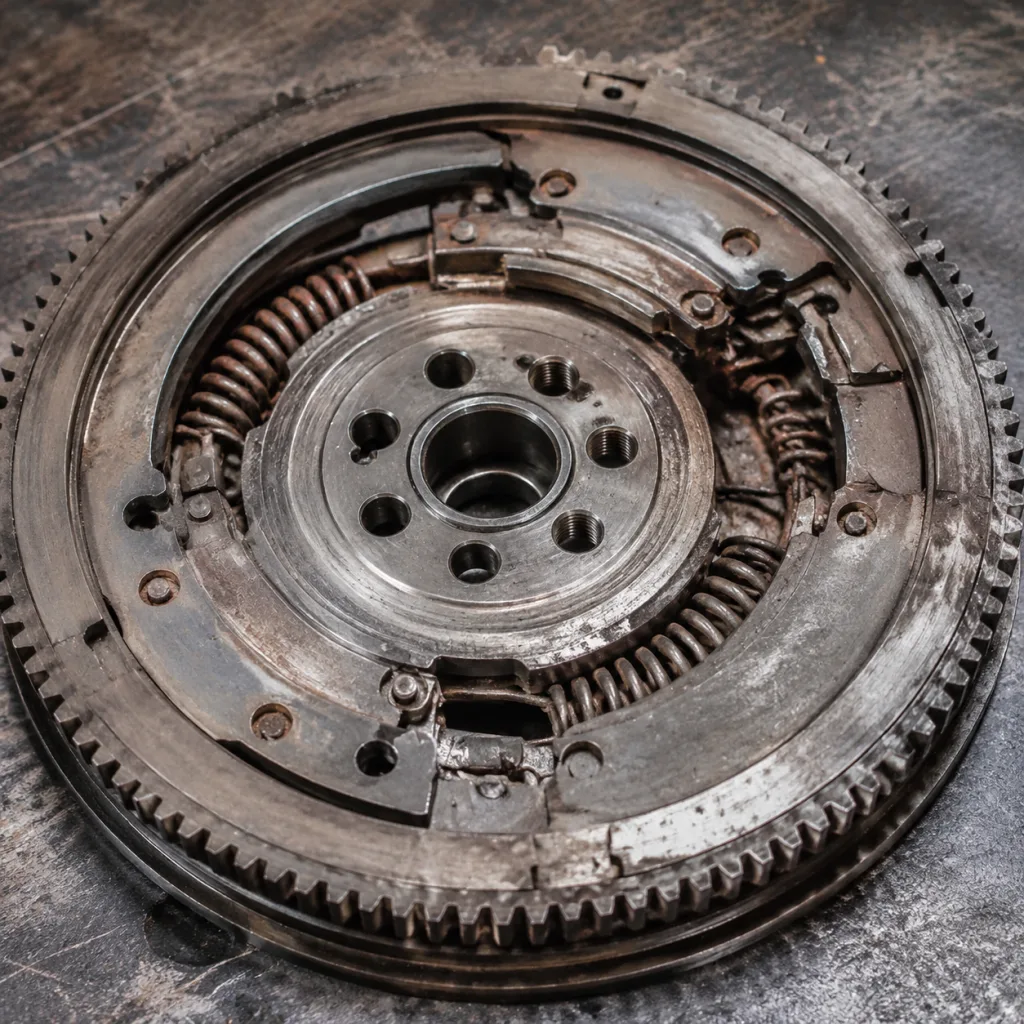
OE-equivalent supply or low-spec alternative?
Buyers often compare quotations as if they were buying the same product at different margins. In this category, that assumption is risky. Price is usually tied to tolerance control, damping design, material quality, balance process, and the depth of validation evidence behind the part.
| Item | OE-equivalent supply | Low-spec alternative |
|---|---|---|
| Dimensional match | Controlled to drawing, sample, and application data | May vary between batches |
| Balance control | Checked on the assembled unit with recorded limits | Often limited to basic visual or weight checks |
| Damping performance | Built to a defined torsional response and free-play range | May drift under heat or repeated cycling |
| Material and machining | Verified material and controlled friction/mounting faces | Inconsistent hardness, finish, or geometry |
| Traceability | Batch codes, inspection records, and material links available | Limited documentation after shipment |
| Return risk | Lower when fitment and function are validated | Higher once installed in vehicles |
| Launch control | Sample approval and defined inspection plan | Trial shipment treated as normal production |