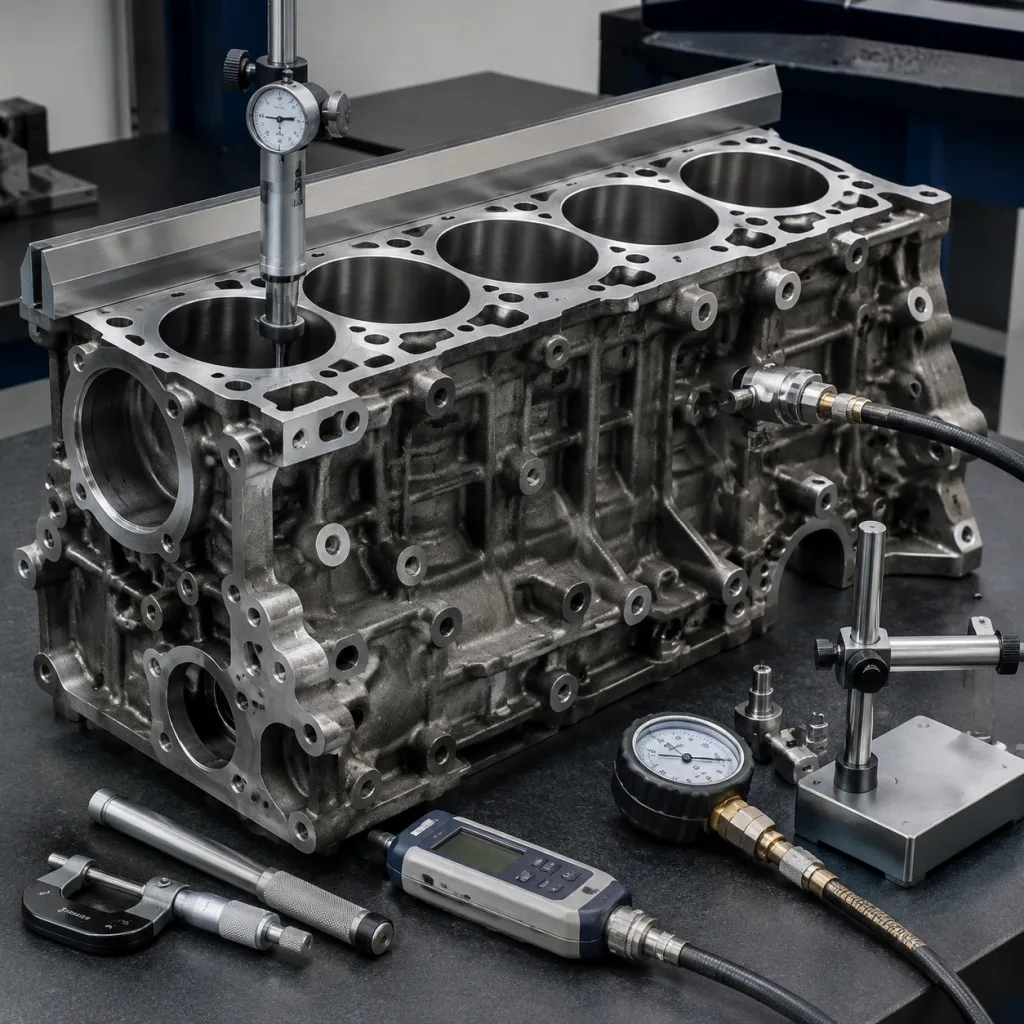
Wholesale sourcing for Audi-fitment dual mass flywheels fails when buyers treat the part like a simple rotating disc. It is not. A DMF has to damp torsional vibration, match crank and clutch interfaces, engage the starter correctly, survive export handling, and arrive with records that satisfy customs, warehouse, audit, and warranty teams. This guide explains how Driventus helps distributors, repair-chain buyers, and Tier-1 sourcing teams evaluate dual mass flywheel Audi wholesale supply from China without relying on price sheets alone. It covers the buying model, audit evidence, MOQ and lead-time logic, validation checks, private-label decisions, and RFQ data needed for EU, UK, US, Canadian, Australian, and Brazilian import channels. Driventus is an independent aftermarket manufacturer; brand names are used only to identify fitment. We do not claim approval, sponsorship, or endorsement by any vehicle manufacturer. Buyers can review [our catalog](/products.html), identify the relevant fitment family, and then lock the commercial and quality rules before trial orders are released.
Start With the Buying Model, Not the Part Number
The same Audi-fitment DMF reference can create very different sourcing decisions depending on the sales channel. A regional distributor may need 5–20 SKUs across fast and slow movers. A private-label brand may concentrate volume on one high-runner with its own carton, barcode, and warranty insert. A repair chain may accept a higher unit cost if fill rate is stable and claim handling is clear.
That distinction matters before the RFQ. Fast-moving references can often be planned as repeat production batches. Slow movers are usually better handled through mixed-pallet or mixed-container orders so the buyer does not overstock long-tail items. Private-label work adds carton, label, warehouse segregation, and artwork approval steps that neutral packaging may avoid.
A dual mass flywheel is a precision rotating assembly, not a commodity casting. For Audi-fitment aftermarket programmes, sourcing normally depends on engine family, transmission type, clutch interface, ring-gear configuration, and verified reference data. Many passenger-car applications sit around 10–18 kg with friction-face diameters near 228–240 mm, but the real risk is not the headline size. A small error in bolt PCD, pilot bore, ring-gear offset, starter engagement depth, or clutch cover pattern can cause installation failure, noise complaints, or warranty returns.
Build the purchasing file around decisions the supplier can act on:
Application list by engine code, gearbox type, model-year range, drivetrain layout, and market region
OE part-number cross-reference where available, supplied by the buyer or checked against existing fitment data
Target annual volume, first-order quantity, and expected replenishment pattern by SKU
Required clutch kit pairing, friction-face diameter, ring-gear tooth count, and bolt-hole interface data
Packaging format, carton marking rules, label layout, barcode type, and pallet specification
Destination market documents, compliance declarations, and import requirements
Warranty return process, inspection responsibilities, defect-photo rules, and claim time limits
Driventus can support standard aftermarket references and development projects where the buyer provides samples, drawings, or verified cross-reference information. The phrase dual mass flywheel audi wholesale should therefore be treated as a sourcing scenario, not a single product request. Define the channel, volume logic, packaging route, and validation burden first. The quotation will be more useful, and fewer changes will be needed after samples are approved.
What a Serious Factory Audit Should Prove
A factory audit should answer one question: can the supplier repeat the same controlled result after the sample is approved? For DMFs, that means reviewing both part-level process control and the wider management system. Driventus operates from Taizhou, Zhejiang, and manufactures engine and powertrain components for export to more than 60 countries. Our quality system is structured around IATF 16949:2016 and ISO 9001:2015 requirements, including document control, supplier management, non-conforming product handling, traceability, and corrective action.
Audit preparation for wholesale DMF projects normally covers incoming material inspection, machining control plans, spring and damper component traceability, balancing records, final inspection reports, and packing-line checks. Buyers may arrange a remote audit or on-site audit using their own checklist. Share the target SKU list at least 7–10 working days in advance so production flow, gauge lists, process records, and sample inspection files can be prepared.
Use the audit to connect each risk with evidence:
Audit area
Failure mode to prevent
Evidence normally reviewed
Material control
Variation in castings, forgings, springs, grease, bearings, or friction materials
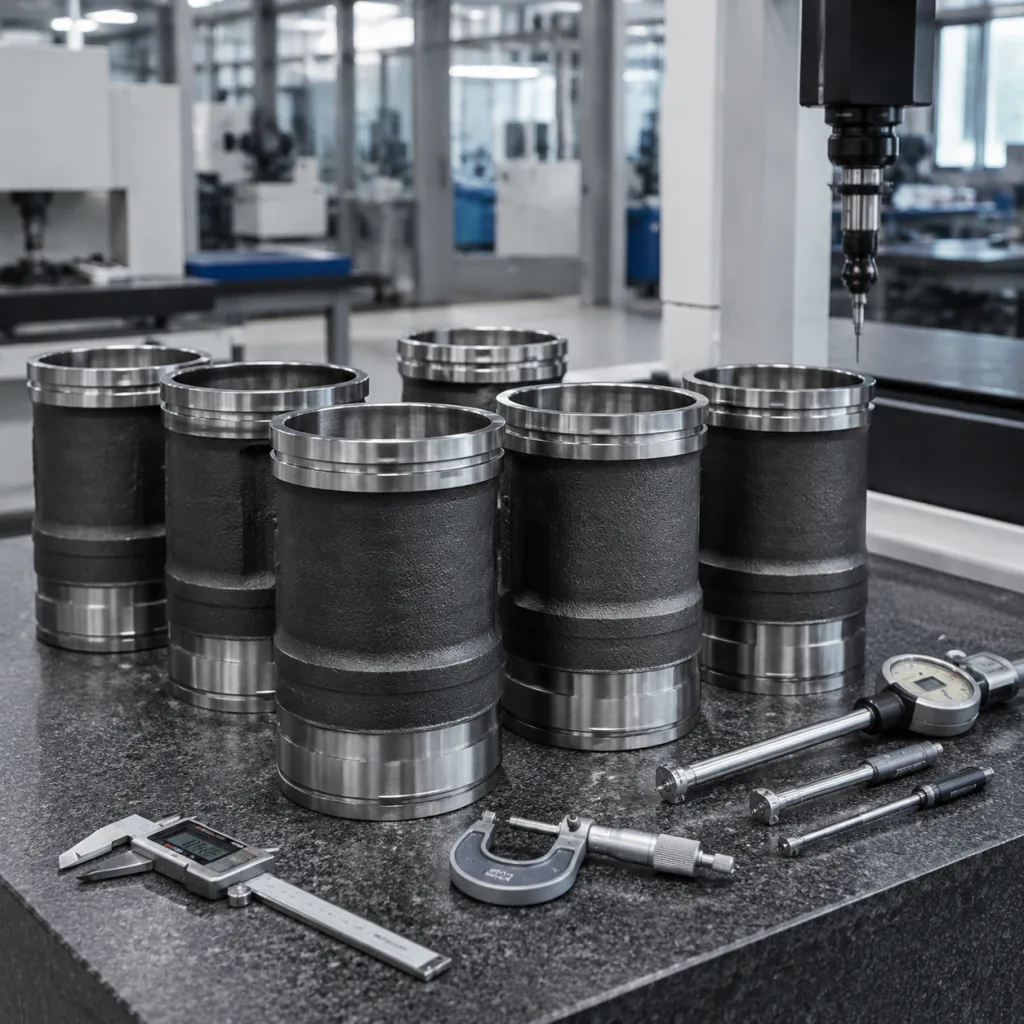
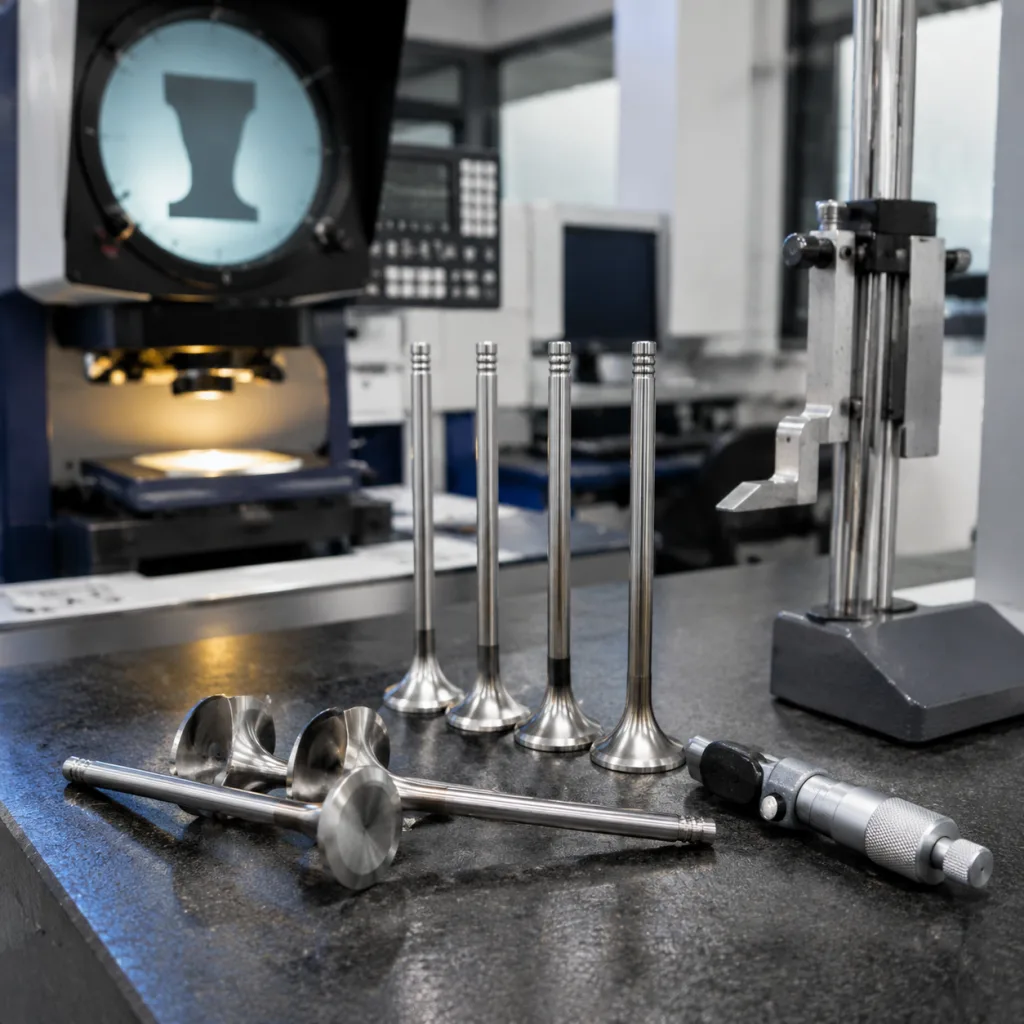
</tr></thead><tbody> </tbody></table>Agree measurable controls before mass production. Buyers often request 100% visual inspection, 100% rotational or functional feel check, and batch sampling for key dimensions. Critical-interface checks may include pilot bore, bolt-hole diameter, bolt-hole position, friction-face runout, ring-gear tooth count, and mounting-face cleanliness. Inspection frequency can be set as first-piece approval plus hourly patrol inspection during machining, with final random inspection to ANSI/ASQ Z1.4 or ISO 2859-1 sampling levels when specified by the customer.
For regulated markets, the audit may also cover material and chemical compliance. Buyers selling into the European Union often request REACH (EC) No 1907/2006 declarations for applicable substances. Packaging material rules, ISPM 15 wood-pallet treatment, country-of-origin marking, and importer label requirements should be confirmed before shipment booking, not after goods are packed.
MOQ, Lead Time, and Packaging: the Real Trade-Offs
Low MOQ, short lead time, private-label packaging, extra inspection, and the lowest unit price rarely arrive together. One variable usually pays for the others. The practical task is to choose the trade-off that protects margin without creating stockouts or avoidable claims.
MOQ depends on SKU complexity, stock position, packaging format, and whether the order uses Driventus branding, neutral packaging, or private label. A realistic wholesale starting point is usually a consolidated pallet order or mixed container, not a single-carton shipment. For active references, trial orders are commonly planned around 20–50 pieces per SKU or 100–300 pieces across mixed SKUs, depending on stock and carton configuration. Private-label production often requires 100–200 pieces per SKU or an agreed total brand run to justify carton printing, label set-up, warehouse segregation, and inspection handling. New development items may require a higher pilot and first-batch quantity because material procurement, fixture checks, and validation time are built into the cost.
Compare price by landed cost, not only EXW or FOB unit price. The main cost drivers are casting or forging mass, spring and damper specification, machining time, balancing time, scrap allowance, packaging strength, inspection documents, and order quantity. A low MOQ usually carries a higher unit price because set-up, documentation, and export packing are spread over fewer parts. A full-pallet, full-batch, or mixed-container order usually improves price stability and freight efficiency. Ask whether the quote includes standard carton, inner protection, palletisation, export marks, and any special inspection reports.
Plan lead time in three gates:
1. Confirmation: fitment verification, sample approval when required, carton and label sign-off, and deposit or credit approval 2. Production: machining, assembly, balancing, final inspection, and packing 3. Logistics: vessel schedule, destination port, customs route, and consolidation with other powertrain parts
A practical planning range for dual mass flywheel Audi wholesale orders is:
Existing reference, standard packaging: normally 35–55 days after order confirmation
Existing reference, private-label carton and buyer label: normally 45–65 days after artwork approval
Repeat order with semi-finished stock available: often 20–35 days after confirmation, subject to inspection and packing capacity
New development or sample-based project: usually 60–120 days for measurement, drawing release, pilot samples, correction, and first-batch planning
Urgent replenishment: possible only when semi-finished or finished stock is available
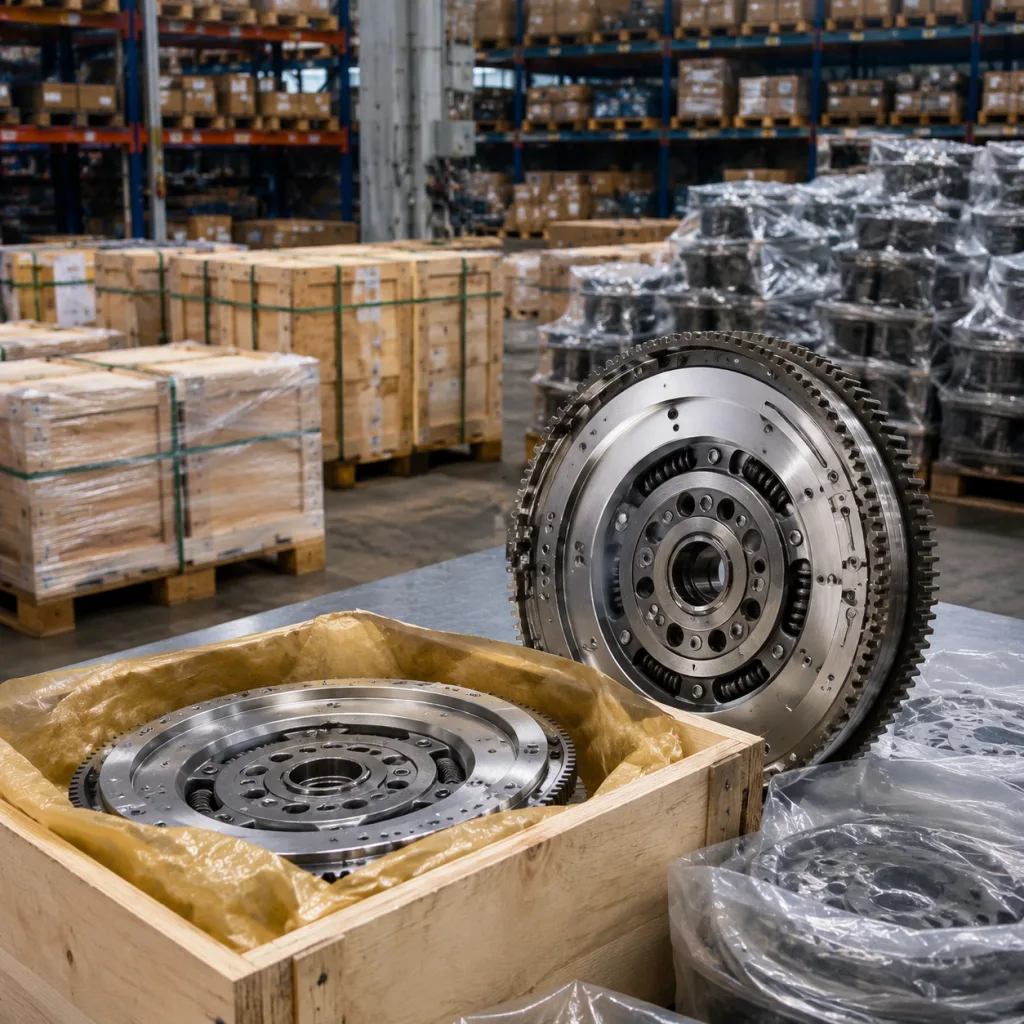
Packaging is not cosmetic for a DMF. These are heavy rotating assemblies, so carton compression strength, internal support, anti-corrosion protection, and pallet stability directly affect damage rates. A typical export pack uses one DMF per reinforced carton with inner bag, corrosion inhibitor or oil protection as agreed, molded or corrugated supports, and outer carton marks showing reference, batch, quantity, gross weight, net weight, country of origin, and barcode. Pallet height is normally controlled for forklift stability and container loading; buyers should specify warehouse limits such as 1.1 m or 1.2 m maximum pallet height.
For LCL shipments, use stronger outer cartons, edge protection, stretch film, strapping, and clear handling marks because each carton is handled more often. For FCL shipments, check pallet layout against container payload, not only volume. DMFs can hit the weight limit before the cube is full.
Technical Approval: Numbers Before Confidence
A clean sample photo proves very little. A wholesale DMF programme should be approved through measurable checks, agreed records, and a clear rule for handling non-conforming parts. Driventus can support standard dimensional inspection, dynamic balancing records, batch traceability, and additional testing for customer-specific programmes.
Start with the interfaces most likely to create fitment or NVH problems:
Ring gear tooth count, tooth form, tooth runout, and starter engagement geometry
Crankshaft bolt pattern, pilot diameter, mounting face runout, and bolt-seat condition
Clutch cover bolt pattern, dowel position, friction-face diameter, and pressure-plate seating face
Axial movement and angular free play within the agreed control range for the reference
Surface roughness, flatness, parallelism, and machining marks on the friction face
Dynamic balance level agreed for the application and rotational mass
Grease retention, sealing condition, and damper noise after thermal cycling, where applicable
Spline, bearing, or interface geometry when supplied as a matched kit component
Ask for actual values, not broad assurances. The control plan may define friction-face runout, mounting-face runout, pilot-bore tolerance, bolt-hole position tolerance, residual unbalance limit, and accepted angular free-play range. The exact values must match the reference design and buyer approval sample, but the quotation should state whether the supplier will report nominal dimensions, tolerance bands, measuring method, gauge type, and sampling quantity. For critical interfaces, a practical approval file includes a dimensional report on 3–5 pilot samples, photos of marking and packaging, balancing report, material traceability, and installation-fit confirmation against a verified sample or fixture.
Functional validation can be written into the quality agreement. Common buyer requirements include cold and hot noise checks, rotational free-play comparison to a golden sample, grease leakage observation after thermal exposure, endurance-cycle testing for custom programmes, and final visual inspection for cracks, burrs, dents, rust, and contamination. If the buyer has a warranty threshold, such as maximum acceptable field return rate or claim response time, link it to inspection evidence and replacement-credit rules before the first shipment.
Be precise with standards. IATF 16949:2016 and ISO 9001:2015 define quality-management expectations; they do not set individual DMF performance values. Environmental and substance declarations may reference REACH (EC) No 1907/2006 where applicable. Vehicle emissions standards such as ECE R-83 can influence the broader powertrain environment, but they should not be presented as direct DMF certifications. If a buyer requires an internal vibration, endurance, or thermal-cycle protocol, the method, acceptance limits, sample size, and reporting format should be written into the quality agreement.
For OE-equivalence discussions, compare dimensions, function, installation interface, and validation results against verified samples or drawings. Driventus does not claim vehicle manufacturer approval. Brand names are referenced only to identify aftermarket fitment.
Private Label, Neutral Carton, or Custom Build?
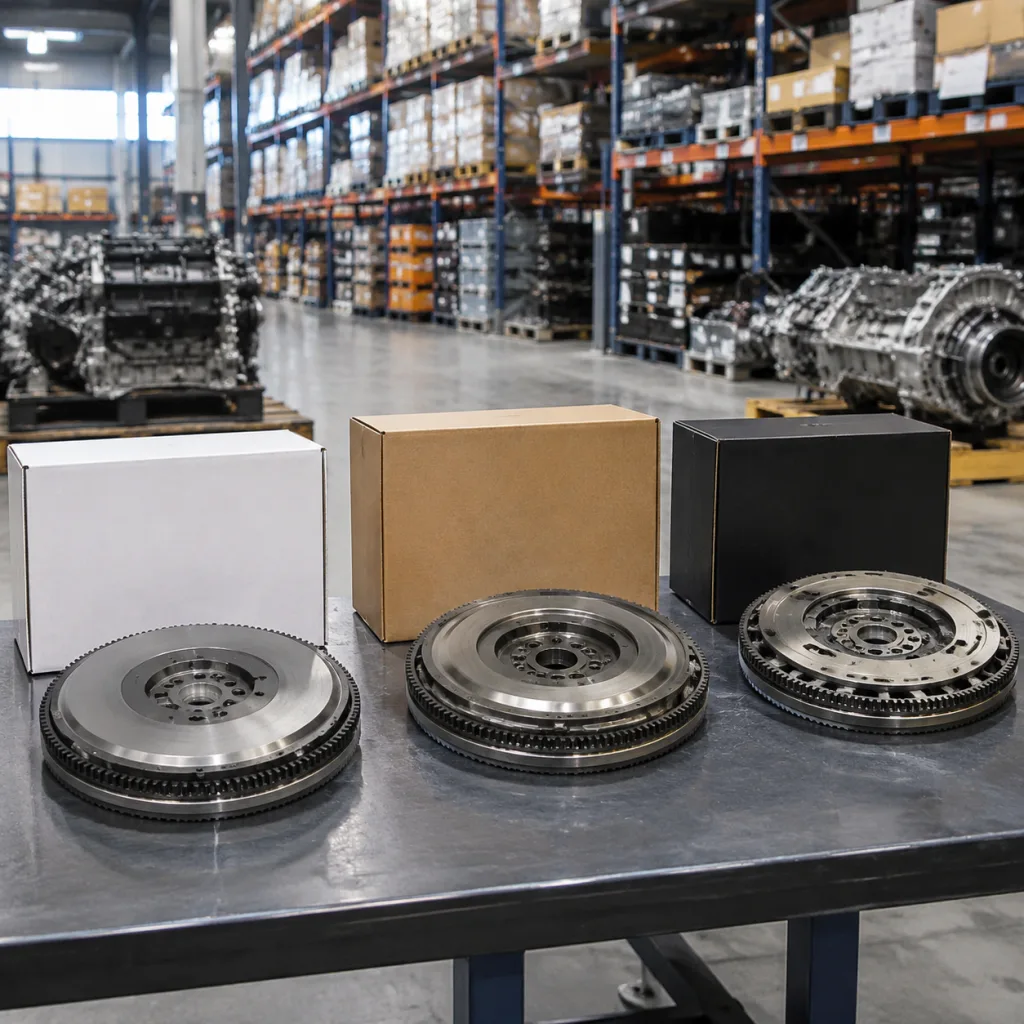
The packaging route should match the commercial risk. Full private label supports brand control, catalogue consistency, and warehouse automation. It also adds artwork approval, carton MOQ, label rules, and responsibility for trademarks. Neutral carton with buyer label is often faster for a trial order. Custom manufacturing is a different decision again; it should be used when the reference, validation requirement, or fitment data cannot be met through standard supply.
Distributors often use private label to align DMFs with clutch kits, regional catalogues, warranty workflows, and warehouse systems. Driventus can discuss carton design, neutral packing, product marking, barcode structure, master-carton configuration, and pallet labels once trademark ownership and artwork responsibilities are clear. Product markings must not imply vehicle manufacturer endorsement or use protected branding without authorisation.
Private-label planning should define carton size limits, colour or kraft board preference, minimum carton burst or compression requirement, label position, barcode type such as EAN-13, UPC, Code 128, or QR code, serial or batch-number format, and whether the warranty insert is packed inside every carton. Artwork approval usually adds several working days, and printed-carton MOQ may be separate from product MOQ. If the first order is small, a neutral carton with buyer label can reduce cost and lead time while demand is tested.
For buyers needing engineered changes or a reference not currently listed, custom manufacturing can be evaluated. The development route normally starts with fitment data, sample parts, target volume, destination market, and required inspection documents. Engineering review then confirms feasibility, tooling requirements, validation plan, and commercial terms. Where a sample is supplied, it should be clean, complete, clearly labelled, and accompanied by known application data; worn friction surfaces or damaged ring gears can distort reverse-engineering results.
A typical project path is:
1. RFQ with application details, annual volume, destination market, target price band, and packaging needs 2. Technical review of samples, drawings, or verified references, including critical dimensions and functional features 3. Costing and MOQ confirmation, including tooling, fixture, carton, or label costs if required 4. Pilot samples and dimensional report, normally using a small controlled sample set before commercial release 5. Buyer approval, vehicle or bench confirmation, or corrective adjustment with revised report 6. Production order with agreed inspection plan, AQL level, traceability fields, and shipment document list 7. Batch shipment with packing list, invoice, carton photos, pallet photos, and quality documents
Wholesale buyers can combine DMFs with other powertrain items from our catalog to improve container utilisation and reduce per-unit logistics cost. Because DMFs are weight-dense, consolidation should be planned by gross weight, pallet count, and unloading method. Where engine-adjacent components are required in the same sourcing project, buyers may also review engine components to consolidate gasket sets, timing components, pistons, water pumps, and related SKUs under one purchasing workflow.
RFQ Questions That Prevent Rework
A strong RFQ does not ask, “Can you quote Audi DMF?” It tells the supplier what must be quoted, tested, packed, documented, and repeated. That is how import managers avoid three rounds of revised pricing and a sample that cannot be approved.
Engine code, transmission code, production year, and market region are usually more reliable than model name alone. If available, include photos or scans of the current sample, especially the ring gear, crank mounting face, clutch face, side profile, and any stamped or etched reference marks.
Recommended RFQ information:
Target SKU list and annual forecast by item, split by first order and repeat order
Required fitment coverage, engine codes, transmission codes, and cross-reference data
Destination country and Incoterms preference, such as EXW Taizhou, FOB Ningbo, CIF destination port, or DAP warehouse
Packaging type: Driventus, neutral, buyer label, or full private-label carton
Label fields, barcode format, language requirements, and country-of-origin marking
Required certificates, declarations, inspection reports, and audit documents
Trial order quantity, expected repeat-order schedule, and target inventory cover in months
Any customer-specific audit, PPAP-style documentation request, or golden-sample approval process
Target shipment mode, pallet height limit, LCL or FCL preference, and consolidation plan
Use the same RFQ template when comparing multiple suppliers. It makes MOQ, tooling cost, lead time, inspection scope, packaging, and after-sales support easier to compare on a like-for-like basis. Driventus can quote standard supply, mixed-SKU wholesale orders, or engineered programmes after receiving the technical file.
Before issuing the first order, confirm golden samples, label approval, carton drop expectations, pallet height, corrosion protection period, and shipment inspection responsibility. Also lock deposit terms or credit terms, price validity period, currency, Incoterms version, HS code review responsibility, and whether pre-shipment inspection is conducted by the buyer, Driventus, or a third party. These details look small during purchasing. They become expensive when goods reach the warehouse with unclear labels, damaged cartons, missing inspection records, or disputed claim rules.
Frequently asked questions
MOQ depends on the reference, packaging, stock position, and whether the order is standard supply or private label. Active items may support trial quantities around 20–50 pieces per SKU or mixed orders across several SKUs, while private-label or custom references usually require higher quantities to cover materials, carton printing, set-up, and inspection. Share the SKU list and annual forecast for a practical MOQ review.
Yes, private-label cartons and labels can be discussed after artwork, trademark responsibility, label fields, barcode format, and order volume are confirmed. Printed cartons may have separate MOQ and lead-time requirements. Packaging must not imply endorsement by any vehicle manufacturer. Neutral packaging is also available for many wholesale programmes.
Available documents can include IATF 16949:2016 and ISO 9001:2015 certification details, inspection reports, packing records, traceability information, balancing records where applicable, and material declarations such as REACH (EC) No 1907/2006 where relevant. Audit support can be arranged before order placement.
If you are building a wholesale DMF programme for Audi-fitment applications, send your SKU list, destination market, forecast, target MOQ, Incoterms, and packaging requirements to [request a quote](/contact.html).