Cylinder Sleeve Kia Manufacturer China: Sourcing Guide
Sourcing cylinder sleeves for Kia engine applications is not just a price exercise. B2B buyers usually need stable metallurgy, controlled machining tolerances, lot-level traceability, and export lead times they can rely on. For aftermarket distributors, OEM replacement programmes, and repair-chain supply contracts, the supplier should also provide clear inspection records, revision control, and compliance declarations.
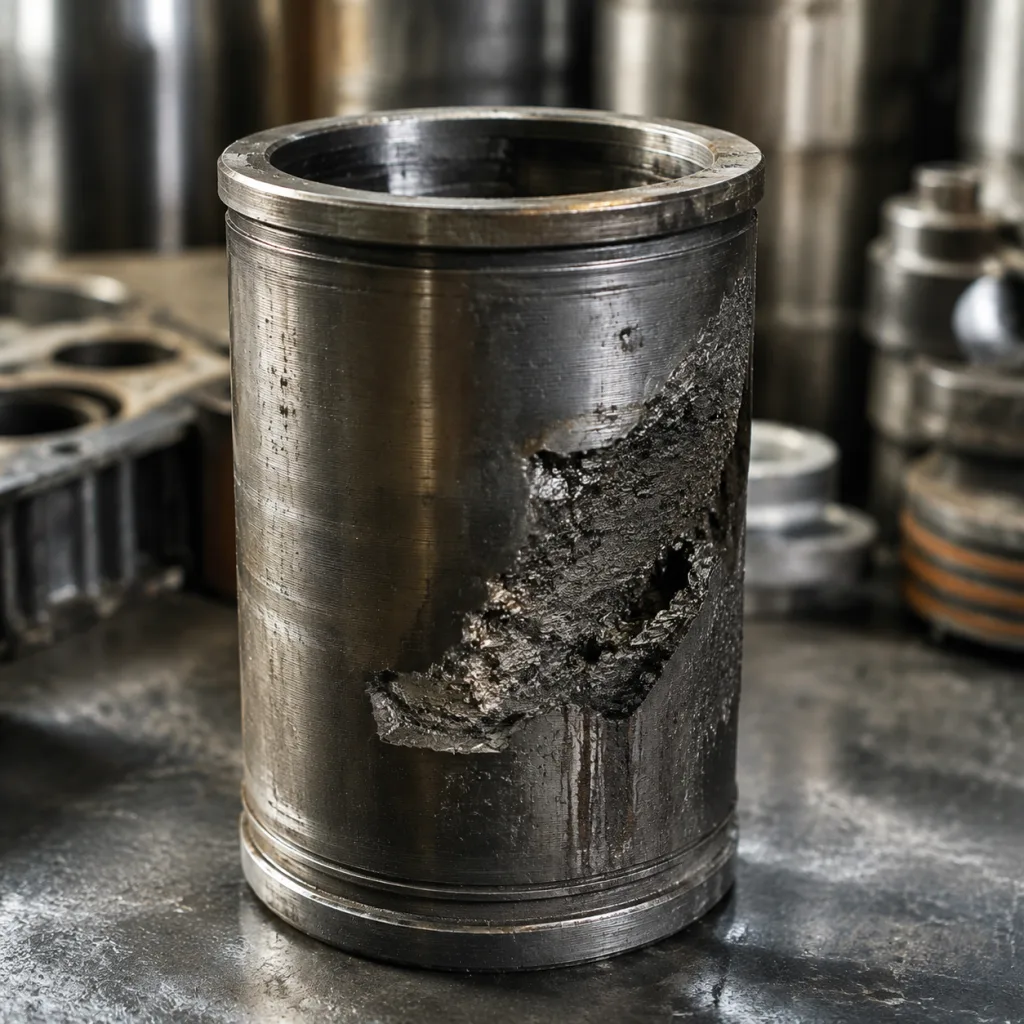
When reviewing a cylinder sleeve kia manufacturer china source, most teams focus on five technical areas: casting route, liner material, dimensional capability, corrosion protection, and audit readiness. Sleeve failures rarely come from a single cause. Hardness drift, bore geometry error, residual casting stress, wall-thickness variation, or weak rust prevention during sea transit can all turn into warranty claims later.
This guide explains what to verify before supplier nomination, which production and quality records to request, and how to compare suppliers using measurable purchasing criteria rather than catalogue breadth alone. In practice, the right supplier is the one that can hold drawing requirements consistently across multiple lots, not just offer an attractive first quotation. Buyers handling Korea-brand applications often manage many low- to medium-volume references, so MOQ flexibility, mixed loading, and private-label packing can matter almost as much as unit price.
Driventus is an independent aftermarket manufacturer; brand names are referenced for fitment only.
What B2B buyers should check first
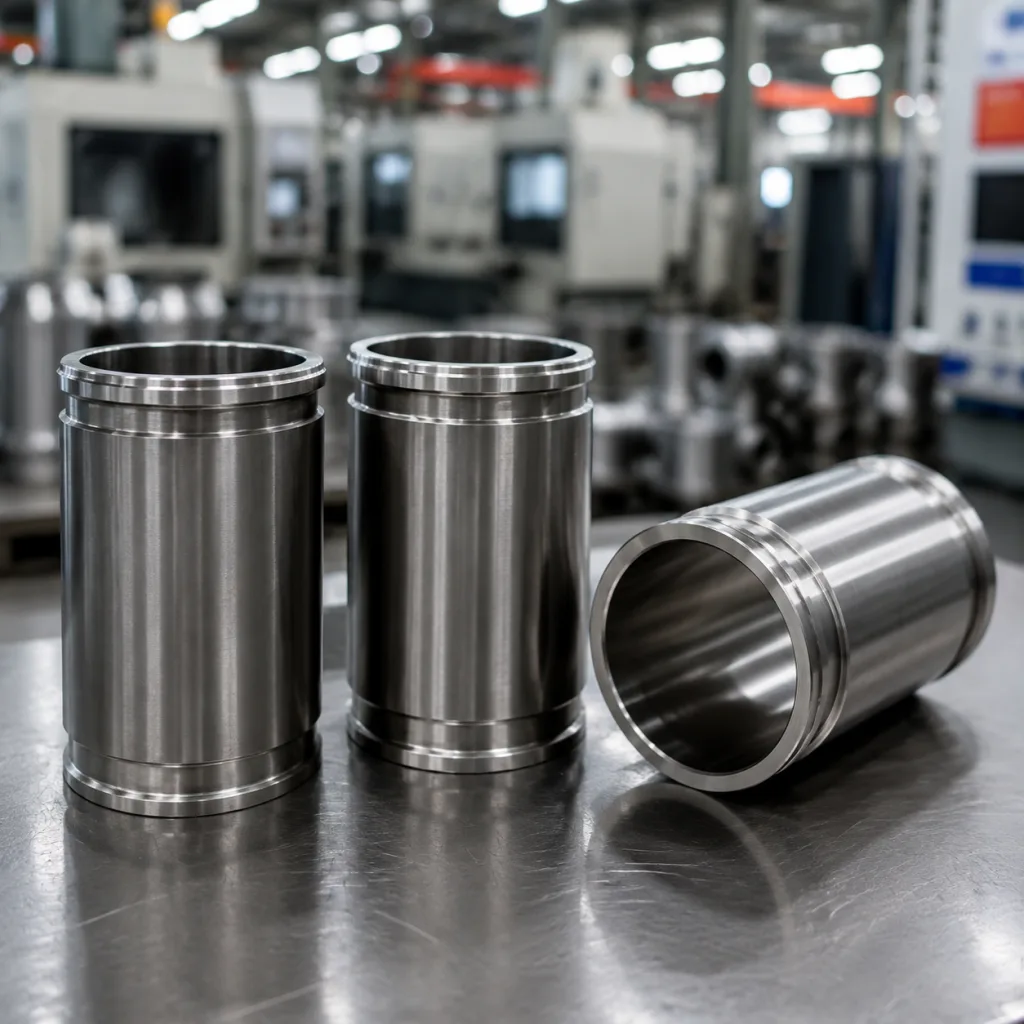
For Kia-related liner programmes, the first screen should be fitment coverage and process capability, not unit cost alone. Confirm whether the supplier can support dry sleeves, wet sleeves, semi-finished liners, or finish-machined liners for the engine family you need and the machining model used in your market.
Before annual volume or target pricing is discussed, pin down where the supplier sits in the manufacturing chain. Some factories cast and rough-machine in-house but outsource finish boring and honing. Others only machine purchased castings. That difference affects traceability, lead-time control, and the speed of root-cause analysis if field failures appear.
A practical RFQ checklist includes:
- Material grade and microstructure: typically grey cast iron or alloyed cast iron, with pearlitic structure commonly specified for wear resistance
- Bore and outside diameter tolerance: confirm finished and semi-finished limits separately; many finish-machined sleeves are controlled in the low hundredths of a millimetre range on critical diameters
- Surface finish: ask for actual Ra values on bore, OD, and flange faces where applicable; finish-honed bores are commonly supplied well below rough-turned levels
- Wall thickness consistency: request minimum wall and total variation limits, especially on thin-wall designs where heat transfer and press-fit distortion are sensitive
- Hardness window: often controlled by Brinell hardness testing; ask for the actual acceptance band rather than a vague "as per standard"
- Corrosion protection and VCI packaging: important for 30- to 45-day sea freight and humid storage conditions
- Traceability: heat number, melt lot, machining batch, final inspection lot, and carton/pallet linkage
- Audit documentation: process flow, PFMEA, control plan, gauge list, and final inspection records
Also clarify exactly what the quotation covers:
- Raw casting for local machining
- Semi-finished sleeve with defined machining allowance left on ID/OD
- Finish-machined sleeve ready for installation or final honing
- Matched kit supply if the programme includes pistons, rings, or related engine components
This distinction matters because two suppliers can quote the same reference number while offering very different completion levels. One quotation may include final bore control, rust inhibitor, unit packaging, and export palletisation, while another may cover only semi-finished stock.
For distributors managing multiple references, check whether the factory can provide private-label cartons, barcode labels, and mixed-container loading. Stable carton dimensions, accurate labelling, and consistent pallet patterns reduce receiving, counting, and picking costs at the destination warehouse.
At the first screening stage, ask for three concrete items instead of broad claims: a sample dimensional report, photographs of the export packing format, and a recent lot-traceability example. Those documents quickly show whether the supplier operates to an export aftermarket standard or only to a basic domestic-market standard.
If your sourcing scope extends beyond liners, review our catalog and the engine portfolio under /products/engine-components.html.
Material, machining and tolerance points that affect claim rates
Cylinder sleeve performance comes from the interaction of metallurgy, machining, and installation conditions. In purchasing terms, those three variables often reappear later as warranty cost.
A sleeve can look acceptable on arrival and still fail in service if the material structure is inconsistent, the bore geometry drifts during production, or machining allowance varies enough to create uneven wall thickness after local finishing. That is why measurable process controls matter more than catalogue descriptions.
Key technical controls
A competent supplier should be able to define and measure:
- Chemical composition control for carbon, silicon, manganese, phosphorus, and sulphur within the internal material specification
- Microstructure such as flake graphite distribution and pearlite/ferrite balance, because these affect wear, thermal conductivity, and machinability
- Hardness consistency across body and flange, commonly verified by HBW testing to an agreed band
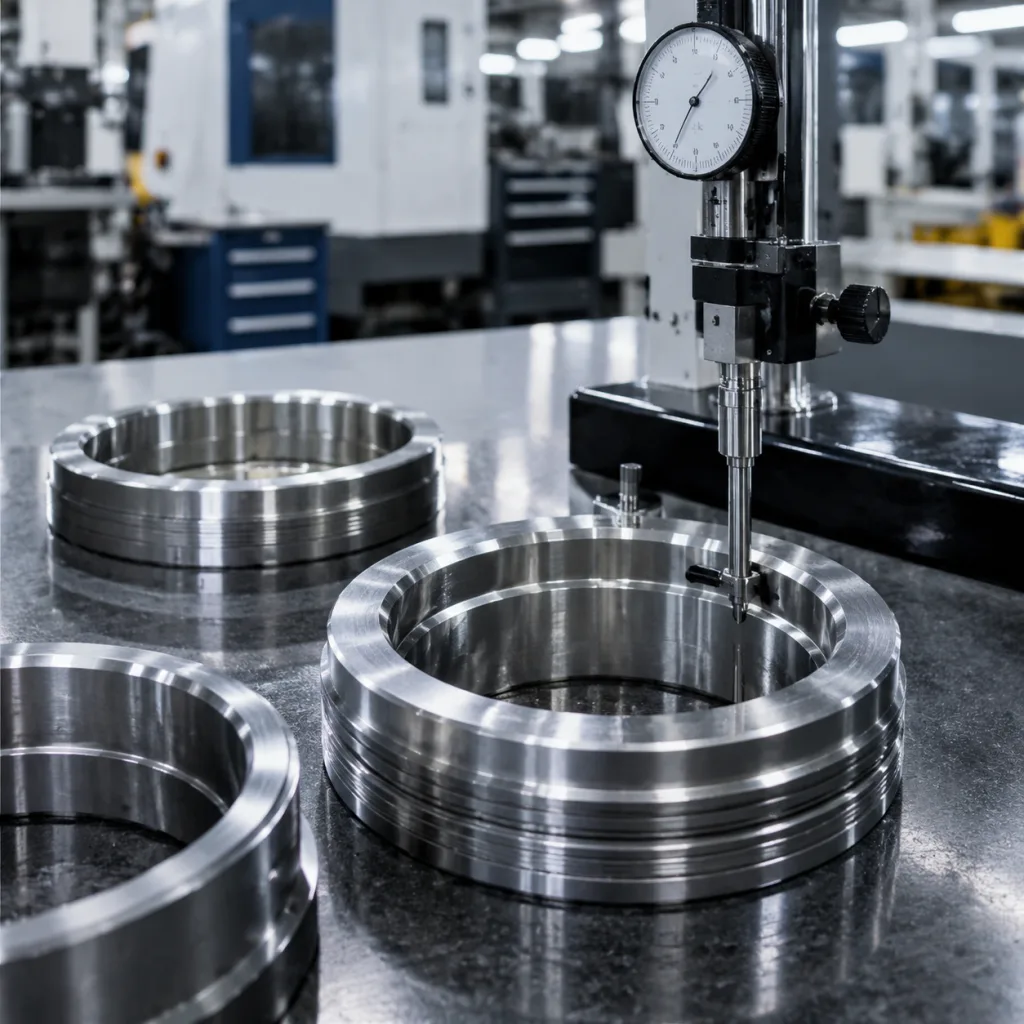
- Roundness, cylindricity, and taper after finish machining
- Bore surface roughness matched to the required honing process and ring package
- Concentricity between ID and OD to reduce uneven loading after press fit
- Chamfer and lead-in geometry to avoid installation damage
Beyond those basics, mature factories should also be able to discuss:
- Casting porosity control and the inspection method used to detect critical defects
- Residual stress management after casting and rough machining, including natural ageing or controlled stress-relief steps if used
- Machining allowance range on semi-finished parts, typically specified separately for ID and OD
- Flange flatness where the design includes a locating or sealing function
- Straightness over full sleeve length for longer liners
- OD surface condition where interference fit behaviour depends on controlled finish rather than rough as-cast texture
Importers commonly report bore taper, porosity near the flange, insufficient anti-rust protection, and unstable machining allowance on semi-finished parts. These issues often stay hidden until local boring, honing, or press-fit installation begins.
The commercial impact is larger than it first appears. If a defect escapes incoming inspection, the destination machine shop may not find it until boring or press-fitting the liner. By then the buyer has already paid freight, customs duty, warehouse handling, and local labour. The real cost of a nonconforming lot can therefore exceed the original purchase-price saving by a wide margin.
Why metallurgy matters in sourcing decisions
For cylinder sleeves, metallurgy affects wear resistance, thermal transfer, machinability, and crack risk. Buyers do not always need proprietary composition details, but they should expect the supplier to define its material standard and show how each melt or lot is controlled.
In many aftermarket programmes, the issue is not chasing an extreme hardness figure. The real requirement is a stable hardness window that supports both service life and machinability. If hardness runs too high, boring and honing costs rise through tool wear and cycle time. If hardness is too low or inconsistent, wear complaints and oil-consumption issues may follow.
A credible supplier should be able to explain:
- target chemical range for the selected cast iron grade
- inoculation or melt-treatment method used to stabilise structure
- hardness sampling frequency per lot
- whether microstructure is checked by metallographic section at defined intervals
Machining quality and installation performance
Machining accuracy affects installation just as much as final running performance. Poor concentricity or unstable wall thickness can create uneven interference during fitting. Excessive taper or inadequate chamfering may damage the sleeve during assembly. Bore finish that does not match the intended honing sequence can reduce oil retention and delay ring seating.
Ask how critical dimensions are checked:
- 100% in-line or post-process
- By first-off and last-off control only
- By statistical sampling under an AQL plan
- Using manual gauges, air gauges, bore gauges, CMM, or dedicated fixtures
Where the sleeve is sold into regulated markets, the broader supplier-management framework should align with IATF 16949:2016 or at minimum ISO 9001:2015 for documented process control and corrective-action management. For chemical compliance of coatings, oils, inks, and packaging materials, buyers commonly request declarations referencing REACH (EC) No 1907/2006.
A reliable supplier should also state whether final dimensional release is based on 100% inspection of special characteristics or sampling to an agreed AQL level, and which instruments are used for final acceptance. The clearer these controls are, the easier it is to compare process risk across competing quotations.
How to compare China suppliers for Kia sleeve programmes
A side-by-side scorecard is the simplest way to keep sourcing decisions from collapsing into a pure FOB price comparison.
This is especially useful when several China suppliers look similar at first glance. Many can provide product photos, broad fitment claims, and general quality statements. The real differences usually appear only when buyers compare process detail, inspection discipline, and execution capability line by line.
| Evaluation point | What to ask for | Why it matters |
|---|---|---|
| Manufacturing route | Casting process, machining steps, whether finish honing is in-house, any stress-relief step | Affects porosity risk, stability, and process ownership |
| Material control | Chemical range, hardness band, microstructure check frequency | Directly linked to wear life and machinability |
| Tolerance capability | Cp/Cpk data, process study, or historical inspection reports on critical diameters | Shows whether production is stable, not just nominally compliant |
| MOQ | Trial MOQ, mass-order MOQ, mixed-part support | Important for low-volume aftermarket references |
| Lead time | Tooling, sampling, pilot batch, repeat-order cycle | Reduces launch risk and stock gaps |
| Documentation | Material certs, dimensional reports, traceability labels, packing specs | Supports incoming control and warranty analysis |
| Compliance | IATF 16949:2016 or ISO 9001:2015 status, REACH declarations where applicable | Needed for supplier approval in many organisations |
| Audit readiness | Process flow, PFMEA, control plan, calibration records, NCR handling | Speeds onsite or remote audit review |
| Export execution | Incoterms, pallet standard, carton strength, VCI method | Prevents rust, transit damage, and customs issues |