Cylinder Sleeve Acura OEM Supplier Sourcing Guide
A good sleeve programme is not won by matching one diameter on a sample. It is won by controlling cast iron structure, bore geometry, corrosion protection, documentation, and delivery discipline across repeat lots. Procurement teams searching for a cylinder sleeve Acura OEM supplier should first clarify whether they need OE-equivalent aftermarket supply, drawing-controlled development, or a formal Tier-1 style approval package. Those are different sourcing paths.
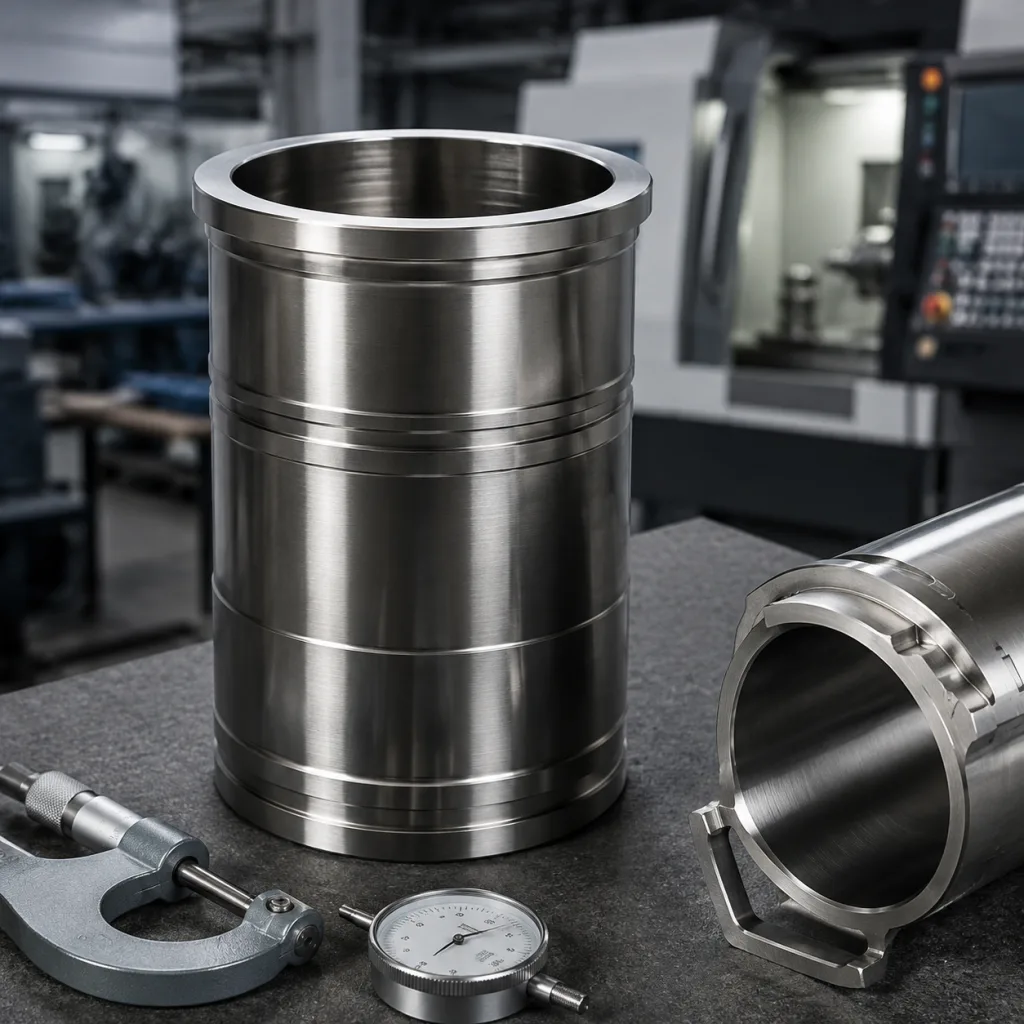
Driventus manufactures engine and powertrain components in Taizhou, Zhejiang, including cylinder sleeves, pistons, crankshafts, gaskets, water pumps, and turbochargers. For Acura-fit sleeve projects, we support catalogue supply, drawing-based development, batch inspection, PPAP-style documentation, and private-label packaging. Driventus is an independent aftermarket manufacturer; brand names are referenced for fitment only.
Start With the Buying Decision, Not the Part Name
The phrase “cylinder sleeve Acura OEM supplier” can create confusion inside an RFQ. One buyer may mean an OE-equivalent aftermarket sleeve for Acura-fit repair channels. Another may mean a drawing-controlled component for an engineered service programme. A third may be asking about vehicle manufacturer approval. Driventus does not claim approval or endorsement by any vehicle manufacturer.
Use the first RFQ round to identify the purchasing lane:
- Catalogue replacement: fastest route when the application already exists and the buyer accepts the current material, machining state, and packaging format.
- Private-label catalogue supply: suitable for distributors that need their carton, label, barcode, and export packing rules applied to a known sleeve.
- Drawing-controlled development: required when dimensions, material grade, hardness, microstructure, or inspection points are controlled by the buyer.
- Semi-finished sleeve supply: useful when the buyer or engine builder prefers local final honing and fitment control.
- Finished-bore supply: better when installation-ready geometry, bore finish, and individual protection are specified at source.
- Tier-1 style approval: appropriate when APQP, PPAP-style documents, revision control, and audit records are part of the contract.
Before asking for price, confirm the engine code, displacement, model-year range, destination market, sleeve type, material, critical dimensions, machining state, annual demand, and inspection level. Critical dimensions usually include outer diameter, inner diameter, flange diameter, flange height, total length, chamfer, wall thickness, undercut, radius, and surface finish.
For existing aftermarket lines, buyers can review our catalog and related engine components. For drawing-controlled projects, custom manufacturing is usually the right route. A complete RFQ normally allows a commercial answer within 3–5 working days; sample development or reverse engineering needs a separate technical review.
Where Sleeve Programmes Usually Fail
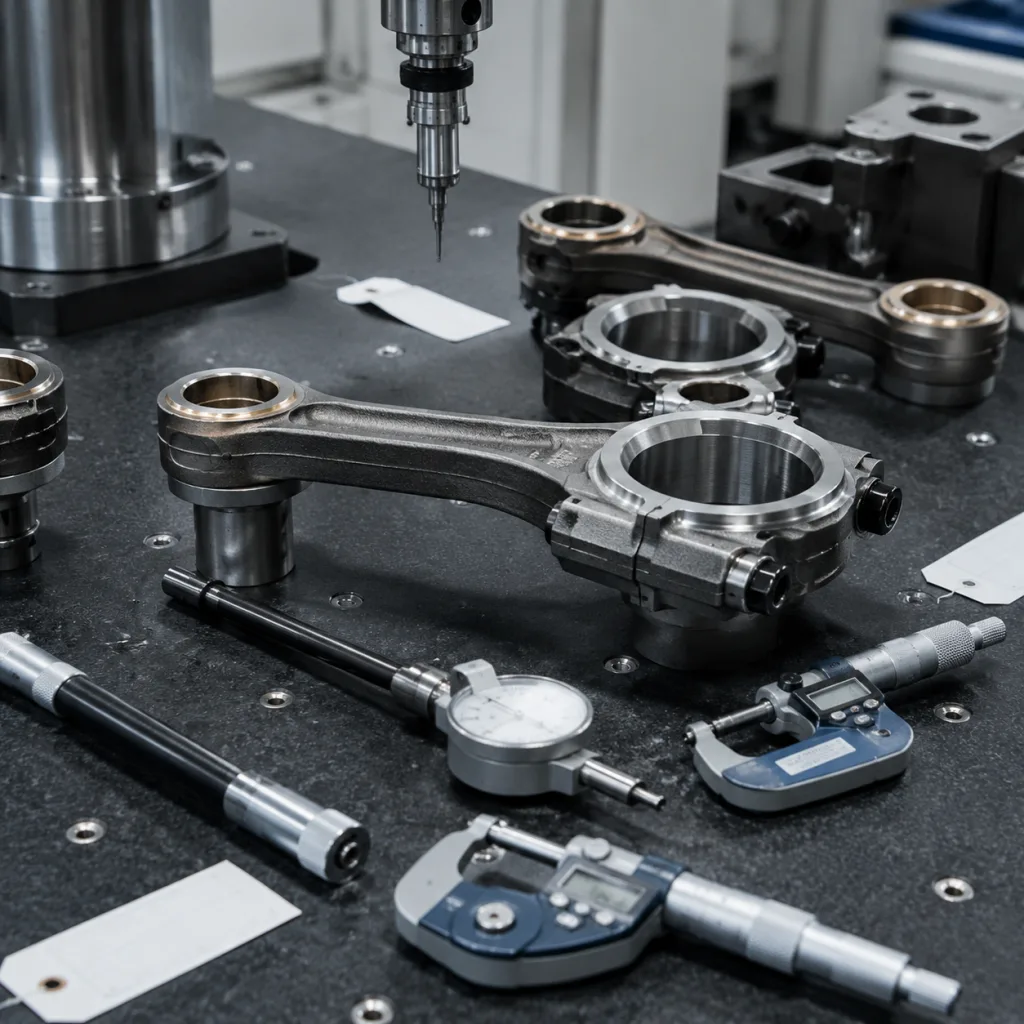
Cylinder sleeves look simple. They fail in less obvious places: a hardness drift between heats, a flange height variation that changes seating, a carton design that allows metal-to-metal impact, or a missing batch link after a field complaint. A useful supplier audit follows one sleeve family from raw material through casting, rough machining, heat or batch identification, final machining, washing, anti-rust treatment, packing, and finished-goods storage.
Driventus operates under IATF 16949:2016 and ISO 9001:2015 quality management requirements. These standards support traceability, corrective action, supplier control, and process monitoring. They do not replace buyer validation. Buyers should still review the actual control plan, inspection frequency, gauge calibration status, and nonconformance handling for the selected sleeve family.
| Failure Mode | What to Audit | Practical Acceptance Target | |
|---|---|---|---|
| Heat-to-heat material variation | Melt records, inoculation practice, chemistry, hardness trend | Heat records traceable to finished lot; hardness trend within agreed range | |
| Machining drift | CNC setup, tool-life records, in-process checks | First-off approval and periodic OD/ID/flange checks per control plan | |
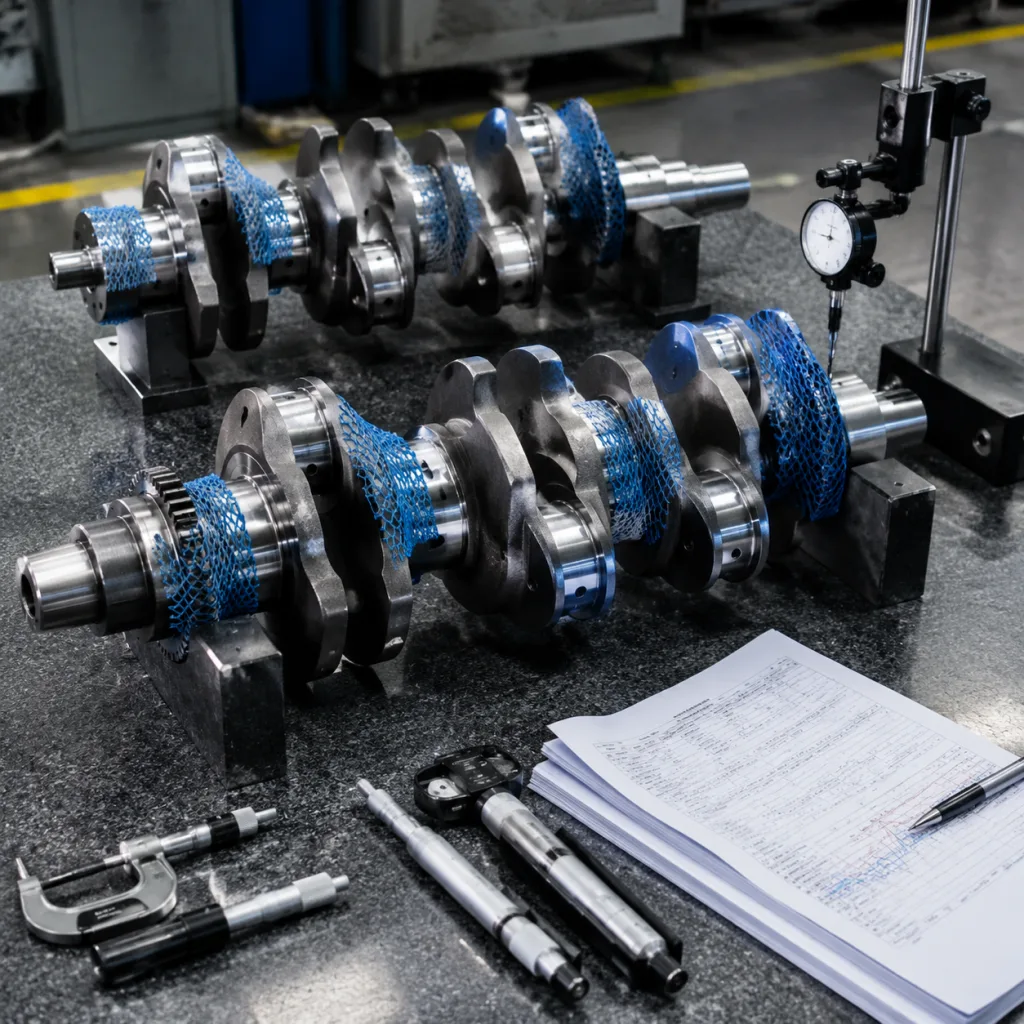
| Geometry mismatch | Concentricity, wall thickness, flange runout | Capability evidence on critical characteristics where volume justifies Cp/Cpk review | |
| Weak measurement control | Bore gauges, micrometers, height gauges, CMM access | Calibration valid; gauge resolution suitable for the stated tolerance | |
| Slow containment | Heat number, batch code, inspection lot, packing lot | Lot containment possible within 24–48 hours after a quality alert | |
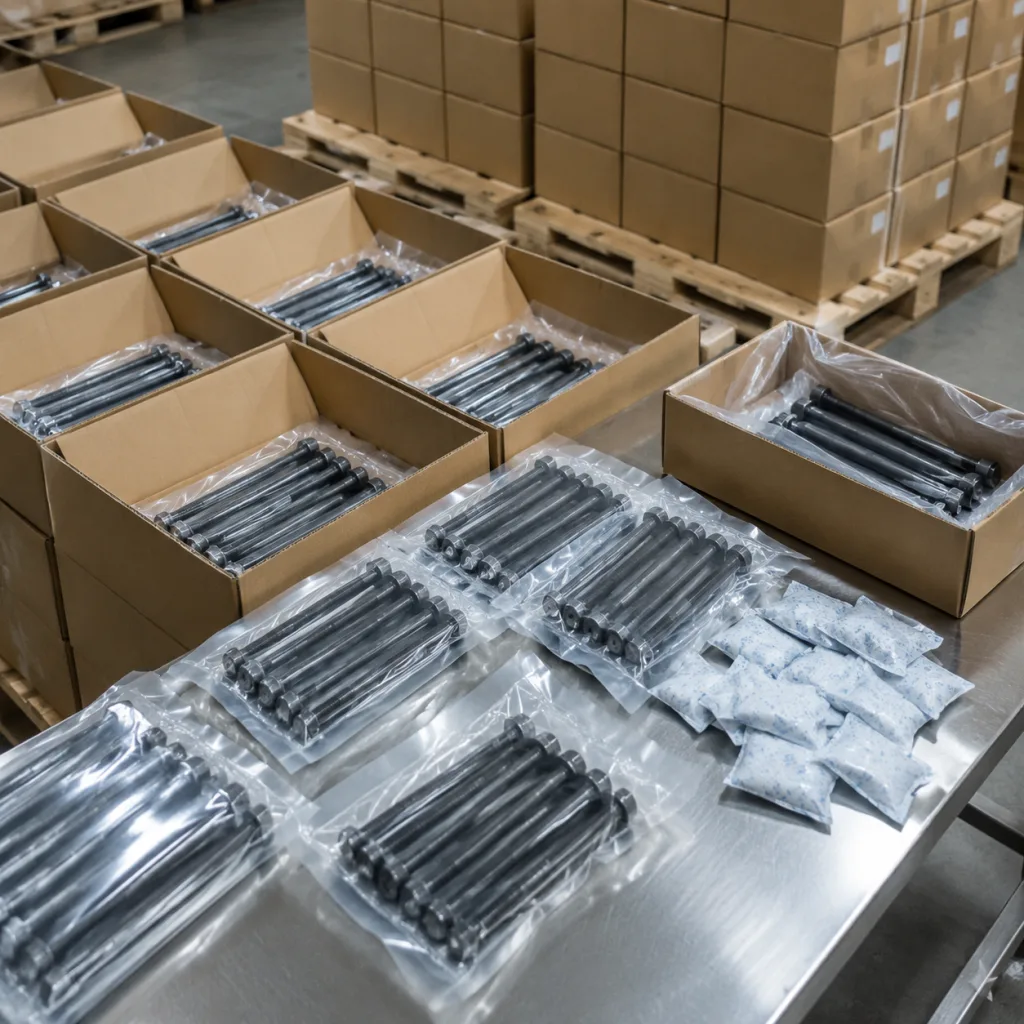
| Export damage or rust | Anti-rust oil, VCI option, separators, carton strength | No metal-to-metal impact; cartons and pallets survive export handling | |
| Repeated claims | 8D reports, root-cause records, recurrence prevention | Clear containment, cause verification, corrective action, and effectiveness check |
| Sourcing Scenario | Typical MOQ | Indicative Lead Time | Price Logic |
|---|---|---|---|
| Existing catalogue sleeve | 100–300 pcs | 25–45 days | Lowest setup cost if raw or semi-finished stock is available |
| Private-label catalogue supply | 300–500 pcs | 35–55 days | Adds artwork, label approval, carton MOQ, and packing labour |
| Drawing-based development | 500–1,000 pcs | 55–90 days | Includes drawing review, sample machining, tooling, and validation loop |
| Tight-tolerance finished bore | 300–800 pcs | 45–75 days | Higher cost from slower machining, honing, gauging, and scrap risk |
| Annual blanket order | Agreed schedule | 30–60 days per release | Best for stable landed cost, material planning, and capacity reservation |
| Buyer Type | Typical Documentation Need | Main Risk Controlled |
|---|---|---|
| Aftermarket distributor | Fitment list, carton data, batch inspection, packing photos | Wrong application, damaged cartons, inconsistent replenishment |
| Engine remanufacturer | Material, hardness, dimensions, honing allowance, sleeve condition | Installation issues, machining waste, repeat claim patterns |
| Private-label importer | Label layout, barcode, carton specification, pallet data, shipment documents | Customs delay, warehouse errors, brand presentation |
| Tier-1 or engineered-service buyer | Process flow, control plan, FMEA, PPAP-style submission, revision control | Approval delay, process drift, uncontrolled engineering changes |