Cylinder Liner Vauxhall Wholesale Sourcing Guide
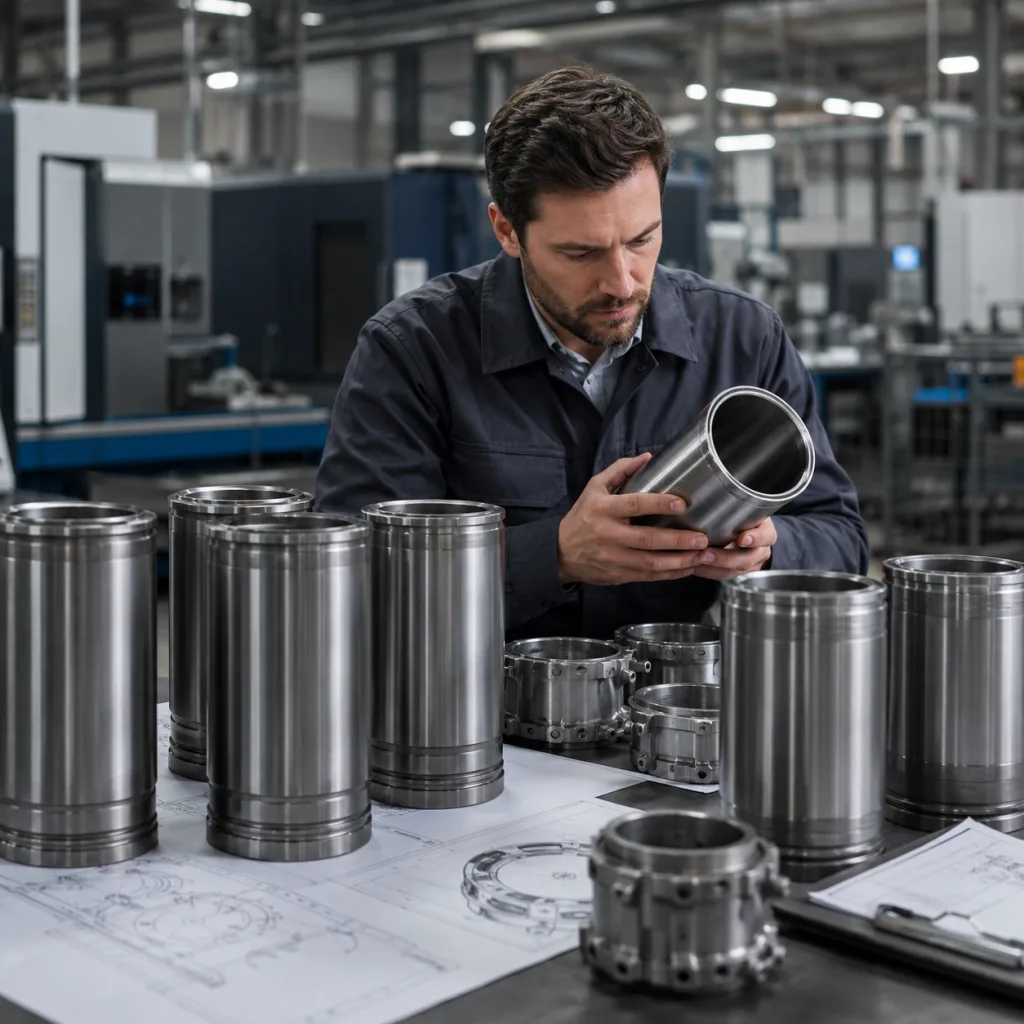
Buying cylinder liners for Vauxhall engine applications is rarely a “send model name, get price” exercise. The expensive mistakes are usually hidden in the details: a bore supplied semi-finished when the buyer expected ready-to-fit, a flange tolerance that changes protrusion, packaging that rusts during ocean freight, or a quotation that omits the inspection records needed for warranty review. Driventus Auto Parts manufactures engine and powertrain components in Taizhou, Zhejiang, and supplies aftermarket distributors, wholesalers, OEM/Tier-1 programmes, and multi-location repair chains in over 60 countries. For cylinder liner Vauxhall wholesale enquiries, the buying decision should be built around engine-family coverage, liner type, nominal bore, oversize range, material grade, tolerance class, batch traceability, MOQ, landed cost, and replenishment timing. This article gives import managers a practical way to define the part, spot failure risks, compare supplier offers, and prepare a quotation package. Driventus is an independent aftermarket manufacturer; brand names are referenced for fitment only.
Decision framework: define the liner before you ask for price
A useful RFQ starts with the engineered part, not the vehicle badge. Vauxhall applications can differ by model year, engine code, displacement, fuel type, emissions version, and local repair practice. Two liners that appear similar in a catalogue can differ enough to create machining, sealing, or installation problems.
The first decision is whether the buyer needs a finished, semi-finished, or rough sleeve. Finished liners need tighter agreement on bore geometry and surface finish. Semi-finished liners need a clear machining allowance. Rough sleeves require the buyer or downstream workshop to control more of the final geometry.
Before requesting a cylinder liner vauxhall wholesale quotation, procurement teams should define:
- Engine application and fuel type: petrol or diesel, with engine code where known
- Liner design: dry liner, wet liner, flanged liner, non-flanged liner, or semi-finished sleeve
- Nominal bore diameter and repair oversizes, commonly +0.25 mm, +0.50 mm, +0.75 mm, or +1.00 mm where applicable
- Finish state: fully honed ready-to-fit, semi-finished bore with 0.20–0.50 mm machining allowance, or rough sleeve
- Bore, outside diameter, total height, flange OD, flange thickness, and wall thickness in mm
- Critical tolerances for bore or OD, roundness, cylindricity, flange height, and seating faces
- Surface finish target for honed bore, such as Ra 0.30–0.60 µm when specified by drawing
- Packing quantity, inner protection, carton gross weight limit, and pallet configuration
- Annual forecast, first order quantity, safety stock, and replenishment frequency
- Destination market, including EU, UK, US, Canada, Australia, or Brazil
Model names and OE-style references are helpful, but they are not enough. If an internal reference uses a generic convention such as OE 06A… or OE 11251…, support it with drawings, samples, cross-references, or a measured sample report. Similar numbering formats may cover different engine families or unrelated parts.
Driventus can quote stocked aftermarket references and made-to-sample items. Buyers can review adjacent engine parts through our catalog and the engine component range at /products/engine-components.html. For non-standard liner geometry, custom manufacturing is available after drawing review and sample measurement.
Failure modes to prevent in Vauxhall liner production
Cylinder liners work in a harsh zone: high heat, abrasive ring contact, combustion pressure, coolant exposure on wet designs, and repeated thermal cycling. The sourcing question is not only “Can the factory make the part?” It is “Can the factory repeat the same bore, hardness, seating face, and surface condition batch after batch?”
Common failure modes include poor oil control from incorrect bore finish, compression loss from roundness variation, block-fit problems from OD drift, sealing issues from flange or groove errors, and corrosion caused by weak cleaning or packaging. Wet liners add another risk layer because coolant-side surfaces, O-ring grooves, and sealing diameters must be controlled as carefully as the working bore.
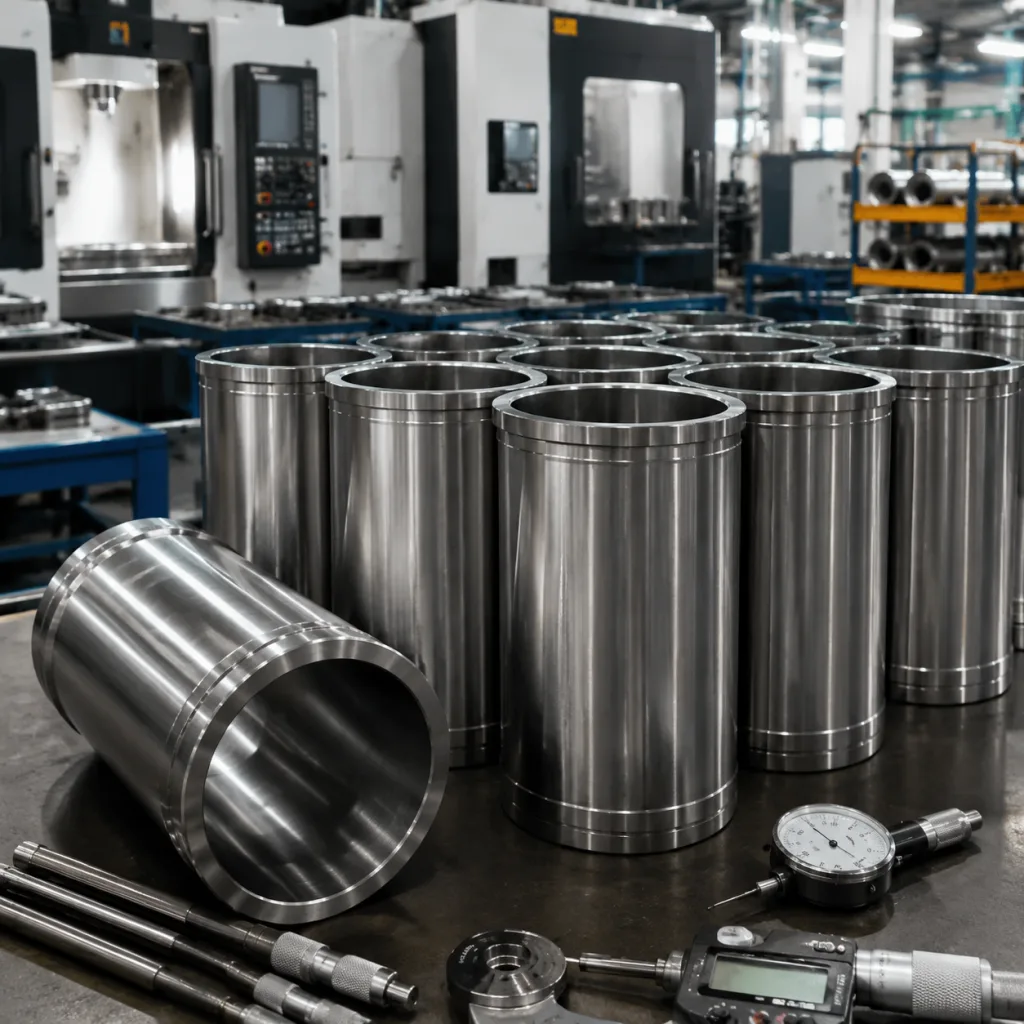
Driventus production control for engine components typically covers casting verification, material confirmation by melt batch, rough machining, finish turning, boring, honing, washing, rust prevention, inspection, and packing release. The route is adjusted by liner type and specification.
| Risk area | Why it matters to buyers | Typical control method | ||
|---|---|---|---|---|
| Material composition | Affects wear resistance, machinability, and heat behaviour | Spectrometer check by melt batch; chemistry compared with agreed grey/alloy cast iron range | ||
| Hardness variation | Influences ring and liner life | Brinell hardness sampling, commonly controlled around HB 190–240 unless otherwise specified | ||
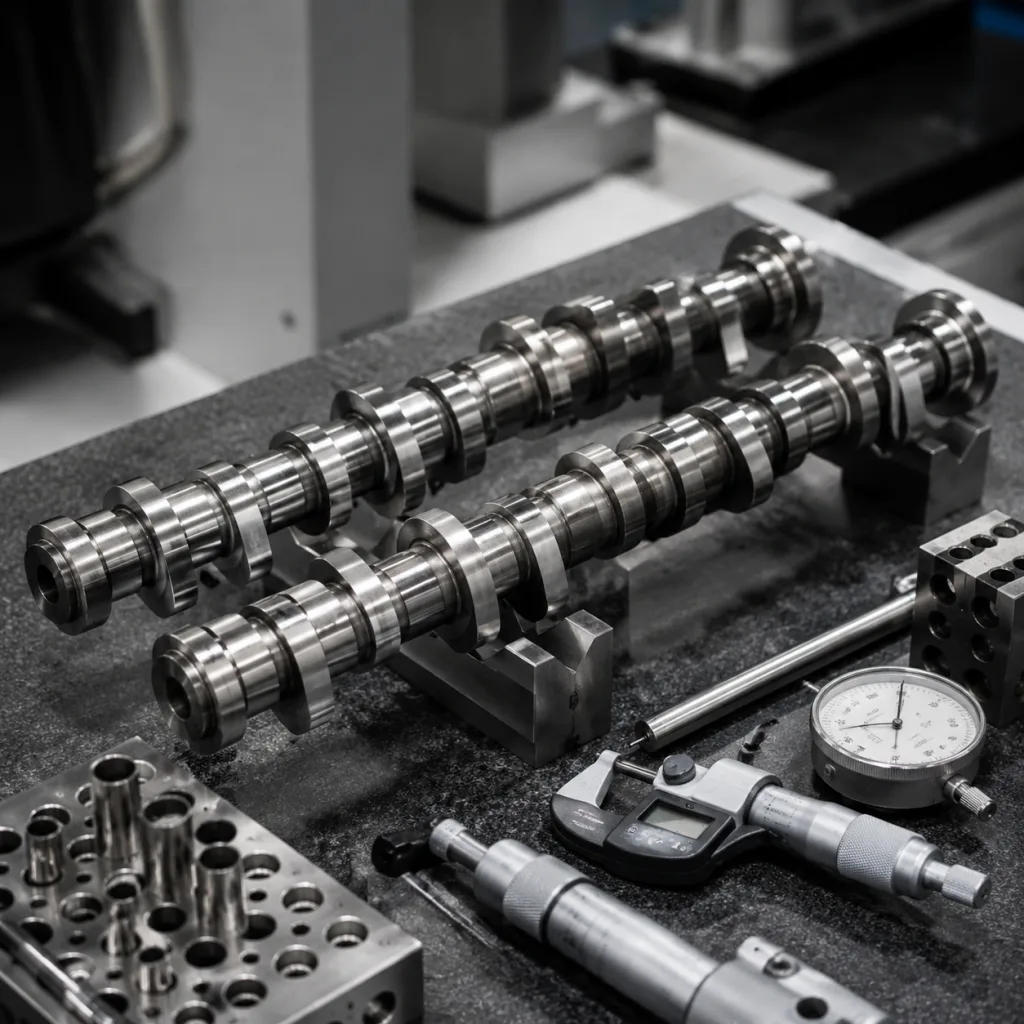
| Bore size and geometry | Drives compression stability and oil consumption | Bore gauge, air gauge, or CMM checks for diameter, roundness, and cylindricity | ||
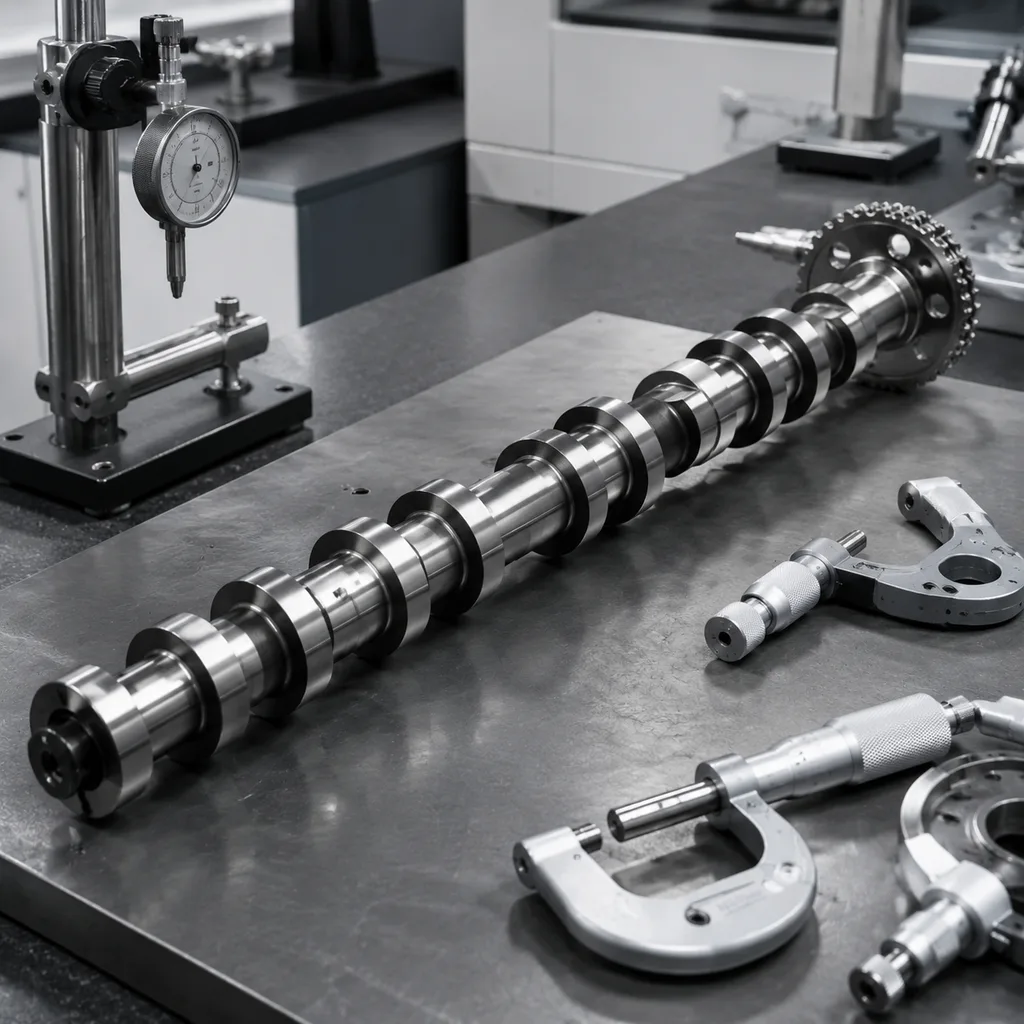
| OD and press-fit area | Affects block fitment and heat transfer | Micrometer and snap-gauge inspection against drawing tolerance | ||
| Flange height and seating face | Controls sealing and liner protrusion | Height gauge and surface plate inspection; flatness checked when specified | ||
| Honed surface finish | Supports ring bedding and oil retention | Roughness tester after honing; Ra/Rz values recorded when required | ||
| Cleanliness and rust prevention | Reduces returns after sea freight and warehouse storage | White-cloth cleanliness check, visual inspection, anti-rust oil, sealed bag, and pallet review |
| Item type | Typical MOQ basis | Sample lead time | Bulk lead time after approval | Price logic |
|---|---|---|---|---|
| Stocked common liner | 100–300 pcs or carton/pallet quantity | 7–14 days if available | 25–40 days | Best when mixed with regular engine-part replenishment |
| Current production item | 300–800 pcs per reference or machining batch | 15–25 days | 35–50 days | Lower unit cost when batch size covers setup and gauge time |
| Made-to-sample liner | 500–1,000 pcs or project review | 30–45 days | 45–70 days | Cost includes sample measurement, fixture review, trial machining, and inspection |
| Private-label packed item | MOQ plus packaging run, often 500–1,000 pcs | 20–35 days | 45–65 days | Carton artwork, labels, printing plate cost, and inner packing affect price |