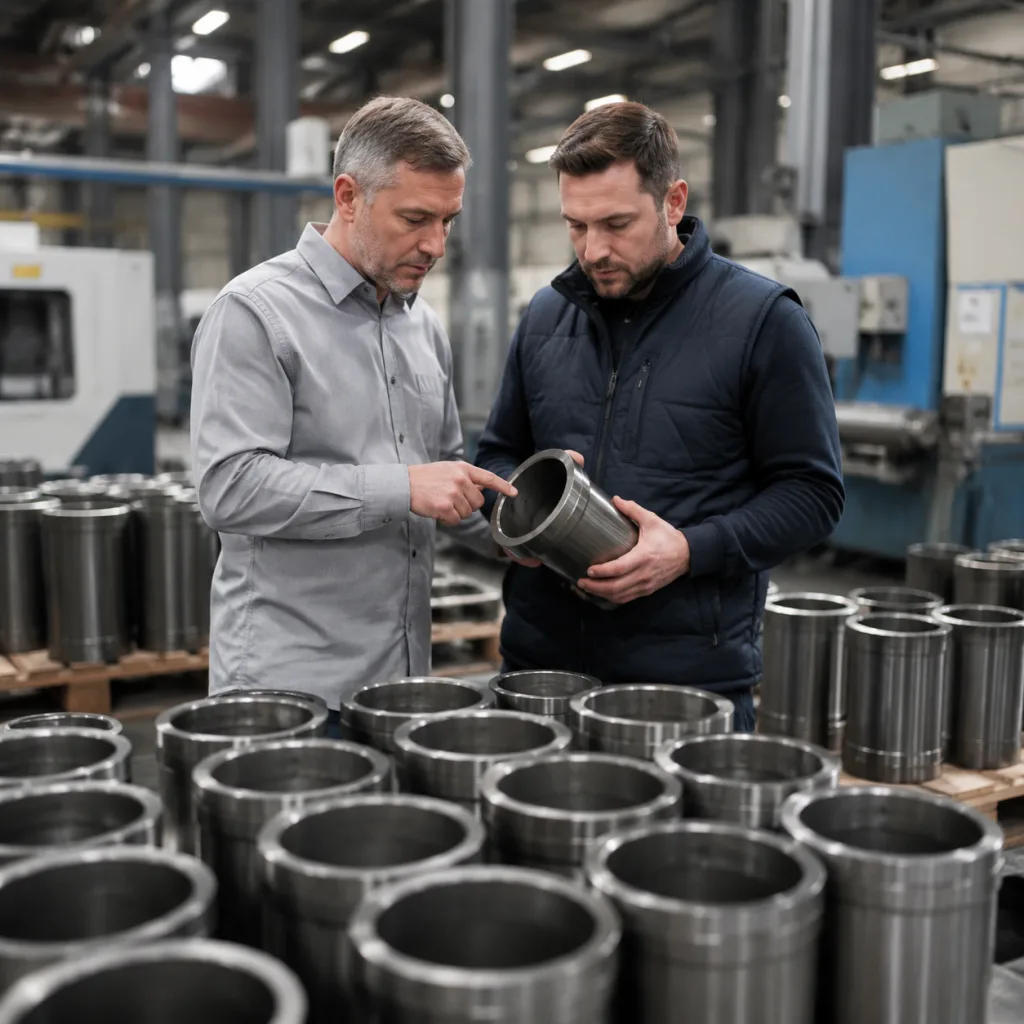
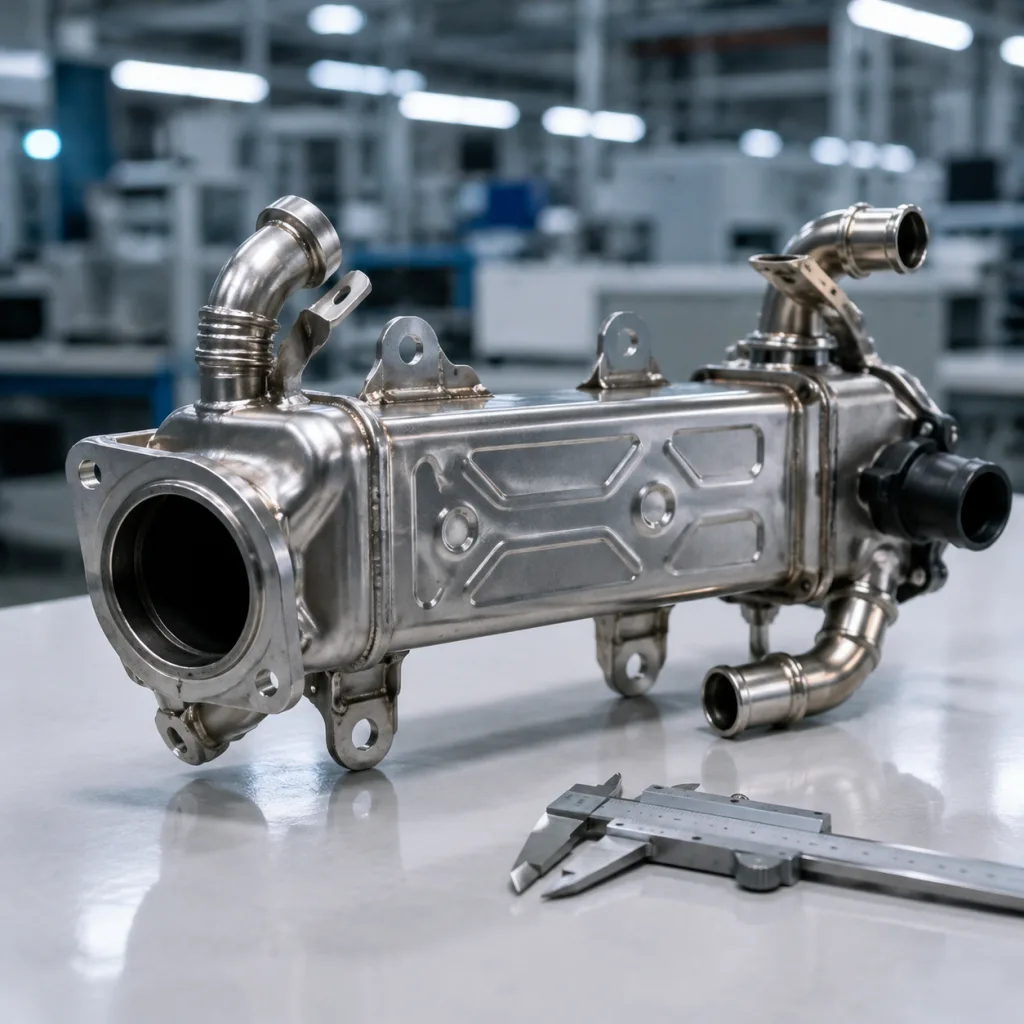
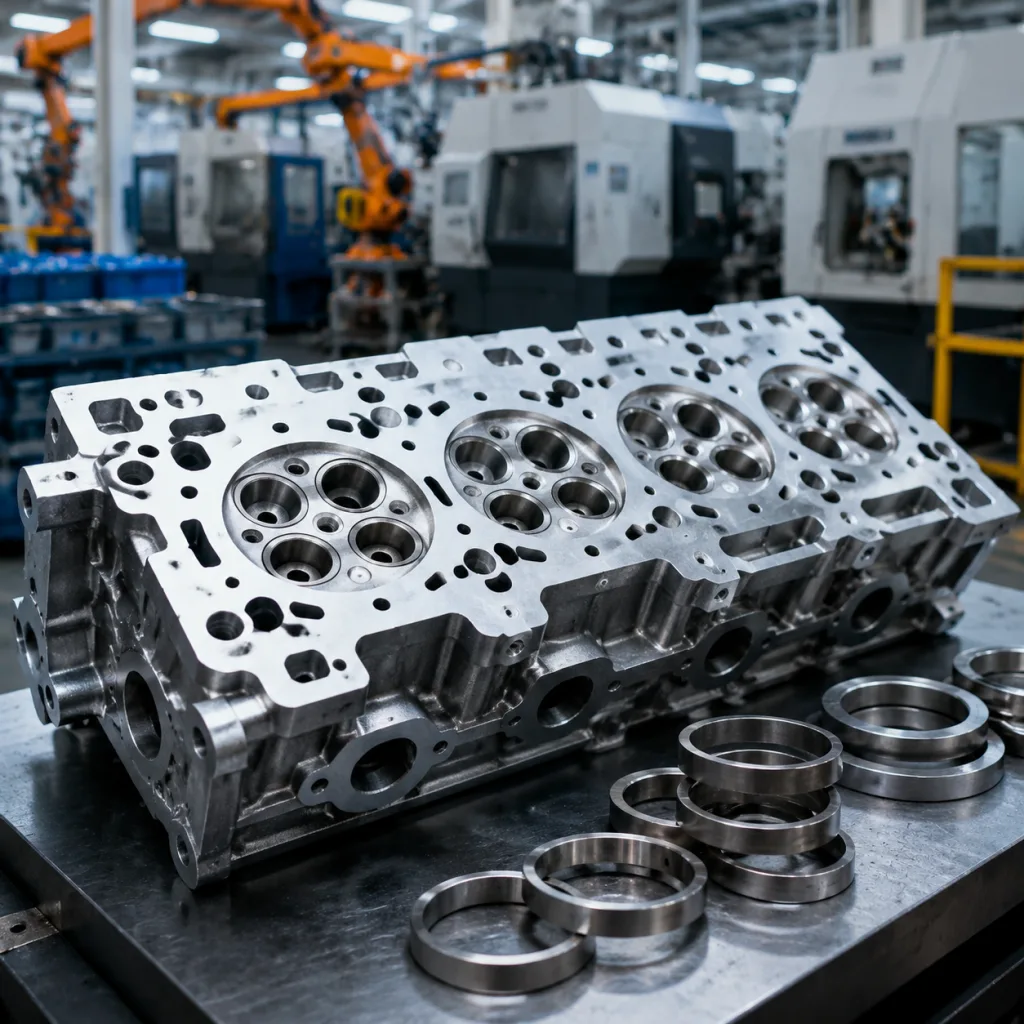
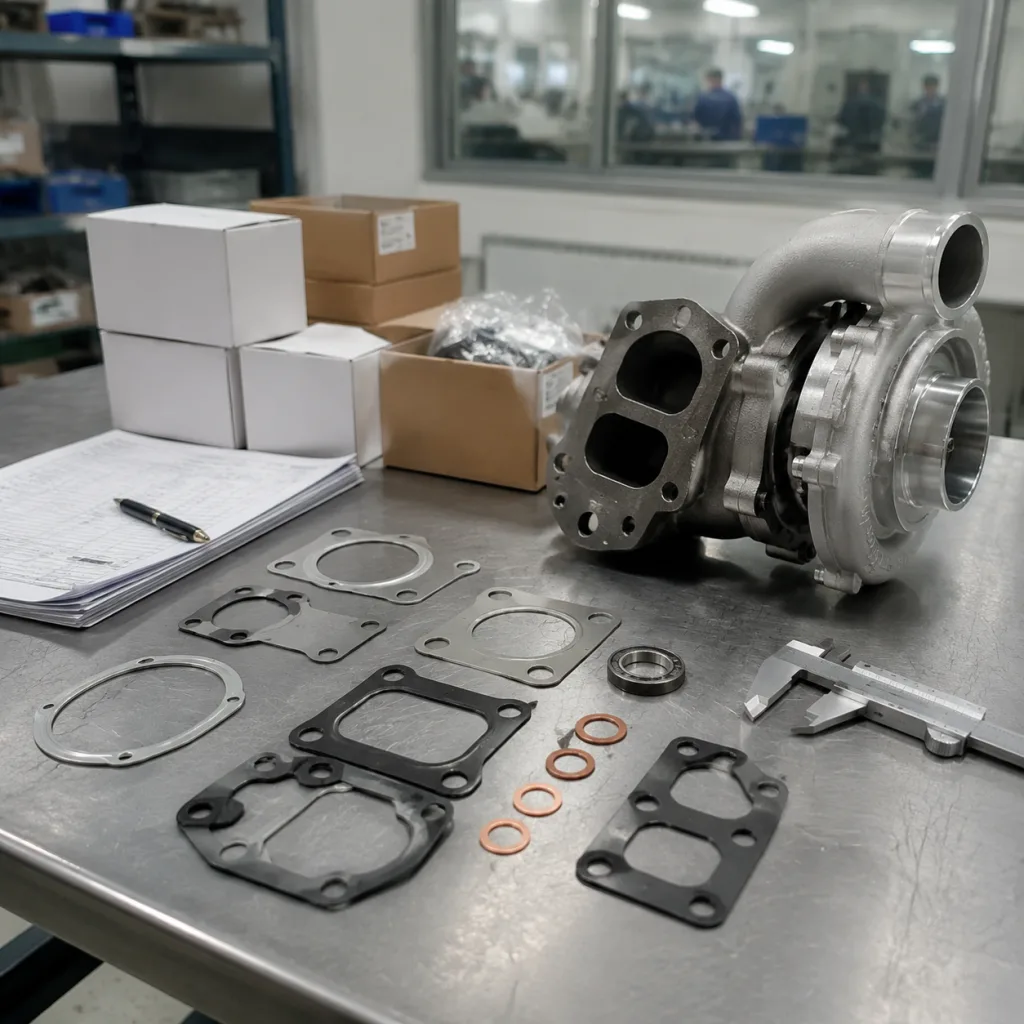
Procurement teams sourcing a cylinder liner Renault supplier need more than a catalogue match. The liner has to fit the block design, meet dimensional and metallurgical requirements, and arrive with consistent batch quality. For Renault applications, the buying decision usually depends on OE cross-reference accuracy, wall thickness, surface finish, interference fit, and the supplier’s control of machining, heat treatment, and inspection. Driventus is an independent aftermarket manufacturer; brand names are referenced for fitment only. We supply engine and powertrain components from Taizhou, Zhejiang, and export to more than 60 countries. Buyers usually want the same core answers: can the factory hold the required tolerance, can it support repeat orders, and can it document conformity to IATF 16949:2016 and ISO 9001:2015? This article outlines the sourcing points that matter before you place a trial order or qualify a new line.
What buyers should verify first
When evaluating a cylinder liner Renault supplier, start with fitment control rather than unit price. The liner must match the engine family, bore size, flange geometry, deck height, and the rebuild method used in your market. Ask for OE part-number cross-references where available, but validate them against the engine code and drawing revision rather than treating any cross-reference as final.
A practical sourcing checklist should include:
Engine code, displacement, and application range
Bore diameter, outer diameter, overall length, and flange diameter
Wall thickness at the critical section and minimum remaining strength
Interference fit target for the block and the required protrusion above deck
Material grade, casting route, and heat-treatment condition
Surface finish, hardness range, and roundness/straightness limits
Packaging method, rust prevention, and label format
Batch traceability, inspection method, and drawing revision control
For procurement teams, the first sample should be checked on a controlled master block or a verified fixture, not only by caliper comparison. For example, if the engine family requires a press-fit liner, confirm the block bore, liner OD, and the expected interference window before approval. As a buyer, you should also ask whether the supplier can sustain the same revision for at least one annual order cycle, because a catalog match without revision control creates repeat-fit risk. If the liner is for a repair chain or distributor program, confirm whether the factory can support repeat supply with the same tooling history, the same packaging spec, and the same inspection plan.
Typical technical specification points
Cylinder liners are not purchased on nominal size alone. Buyers should compare the full specification set and confirm it against the engine block design, the repair allowance, and the rebore strategy used by workshops.
Item
Typical buyer check
Material
Alloy cast iron or a related specification per application; request chemical range and casting method
Bore tolerance
Confirm against drawing and rebore strategy; common approval windows may be in the ±0.01 to ±0.03 mm range depending on fitment
Outer diameter
Controls press fit and block interference; request a measured target with min/max limits
Length
Must match deck height and protrusion target; verify overall length and flange thickness
Surface finish
Affects ring seating and oil control; ask for Ra value and honing direction if finished-bore supplied
Hardness
Check reported range and test method; request the actual hardness point and acceptance band
Ovality / taper
Important for rebuild consistency; define a maximum value on the inspection sheet
Packaging
Prevents damage, rust, and contamination; require oil paper, VCI, or sealed carton as appropriate
</tr></thead><tbody> </tbody></table>For a buyer, the most useful quote is one that lists target size, tolerance, test method, and inspection frequency in the same line item. If the liner is supplied as a semi-finished part, specify whether the workshop will finish-bore it or whether the factory must ship a ready-to-install bore. In practical terms, a rebuild program may require bore size within a few hundredths of a millimeter, wall thickness in the low-millimeter range, and roundness controlled tightly enough to avoid ring sealing issues after installation.
If your business serves the EU or UK market, ask for compliance support for REACH (EC) No 1907/2006 where material declarations are needed. For export programs, make sure the supplier can provide repeatable carton counts, master carton markings, and pallet dimensions so inbound receiving can book the shipment without relabeling or repacking.
Factory capability and audit points
A dependable cylinder liner Renault supplier should be able to show how the part is made, measured, and released. Driventus operates as a vertically integrated manufacturer, so buyers can assess machining, inspection, and packaging in one supply chain. For audit purposes, look for process control at casting, rough machining, finish turning, honing if applicable, final inspection, and corrosion protection.
Relevant documents and controls to request:
IATF 16949:2016 and ISO 9001:2015 certificates
Incoming material inspection records and melt/lot traceability
In-process dimension control plan with sampling frequency
Final inspection report for bore, OD, length, and flange dimensions
Hardness test records and the test method used
Traceability by lot or batch code on carton and part level
Nonconformance, containment, and corrective-action procedure
Gauge list with calibration dates and responsible owner
A factory audit should also confirm how the line is set up for first-article approval, what happens if a measurement drifts outside control limits, and how the supplier handles drawing changes. Ask for the actual control plan rather than a summary, and verify whether critical characteristics are checked at startup, during production, and at final release. If the supplier cannot explain inspection frequency, sample size, and escalation steps, the risk shifts to your receiving line. For higher-volume programs, it is also worth asking whether the plant uses SPC on key dimensions and whether it can share a capability summary for bore and OD over multiple lots.
Lead time, MOQ, and ordering strategy
For aftermarket distributors and wholesalers, lead time and MOQ often decide the sourcing route. A supplier with stable tooling and recurring volumes can usually support shorter replenishment cycles than a trading-only source. Ask for realistic production lead times, not only dispatch times, and separate standard manufacturing time from packing and export handling.
Practical ordering guidance:
Trial order: confirm fitment, packaging, and sales velocity; a small pilot lot often makes sense before committing to a larger run
Regular order: align MOQ with monthly demand and forecast error; for stocked items, MOQ may be tied to carton or pallet quantity rather than a single piece count
Seasonal order: reserve capacity before peak rebuild periods and confirm raw-material availability early
Long-term order: lock revision status, packaging spec, and target price review dates before the next replenishment cycle
When comparing quotes, separate part price from hidden costs such as labelling, palletisation, test reports, export documents, and any special packing requested by your warehouse. A useful quote should show the ex-works unit price, the MOQ, the production lead time, and the validity period side by side. If the supplier offers a lower unit price but requires a much larger MOQ, calculate landed inventory cost, not just purchase price; a small unit-price difference can disappear once carrying cost and obsolescence risk are included.
As a practical benchmark, trial orders are often the best place to validate a supplier’s real lead time because they reveal queue time, setup time, and document turnaround. If your programme needs private label or drawing changes, use custom manufacturing so the quote reflects tooling, validation, and revision control from the start.
Why direct factory supply matters
Buying direct from a manufacturer reduces ambiguity in spec ownership and corrective action. A direct source can confirm whether the liner is a standard catalog item or a custom build for a specific engine family. It also helps when you need engineering support for fitment questions, especially on older Renault applications where blocks may have been repaired before and the nominal dimensions can vary from one workshop to another.
Use our catalog to review broader engine component availability, including related parts for rebuild kits and supply consolidation. If you manage a wider engine program, our catalog can help you bundle adjacent parts under one vendor review.
For procurement, the benefit is not only pricing. It is also cleaner communication on dimensional revision, lot traceability, document packs, and replenishment planning. That reduces receiving disputes and lowers the chance of a part being rejected after shipping. Direct factory contact also makes it easier to resolve questions such as whether the liner is finished to size or intended for subsequent machining, whether a new drawing supersedes the old one, and whether the quoted price includes the inspection pack your quality team needs at receiving.
Frequently asked questions
Yes, where the application data is available we can work from OE cross-reference, engine code, and dimensional drawing. We do not claim vehicle manufacturer endorsement; brand names are referenced for fitment only.
We can support certificate copies, inspection reports, traceability details, and process documentation aligned with IATF 16949:2016 and ISO 9001:2015, subject to the program and part type. If needed, we can also align the document pack to your PPAP-style review or internal vendor approval flow.
Yes. Through [custom manufacturing](/oem-services.html), we can review tooling, packaging, and revision control for distributor or OEM programs before production release.
If you are qualifying a new cylinder liner Renault supplier, send the engine code, drawing, target annual volume, and any required tolerance or packaging notes. [Request a quote](/contact.html) and we will confirm fitment, lead time, MOQ, and document support.