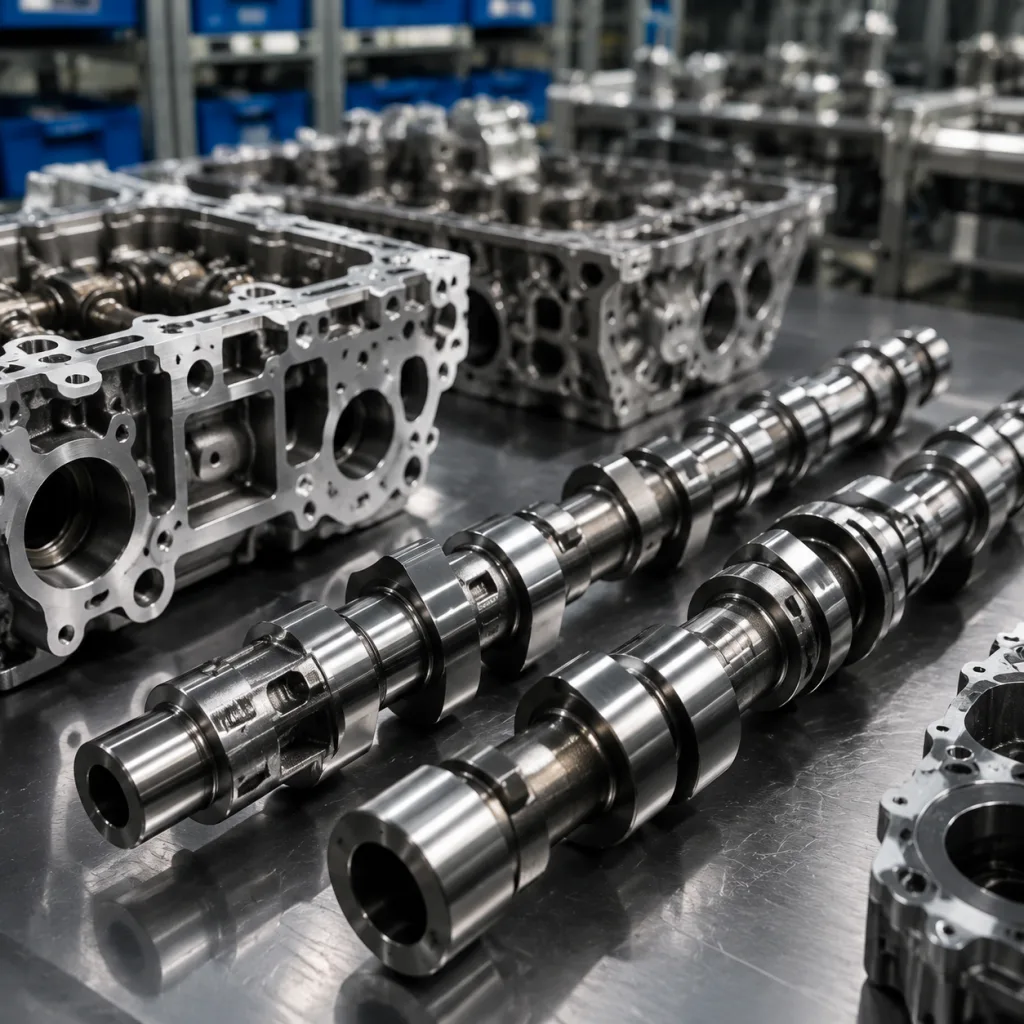
Cylinder Head Chevrolet Wholesale Sourcing Guide
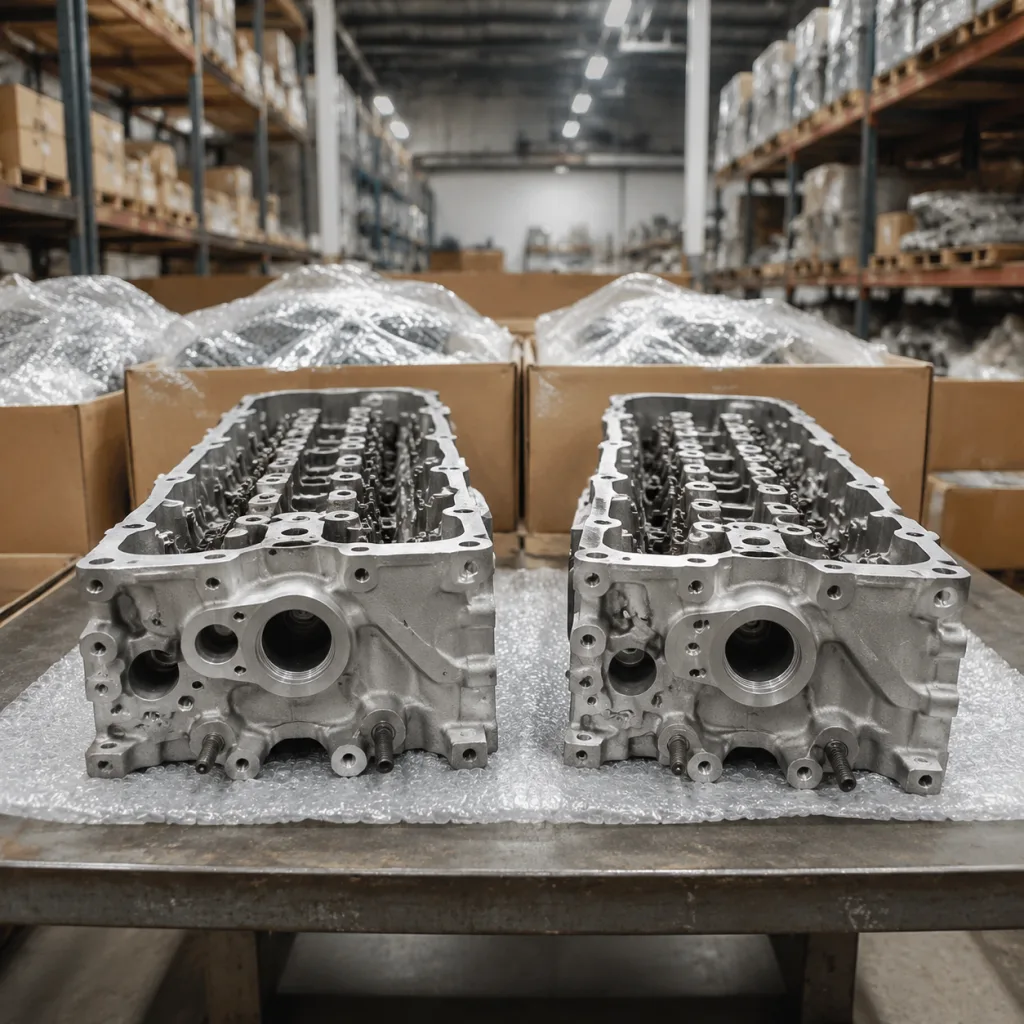
Cylinder head Chevrolet wholesale sourcing becomes risky when buyers treat the part as a casting match. The real variables are metallurgy, machining repeatability, pressure-test discipline, cross-reference control, and packaging strong enough for export freight. One inconsistent batch can create warranty exposure across several markets, especially when visually similar Chevrolet-fit heads are mixed in the same warehouse programme.
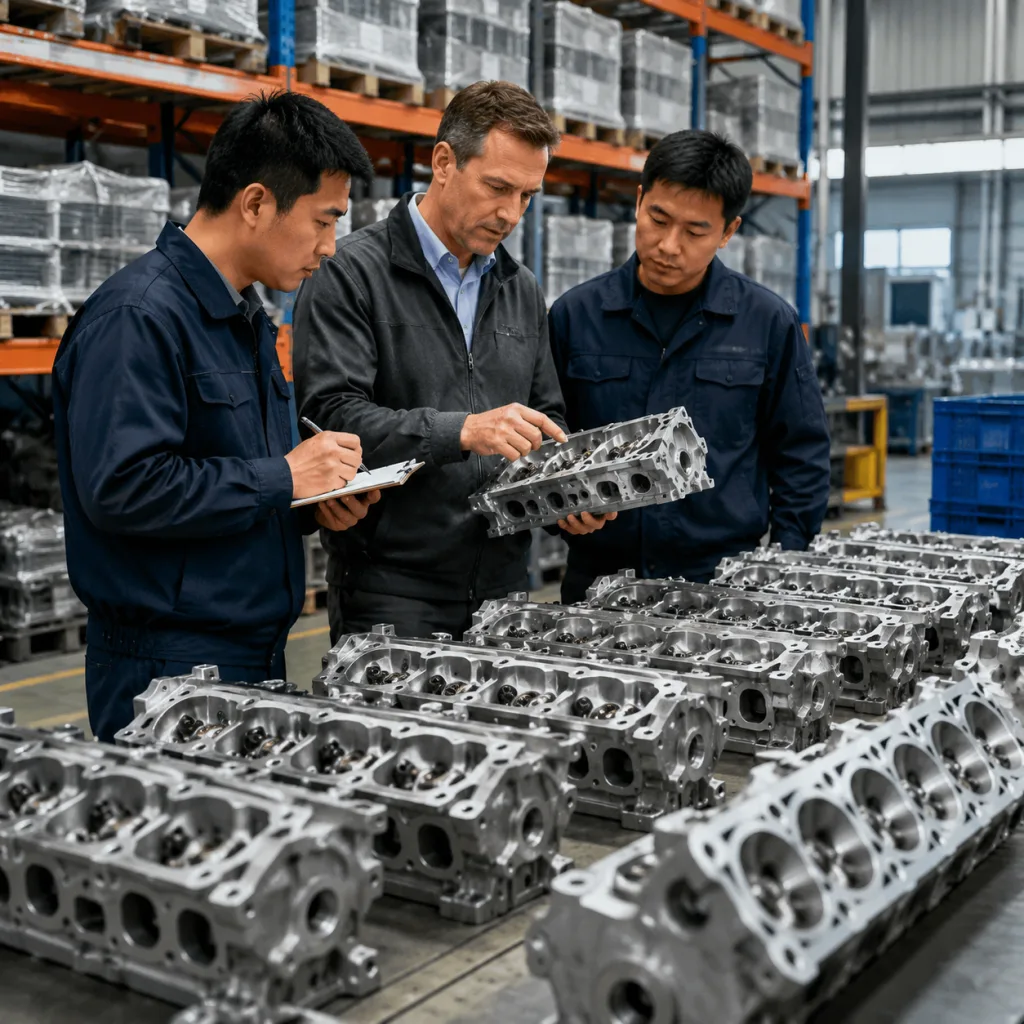
Driventus manufactures aluminium and cast-iron cylinder heads for independent aftermarket supply programmes from Taizhou, Zhejiang. Our export business covers more than 60 countries, with IATF 16949:2016 and ISO 9001:2015 process controls supporting wholesale orders, private label packaging, and drawings-based development where volume justifies tooling. Driventus is an independent aftermarket manufacturer; Chevrolet and other brand names are referenced for fitment identification only.
Start With the Buying Decision, Not the Casting Photo
A wholesale programme for Chevrolet-fit cylinder heads should start with the decision the buyer is really making: which applications are worth stocking, which specifications are fixed, and which risks are acceptable. Small-block V8, V6, diesel, and compact passenger-car platforms can vary by region, model year, emissions system, fuel system, and engine generation. The same model name may not mean the same cylinder head.
Before comparing prices, build an RFQ pack that removes guesswork:
- Engine family, displacement, fuel type, aspiration type, valve count, and model-year range
- Casting material: aluminium alloy grade target or grey cast iron grade target where drawing-controlled
- Supply form: bare casting, bare machined head, semi-assembled head, or fully assembled head
- Critical machining references: deck face, combustion chamber volume, valve-seat angle, guide bore, cam bore, gasket face, manifold face, and threaded-hole map
- Accessory scope: valves, springs, seals, retainers, camshafts, plugs, bolts, sensors, injector sleeves, or core plugs where applicable
- Packaging format: neutral carton, private label carton, foam-lined carton, wooden case, mixed-SKU pallet, or full-container pallet plan
- Forecast quantity, first-order MOQ, annual demand, release frequency, target landed-cost range, and destination port
MOQ should follow production reality, not a round number on a price sheet. For active Chevrolet-fit aftermarket SKUs, a practical starting point is often 20-50 pieces per SKU for neutral packing and 50-100 pieces per SKU for private label packing. Low-volume castings, special accessories, or new tooling will usually push the minimum higher.
Compare prices only after the bill of material is aligned. Separate the head unit price from valves, camshafts, plugs, private label carton cost, palletisation, and documentation fees. Otherwise, the cheapest offer may simply exclude the parts or controls needed for your channel.
Cylinder head Chevrolet wholesale projects also need application mapping before unit-price negotiation. A low price has limited value if part-number coverage is unclear, supersessions are unmanaged, or receiving staff cannot separate similar heads. Driventus can review buyer-supplied cross-reference files and support application grouping for SKUs listed in our catalog and related engine component ranges at /products/engine-components.html.
Where Cylinder Heads Fail: Specs That Catch Problems Early
Cylinder heads fail in service when small process gaps compound: a slightly rough deck, a porous coolant passage, a misaligned cam bore, a weak thread, trapped swarf, or a valve seat cut outside tolerance. Visual inspection helps, but it cannot prove sealing, flatness, alignment, or cleanliness inside oil and coolant galleries.
Use the specification as a failure-prevention tool:
| Risk point | Practical control target | Buyer verification method | |
|---|---|---|---|
| Deck surface flatness | Commonly 0.03-0.05 mm across the gasket face, or drawing requirement | CMM, surface plate, or precision straight-edge report | |
| Deck surface roughness | Typically Ra 1.6-3.2 μm for many MLS-gasket applications, subject to gasket supplier spec | Roughness tester record | |
| Pressure leak test | 100% test, commonly 0.4-0.6 MPa air-under-water or equivalent fixture method | Batch test log with operator, pressure, hold time, and lot number | |
| Valve-seat runout | Commonly ≤0.03-0.05 mm, depending on valve size and drawing | Dial indicator, vacuum test, or seat runout inspection | |
| Valve guide clearance | Controlled by valve stem size; typical intake/exhaust clearance ranges must be agreed by drawing | Pin gauge, bore gauge, or assembled-head inspection record | |
| Camshaft bore alignment | Within drawing tolerance across all journals | Line-bore gauge, mandrel check, or CMM record | |
| Threaded holes | Full thread depth, clean entry, no pull-out, no crossed threads | Go/no-go gauge and torque sampling | |
| Combustion chamber volume | Matched to application and compression target | Burette measurement or approved-sample comparison | |
| Surface cleanliness | No sand, swarf, oil sludge, loose plugs, or machining chips in coolant/oil galleries | Endoscope check, washing audit, and white-cloth wipe test |
| Order stage | Typical quantity logic | Practical timing logic | Procurement notes |
|---|---|---|---|
| Sample order | 1-5 pieces per SKU | 7-20 days for active SKUs; longer if casting is not in stock | Confirm fitment, machining, pressure-test result, and packaging concept |
| Pilot batch | 20-100 pieces per SKU | 25-45 days after sample approval for active tooling | Use fixed lot traceability and monitor installer feedback |
| Repeat order | 100+ pieces per SKU or mixed-SKU pallet programme | 30-60 days depending on casting, machining, and accessory availability | Align rolling forecast with casting and CNC capacity |
| Private label order | Commonly 50-100+ pieces per SKU | Add 7-15 days for artwork, label approval, and carton procurement | Confirm barcode, carton strength, pallet marks, and destination rules |
| New development | MOQ depends on tooling and expected annual volume | 60-120+ days for drawing review, tooling, samples, and validation | Freeze drawings, samples, and inspection criteria before price lock |