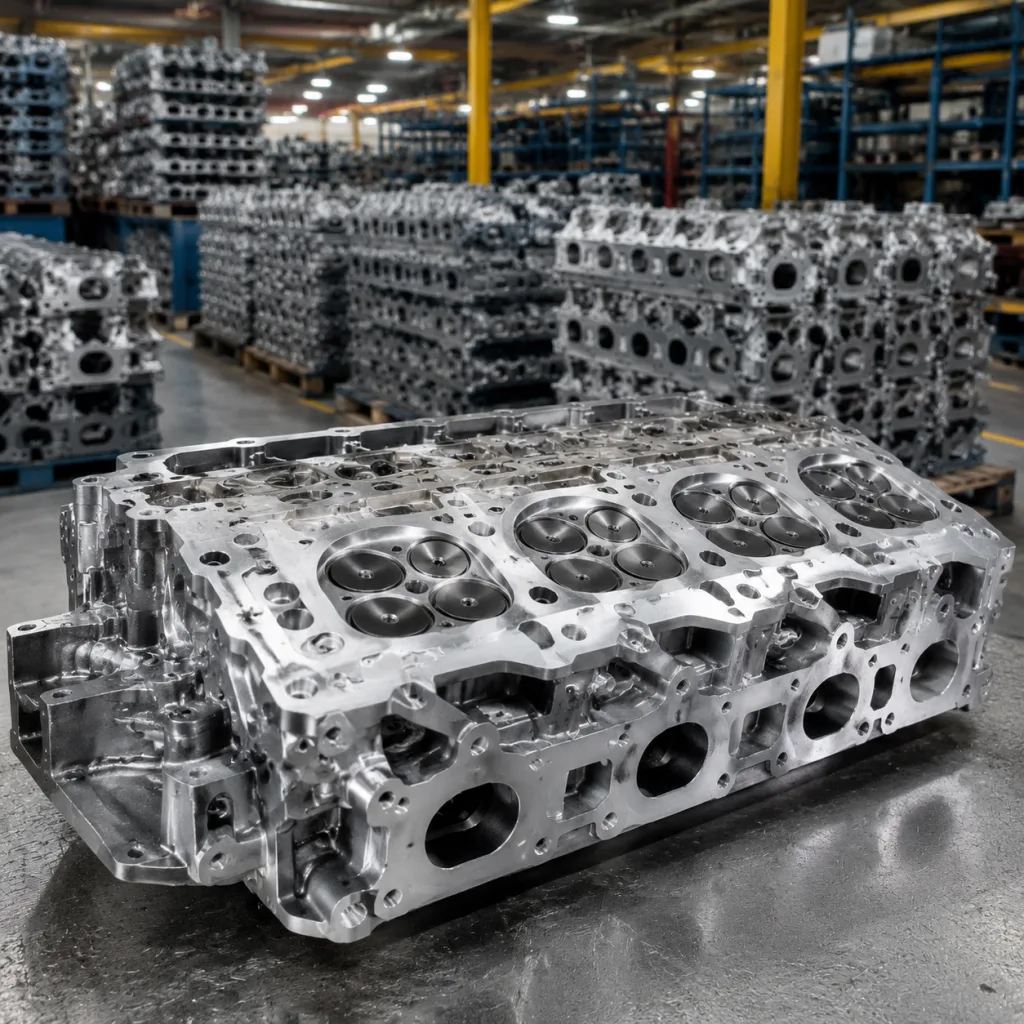
Cylinder head BMW wholesale sourcing takes more than matching a casting number. Buyers need dimensional control, alloy consistency, pressure testing, and a supplier that can hold repeatable lead times. For distributors, repair chains, and importers, the common failures are warped decks, seat recession, valve-guide wear, and weak OE cross-reference data. The real goal is a head that fits the engine family, supports rebuild targets, and clears incoming inspection without rework.
Driventus is an independent aftermarket manufacturer; brand names are referenced for fitment only. We manufacture in Taizhou, Zhejiang, and supply B2B customers in more than 60 countries under IATF 16949:2016 and ISO 9001:2015 controls. If you are sourcing by OE number or engine code, verify machining standard, supplied hardware, and test documentation before release.
How to avoid a bad buy
Cylinder heads fail wholesale programs in predictable ways. The part may look correct, but the casting can still miss coolant passages, sensor ports, injector pockets, or timing-cover interfaces.
Start with fitment control. Confirm engine code, valve count, cam layout, combustion chamber type, and emissions variant before price discussions. For BMW programs, also check whether the application is single-VANOS, double-VANOS, turbocharged, or direct-injection. Those details can change cam-cap style, injector machining, and ancillary fitment.
Minimum data to request from a supplier
OE cross-reference and engine family
Engine code, displacement, and model-year range
Casting material, alloy grade, and heat-treatment route
Valve seat insert material, guide material, and stem-clearance target
Deck flatness tolerance, surface finish, and port dimensions
Coolant-jacket layout, sensor ports, and timing-cover interfaces
Pressure-test, crack-test, and visual inspection records
Packaging standard for export and transit protection
If you sell across mixed fleets, ask for interchange notes by market and emission variant. That one request prevents the expensive mistake: a head that installs, but does not match the calibration or ancillary hardware.
Spec sheet that matters
Wholesale buying works best when the spec is written in measurable terms. Vague descriptions create disputes later, especially when a defect shows up after freight and handling.
Item
Typical control point
Buyer note
Deck flatness
≤0.05 mm across the sealing face unless drawing requires tighter
critical for head gasket sealing
Machined surface finish
Ra 1.6-3.2 μm depending on gasket type
confirm MLS versus composite gasket requirement
Pressure test
100% on production lot; hold 0.3-0.5 MPa for 3-5 minutes
confirms porosity and coolant passage integrity
Crack test
100% visual plus MPI or dye penetrant on high-risk castings
useful for repair and reman programs
Valve guide bore size
drawing-controlled with stem-to-guide clearance typically 0.02-0.05 mm
must match valve stem clearance target
Valve seat runout/concentricity
within drawing limit, often ≤0.03 mm
affects sealing and combustion stability
Chamber volume
typically controlled within ±1.0 cc where compression ratio is sensitive
important for performance and turbo applications
Guide protrusion and installed height
drawing-controlled
prevents spring-load variation
Packaging
export-ready with rust protection, edge guards, and foam separators
prevents flange and port damage in transit
</tr></thead><tbody> </tbody></table>Ask for documents aligned to IATF 16949:2016 and ISO 9001:2015. For European programs, REACH (EC) No 1907/2006 may also apply. Driventus can support part-level documentation with inspection records, photo evidence, and batch traceability on request.
Lead time versus MOQ
The best wholesale terms are not always the lowest unit price. They are the terms that keep stock moving without forcing excess inventory or emergency freight.
Procurement points to lock before PO issue
MOQ by engine family and finish level
Sample lead time versus bulk lead time
First article approval method and rework responsibility
Label format, carton count, and barcode requirement
Palletization for sea freight and mixed loads
Replacement policy for transit damage or machining nonconformance
Payment milestone, currency, and incoterms
A sample order usually costs more per unit because setup, inspection, and documentation are spread across fewer parts. Bulk pricing should improve at tiered volumes, so ask for a break at 50, 100, and 300 units or the supplier’s standard thresholds.
Planning logic buyers can use
Reserve lead time with forecast release instead of spot replenishment.
Treat packaging and claims handling as part of the landed cost.
Compare defect rate and rework cost, not just ex-factory price.
Use stocked programs for stable applications and longer lead times for new tooling or private-label packaging.
Indicative timing is application-dependent, but many programs compare a 7-15 day sample window with a 25-45 day bulk window for stocked items. A cheaper source that cannot repeat dimensions often becomes the most expensive option.
Validation before release
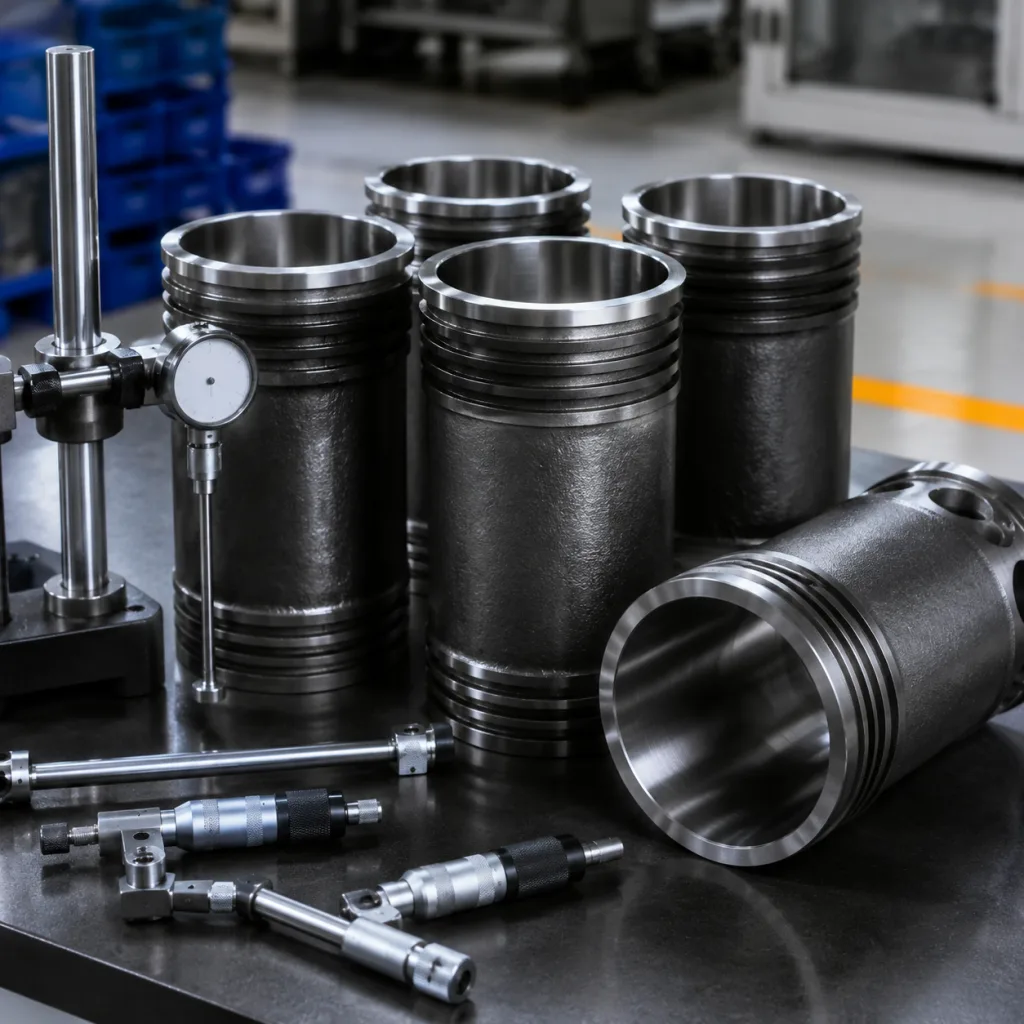
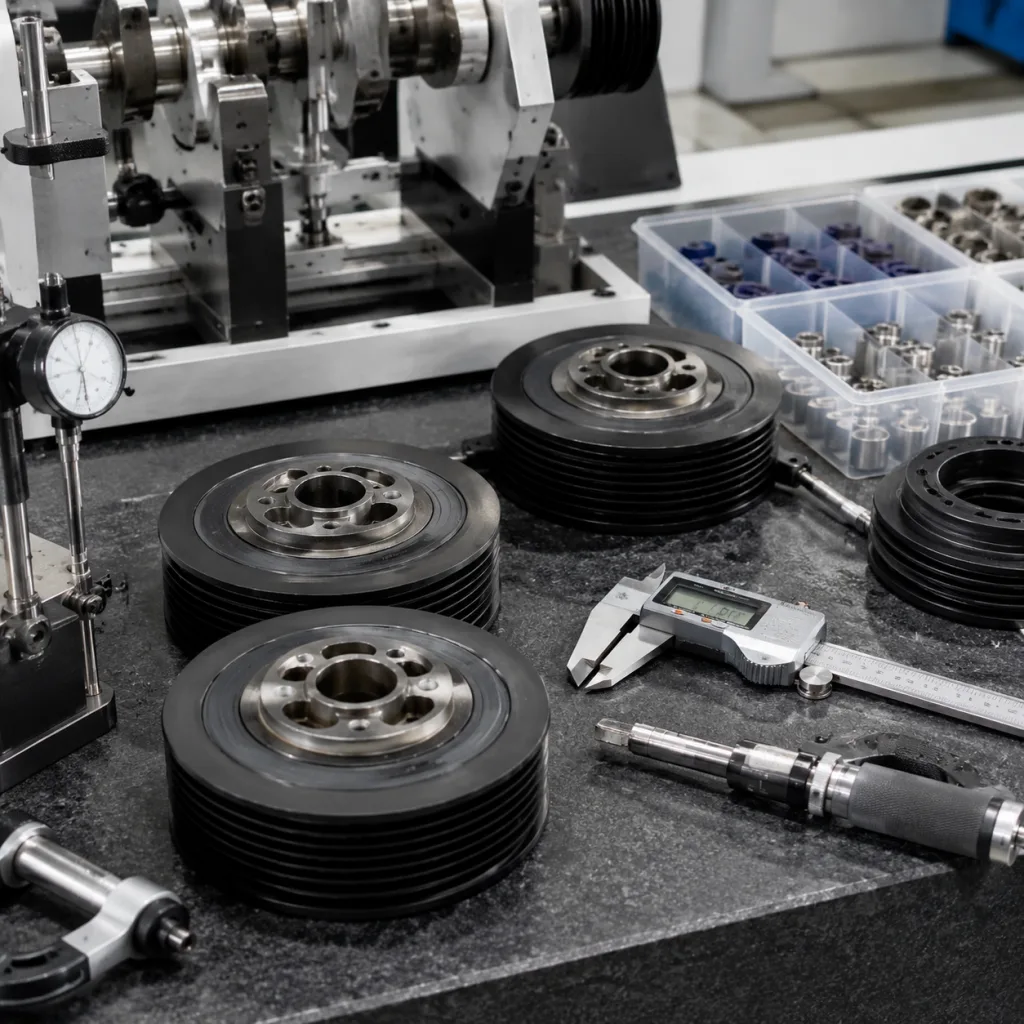
Do not put a cylinder head into a live sales program without a basic validation pass. The check should be quick, repeatable, and documented.
1. Confirm the OE reference or cross-reference against a physical sample, not paperwork alone. 2. Measure critical faces, bolt-hole pattern, and port geometry against the drawing or approved part. 3. Check combustion-chamber volume, valve-seat concentricity, and guide alignment. 4. Verify pressure-test results on coolant passages and check for seepage at plug bosses, injector areas, and jacket corners. 5. Inspect the machined surface finish before packaging. 6. Fit test with gasket, cam hardware, seals, and related brackets where applicable. 7. Record torque sequence, bolt length, and any interference with timing covers or sensors during the trial build.
For road-vehicle programs, some buyers also review SAE J2527 when coatings or surface treatments are involved. Emissions-sensitive applications should be checked at the vehicle level; do not assume compliance from the casting alone. Keep a signed sample-approval record, photos of the machined face, and a retained master sample for claims review.
Where Driventus fits
Driventus supplies engine and powertrain components from a vertically integrated manufacturing base in Taizhou, Zhejiang. That structure shortens handoffs between casting, machining, inspection, and packing, which matters when a sourcing program depends on repeatability.
We support three common buyer groups:
Aftermarket distributors and wholesalers needing reliable replenishment
OEM and Tier-1 suppliers needing controlled documentation and repeatability
Multi-location repair chains needing fitment consistency across branches
For BMW cylinder head wholesale programs, buyers usually want batch-level traceability, stable machining, and packaging that survives export without flange damage. We can align labeling, carton count, pallet configuration, and documentation to the buyer’s release process. If you are building a related engine program, our engine components overview can help you align heads, gaskets, water pumps, and turbochargers by family.
A useful RFQ gives the supplier enough detail to price the job correctly the first time. Vehicle model alone is not enough.
Include:
Application, engine family, and model-year range
OE cross-reference, if known
Required certification, test records, or sample-retention rules
Forecast quantity, first order quantity, and target reorder cadence
Delivery port, incoterms, and preferred transit mode
Required labelling, private-brand packing, and carton drop-test expectations
Target price band, if your team has one, so the supplier can quote the right build level
How pricing is usually judged
Better documentation, tighter tolerances, and custom packaging increase cost.
Higher volume, stable forecasts, and standard cartons reduce cost.
Low-defect programs should optimize landed cost, not headline unit price.
Freight, claims allowance, and inspection time belong in the comparison.
Driventus is an independent aftermarket manufacturer; brand names are referenced for fitment only. If you need a commercial review, start with request a quote and we will confirm feasibility, production timing, and documentation scope.
Frequently asked questions
Yes. We can work from OE references, engine codes, or approved samples. Final fitment is confirmed by physical and dimensional checks, not by the number alone.
We operate under IATF 16949:2016 and ISO 9001:2015. For specific programs, we can provide test, traceability, and inspection documents tied to the order, including batch identifiers and sample records when required.
Yes. Custom manufacturing and private-label packing are available for wholesale programs, subject to volume, technical review, and confirmation of artwork, carton specs, and label format.
If you are building a sourcing program for BMW cylinder heads, send your OE reference, volume target, market requirements, and desired tolerance or test scope. We will review fitment and supply options at /contact.html.