By Vincent Xi, Editorial Author
Cummins Diesel Engine Parts Sourcing Guide
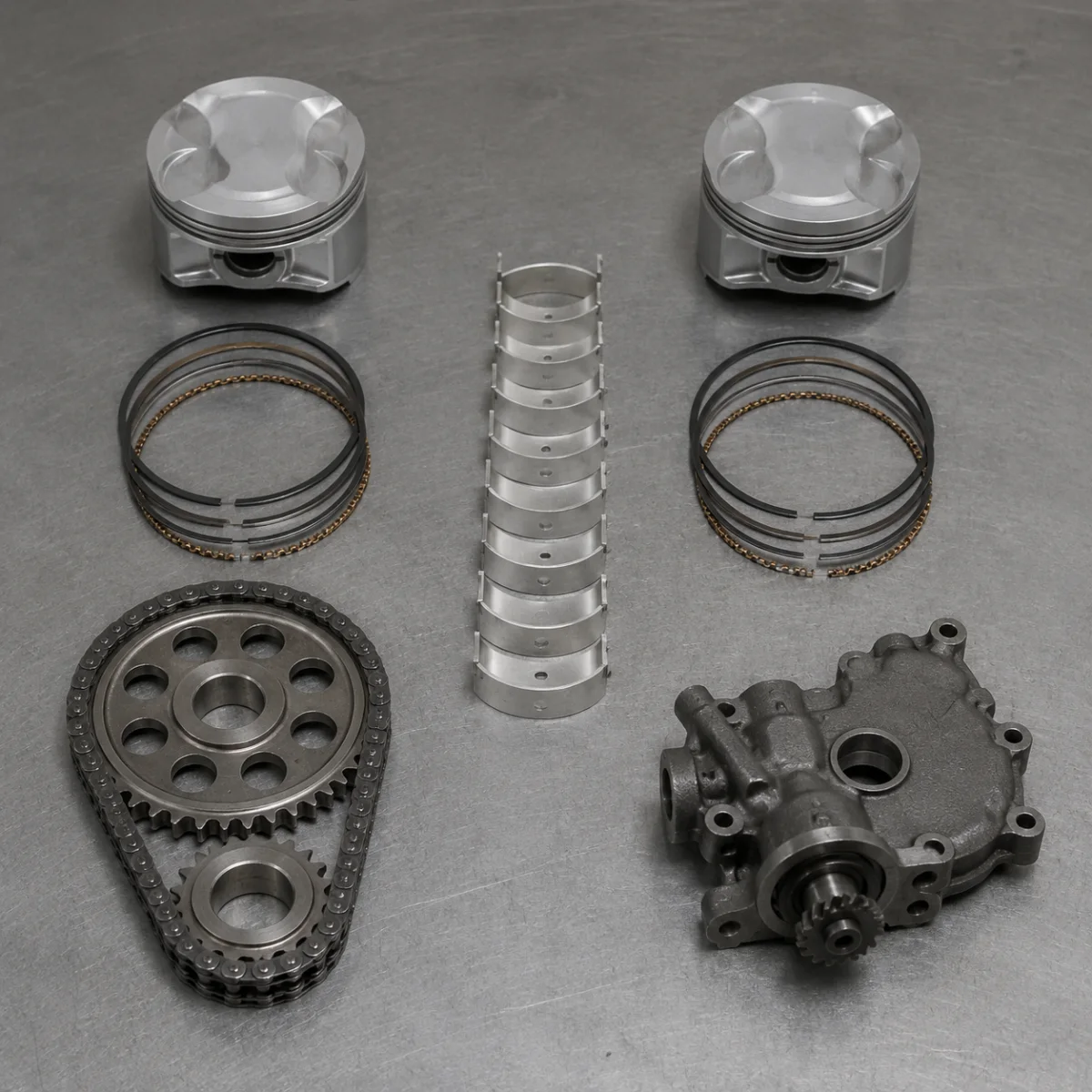
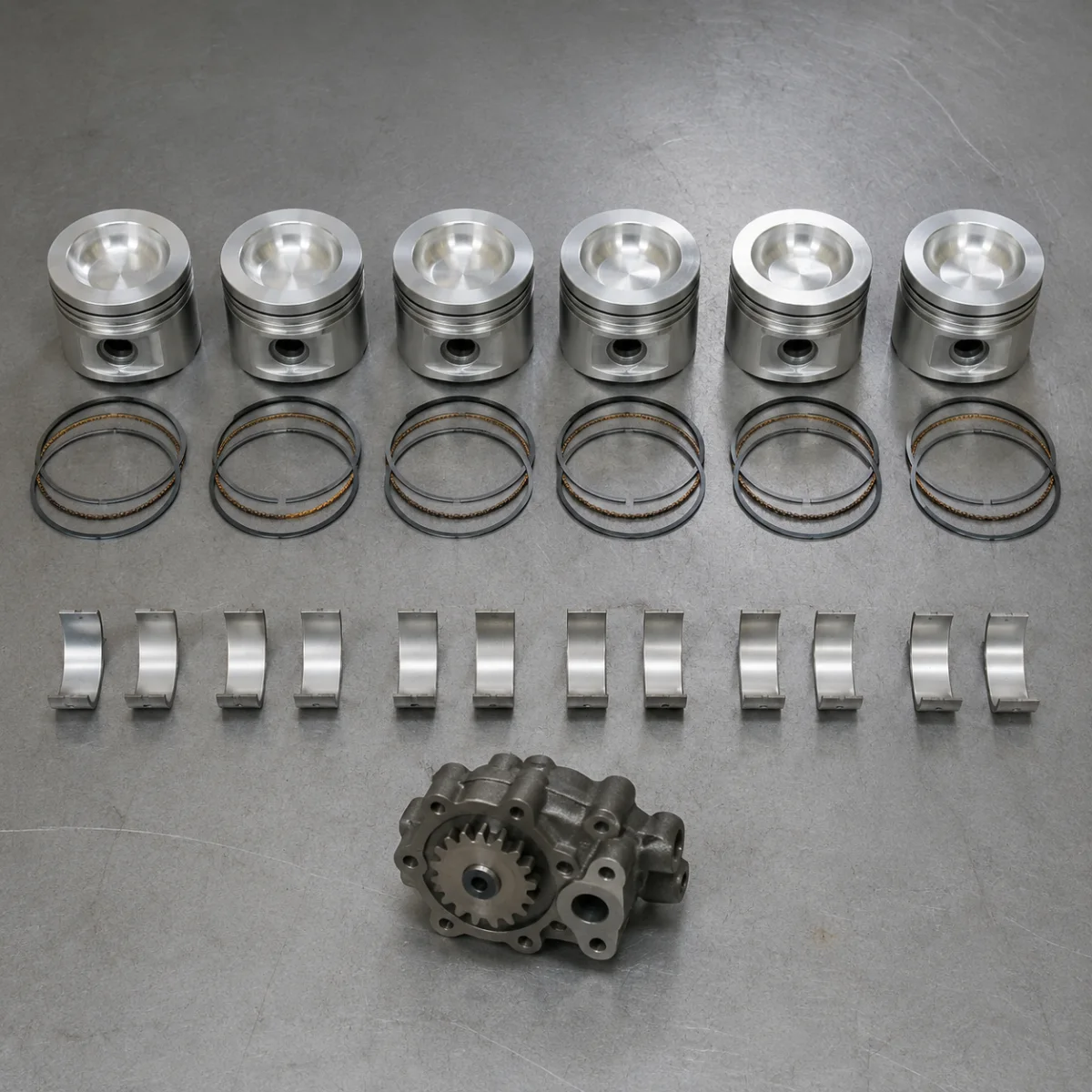
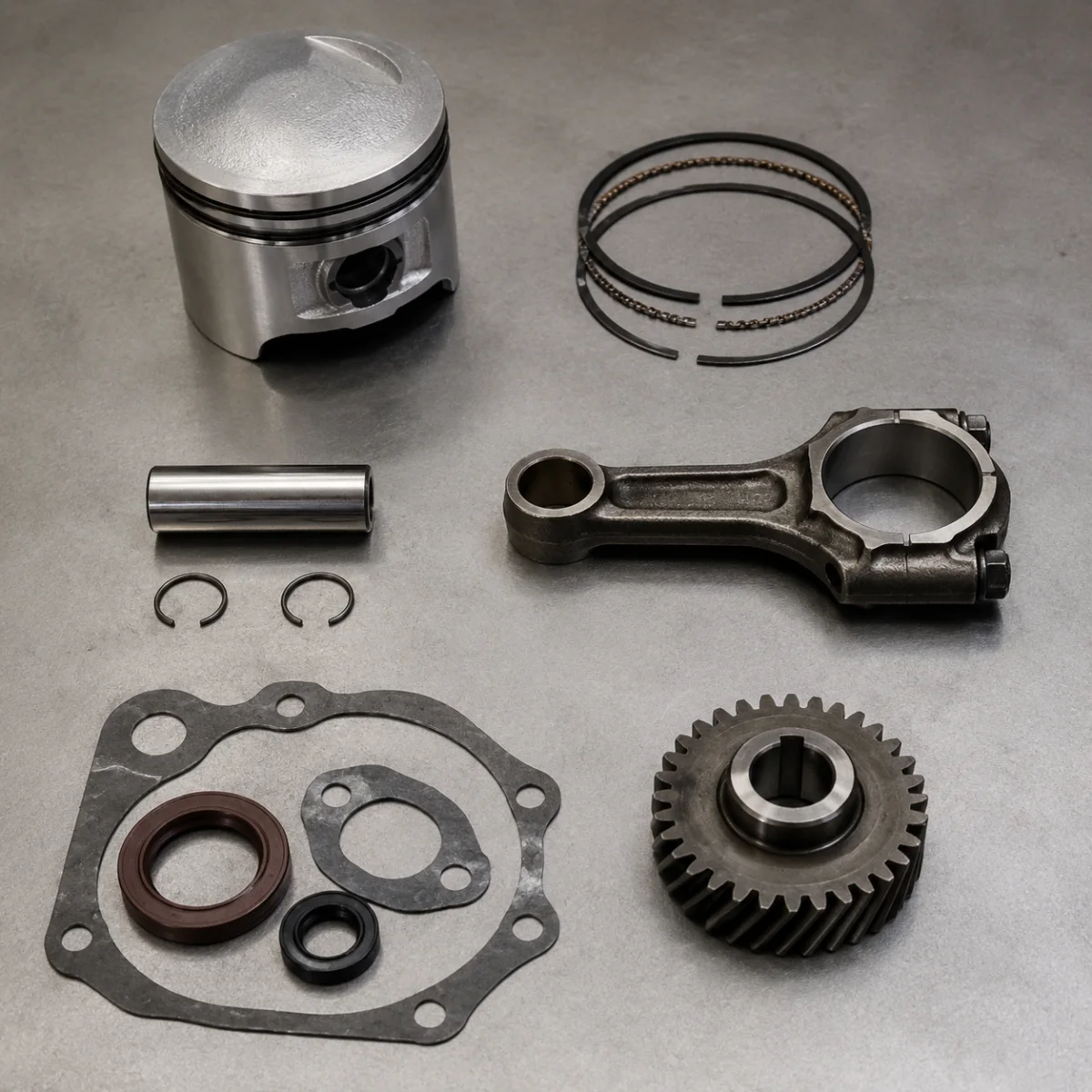
Sourcing cummins diesel engine parts starts with evidence control. A familiar reference number can help open the search, but it does not prove fitment, material, inspection status or supply-route legitimacy. Distributors, wholesalers and import teams need a buying process that separates engine identity, physical specification, supplier claim wording and shipment documentation before a purchase order is released. This guide focuses on engine components used around Cummins applications, including internal parts, fuel-system-related parts, overhaul items and supporting service components. Cummins names and OE references should be used only as fitment and interchange references unless current authorisation evidence says otherwise. The goal is to turn each requested item into a controlled RFQ with fitment inputs, sample evidence, inspection records and quotation terms that can be compared across suppliers.
Start With Engine Identity, Not the Catalogue Name
A Cummins-reference enquiry should begin with the exact engine identity. A request for a piston, liner, bearing, gasket set, injector-related item or oil-system component is too broad if it is not tied to the engine build, service configuration, fuel system and application.
Ask the customer, workshop or application team for the engine serial number, dataplate information, equipment model, duty profile, old sample photos and any superseded references. Cummins states that parts information can be looked up by Engine Serial Number, ATSN, GSN, part number or description on its parts platform. That source is useful because broad engine-family wording may hide component changes that matter at installation.
For procurement control, keep three records separate: the reference used to identify the part, the physical specification the supplier is quoting against, and the commercial claim the seller is allowed to make. That structure reduces the risk of approving an item because the reference number looks right while the actual evidence is thin.
For Driventus enquiries, buyers can begin from engine components or our catalog, then attach the reference data needed for technical screening. Where a non-genuine replacement is being considered, the supplier should avoid implying it is a Genuine Cummins Part unless current authorisation evidence from the brand owner is provided.
Build the RFQ Around Assumptions the Supplier Must Confirm
A strong RFQ makes uncertainty visible. The buyer does not need to send every engineering file in the first message, but the enquiry should give enough structure to prevent wrong-material, wrong-interface or incomplete-kit offers.
| RFQ input | What the buyer should provide | What the supplier should return | ||
|---|---|---|---|---|
| Fitment basis | Engine serial number, application, reference part number and old sample photos | Written interchange statement and exclusions | ||
| Drawing control | Critical dimensions, surface finish areas and datum points where available | Marked drawing or inspection plan tied to the quoted item | ||
| Material | Required alloy, coating, heat treatment or elastomer family where known | Material certificate or supplier specification sheet | ||
| Process evidence | Machining, cleaning, calibration or assembly steps relevant to the part | Process flow, control plan or inspection summary | ||
| Sample approval | Packaging condition and test expectations | Pre-shipment photos, dimensional report and sample lead-time scope | ||
| Commercial scope | Packing, labelling, incoterm and warranty terms to be quoted | Quotation with part-number assumptions and validity clearly stated |
| Data point | Value | Scope | As of | Evidence |
|---|---|---|---|---|
| cummins-engineering-experience | 100 years | Cummins statement about Genuine Cummins Parts being backed by more than 100 years of engineering experience | Retrieved 2026-07-16 from source with no visible publication date | Used to attribute Cummins' own claim about its Genuine Cummins Parts; not applied to Driventus or other suppliers. Source |
| cummins-remanufacturable-share | 85 percent | Cummins statement that up to 85 percent of an engine can be remanufactured in the context of Cummins ReCon engines and parts | Retrieved 2026-07-16 from source with no visible publication date | Used to explain Cummins' remanufacturing context and why buyers must distinguish genuine, remanufactured and replacement claims. Source |
| micron-mm-conversion | 0.001 mm | Goldfarb diesel-tolerance article definition that one micron equals 0.001 mm | Retrieved 2026-07-16 from source with no visible publication date | Used to explain unit conversion risk when reviewing diesel engine component drawings and inspection reports. Source |
| it7-reference-diameter-example | 40 mm | Goldfarb article citing an IT7 example for a 40 mm part with a total tolerance width of 25 micrometres | Retrieved 2026-07-16 from source with no visible publication date | Used only as part of a sourced precision-manufacturing example, not as a Cummins specification. Source |
| it7-tolerance-width-example | 25 micrometres | Goldfarb article citing an IT7 example for a 40 mm part with a total tolerance width of 25 micrometres | Retrieved 2026-07-16 from source with no visible publication date | Used as a sourced precision-manufacturing example, explicitly not as a universal Cummins specification. Source |
Methodology
Publicly retrieved source excerpts were screened for claims directly relevant to Cummins diesel engine parts sourcing, fitment control, dimensional review, material evidence, quotation control and validation records. Numeric points were selected only where the number, unit and scope were visible in the source excerpt. Cummins statements were treated as Cummins-specific claims, not as evidence for Driventus or independent suppliers. The ASTM-related document was used only for contextual discussion because the excerpt states it is not an ASTM standard.
Limitations and what to verify
- The evidence excerpts do not provide Cummins engineering drawings, current authorised distributor status, or part-level dimensions for specific engine families. Buyers still need to verify fitment by engine serial number, drawing revision, samples and current customer requirements before ordering.
- The tolerance examples are general diesel-engine or standards-context examples, not approved specifications for a named Cummins part. Buyers must verify actual tolerances, materials, coatings, heat treatment and inspection methods against the controlled drawing or approved sample.
- The sources do not verify Driventus certifications, inventory capacity, export markets, defect rates or lead times. Buyers should confirm quotation scope, quality documents, shipment terms and change-control commitments directly for each RFQ.
Sources used
- Genuine Cummins Parts — cummins.com. Supported Cummins-specific statements about parts lookup, Genuine Cummins Parts claims and Cummins ReCon remanufacturing context.
- Diesel Engine Tolerances: Why Micro-Level Precision ... — goldfarbinc.com. Supported tolerance terminology, the micron-to-millimetre conversion and the cited IT7 tolerance-width example.
- Evaluation of Diesel Engine Oils in the Cummins M11 ... — astmtmc.org. Used cautiously for context on engine oil test outcomes mentioned in the excerpt, while noting that the document excerpt says it is not an ASTM standard.
Frequently asked questions
A part number can start the enquiry, but buyers should also provide engine serial number, application details, photos and any available drawing or sample. Brand names and OE references are used for fitment identification only and do not imply Cummins approval or endorsement.
Request a dimensional report, drawing revision, material evidence, process notes and batch traceability. For calibrated or assembled parts, ask for calibration or functional evidence as well. The required document depth should match the component's fitment and failure risk.
Compare them by supply route, evidence and warranty scope. Cummins' claims about Genuine Cummins Parts and ReCon products apply to Cummins channels in the cited source, not automatically to independent replacements. An aftermarket quote should stand on its own drawings, inspections and sample approval.
Custom manufacturing is appropriate when the buyer controls the specification or has an approved sample and a clear validation path. It is not a substitute for unknown OE data. Buyers should verify material, dimensions, heat treatment, surface finish and fitment before production release.
The quotation should state the reference numbers used for identification, supply route, included components, excluded accessories, packing method, label rules, inspection documents, sample status and change-control commitments. Any brand reference should be limited to fitment identification unless current authorisation evidence is supplied.
The biggest risk is approving a part because the reference number looks familiar while the physical specification, supply route or evidence package remains unclear. Buyers should verify engine identity, component specification, supplier claim wording and inspection records before purchase order release.
For controlled sourcing of Cummins-reference engine components, share the part numbers, engine data, drawings or samples already available. Driventus can review the RFQ scope and next verification steps through request a quote.
Request a Quote