A crankshaft pulley for Vauxhall applications is a sourcing item where dimensional control, rubber damping consistency and traceability matter more than catalogue claims. Buyers need stable supply, clear cross-reference handling, and evidence that the part can survive belt load, torsional vibration and thermal ageing across multiple engine families. Driventus manufactures crankshaft pulleys and other engine components in Taizhou, Zhejiang for aftermarket distributors, repair-chain programmes and Tier-1 supply channels. This article explains how procurement teams can assess a crankshaft pulley Vauxhall OEM supplier, including audits, minimum order quantities, validation records, labelling, export packaging and documentation. Driventus is an independent aftermarket manufacturer; brand names are referenced for fitment only. We do not claim approval or endorsement by any vehicle manufacturer. Where OE references are used, they should be treated as fitment cross-references such as OE 06A… format data supplied by the buyer or verified catalogue source.
What procurement teams should verify before nomination
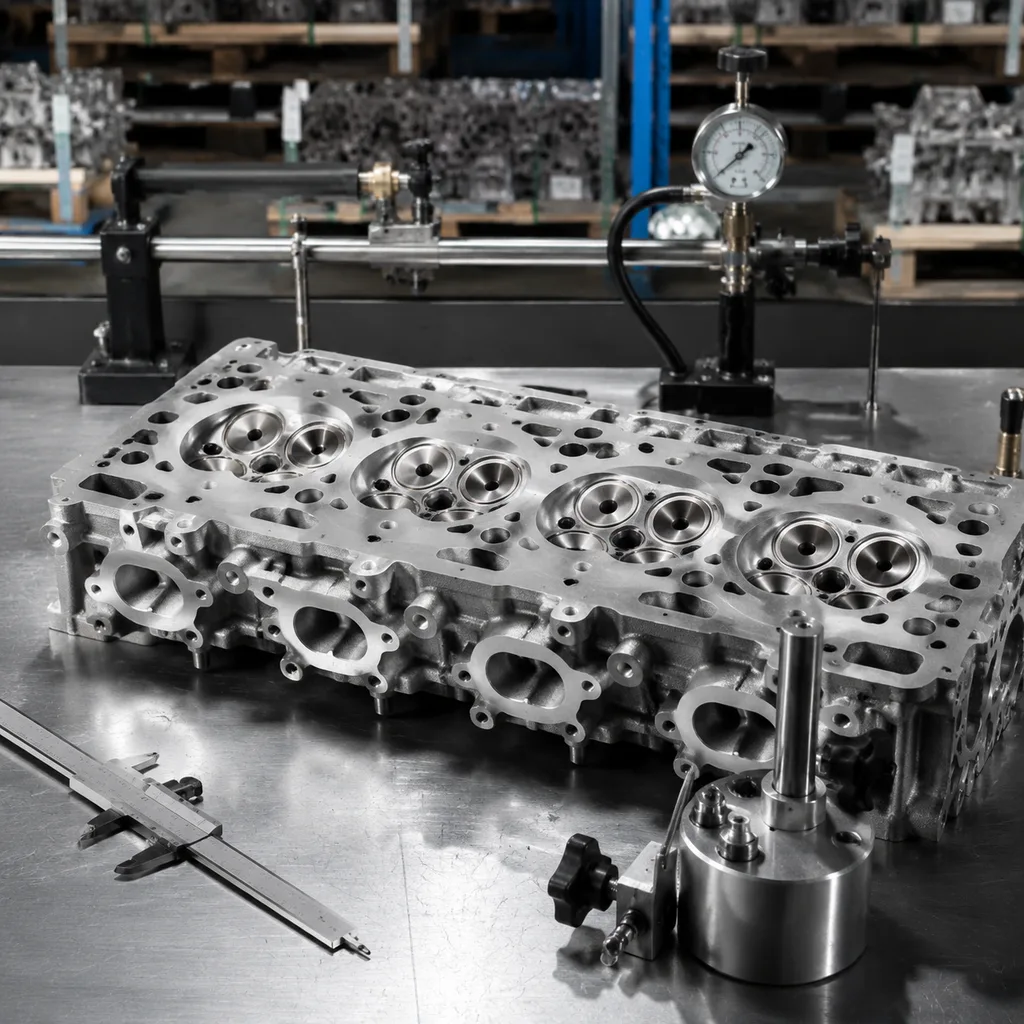
For Vauxhall-fit crankshaft pulleys, the first sourcing filter is not price. It is whether the supplier can control three connected areas: metal machining, elastomer bonding and dynamic balance. A pulley with correct outside diameter but poor rubber adhesion can pass incoming inspection and still create belt noise, accessory drive vibration or premature delamination in service.
Procurement teams should request the following before supplier nomination:
IATF 16949:2016 certificate scope covering engine or powertrain components
ISO 9001:2015 certificate and audit validity dates
Process flow diagram, PFMEA and control plan for the pulley family
Drawing review with critical-to-function dimensions highlighted
Rubber compound specification and ageing test summary
Dynamic balance method and acceptance criteria
Salt spray or surface protection test report where coating is specified
Lot traceability method from raw material to finished carton
Export packaging specification for sea and air shipments
A capable crankshaft pulley Vauxhall OEM supplier should also separate catalogue cross-reference management from engineering release. Fitment data may use Vauxhall, Opel, GM-family or aftermarket catalogue references, but production release should be controlled by the agreed drawing, material specification and inspection plan.
Typical technical requirements for Vauxhall-fit pulleys
Most crankshaft pulleys in this application group are torsional vibration dampers rather than simple belt wheels. The design normally includes a steel or cast iron hub, an inertia ring, and a bonded elastomer layer. The elastomer must absorb crankshaft torsional oscillation while maintaining pulley concentricity and belt alignment.
</tr></thead><tbody> </tbody></table>The exact tolerance set should come from the customer drawing or a jointly approved reverse-engineering package. Driventus can support dimensional mapping from buyer-supplied samples, but final approval should always be based on the procurement specification, not on visual similarity.
MOQ, lead time and capacity planning
MOQ depends on whether the part is an existing catalogue item, a modified private-label item, or a new development requiring tooling. For distributors, the practical issue is often mixed-SKU ordering: one container may include crankshaft pulleys, water pumps, gaskets and pistons to meet replenishment needs.
Typical planning assumptions for crankshaft pulley programmes are:
Existing released SKU: lower MOQ subject to current production schedule and packaging requirements
Private-label packaging: added MOQ for cartons, labels and master cases
New tooling or modified damping specification: higher MOQ to absorb fixture, mould and validation cost
Annual blanket order: preferred for stable pricing and capacity reservation
Initial sample order: suitable for fitment checks, dimensional inspection and customer lab testing
Lead time is influenced by steel procurement, rubber compound scheduling, machining capacity, coating queue and export consolidation. For new items, buyers should allow time for drawing confirmation, sample production, dimensional report, functional testing and packaging approval. If a factory audit is required, it is more efficient to conduct it before sample approval so that any control-plan changes are included before mass production.
Driventus can discuss stocked and project-based items through our catalog, including related engine components at /products/engine-components.html. For non-standard geometry, damping rate, branding, or carton configuration, buyers can review custom manufacturing.
Factory audit and documentation package
A supplier audit for crankshaft pulleys should cover both quality-system maturity and process-specific controls. IATF 16949:2016 is relevant because it requires risk-based process control, traceability and continual improvement for automotive production. ISO 9001:2015 supports general quality management, but it is not a substitute for automotive process discipline.
Audit points for crankshaft pulley production
Incoming steel, castings or forgings inspection records
Rubber compound batch control and storage conditions
Bonding surface preparation process and contamination controls
Vulcanisation or bonding temperature and time records
CNC machining capability studies for critical datums
Groove profile inspection method and gauge calibration
Dynamic balancing equipment maintenance and calibration
Coating thickness and corrosion resistance verification
Nonconforming product segregation and rework approval rules
Final inspection sampling plan and retained sample policy
Documents buyers commonly request
Certificate of conformity per shipment
Material declaration and coating information
Initial sample inspection report
PPAP-style documentation where required by the customer
Control plan and process flow diagram
Packaging specification and palletisation plan
Country of origin and export documents
For EU and UK importers, REACH (EC) No 1907/2006 should be considered when reviewing substances in rubber, coatings, oils and packaging materials. Crankshaft pulleys are not certified under emissions rules such as ECE R-83, but engine-component suppliers should understand the broader regulatory environment in which their customers operate. Buyers can review Driventus’ quality system before arranging an audit.
Private label and OE cross-reference control
Many distributors source Vauxhall-fit pulleys under their own brand. This makes cross-reference accuracy a commercial and warranty issue. A single pulley may appear in catalogue systems under Vauxhall, Opel, GM-family and aftermarket references. If a buyer provides an OE cross-reference such as OE 06A… or OE 11251…, Driventus treats it as fitment information only. It is not used as evidence of vehicle manufacturer approval.
Private-label programmes should define:
Brand-neutral product description format
Buyer part number and internal Driventus production code
Accepted OE-style cross-references supplied by the buyer
Engine code, model year and market coverage rules
Barcode type and carton label layout
Installation note requirements, if applicable
Language requirements for EU, UK, North America, Australia or Brazil
Master carton quantity and pallet height limit
Driventus is an independent aftermarket manufacturer; brand names are referenced for fitment only. This disclosure should also be reflected in catalogue and packaging workflows where required by the buyer’s compliance team.
A controlled cross-reference file reduces returns caused by near-fit parts. For example, two pulleys can share belt groove count and similar outside diameter but differ in offset, hub depth or damping ring mass. Procurement teams should therefore require sample validation against physical engines, customer drawings, or approved market samples before full release.
How Driventus supports international B2B sourcing
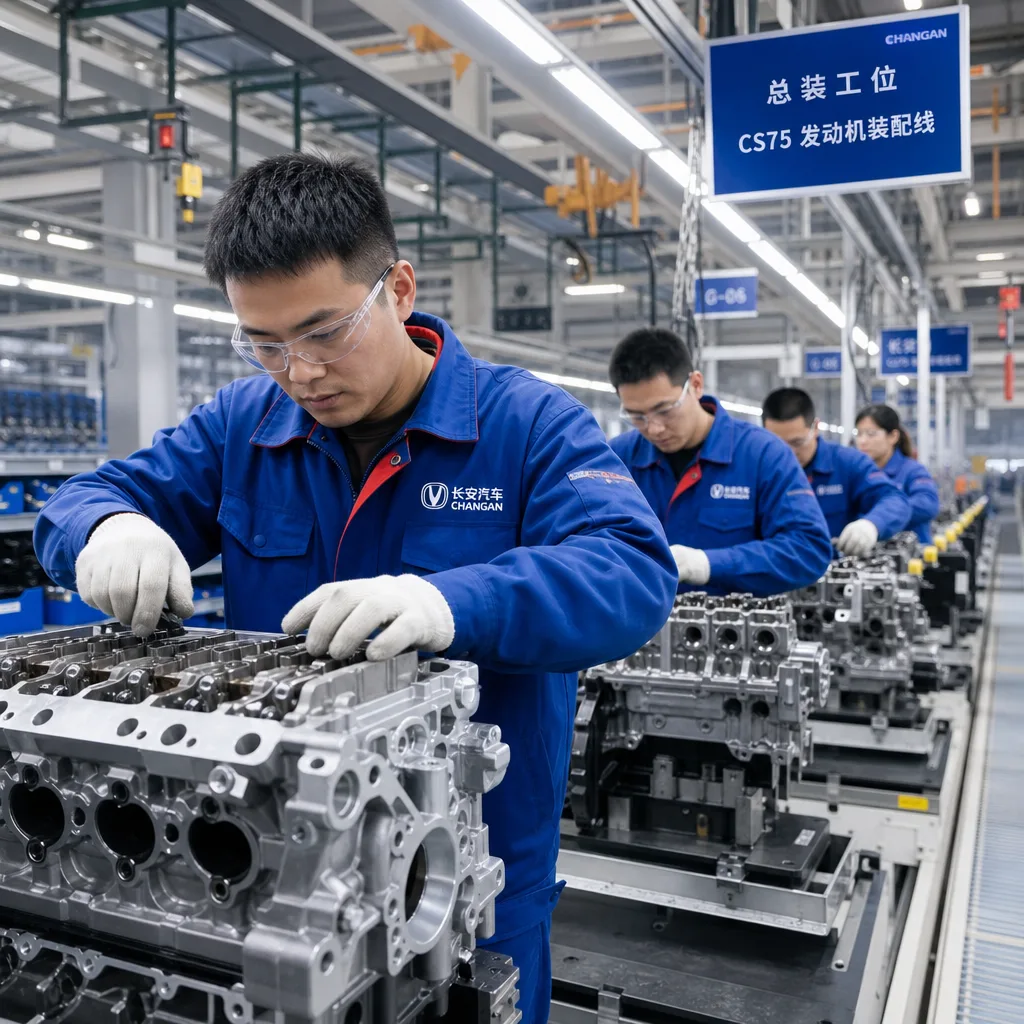
Driventus supplies engine and powertrain components to customers in more than 60 countries from Taizhou, Zhejiang. For crankshaft pulley projects, the sourcing process normally starts with the buyer’s application list, annual forecast, packaging requirement and target markets. Our engineering team then checks existing tooling, sample availability and the level of validation needed.
For a crankshaft pulley Vauxhall OEM supplier evaluation, Driventus can support:
Application and cross-reference review using buyer-provided data
Existing-item quotation with MOQ and lead time
New-item feasibility review from sample or drawing
Dimensional inspection report for first samples
Rubber and bonding validation summary where applicable
Private-label packaging and export carton design within buyer rules
Mixed-container planning with other engine components
Factory audit coordination and corrective action follow-up
For distributors, this structure helps reduce slow-moving stock by grouping related SKUs into planned production windows. For repair-chain programmes, the emphasis is usually consistent packaging, low complaint rate and clear batch traceability. For OEM or Tier-1 related sourcing, documentation depth and change-control discipline are the primary concerns.
A practical RFQ should include annual volume, first-order quantity, destination port, required Incoterms, packaging format, drawings or samples, and any specific customer standards. Buyers can request a quote with these details so that pricing and lead time are based on a controlled specification rather than a loose catalogue description.
Frequently asked questions
Yes. Driventus can support private-label cartons, buyer part numbers, barcodes and export packing for Vauxhall-fit crankshaft pulleys, subject to MOQ and label approval. Fitment references are managed as catalogue data, not as vehicle manufacturer endorsement.
Request valid IATF 16949:2016 and ISO 9001:2015 certificates, plus process documents such as control plan, inspection records, traceability method and material information. For EU-related imports, review REACH (EC) No 1907/2006 substance compliance where relevant.
Provide drawings or samples, OE-style cross-references if available, annual forecast, first-order quantity, packaging requirements, destination, Incoterms and any validation expectations. This allows the supplier to confirm tooling, MOQ, lead time and documentation scope.
If you are qualifying a crankshaft pulley supplier for Vauxhall-fit applications, Driventus can review drawings, samples, forecasts and packaging requirements. Send your sourcing details through /contact.html