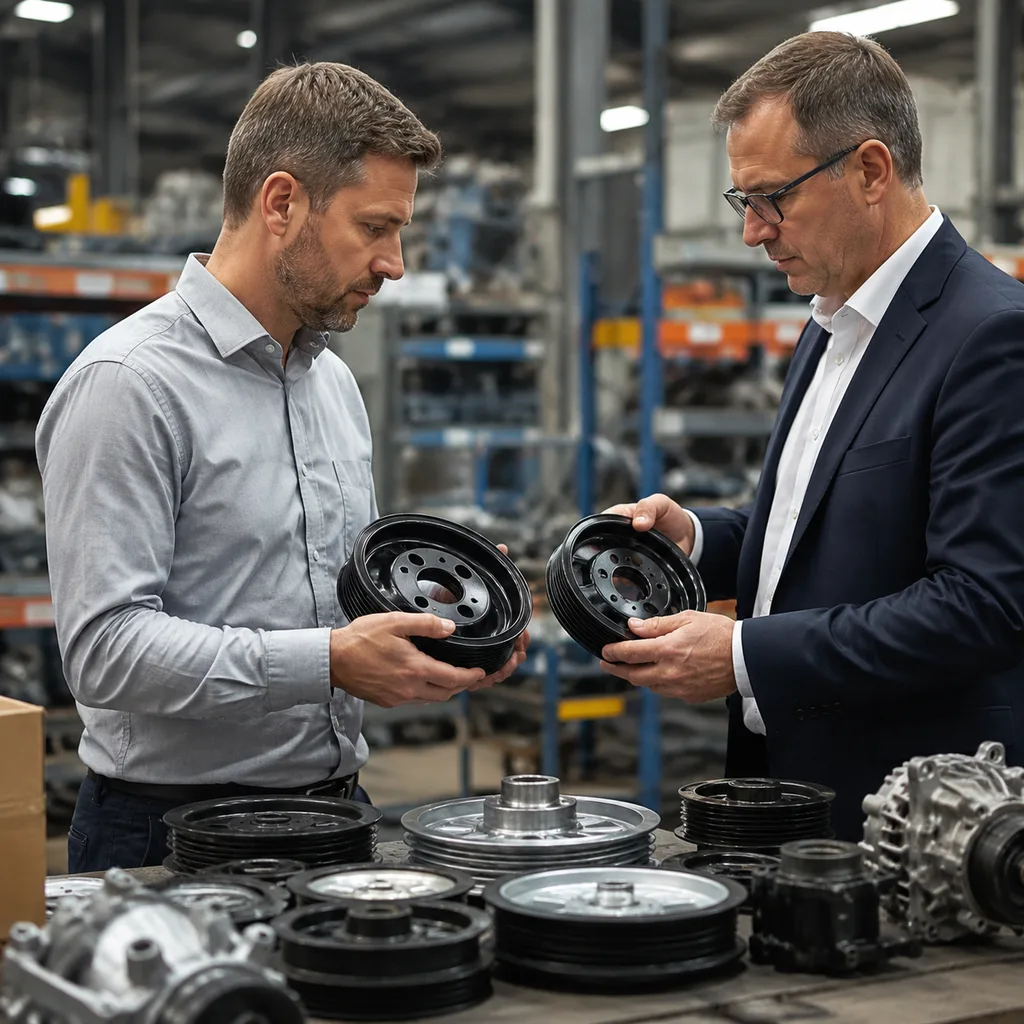
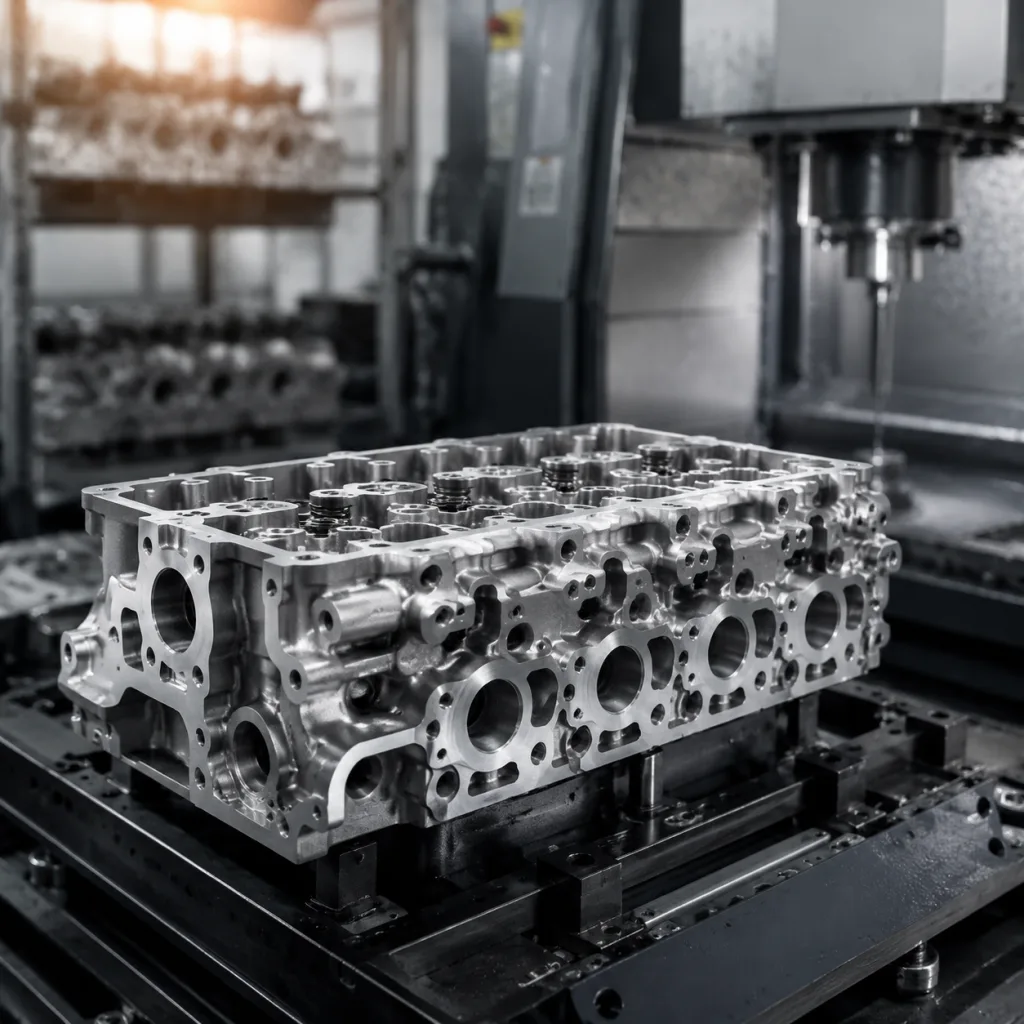
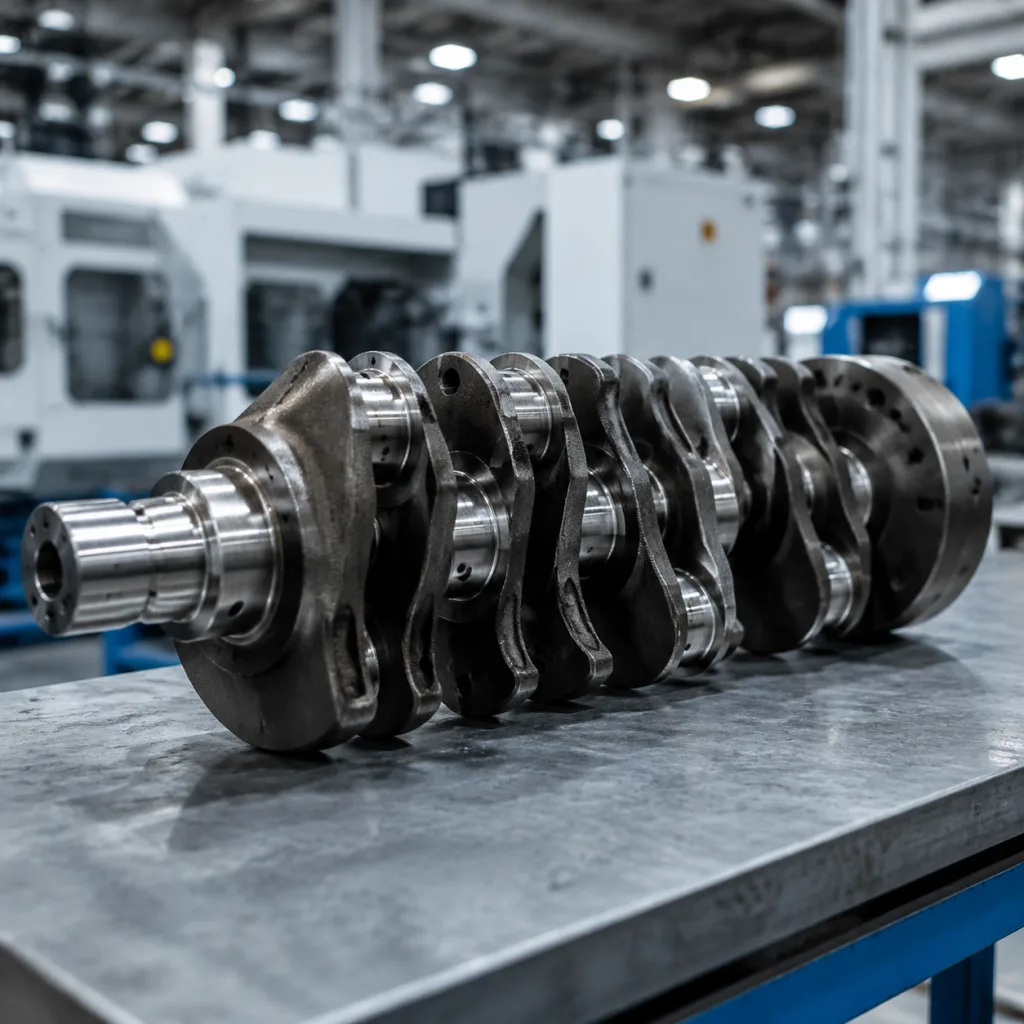
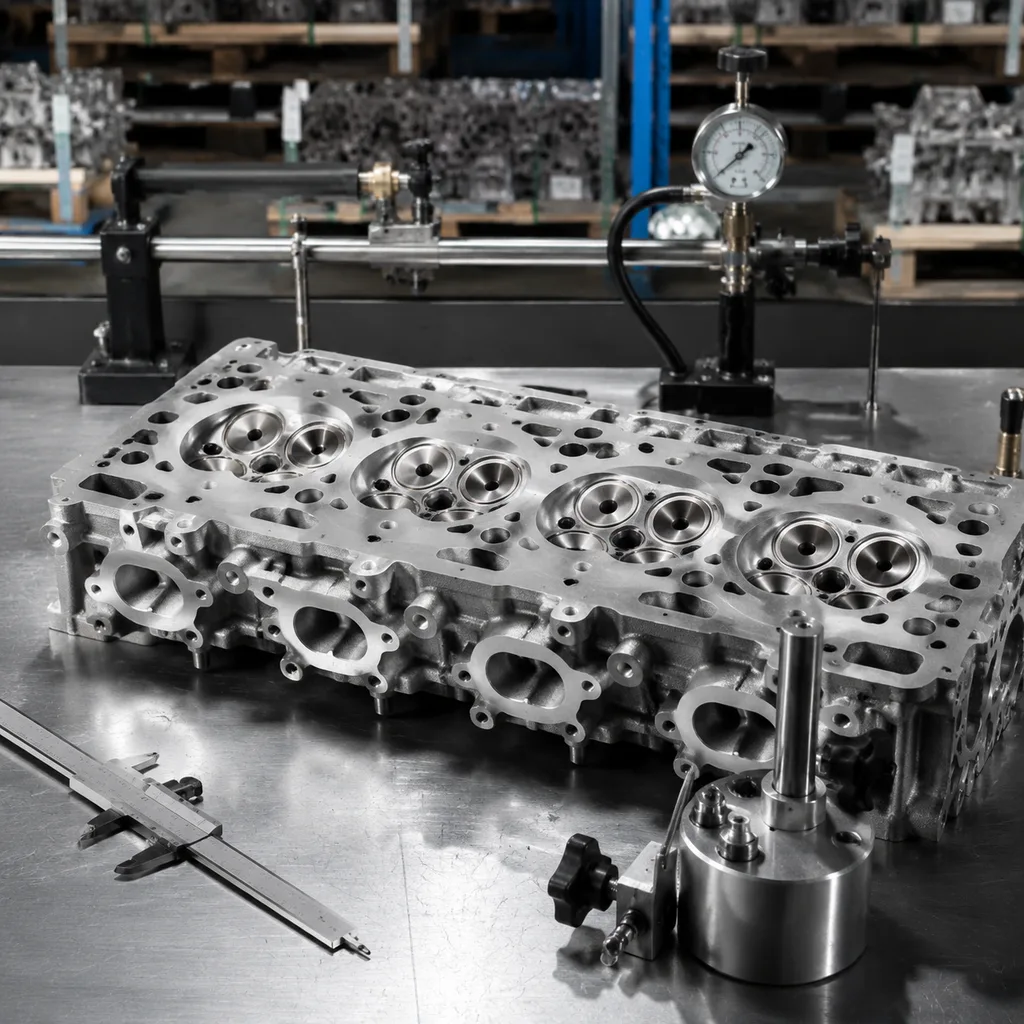
Buyers sourcing a crankshaft pulley for Skoda platforms need more than a part listing. They need fitment control, stable quality, and a supplier that can support repeat orders without rework. In crankshaft pulley Skoda wholesale procurement, the first checks are OE cross-reference accuracy, hub and belt-groove dimensions, runout control, material specification, and packaging that can survive export handling. Driventus supplies engine and powertrain components from Taizhou, Zhejiang, with IATF 16949:2016 and ISO 9001:2015 systems in place. Driventus is an independent aftermarket manufacturer; brand names are referenced for fitment only. This article explains what wholesale buyers should verify before placing an order, how to compare samples, and which commercial terms matter when sourcing at scale from China into the EU, UK, US, Canada, Australia, or Brazil.
Start with fitment, not price
For a crankshaft pulley Skoda wholesale order, the first decision is whether the part truly matches the engine, belt path, and pulley type. Confirm the OE cross-reference, engine code, and whether the application uses a solid pulley, a decoupler, or an integrated vibration damper. If the buyer is working from a catalogue, request dimensional confirmation against a known OE sample or drawing, then verify the measurement method used by the factory.
A practical buyer checklist should include:
Outer diameter, inner bore, offset, and overall thickness
Number of grooves and groove profile, commonly 4PK, 5PK, 6PK, or 7PK depending on platform
Hub keying, bolt circle, thread specification, and fastener seat geometry
Bore tolerance, face runout, and radial runout limits against the drawing or OE sample
Static balance target and whether dynamic balancing is performed on every batch or only first article
Surface finish, coating type, and corrosion protection for the destination climate
Carton count, label format, lot coding, and pallet pattern for export handling
A pulley that is off by only 0.2 to 0.5 mm in offset or groove alignment can create belt edge wear, noise, or premature tensioner load. Ask for actual measured values from the sample, not just a pass/fail statement. The safest buying sequence is sample approval first, then batch production against the approved reference, then shipment only after final inspection records are shared.
What specs protect durability?
Crankshaft pulleys live under torsional load, heat, oil vapour, and continuous belt tension. That is why specification control matters as much as fitment. Common material options include cast iron, steel, and aluminium alloy constructions, depending on the application and damping design.
Item
Typical procurement target
Buyer check
Radial runout
Usually ≤ 0.10 mm for tighter applications, or per OE drawing
Protects belt tracking and accessory bearing life
Face runout
Typically ≤ 0.08 mm, unless OE sample requires more
Reduces wobble and belt oscillation
Bore tolerance
Commonly held to H7-level control or OE equivalent
Prevents looseness on the crank nose
Dynamic balance
Often verified to 10 g·mm or better for precision programmes
Lowers NVH and engine vibration
Groove pitch and width
Matched to belt section and OE sample
Prevents squeal and slippage
Coating
Phosphate, e-coat, black oxide, or plated finish
Improves corrosion resistance
Hardness
Confirmed by material route and heat treatment
Supports wear resistance and dimensional stability
</tr></thead><tbody> </tbody></table>Ask the supplier how these values are checked. A buyer may require caliper and micrometer checks for sample approval, runout indicator checks on 100% of critical pieces during trial runs, and batch sampling under AQL after production stabilises. For EU sales, validation should reference published standards where applicable, including IATF 16949:2016 and ISO 9001:2015 for quality systems, plus REACH (EC) No 1907/2006 for material compliance when selling into the EU. If the application uses a vibration damper or elastomer bond, request heat aging, oil resistance, and separation resistance data, because a visually correct pulley can still fail early if the bond or finish is weak.
How do suppliers compare on cost and risk?
Wholesale sourcing is decided by repeatability, documentation, and responsiveness. A low unit price is not useful if the supplier cannot hold the same dimensions across batches or provide clean export paperwork. Compare suppliers on total landed cost and supply risk, not only the ex-factory quote.
Compare suppliers on these points:
MOQ by part number, by material type, and by packaging format
Sample lead time, production lead time, and whether the clock starts from deposit or sample approval
Price breaks at 100, 300, 500, and 1,000 units, or the supplier's actual tiered structure
Inspection records, first article approval support, and whether photos or videos are shared before shipment
Packing method for sea freight and inland handling, including carton drop-test readiness
Ability to run OE sample matching, drawing-based production, or private-label packaging
Payment terms, incoterms, and whether freight consolidation is supported for mixed orders
A useful supplier will explain measurement methods, share inspection data, and identify process risk before shipment. For long-term programmes, stable tooling and process control matter more than a one-off discount. As a commercial benchmark, buyers often expect sample turnaround in 7 to 15 days, standard production in 25 to 40 days after approval, and an expedited path only when the supplier has verified stock or reserved capacity. Typical wholesale MOQ may start at 30 to 100 pieces per reference for catalogued items, while custom packaging or new tooling can require 200 to 500 pieces to justify setup. If the quote looks attractive but the supplier cannot state carton quantity, pallet count, and re-order lead time, the real cost is still unknown.
Which validation package should you ask for?
If the part is destined for distributor stock or workshop supply, request a practical test pack rather than only a drawing sheet. For this product family, the most useful checks are dimensional inspection, dynamic balance, surface verification, and torque-related fitment review.
A buyer should ask for a validation file that includes:
Dimensional report with actual measured values, not only pass/fail
Material declaration and alloy or steel grade where applicable
Lot traceability, production date, and batch code format
Sample photos of finish, grooves, machining marks, and labels
Packing specification, carton dimensions, gross weight, and pallet loading plan
Test method summary, including the gauge or fixture used
Practical durability requests can include salt spray exposure, coating adhesion, and rotational balance verification. If corrosion resistance matters, request a salt spray target such as 48, 96, or 240 hours depending on the market position and finish system. For OE-like programmes, ask whether the pulley is validated for thermal cycling, belt slip resistance, or vibration endurance, and request the acceptance criteria used in-house. Not every pulley requires every test, but the supplier should be able to explain which tests were performed and why.
This matters especially when the buyer must support multiple warehouses or regional customers with the same reference. A clear validation package reduces returns, shortens claim resolution, and makes it easier for distributors to sell the part with confidence.
What factory capabilities matter in repeat supply?
For recurring orders, factory capability is part of product quality. Vertical integration helps reduce variation between casting, machining, finishing, and final packing. It also shortens the time needed to correct a non-conformance when a dimension or coating issue appears.
Driventus operates as a vertically integrated manufacturer in Taizhou, Zhejiang, supplying pistons, crankshafts, gaskets, water pumps, turbochargers, and related engine components to more than 60 countries. Buyers can review our catalog, check the quality system, or discuss custom manufacturing when a standard reference does not meet the required fitment.
For a wholesale buyer, factory capability should be measured in concrete terms: whether the plant owns the machining process, whether final inspection is documented per lot, whether packaging is done in-house, and whether non-conforming parts can be quarantined before export. If the factory outsources critical steps, ask how they control incoming parts and whether the same gauge set is used across subcontractors.
Driventus is an independent aftermarket manufacturer; brand names are referenced for fitment only.
For buyers managing portfolio breadth, engine components can be grouped into one supply programme to reduce vendor count and simplify consolidation. If a Skoda programme also includes related belt-drive parts, the best purchasing result usually comes from one controlled supplier list, one approval file, and one re-order schedule by reference rather than spot-buying each SKU separately.
Frequently asked questions
Yes, but it is safer to confirm dimensions and belt profile against an OE sample or drawing. OE cross-references help identify fitment, but final approval should include measurement data, groove count, and runout confirmation before mass production.
MOQ depends on the part number, tooling state, and packing format. Buyers should ask for MOQ by reference and whether mixed-SKU cartons are allowed for initial stocking orders. For standard catalogued references, a realistic wholesale MOQ is often 30 to 100 pieces, while custom packaging or private-label runs may need 200 to 500 pieces.
Ask for sample lead time, production lead time after approval, and a tiered quote at 100, 300, 500, and 1,000 units. A lower unit price is only meaningful if the supplier can hold the same dimensions, provide inspection records, and ship on the promised schedule.
Yes, where the programme justifies it. Custom labels, cartons, and manufacturing adjustments can be discussed under OEM or private-label terms through the request process. Buyers should confirm artwork timing, minimum run size, and whether packaging changes affect the lead time or unit price.
If you are sourcing a stable supply of crankshaft pulleys for Skoda applications, review the fitment details and send your target reference list. Start here: /contact.html