Sourcing a crankshaft Land Rover OEM supplier requires more than matching an interchange number. Procurement teams need confirmed engine-family data, stable metallurgy, controlled journal grinding, traceable inspection records and commercial terms that match real replenishment demand. For distributors, repair chains and Tier-1 buyers, the risk is not only part failure; it is warranty exposure, delayed container schedules, mixed-SKU shortages and inconsistent batch quality. Driventus Auto Parts manufactures crankshafts and other engine components in Taizhou, Zhejiang, with IATF 16949:2016 and ISO 9001:2015 certified production controls. We support B2B buyers with technical review, sample orders, production part approval documentation where required, export packaging and shipment consolidation planning. Driventus is an independent aftermarket manufacturer; brand names are referenced for fitment only.
What buyers should verify before selecting a supplier
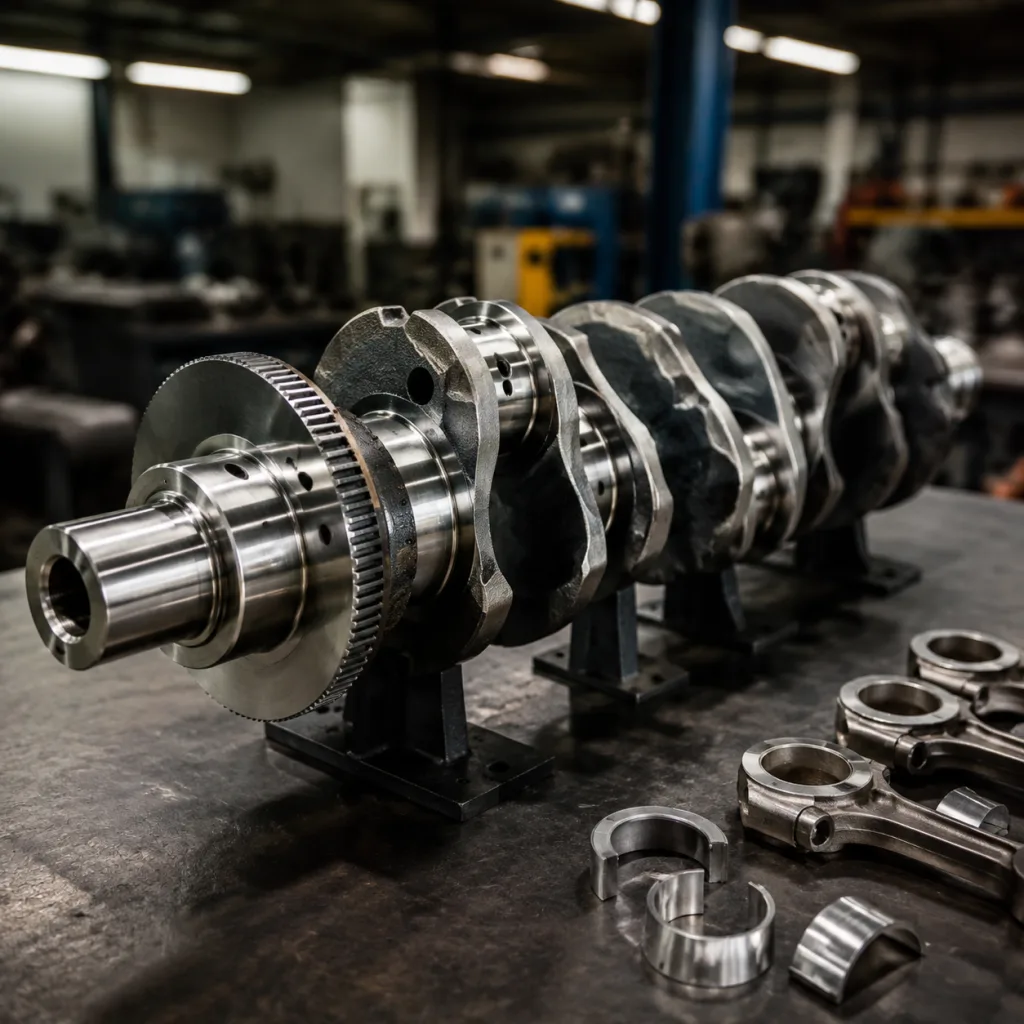
For Land Rover-fitment crankshafts, the supplier review should start with the engine family, journal layout, stroke, oil-hole position, thrust bearing location, rear flange pattern, nose diameter and sensor trigger design. These details determine whether the shaft will assemble correctly with bearings, connecting rods, pistons, timing parts, flywheel or flexplate hardware and rear sealing components.
A credible crankshaft supplier should provide evidence for:
Material route, such as forged steel, cast steel or ductile iron, with heat number traceability
Heat-treatment process, including induction hardening or nitriding where specified
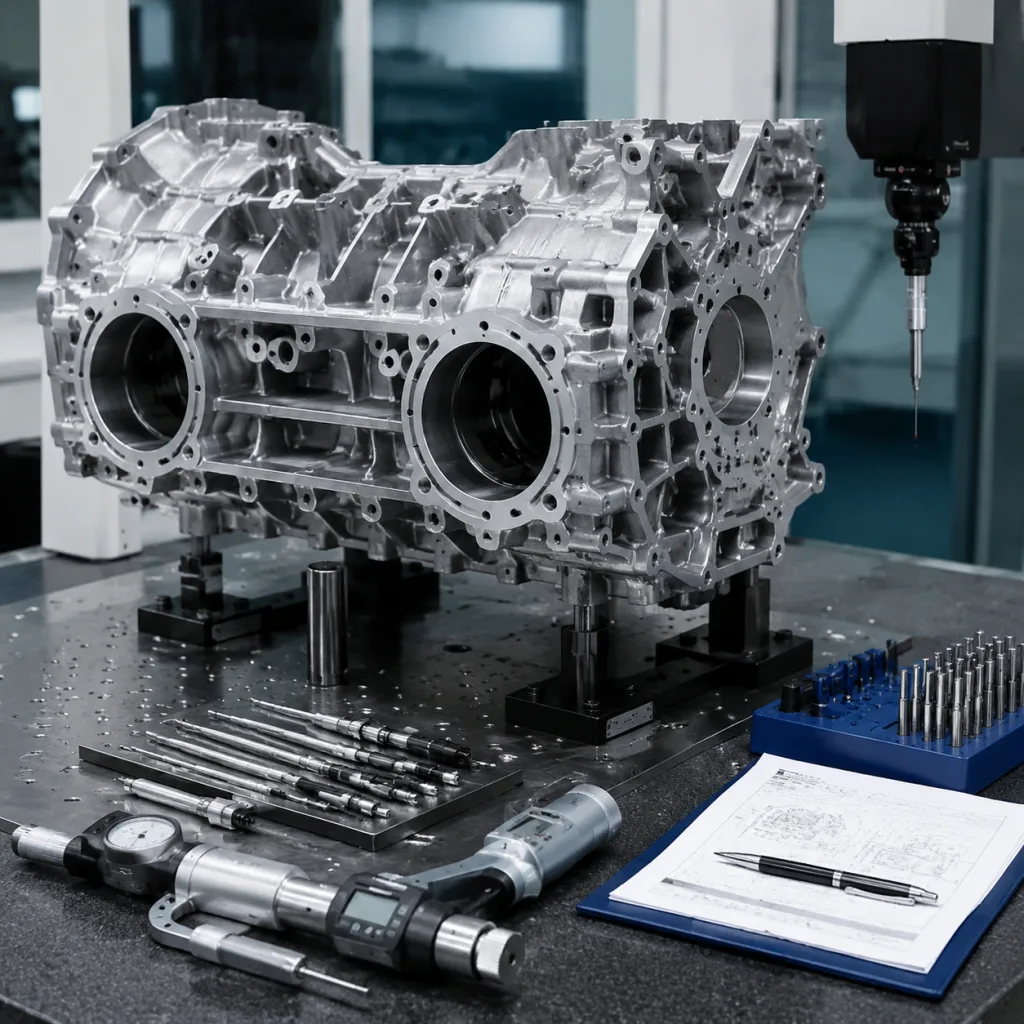
Main and rod journal diameter control, typically checked in at least two planes per journal
Journal taper, ovality and surface roughness limits agreed before production
Stroke, web position and flange-to-journal runout inspection records
Dynamic balancing method, machine calibration status and acceptance criteria in g·mm
Surface hardness, case depth where applicable and fillet radius control
Oil-hole chamfering, deburring, magnetic particle inspection and final cleaning process
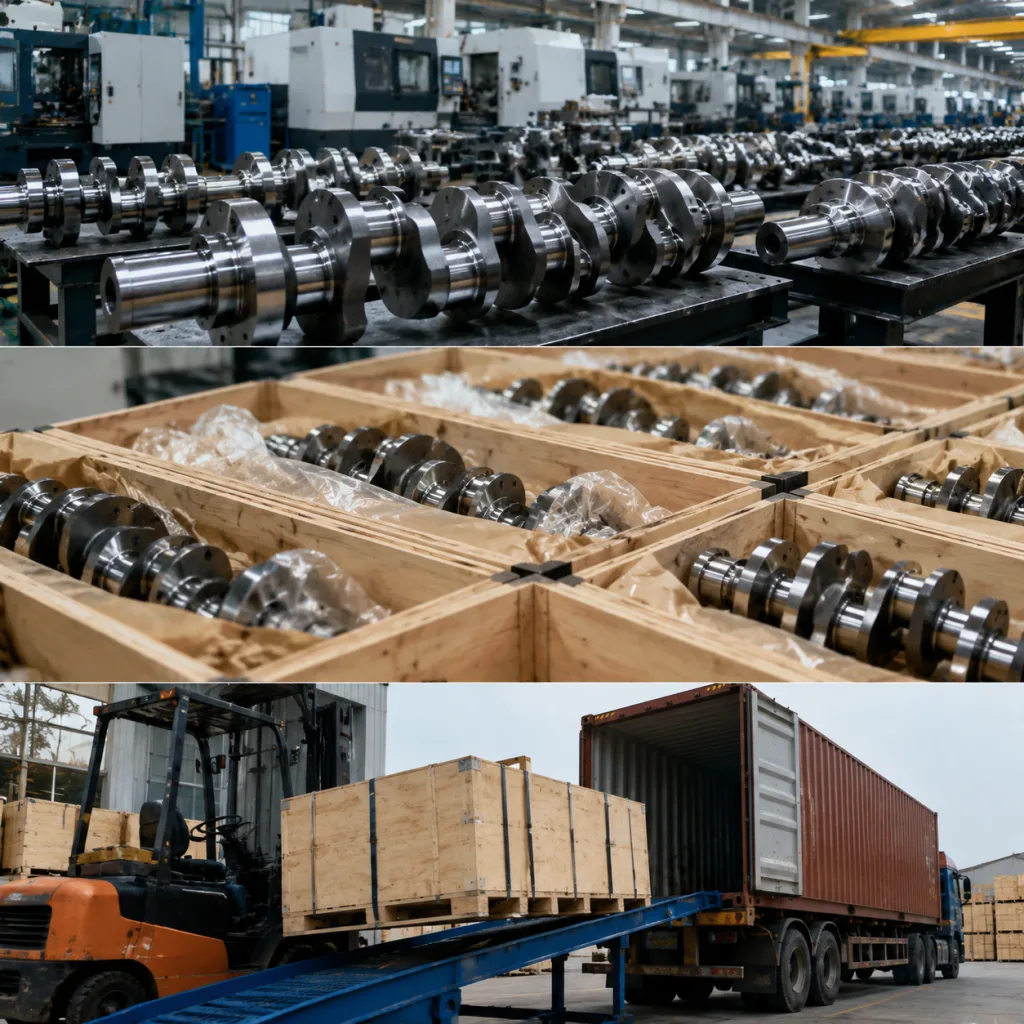
Rust-prevention method, VCI packaging and export carton or crate specification
Batch traceability by heat number, machining lot, heat-treatment lot and inspection lot
Buyers should also confirm whether the supplier can support multiple demand profiles. A wholesaler may need 5–20 mixed crankshaft SKUs in one LCL or FCL shipment; a repair chain may need monthly replenishment against a 3-month forecast; an OEM or Tier-1 programme may require drawing-controlled production, approved gauges and PPAP-style records. Driventus can review demand forecasts against current tooling, semi-finished stock, machining capacity and inspection workload before committing to price, MOQ and lead time.
Manufacturing and inspection controls for crankshafts
Crankshaft production is sensitive to small variation. A journal diameter error of even a few microns, uncontrolled taper or rough oil-hole edge can affect oil film stability and bearing life. Driventus applies controlled process stages from incoming steel or casting inspection through rough machining, heat treatment, straightening, finish machining, grinding, cleaning and final audit.
Typical production controls include:
Process stage
Control point
Procurement relevance
Raw material
Chemical composition, mechanical properties and heat number traceability
Reduces batch-to-batch metallurgy variation
Heat treatment
Surface hardness, case depth where required and distortion check
Supports wear resistance and dimensional stability
Rough machining
Datum control, centre hole quality and machining allowance
Protects downstream grinding accuracy
Finish machining
Stroke, flange, keyway, gear-seat and thread dimensions
Improves assembly compatibility
Journal grinding
Diameter, taper, roundness, fillet radius and Ra surface finish
Critical for bearing interface performance
Oil-hole processing
Chamfer size, burr removal, air blow and washing
Reduces debris risk during first operation
Crack detection
Magnetic particle or agreed NDT method after high-risk stages
Reduces latent fracture risk
Dynamic balancing
Balance correction within agreed g·mm limits
Reduces vibration and warranty risk
Final inspection
Runout, appearance, rust prevention, label and packing check
Confirms shipment readiness
</tr></thead><tbody> </tbody></table>For controlled programmes, practical tolerances should be agreed from the buyer drawing or approved sample. Common checkpoints include main and rod journal size, taper and ovality within micron-level limits, runout checked on V-blocks or centres, thrust width, flange face runout and roughness measured with a calibrated profilometer. For drawing-based orders, we can align inspection plans with buyer sampling rules such as 100% checks on critical journals and AQL-based checks on appearance or packaging items.
Where applicable, customers may request first article inspection reports, control plans, process flow charts, PFMEA summaries, material certificates, heat-treatment records and final inspection reports. The required document set should be confirmed during quotation, because additional hardness mapping, NDT frequency, gauge R&R or third-party inspection can affect both price and lead time.
MOQ, lead time and export planning
Commercial feasibility depends on SKU mix, order frequency and whether the buyer requires standard catalogue parts or drawing-specific production. A crankshaft Land Rover OEM supplier project often includes multiple engine references, so the quotation should distinguish stocked, semi-finished and make-to-order items rather than using one lead time for every part number.
Typical sourcing framework:
Sample orders: Usually 1–5 pcs per SKU for dimensional verification, installation trials and market testing; available stock can ship faster, while non-stock samples may require machining time.
Initial production order: Often 20–100 pcs per SKU, or a mixed-SKU order agreed by total order value, to validate packaging, documentation and distributor sell-through before a larger blanket order.
Repeat replenishment: Forecast-based scheduling with 60–90 days visibility improves price stability, reserves material and reduces emergency air freight.
Custom programmes: Tooling, fixtures, gauges or dedicated inspection plans may require a separate tooling charge, higher MOQ and engineering approval before mass production.
As a planning baseline, stocked or semi-finished crankshafts may support shorter lead times after deposit and confirmation, while make-to-order production commonly requires 45–75 days depending on material availability, heat-treatment queue, grinding capacity and inspection depth. New drawing-controlled parts can require additional time for feasibility review, sample machining, validation and buyer approval before the first production batch. Sea freight consolidation should be planned separately from factory lead time; LCL shipments, mixed pallets and destination customs documents can add several working days before vessel departure.
Price is normally driven by material route, weight, machining cycle time, heat treatment, balancing requirements, inspection level, packaging and annual volume. Buyers should share target annual volume, first-call quantity, monthly call-off pattern, destination port, Incoterms preference, packaging method and document requirements at RFQ stage. Driventus can quote crankshafts together with related engine components through our catalog, helping importers consolidate shipments and reduce per-unit logistics cost.
Quality system and audit readiness
For procurement teams, supplier certification does not replace technical review, but it gives a structured base for process control. Driventus operates under IATF 16949:2016 and ISO 9001:2015 certified systems covering production control, corrective action, supplier management, calibration and traceability. Buyers can review our quality system before starting an RFQ.
Factory audits normally focus on four areas:
1. Process discipline: Whether operators follow documented routing, setup approval, inspection frequency, tool-change rules and reaction plans. 2. Measurement capability: Whether gauges are calibrated and suitable for journal diameter, taper, runout, hardness, roughness and balance checks. 3. Traceability: Whether material, machining lot, heat-treatment lot, balancing data and final inspection results can be linked to shipped parts. 4. Corrective action: Whether nonconformities are contained, root cause is verified and prevention is applied to similar SKUs.
For a crankshaft audit, buyers should ask to see calibration certificates for micrometers, air gauges, hardness testers, runout fixtures, roughness testers and balancing machines. They should also review one recent batch record from raw material receipt through final packing, including rejected-parts handling and rework approval. If the buyer requires process capability evidence, the RFQ should define the characteristic, sample size and target index, for example Cpk expectations for journal diameter after grinding.
For regulated markets, buyers may also ask about material declarations and substance controls. Where relevant to the destination market, Driventus can support compliance review aligned with REACH (EC) No 1907/2006 and customer-specific restricted substance lists. For combustion and emissions-related engine programmes, compliance obligations should be assessed at system level, including applicable vehicle regulations such as ECE R-83 where relevant. Driventus does not claim vehicle manufacturer approval or endorsement.
Fitment data, OE cross-references and private-label supply
Crankshaft identification should never rely only on the model name. Land Rover applications may vary by engine code, displacement, production year, emissions configuration, bearing size, thrust position and crank sensor arrangement. Buyers should provide existing sample photos, drawings, measured dimensions or cross-reference data where available. When using OE part-number cross-references, list them in generic form such as OE 06A… or OE 11251… only when they are already present in your sourcing file.
The most useful fitment file includes engine code, VIN range where available, standard or undersize bearing requirement, main and rod journal diameters, stroke, overall length, flange bolt pattern, keyway or gear-seat detail, trigger wheel tooth count and oil-hole layout. Photos should show the crank nose, rear flange, counterweights, oil holes, thrust face and any stamped or laser-marked references. If the buyer has a failed part, note whether damage was caused by bearing seizure, fracture, oil starvation or handling impact, because that changes how the sample should be interpreted.
Driventus supports distributors and wholesalers with private-label supply, neutral packaging or buyer-specified carton formats. Label content can include part number, batch number, barcode, country of origin, gross weight, net weight and handling marks, subject to destination requirements and customer instructions. For export packaging, typical options include VCI bag, anti-rust oil, protective end caps, foam or molded supports, inner carton, reinforced master carton and fumigation-compliant pallet or wooden crate for heavier mixed shipments.
For OEM and Tier-1 sourcing teams, custom manufacturing can include drawing review, feasibility analysis, prototype machining, PPAP-style documentation where requested and production validation planning. For broader engine programme sourcing, buyers may also review related products under engine components.
Driventus is an independent aftermarket manufacturer; brand names are referenced for fitment only.
RFQ checklist for Land Rover-fitment crankshafts
A complete RFQ reduces quotation delays and prevents later changes to tooling, inspection or packaging assumptions. Before contacting a crankshaft Land Rover OEM supplier, prepare the following information:
Engine code, displacement, fuel type and production year range
Required part number or interchange reference, if available
Standard size, undersize requirement or bearing repair level
Sample photos showing flange, nose, trigger wheel, thrust face and oil-hole layout
Main journal diameter, rod journal diameter, stroke and overall length, if measured
Required tolerances for journal size, taper, ovality, runout, hardness and surface roughness
Material grade, heat-treatment route or drawing specification, if controlled by the buyer
Annual volume, first order quantity, target MOQ and delivery schedule
Target price level or purchase history, if a benchmark is available
Destination country, Incoterms preference, port and shipment mode
Inspection documents required with shipment, including FAI, material certificate or final report
Any drawing, PPAP, IMDS, REACH or restricted substance requirements
Required sample approval timing and target mass-production launch date
For replacement and aftermarket programmes, Driventus can compare buyer samples against current production data before quoting. For drawing-controlled programmes, our engineering team reviews tolerances, datum structure, inspection method and manufacturability before confirming price, MOQ and lead time. If you are building a supplier shortlist, include audit timing, sample approval process, packaging validation requirements and target launch date in the first enquiry.
Frequently asked questions
Yes. Driventus can supply neutral or customer-specified packaging for qualified B2B orders. Label format, barcode requirements, carton strength, anti-rust method and pallet configuration should be confirmed during quotation.
Driventus operates under IATF 16949:2016 and ISO 9001:2015 certified management systems. Buyers may request quality documentation, inspection reports, material records and traceability records according to programme requirements.
No. Driventus is an independent aftermarket manufacturer; brand names are referenced for fitment only. We do not claim approval, endorsement or sponsorship by any vehicle manufacturer.
If you are evaluating a crankshaft Land Rover OEM supplier, share your engine data, target volume, MOQ expectation, launch timing and documentation needs with our team. We can review feasibility and commercial terms when you [request a quote](/contact.html).