Crankshaft Bearing Wear Repair Cost Guide for Buyers
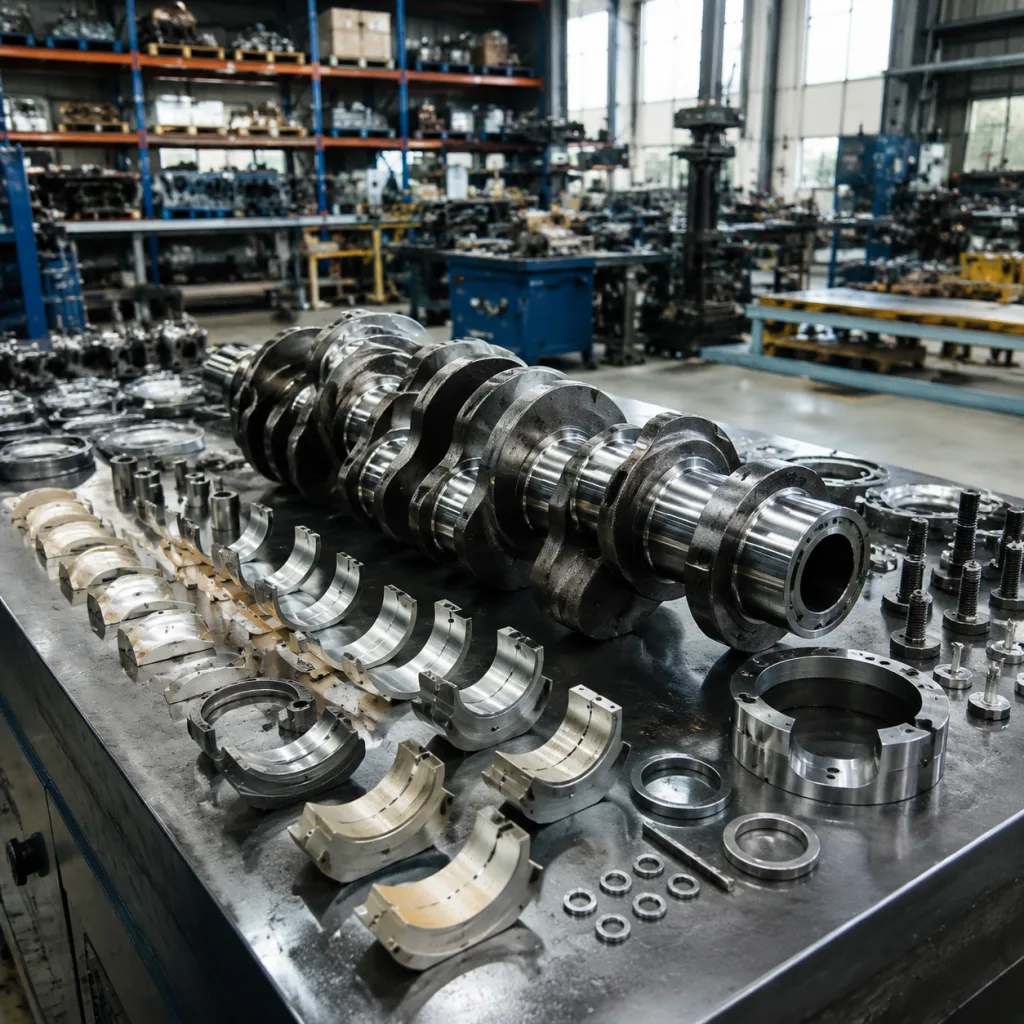
Crankshaft bearing wear is rarely a neat, line-item repair. In fleet, workshop, and remanufacturing settings, cost depends on the failure mode, journal condition, oil contamination, and whether the crankshaft still sits inside tolerance. A light overlay wipe may only need bearing replacement and cleaning. A spun bearing, scored journal, or heat-checked crankshaft can push the job into machining, polishing, or full replacement. For procurement teams, the real question is not just what failed, but what must be measured before anyone commits to a quote. This guide covers the failure signs, inspection points, and sourcing data buyers should collect before ordering replacements. Driventus is an independent aftermarket manufacturer; brand names are referenced for fitment only.
Cost decision map: what changes the quote
The crankshaft bearing wear repair cost guide starts with four variables: damage depth, journal condition, labour time, and parts availability.
Cost driver
Lower-cost case
Higher-cost case
Bearing damage
Light overlay wear
Spun or collapsed bearing
Crankshaft journal
Clean and round
Scored, out-of-round, heat damaged
Ancillary damage
None
Oil pump, rods, or block damage
Work scope
Bearing set and oil service
Strip, measure, polish, machine, reassemble
</tr></thead><tbody> </tbody></table>In many passenger car and light commercial engines, the bearing shells are not the expensive part. The bill usually moves when the engine has to be stripped, cleaned, measured, and rebuilt. If oil pressure was low, the scope can widen fast because more than one journal may be affected. At that point, the quote depends on inspection results, not on the first symptom alone.
Failure modes: symptom, cause, and likely cost
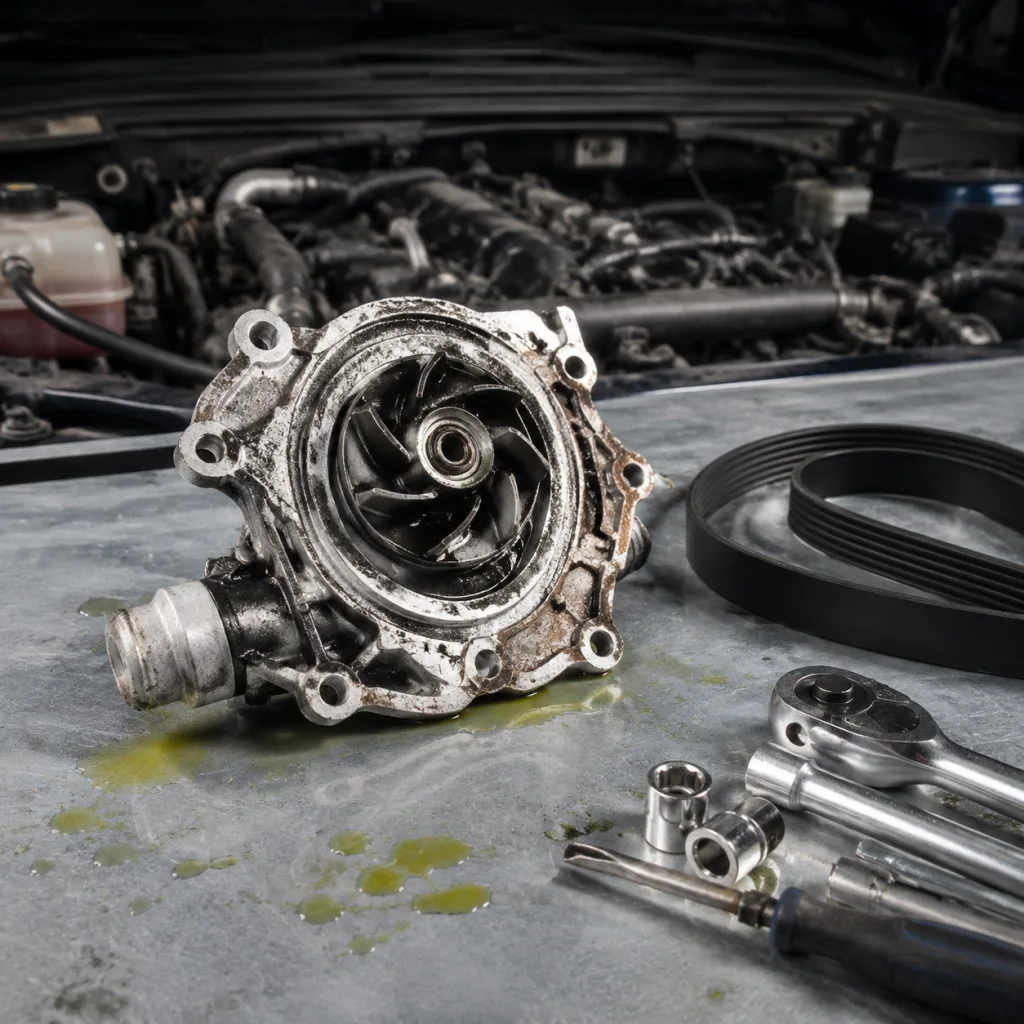
Bearing wear should be treated as a diagnostic fault, not a stand-alone part failure. The same knock can come from different problems, and each one changes the repair path.
Low oil pressure at hot idle often points to clearance growth or oiling loss.
Deep knocking that rises with engine speed can indicate bearing knock under load.
Metallic debris in the sump or filter suggests active material loss.
Copper-coloured bearing material in drained oil usually means the overlay is gone.
Oil pressure warning lamp flicker after warm-up often appears late in the failure chain.
Crankshaft end play outside specification can signal thrust bearing damage.
A start-up knock does not prove the crankshaft is reusable. The root cause may be oil starvation, a blocked pickup, incorrect torque, contamination, or a prior overheat event. That distinction decides whether the job stays at bearing replacement or turns into a bottom-end rebuild.
Inspection sequence before you quote
Before a repair quote is issued, the engine should be stripped and measured. That is the only reliable way to avoid underpricing the work.
Check in this order
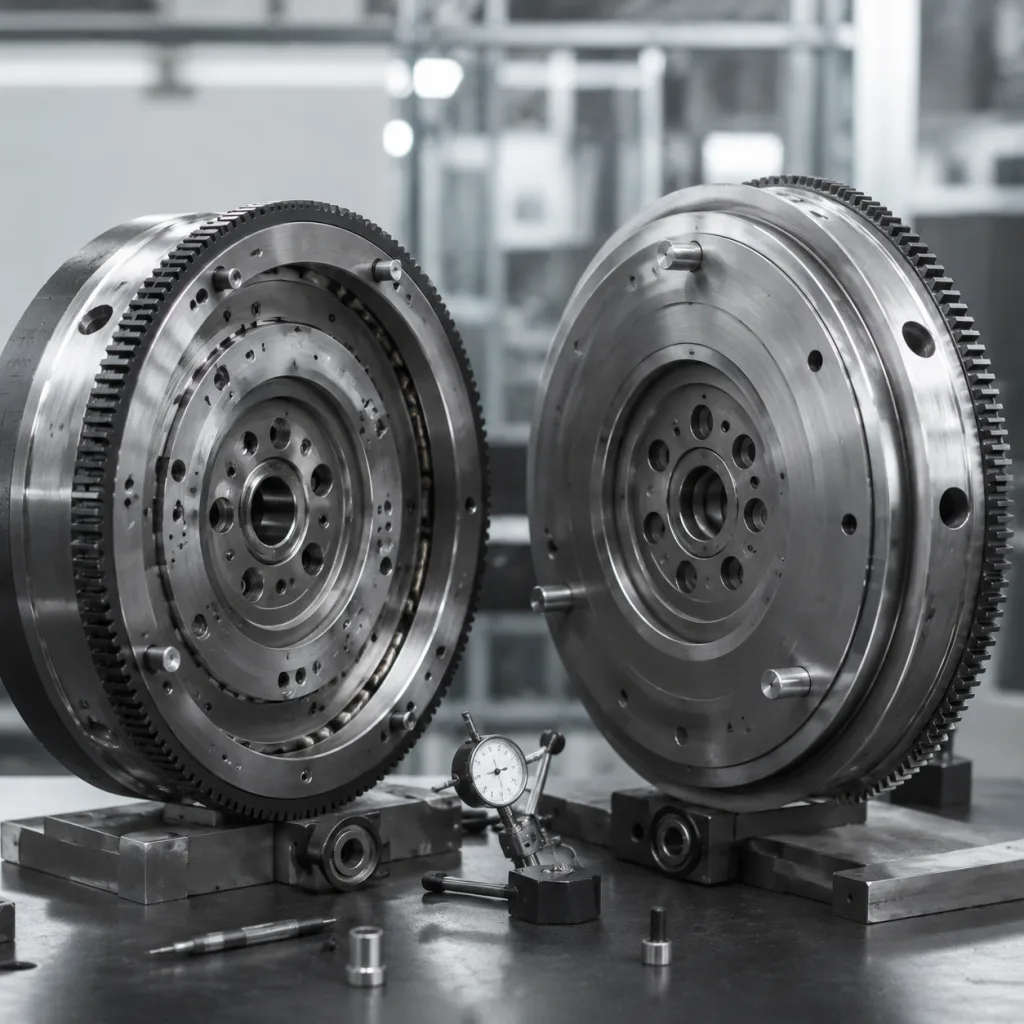
1. Measure crankshaft journal diameter, taper, and ovality against OEM specification. 2. Inspect bearing shells for wiping, scoring, fatigue, and evidence of rotation. 3. Check rod and main housing bores for distortion. 4. Confirm oil clearance with plastigage or micrometer measurement. 5. Inspect the oil pump, pickup screen, and oil passages for debris. 6. Check for heat tint, blueing, or cracks on the crankshaft.
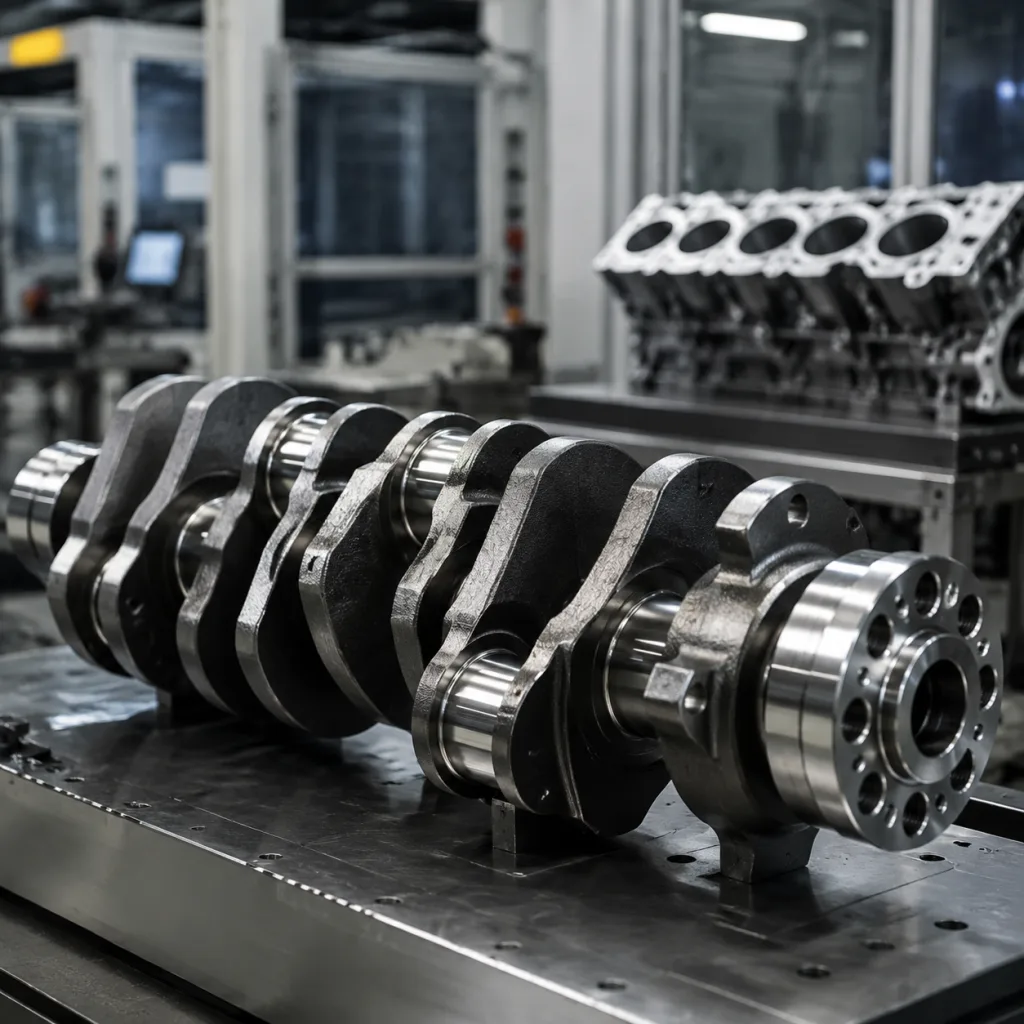
If the journal is only lightly marked, polishing may restore serviceability. If wear goes beyond the allowable undersize after machining, the crankshaft must be replaced. For sourcing teams, dimensional data matters more than brand preference at this stage. Accurate measurement reduces mis-ships, avoids rework, and keeps the repair scope realistic.
Repair path comparison: where the money goes
Different repair paths look similar at a glance, but the cost effect is not the same.
Bearing replacement only — Works when journals remain within tolerance and no contamination damage is found.
Crankshaft polish or grind — Used when surface scoring is present but the crankshaft can still be corrected to specification.
Full engine rebuild — Needed when multiple bearings, the oiling system, or the block show secondary damage.
Crankshaft replacement — Required when cracks, severe heat damage, or excessive out-of-round are present.
The scope should follow measured condition, not visible symptom. A low initial quote can become expensive if the engine is reassembled without confirming clearance and oil system cleanliness. Buyers supporting workshops or reman lines should ask for the inspection report, crankshaft measurement sheet, and bearing grade used in the rebuild.
Buyer checklist: parts data to request
When sourcing bearings, ask for dimensional and material data rather than a simple fitment statement. That matters on engines that use multiple bearing grades or selective sizing.
Main and rod bearing dimensions
Standard, undersize, or oversize designation
Shell material and coating type
Oil hole and locating tab position
Crankshaft journal finish requirement
Packaging traceability and batch number
Applicable standards such as IATF 16949:2016, ISO 9001:2015, and REACH (EC) No 1907/2006 where relevant
For OE cross-reference work, use the engine code and the OE part-number format supplied by the customer, for example OE 06A107065 where that reference is already known. Driventus supports our catalog, quality system, custom manufacturing, and request a quote for buyers who need documented fitment and batch control.
How repeat failures usually happen
Repeat bearing wear usually means the root cause was never corrected. The common failure pattern is simple: the first repair fixes the symptom, then the engine returns with the same oiling problem.
Flush oil galleries after a bearing failure.
Replace the oil filter and inspect the pickup screen.
Verify oil pump output and pressure relief operation.
Confirm crankshaft end play and thrust face condition.
Use the correct bearing grade and assembly lubricant.
Torque main caps and rod bolts to the published specification.
For aftermarket and remanufacturing buyers, repeat failures are expensive because they consume labour twice. A documented inspection record, a clean assembly process, and a correct dimensional match reduce claim risk. If the job spans multiple engine families, standardise on traceable parts tested to the same quality controls across batches.
Frequently asked questions
Yes, if the journals are within tolerance after inspection. Light damage may be corrected by polishing and bearing replacement. Severe scoring, heat damage, or cracks usually require crankshaft replacement.
Machine work, full teardown, cleaning, and secondary damage drive cost more than the bearing shells themselves. Oil pump and journal damage can turn a simple repair into a rebuild.
Request journal size, bearing grade, material and coating details, locating features, and traceability data. For OE cross-reference work, provide the known OE part number and engine code.
If you need verified fitment, measured dimensions, or batch-controlled supply, review the options in our catalog and send your requirements through /contact.html.