Crankshaft Audi OEM Supplier Sourcing Guide
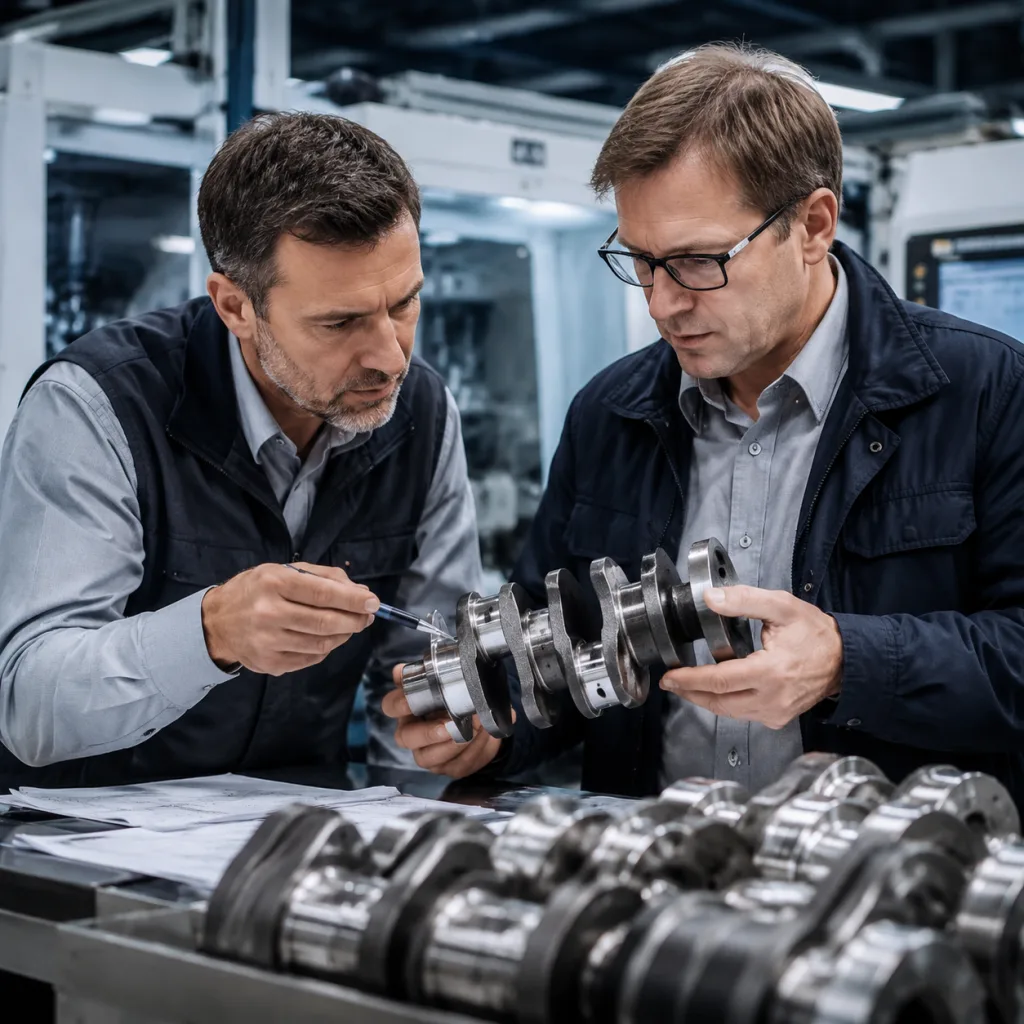
Choosing a crankshaft Audi OEM supplier is a technical sourcing decision, not a simple price comparison. Importers, distributors, and sourcing engineers need stable metallurgy, controlled machining, traceable inspection records, and export-ready packaging that protects precision surfaces during sea freight. For Audi-fitment engine programs, the main purchasing risks sit in journal geometry, surface hardness, oil-hole finishing, dynamic balance, material traceability, and accurate cross-reference management. Driventus manufactures crankshafts and related engine components in Taizhou, Zhejiang, supporting B2B buyers in Europe, the UK, North America, Australia, and Brazil. We supply aftermarket distributor programs, private-label projects, and OEM/Tier-1 style development where drawings, samples, validation requirements, and agreed specifications are available. Driventus is an independent aftermarket manufacturer; vehicle brand names are used only to identify fitment. This guide explains how procurement teams can evaluate an Audi-fitment crankshaft supplier, which documents to request, and which process controls should be checked before purchase orders are released.
Decision checklist before supplier nomination
A crankshaft is a safety- and durability-critical rotating component. For Audi-fitment applications, a catalogue match is only the starting point. The supplier should connect each commercial offer to a controlled manufacturing route, documented inspection plan, and formal change-control process.
Before nomination, confirm the part against these core checks:
- Fitment control: application list, engine-code mapping where supplied by the buyer, and OE part-number cross-references using generic formats such as OE 06A… when applicable.
- Material specification: forged steel, cast iron, or nodular iron grade matched to the agreed drawing, validated sample, or material analysis.
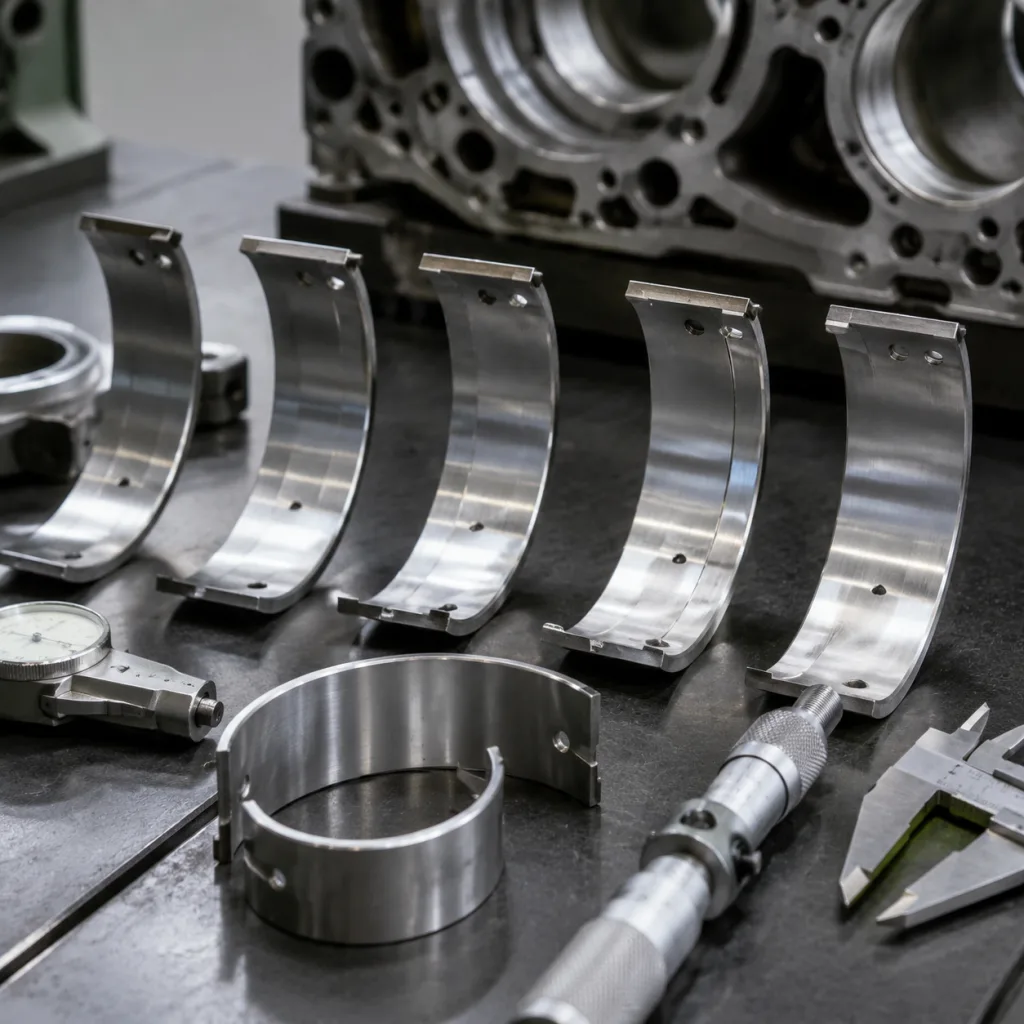
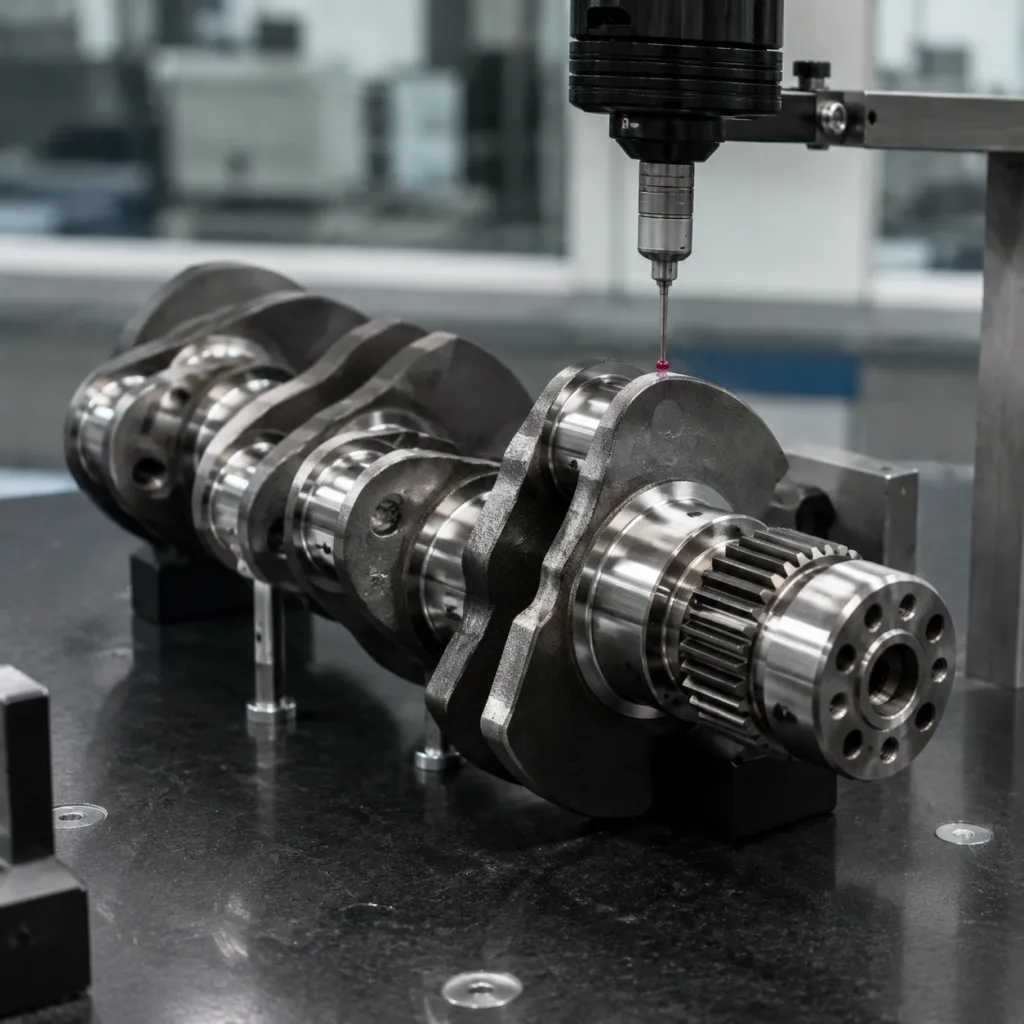
- Machining capability: control of main journals, rod journals, flange, keyway, oil holes, thrust faces, fillets, and sensor-related features where applicable.
- Heat treatment: induction hardening, nitriding, or other specified treatment, with hardness and effective depth verification.
- Balancing: documented dynamic balance process for the relevant crankshaft family and buyer-defined tolerance.
- Documentation: inspection report, material certificate, process flow, control plan, change record, and packaging specification.
If the answer to any of those items is vague, the risk usually shows up later as returns, noise, runout complaints, or installation delays. Buyers should also confirm whether the factory can support mixed-model orders without weakening traceability. This matters for distributors carrying European engine lines, where one shipment may include crankshafts, pistons, gaskets, water pumps, and turbocharger components. Driventus lists core engine categories in our catalog, including crankshaft families under engine components.
What factory evidence actually de-risks the purchase
A credible crankshaft supplier for Audi-fitment programs should operate under a quality management system that traces the part from raw material receipt to final packing. Driventus manufactures engine and powertrain components under IATF 16949:2016 and ISO 9001:2015 systems. Buyers can review our quality system during supplier qualification, remote audit preparation, or annual vendor review.
For larger programs, procurement teams usually request a document package before approval. The table below shows common documents and how they support sourcing decisions.
| Document or control | Procurement value | Typical timing | |
|---|---|---|---|
| IATF 16949:2016 certificate | Confirms automotive QMS framework | Supplier onboarding | |
| ISO 9001:2015 certificate | Confirms general quality management controls | Supplier onboarding | |
| Process flow diagram | Shows forging/casting, machining, heat treatment, inspection, packing | Before sample order | |
| Control plan | Defines inspection points, frequency, equipment, and reaction methods | Before PPAP or batch supply | |
| Material certificate | Confirms steel or iron grade, chemical composition, and heat data | With samples and production lots | |
| Dimensional report | Verifies journals, runout, thrust width, flange, oil holes, and key features | With each approved sample lot | |
| Balance report | Confirms rotational balance to the agreed specification | For selected crankshaft models | |
| Packaging drawing or photo record | Reduces transit damage, corrosion, and mixed-part risk | Before mass shipment |
| Sourcing model | Suitable buyer | MOQ guidance | Typical lead time after deposit and specification freeze |
|---|---|---|---|
| Existing catalog item | Distributor or wholesaler | Lower, depending on model mix | 30–45 days for common stocked or repeat items |
| Private-label aftermarket program | Regional importer or chain distributor | Medium, by packaging and forecast | 45–60 days after artwork and packing approval |
| Drawing-to-sample development | OEM, Tier-1, or technical importer | Project-based | 60–90 days, excluding extended validation |
| Custom material or process route | Engineering-led buyer | Project-based | Confirmed after feasibility review |