Connecting Rod Ford Wholesale: Sourcing and Specification
Buyers sourcing a connecting rod Ford wholesale programme need more than a part number match. They need dimensional consistency, traceable materials, repeatable heat treatment, and a supplier that can support audit, packaging, and replenishment schedules. For engine rebuilders, distributors, and procurement teams, the main risks are wrong big-end geometry, incorrect centre-to-centre length, poor surface finish on the rod bearing bore, and batch variation in hardness. Driventus manufactures engine and powertrain components in Taizhou, Zhejiang, with export supply to 60+ countries and certification to IATF 16949:2016 and ISO 9001:2015. Driventus is an independent aftermarket manufacturer; brand names are referenced for fitment only. This article explains what to verify when you source Ford connecting rods in volume, how to compare new parts against OE requirements, and which documents should be in the buying file before you place a repeat order.
What procurement teams should check first
For wholesale purchase, the first question is not price; it is fitment control. Ford engine families use different rod lengths, journal diameters, beam profiles, and fastener formats across displacement and model year. A supplier should confirm the application by OE reference, engine code, and measured dimensions before quotation.
Minimum data to request from the supplier:
Centre-to-centre length
Big-end bore diameter and roundness
Small-end bore size, bush material, and finish
Rod bolt specification and torque procedure
Weight matching range, if the application requires balance control
Material grade and heat-treatment route
Surface treatment, shot peening, or machining state
Packaging quantity, carton dimensions, and labelling format
For buyers using OE cross-reference files, a generic reference such as OE 06A107065 should be confirmed against the exact engine application before order release. Do not rely on a part number alone when you are consolidating multiple Ford platforms.
Wholesale supply requirements for distributors and rebuilders
Wholesale buyers normally judge suppliers on repeatability, lead-time, and documentation. A stable connecting rod programme should support mixed-SKU cartons, barcode labels, batch traceability, and clear minimum order quantity terms.
Buying factor
What to verify
Why it matters
MOQ
Per part number and per mixed shipment
Affects inventory risk and cash flow
Lead time
Production and packing lead time, not only transit
Supports replenishment planning
Traceability
Heat number, batch code, inspection record
Helps manage claims and audit trails
Carton spec
Inner pack count, outer carton size, drop protection
Reduces freight damage
Dimensional control
Measured bore, length, and mass data
Prevents rebuild failure
Compliance file
Material declaration and test reports
Supports import and quality review
</tr></thead><tbody> </tbody></table>Driventus supplies aftermarket buyers with export-ready packing, controlled batch identification, and production records aligned to IATF 16949:2016 and ISO 9001:2015. For buyers comparing supply routes, this matters as much as unit price.
Materials, machining, and validation testing
A connecting rod is a loaded structural component. The purchasing file should state the material route and the final inspection method. Forged steel, powdered metal, and sintered variants all have different cost and performance profiles, but each must meet the same dimensional and durability target for the intended engine.
Typical validation points
Magnetic particle or equivalent crack inspection for forged parts
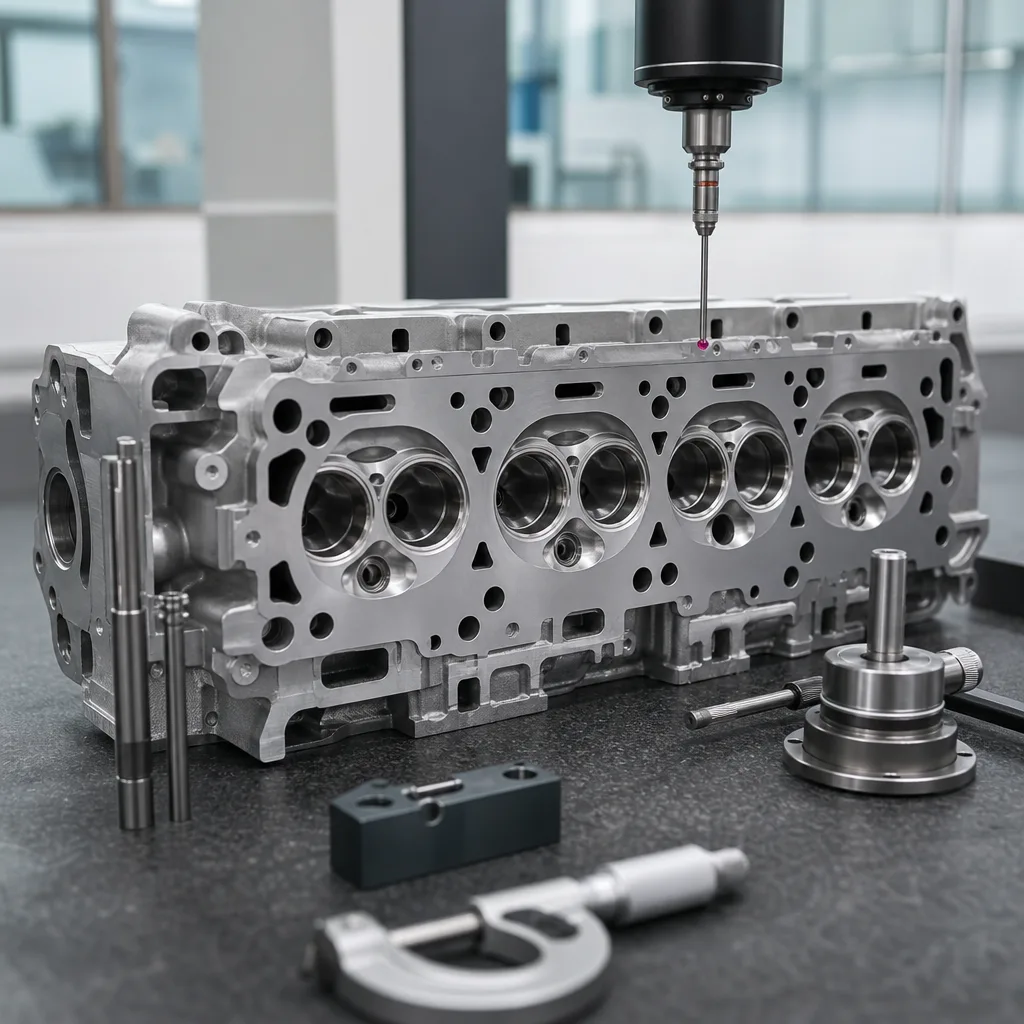
Big-end and small-end bore measurement after final machining
Rod bolt torque-angle verification where specified
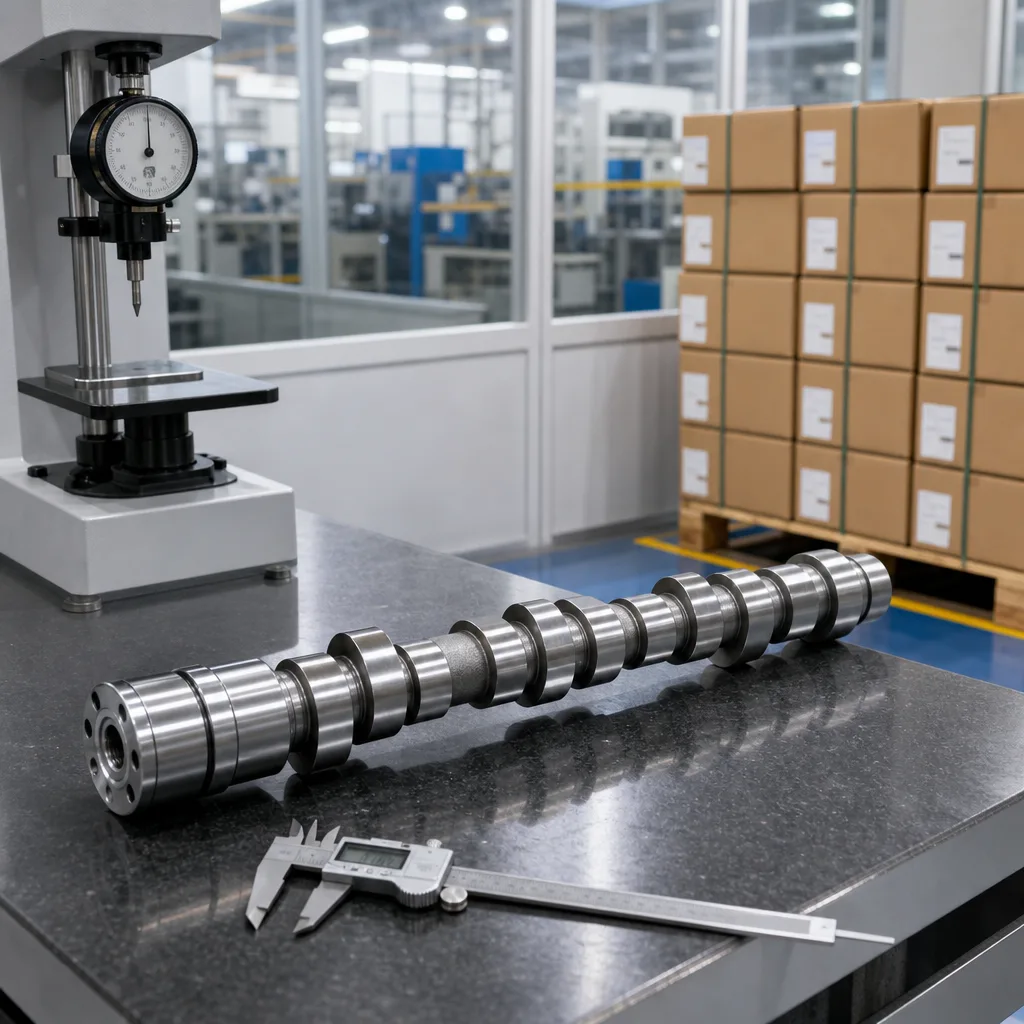
Hardness check after heat treatment
Surface roughness control on bearing seats
Sample fitment check with piston pin and crank journal interfaces
For export markets, buyers often ask for documentation aligned to REACH (EC) No 1907/2006 for material compliance declarations and for internal durability data. Where the application requires emissions-relevant validation, buyers may also reference ECE R-83 and SAE J2527 in their broader programme documentation, though those standards are not rod-specific. The objective is to show the part fits the build standard and remains stable in service.
How custom manufacturing supports OE-equivalent supply
Not every Ford engine family is best served by a single off-the-shelf item. For older platforms, regional variants, or rebuild programmes with higher-than-standard warranty expectations, custom manufacturing can reduce mismatch risk.
Driventus supports custom manufacturing for buyers who need:
A verified dimensional match to a target OE sample
A revised rod bolt specification
Mass matching for balanced engine sets
Surface or coating changes for corrosion control
Private-label packaging for distributor channels
Use custom work when your catalogue shows multiple engine codes under one visual listing, when an OE sample is unavailable, or when you need a controlled revision to support a long-life remanufacturing programme. The engineering process should include drawing approval, first article inspection, and sample sign-off before bulk production. See custom manufacturing for the typical workflow.
How to compare suppliers before placing a purchase order
A wholesale sourcing decision should be based on documented capability, not sales claims. Ask each supplier for a sample pack and compare the parts using the same inspection method.
Suggested comparison checklist:
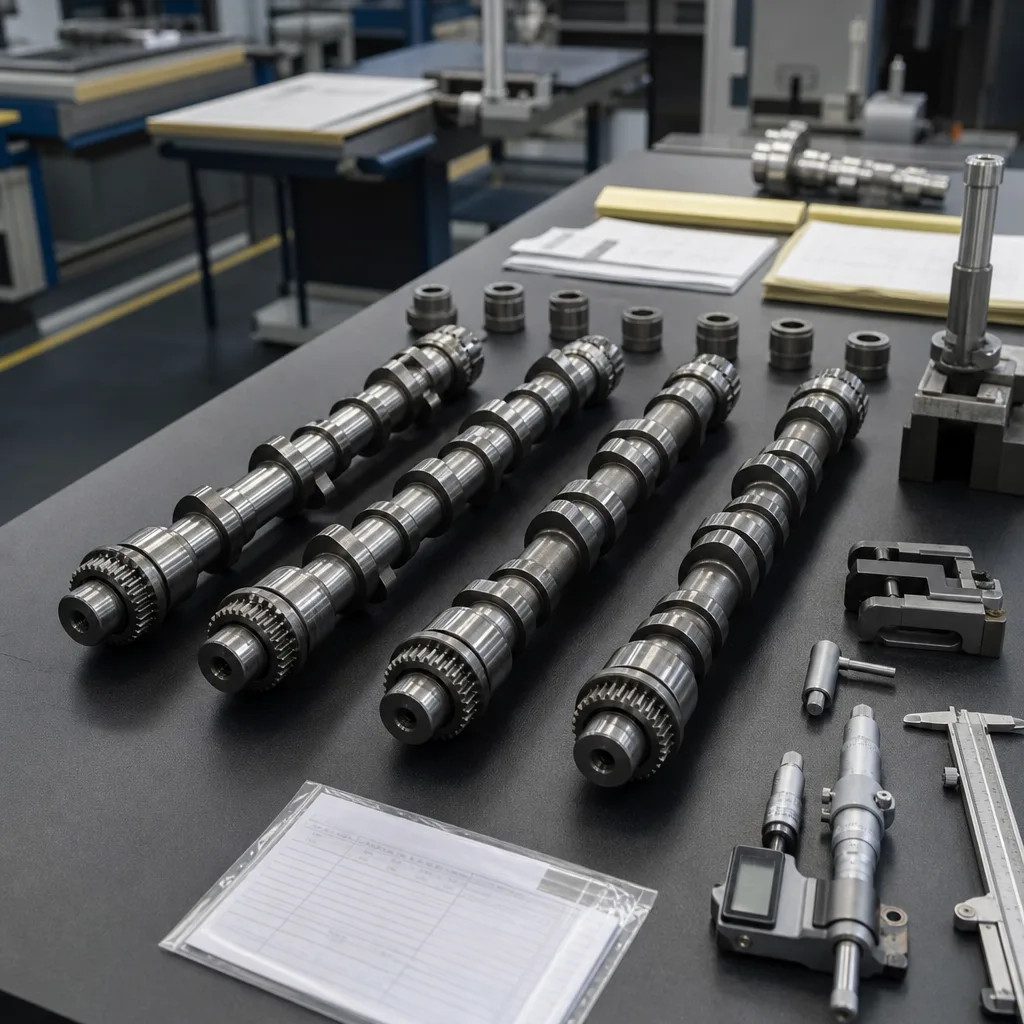
1. Measure centre-to-centre length to the same datum point on every sample. 2. Check big-end bore size at multiple clock positions. 3. Confirm small-end bush alignment and pin fit. 4. Inspect rod bolt grade, head style, and torque recommendation. 5. Compare mass spread across a full set. 6. Review packaging for abrasion protection and corrosion prevention.
For programme buyers, the supplier should also have an auditable quality system, stable production records, and clear corrective-action handling. Driventus operates as a vertical manufacturer, which helps control machining, heat treatment, and final inspection across the production flow. That structure is useful when the goal is low variation across repeat orders.
Where to source and how to start a quotation
If you are building a new aftermarket range or replacing an underperforming source, start with your target engine list, annual volume, and required delivery window. Then match each item to a measured sample, an OE cross-reference, or an existing catalogue record.
You can review our catalog and the broader engine range at engine components before submitting your enquiry. For buyers who need a controlled supply plan, Driventus can quote by part number, by application, or by sample drawing.
When preparing a request, include:
Engine code or OE reference
Annual forecast and first order quantity
Required packaging format
Target country of import
Validation or sample requirements
Any labelling or private-brand needs
This helps reduce quotation rework and shortens approval time before production release.
Frequently asked questions
Yes, but the source data should still include engine code, OE reference, or a verified sample. A visual match is not enough for dimensional parts.
At minimum, ask for IATF 16949:2016 and ISO 9001:2015 certificates, plus product-level inspection records and material declarations for the batch.
Yes. Custom manufacturing can cover drawing confirmation, sample approval, and private-label packing for distributor or remanufacturing programmes.
If you are sourcing Ford connecting rods for distribution, rebuild, or private-label supply, send your engine list and volume forecast. Request a quote at /contact.html.