Connecting Rod for GMC Yukon Aftermarket Replacement Guide
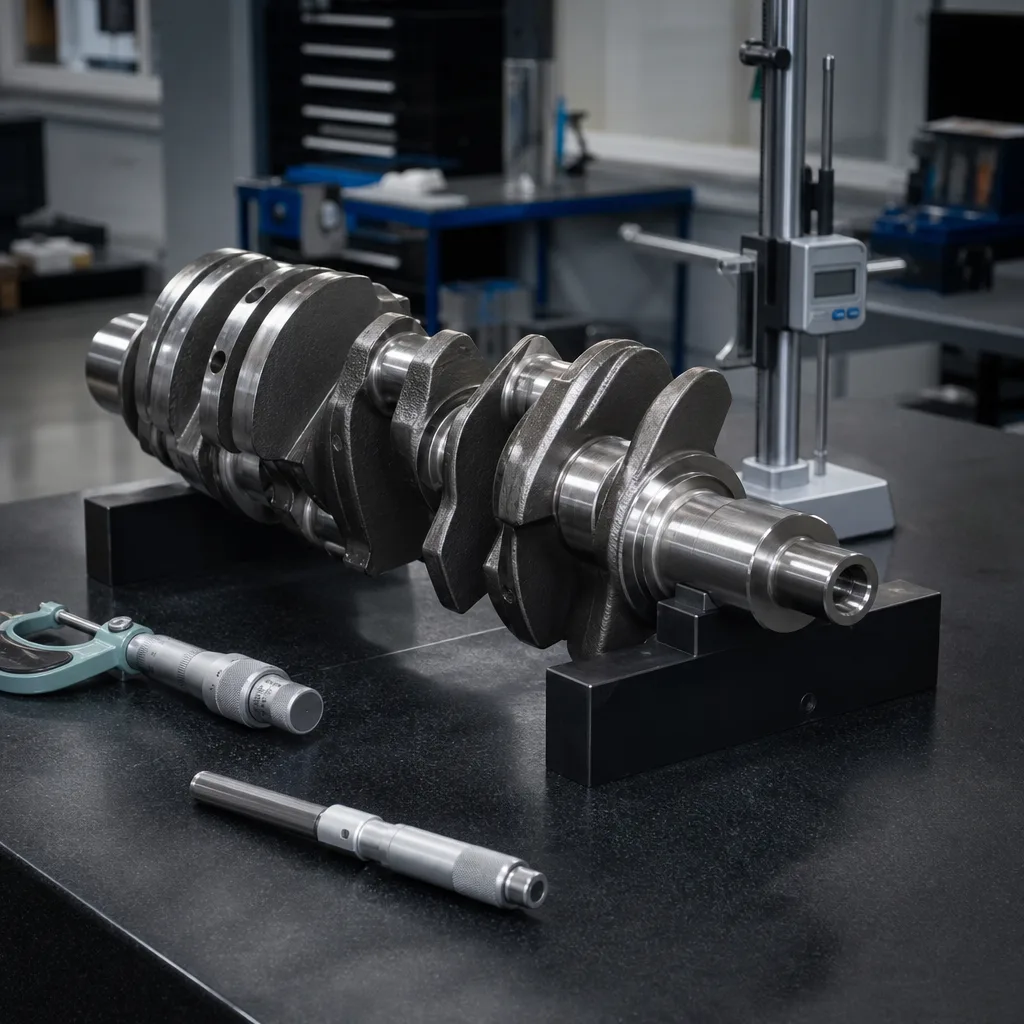
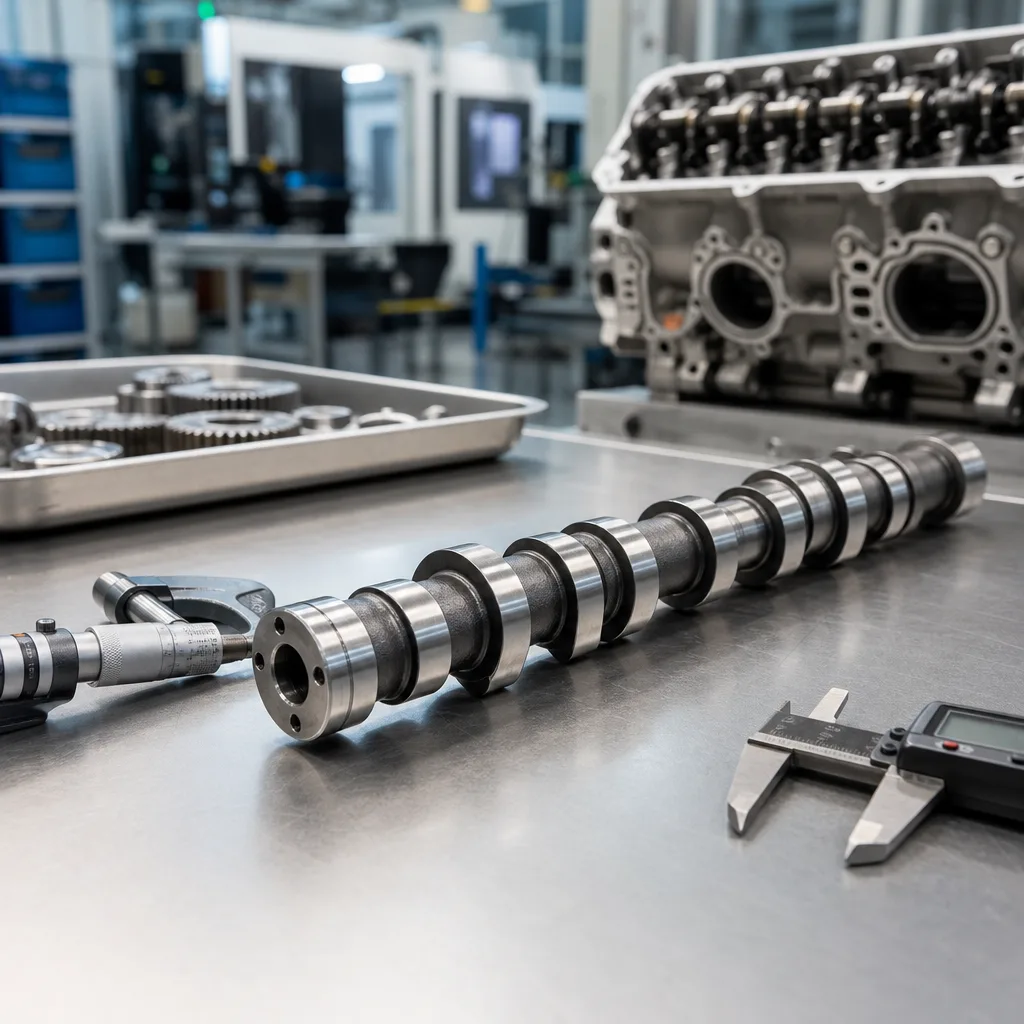
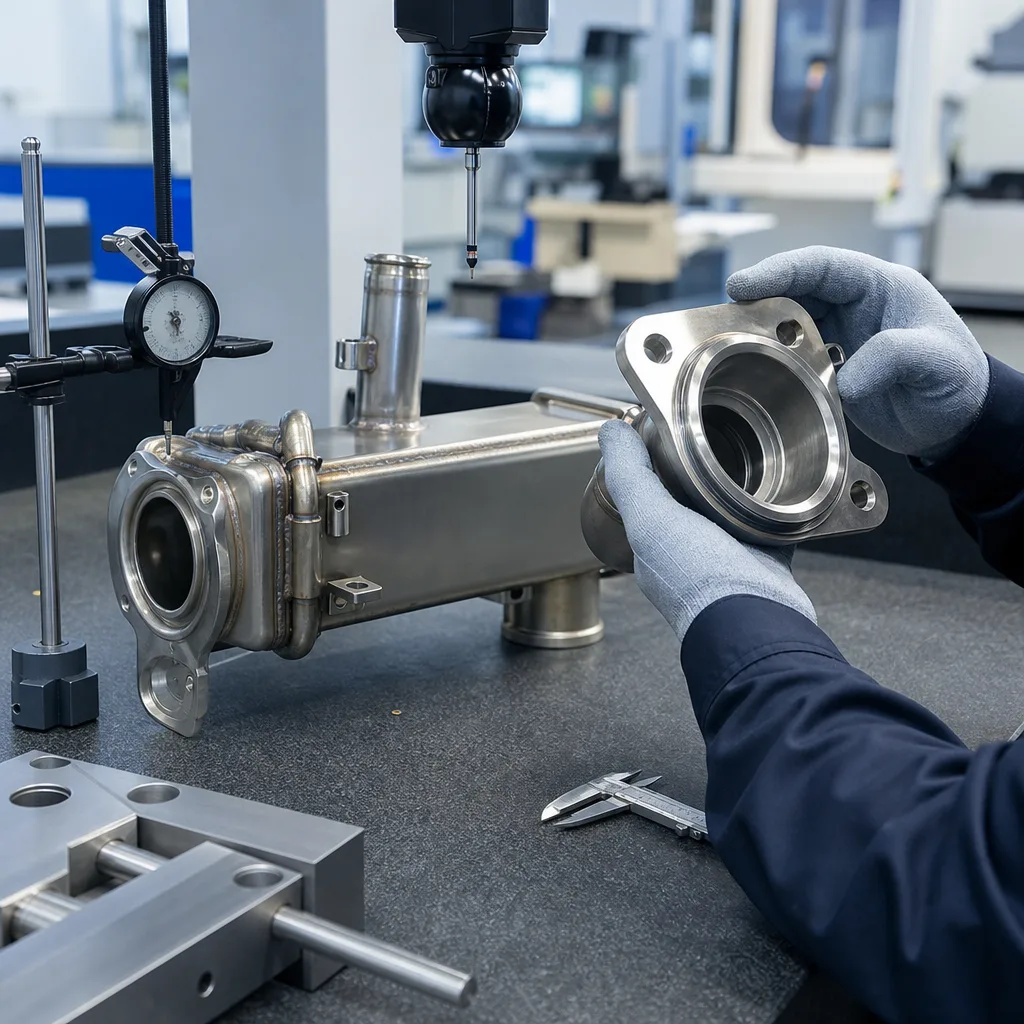
A connecting rod for GMC Yukon aftermarket replacement has to match more than the visible shape. Procurement teams need dimensional compatibility, correct material specification, controlled weight, and documented validation before approving a part for service use. That matters because Yukon applications span different engine families and duty cycles, so a blanket interchange claim is not enough for a reliable buy. Driventus is an independent aftermarket manufacturer; brand names are referenced for fitment only. For buyers, the practical test is simple: does the rod match OE fitment requirements, pass metallurgical and dimensional checks, and align with the engine rebuild target, whether that is fleet repair, wholesale supply, or workshop distribution? The sections below focus on the checks that reduce return rates, warranty disputes, and installation delays.
What OE-equivalent replacement means
An aftermarket rod should be evaluated on fitment, strength, and repeatability, not on appearance alone. For a Yukon application, OE-equivalent usually means the part matches the original rod geometry and load path within controlled tolerances.
Key points to verify:
- Center-to-center length
- Big-end bore and width
- Small-end bore and pin fit
- Beam profile and clearances
- Rod bolt specification and stretch control
- Mass matching across the set
A supplier should be able to document inspection records, material traceability, and batch consistency. For commercial buyers, this is where certification matters. Production under IATF 16949:2016 and ISO 9001:2015 does not replace application testing, but it does show process control. When the application requires compliance support, ask for material declarations aligned with REACH (EC) No 1907/2006 and durability data from relevant test methods such as SAE J2527 where applicable to adjacent components and validation programs.
Fitment checks for GMC Yukon applications
The Yukon nameplate covers multiple displacements and model years, so the correct replacement depends on the engine code, not only the vehicle model. A buyer should confirm the engine family, rod length, journal size, and bolt style before release.
Use this checklist during sourcing and incoming inspection:
1. Confirm engine variant from VIN, build sheet, or teardown sample. 2. Compare the rod against the OE sample for length, bore sizes, and cap alignment. 3. Check piston pin interface and wrist pin width. 4. Verify bolt grade, thread form, and tightening method. 5. Confirm the complete set is weight-matched for balanced assembly.
For distributors and repair chains, the safest process is to cross-reference the application against our catalog and engine component range before committing stock. If the requirement is a special material, coating, or packaging spec, custom manufacturing is the right path rather than forcing a near-match into inventory.
Materials and manufacturing choices
Material selection affects fatigue life, machinability, and cost. For replacement supply, the objective is usually OE-like durability with stable dimensional control.
| Option | Typical use case | Strength profile | Buyer note |
|---|---|---|---|
| Powder forged steel | High-volume OE-style replacement | High | Good balance of cost and durability |
| Forged steel | Heavy-duty or upgraded rebuilds | Very high | Better margin for abuse, usually higher cost |
| Reconditioned OE core | Repair-only channels | Variable | Requires strict inspection and traceability |
| Cast steel | Lower-load applications | Moderate | Less common for demanding V8 service |