clutch kit · 2026-06-07

Clutch Kit Jeep OEM Supplier: Sourcing Guide

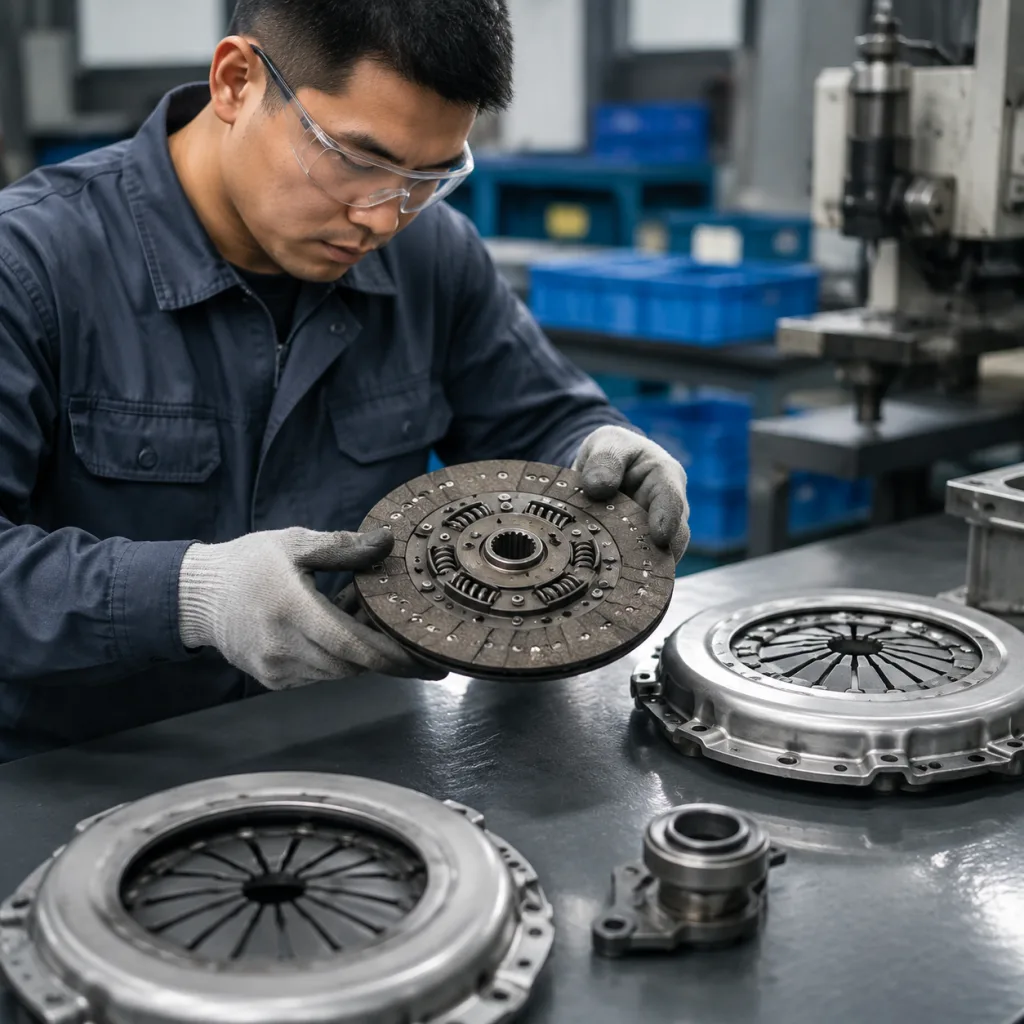
Procurement teams looking for a clutch kit Jeep OEM supplier need more than a catalogue match. A reliable programme depends on controlled dimensions, stable lead times, documented validation, and a factory that can repeat the same specification across batches and markets. For Jeep manual transmission applications, the clutch assembly must match OE installation geometry, torque demand, release travel, and heat durability. Buyers should verify cover clamp load, friction material, disc spline count, hub damping, release system compatibility, corrosion protection, and export-ready packaging before approval. Driventus is an independent aftermarket manufacturer; brand names are referenced for fitment identification only. We supply distributors, repair chains, and OEM / Tier-1 buyers under IATF 16949:2016 and ISO 9001:2015 quality systems, with export documentation support for the EU, UK, US, Canada, Australia, and Brazil. If you are building a sourcing shortlist, prioritise test evidence, auditability, and the supplier’s ability to hold specification from sample approval through repeat production.

What buyers should verify before qualifying a supplier

For Jeep clutch programmes, the first screen should not be price alone. Fitment control, process discipline, and repeatability determine whether a part performs consistently after it enters the field.

Key checks:

  • OE reference match by application, transmission family, model year range, and engine code
  • Disc outer diameter, spline count, hub offset, pilot fit, and damping spring layout
  • Pressure plate clamp load, diaphragm finger height, and release travel window
  • Friction material grade, coefficient stability, wear rate, and thermal fade resistance
  • Static balance control for cover and disc assemblies
  • Release bearing compatibility with the fork, guide tube, or hydraulic release system
  • Packaging method for corrosion prevention, part separation, and transit damage control

A qualified supplier should be able to provide dimensional inspection records, incoming material traceability, batch identification, and clear change-control procedures. For export contracts, ask whether production is managed under IATF 16949:2016 and ISO 9001:2015, and whether the supplier can issue REACH (EC) No 1907/2006 substance declarations where required by the destination market.

When comparing vendors, work from drawings, samples, and measured data rather than catalogue descriptions alone. A small variation in hub protrusion, spline profile, finger height, or pilot diameter can cause release noise, clutch drag, hard shifting, chatter, or premature wear. This is why supplier qualification should include both technical review and physical sample validation before a purchase order is released.

Typical clutch kit build specification

</tr></thead><tbody> </tbody></table>For Jeep programmes, the supplier should confirm whether the kit is supplied as a complete matched set or as partial replacement items. Many B2B buyers specify the disc, cover, release bearing, and alignment tool together to improve workshop efficiency and reduce installation variation. If a buyer’s internal catalogue uses OE 06A… or similar cross-reference formats, those references should be kept strictly for fitment identification and should not be presented as vehicle manufacturer endorsement.

A complete technical file should also include:

  • Steel grade or stamping material for the cover and pressure plate
  • Diaphragm spring material and heat-treatment control
  • Rivet pull-out resistance and lining attachment method
  • Hub spring fatigue data and damper design information
  • Runout and balance tolerances for rotating components
  • Surface finish and anti-corrosion treatment for exposed metal parts
  • Gross weight, net weight, carton size, and pallet quantity for logistics planning

For high-volume or private-label supply, buyers should also request a control plan or inspection checklist for the approved configuration. This helps ensure that the validated sample remains the production standard for future orders.

Lead time, MOQ, and export packaging

For procurement teams, supply continuity matters as much as the quoted unit cost. A clutch kit programme can fail if the factory cannot maintain component availability, packaging accuracy, and batch traceability across several part numbers.

What to ask early:

1. MOQ by SKU, by kit configuration, and by carton design 2. Standard lead time for repeat orders and first production runs 3. Sample lead time for fitment checks, road testing, or bench validation 4. Packaging dimensions, gross weight, and pallet loading plan 5. Label format for warehouse scanning, customs records, and distributor systems 6. Batch coding method for warranty tracking and internal quality review

Driventus supports B2B buyers with export packing designed for sea and air freight. A practical export pack should protect machined surfaces, separate heavy components, resist moisture during transit, and remain easy for warehouse teams to identify. For high-mix programmes, ask whether the supplier can consolidate multiple references into one shipment without mixing internal batch codes. That separation is important when investigating claims, measuring field performance, or isolating a production date range.

If your purchasing plan includes seasonal demand peaks, confirm buffer stock policy, forecast requirements, and whether long-term supply agreements are available. The real cost of a clutch kit is not only the purchase price; downtime, rework, low fill rates, freight urgency, and warranty handling can have a larger impact on the total sourcing result.

Validation testing and compliance expectations

A serious sourcing decision should be based on evidence rather than sales claims. Ask which tests are routine in serial production and which tests are available only for specific projects or customer approval plans.

Common validation items:

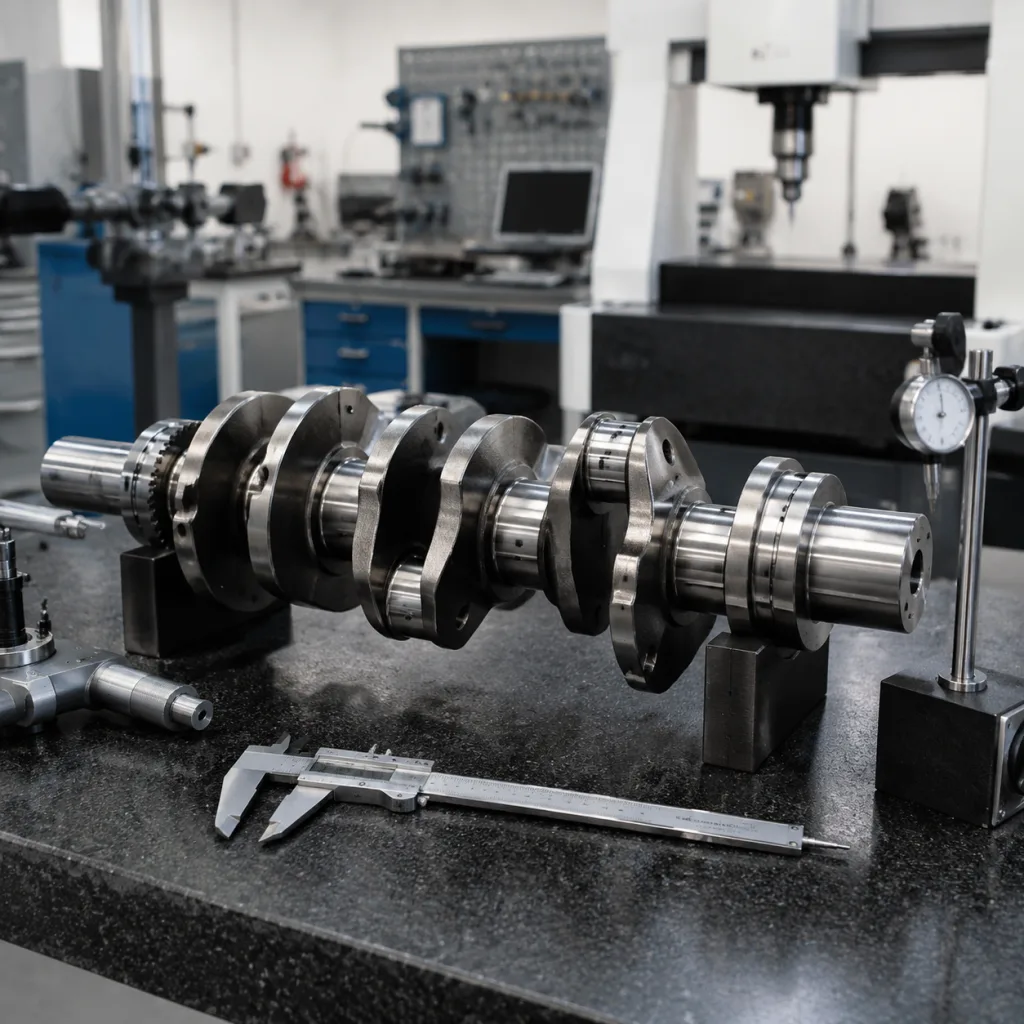
  • Dimensional inspection with calibrated gauges and defined sampling rules
  • Static balance verification for rotating assemblies
  • Clamp load, lift, or diaphragm spring testing
  • Disc runout and spline fit checks
  • Noise, vibration, and harshness evaluation where required by the buyer
  • Thermal durability, fade, and recovery testing
  • Corrosion resistance checks for exposed metal parts and packaging protection
  • Fitment trial on representative transmission and release system components

Published standards and compliance systems may apply depending on the buyer’s market, programme scope, and internal quality requirements:

  • IATF 16949:2016 for automotive quality management in production environments
  • ISO 9001:2015 for quality management system control
  • REACH (EC) No 1907/2006 for EU substance communication and declarations
  • SAE J2527 where an environmental durability screening method is specified by the customer
  • Customer-specific test plans for release load, torque capacity, engagement quality, and service-life evaluation

ECE R-83 relates to vehicle emissions requirements rather than stand-alone clutch kit approval, but it may appear in broader vehicle or driveline compliance packages requested by some customers. Buyers should confirm which obligations apply to the part, the destination market, and the intended distribution channel.

Driventus is an independent aftermarket manufacturer; brand names are referenced for fitment only. We do not claim vehicle manufacturer approval, sponsorship, or endorsement. Buyers should rely on their own validation plan, approved sample sign-off, fitment audit, and market-specific compliance review before releasing a clutch kit to production or aftermarket distribution.

Why factory auditability affects long-term supply

A factory audit should answer practical questions that cannot be solved by a sample alone:

  • Can the plant trace raw material to the finished clutch kit by batch?
  • Are inspection records retained, searchable, and linked to production dates?
  • Is tool and die maintenance documented?
  • Are gauges calibrated on schedule and identified at the workstation?
  • Are nonconforming parts segregated, labelled, and controlled?
  • Can the supplier support corrective action with data rather than assumptions?

These controls matter because clutch performance is sensitive to variation in friction material, diaphragm spring force, rivet quality, surface flatness, and assembly concentricity. Even when an initial sample passes, uncontrolled process drift can later appear as chatter, slip, clutch drag, release noise, or inconsistent pedal feel.

For buyers building approved supplier lists, stronger vendors are usually able to show:

  • Production flow documentation and process control points
  • Gauge calibration records and inspection work instructions
  • Incoming, in-process, and final inspection reports
  • Material traceability and batch coding procedures
  • Packaging and labelling standards for export orders
  • Corrective action history and follow-up effectiveness checks

Auditability also improves communication when a market issue occurs. If a distributor reports noise, premature wear, or installation difficulty, batch data helps the supplier and buyer narrow the investigation quickly. If you need private label packaging, mixed part-number consolidation, or application-specific engineering support, see our custom manufacturing page for project scope options.

How Driventus supports procurement teams

Driventus supports clutch kit sourcing for distributors, repair chains, and OEM / Tier-1 programmes from Taizhou, Zhejiang. Our role is to help buyers move from application requirements to a controlled supply plan, including fitment confirmation, sample review, documentation, and export coordination.

Buyers can review our catalog for current coverage, or expand related driveline and engine line items through engine components where cross-sell planning is needed.

Typical support items include:

  • Application matching by vehicle family, transmission type, and target market
  • Technical cross-reference review based on buyer-provided references or drawings
  • Sample supply for fitment checks, durability tests, and buyer approval processes
  • Documentation for quality, compliance, and export files
  • Carton, label, and pallet configuration for freight planning
  • Private label and mixed-SKU shipment support where project volume allows
  • Ongoing communication for repeat order scheduling and forecast review

If you already have a target list and need pricing, availability, or a technical cross-reference check, use request a quote. We can review drawings, OE 06A…-style internal references where provided by your team, expected order quantities, packaging requirements, and target market conditions before confirming the recommended production path.

Frequently asked questions

Ask for dimensional data, material details, test records, MOQ, lead time, packaging specifications, and batch traceability. For export programmes, also request quality certificates and any required compliance declarations.

Yes, depending on the application and volume. We support private label packaging, application matching, sample review, and export documentation. Submit your target references through /contact.html.

No. Driventus is an independent aftermarket manufacturer; brand names are referenced for fitment identification only. Buyers should confirm compatibility and complete their own validation.

If you need a technical review, sample quotation, or sourcing support for a Jeep clutch programme, please [request a quote](/contact.html).

Request a Quote
Item Typical control point Why it matters
Cover assemblyClamp load, finger height, runoutPedal feel, disengagement, and engagement consistency
Driven plateOD, spline count, hub offsetTransmission fitment and torque transfer
Friction liningMaterial formulation, thickness, wear rateService life, heat resistance, and smooth take-up
Release bearingNoise, axial load rating, running clearanceSmooth disengagement and lower warranty risk
Alignment toolTransmission-specific geometryFaster installation and reduced repeat work