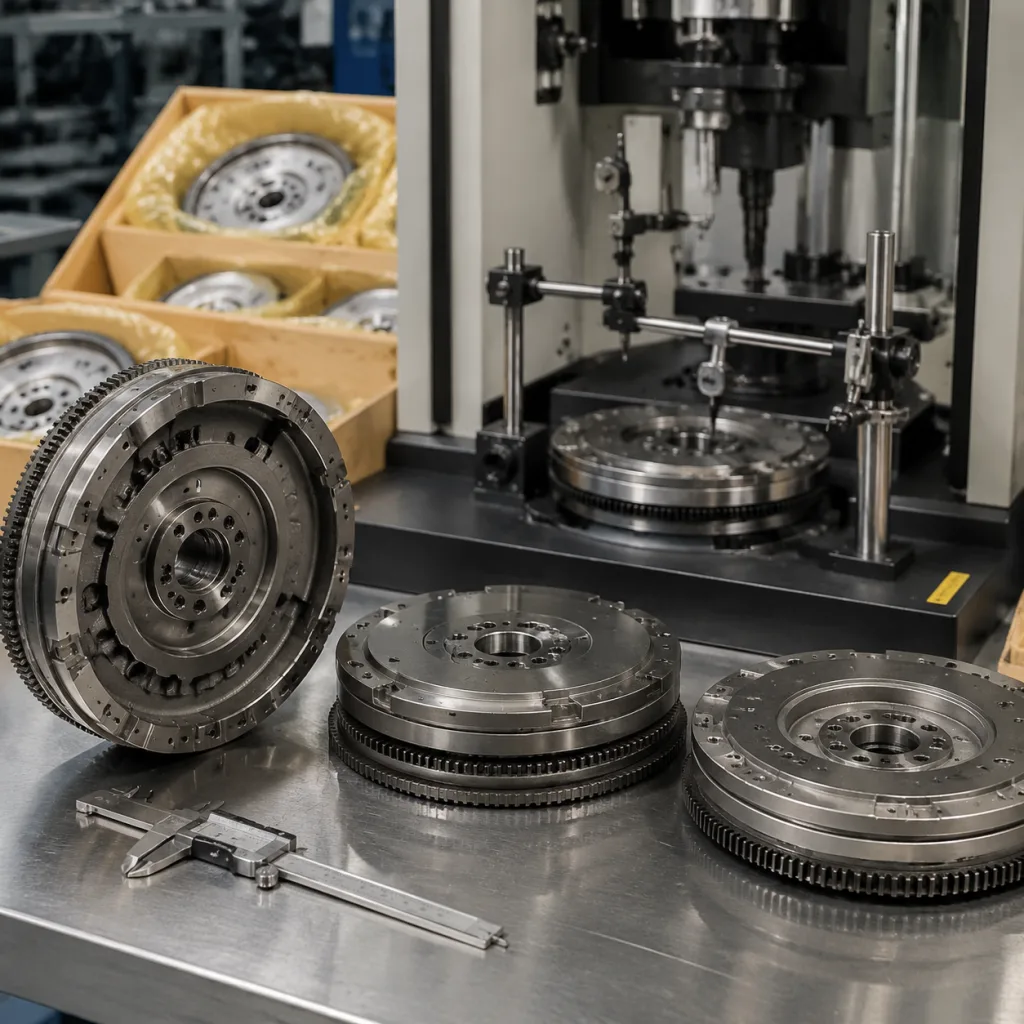
A clutch kit Isuzu OE equivalent program fails or succeeds on details that are easy to miss in a catalogue: spline engagement, release height, hub offset, clamp load, damper travel, and the packaging that must survive 35–55 days of ocean freight plus inland handling. For importers, wholesalers, and repair-chain category managers, the problem is not only whether the kit bolts on. It is whether every repeat batch installs without rework, releases cleanly, feels consistent at the pedal, and can be defended when a warranty claim appears.
Driventus supplies independent aftermarket clutch kits for Isuzu pickup, light commercial, diesel utility, SUV, and chassis applications. This guide sets out a practical sourcing framework: what to approve, where programs usually fail, which dimensions deserve CTQ status, how to control cross-references, and how MOQ, price, lead time, packaging, and documentation should be handled for buyers in the EU, UK, US, Canada, Australia, Brazil, and other export markets. Driventus is an independent aftermarket manufacturer; brand names are referenced only for fitment identification.
Decision point: what counts as an OE-equivalent Isuzu clutch kit?
OE-equivalence is not a logo claim. It is a controlled match to the original installation envelope and functional behaviour of the clutch system. A clutch kit Isuzu OE equivalent offer should not imply vehicle manufacturer approval, endorsement, or genuine-part status. It should demonstrate that the replacement kit interchanges without modification to the flywheel, input shaft, clutch fork, release bearing guide tube, hydraulic actuation system, or bellhousing surroundings.
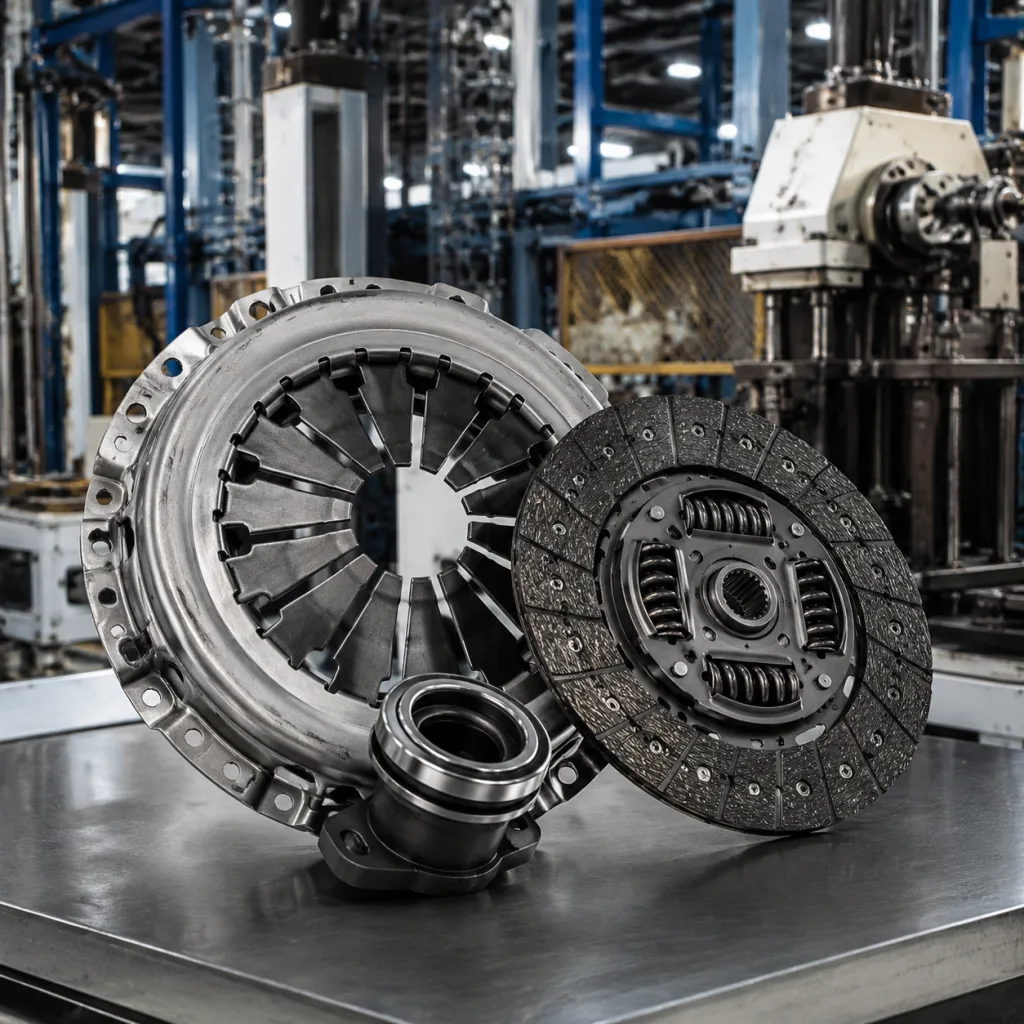
A complete kit usually includes the clutch cover assembly, driven plate, release bearing or concentric slave cylinder where applicable, and an alignment tool or accessory hardware when the application requires it. Common light-commercial replacement ranges include 225 mm, 240 mm, 250 mm, 260 mm, and 275 mm driven plates. The disc diameter is only the start. Spline count, major diameter, minor diameter, pressure angle, effective engagement length, hub offset, facing grade, and damper profile all need confirmation.
A buyer should approve an Isuzu replacement kit only when the file answers these questions:
Which vehicle range is covered: pickup, light truck, SUV, commercial chassis, or mixed application?
Which engine family, displacement, and turbo-diesel variant is included?
Which transmission and input shaft spline format is confirmed, such as 24T or 26T where verified?
What are the disc outer diameter, hub offset, facing thickness, and torsional damper layout?
Does the cover use the correct bolt pattern, dowel location, PCD, and push or pull configuration?
What are the release bearing inner diameter, outer diameter, total height, and contact face profile?
Does the application use a stepped flywheel, and if so, what is the step or recess depth?
Which OE-style reference format is being used for identification, for example OE 8-970… or OE 5-873…?
Visually similar Isuzu applications can use different release systems or damper configurations. That is why Driventus treats OE-equivalence as an engineering and production-control question, not a catalogue-photo match. Before repeat production, the preferred approval route is sampling, validation evidence, agreed drawings, inspection limits, and retained golden samples.
Failure modes to eliminate before the first shipment
Most clutch-kit problems are not dramatic at the inspection bench. They show up later as hard gear engagement, incomplete release, judder, bearing noise, early facing wear, or workshop claims that are difficult to reproduce. The way to reduce those claims is to inspect production-intent samples, not only drawings or legacy cross-references.
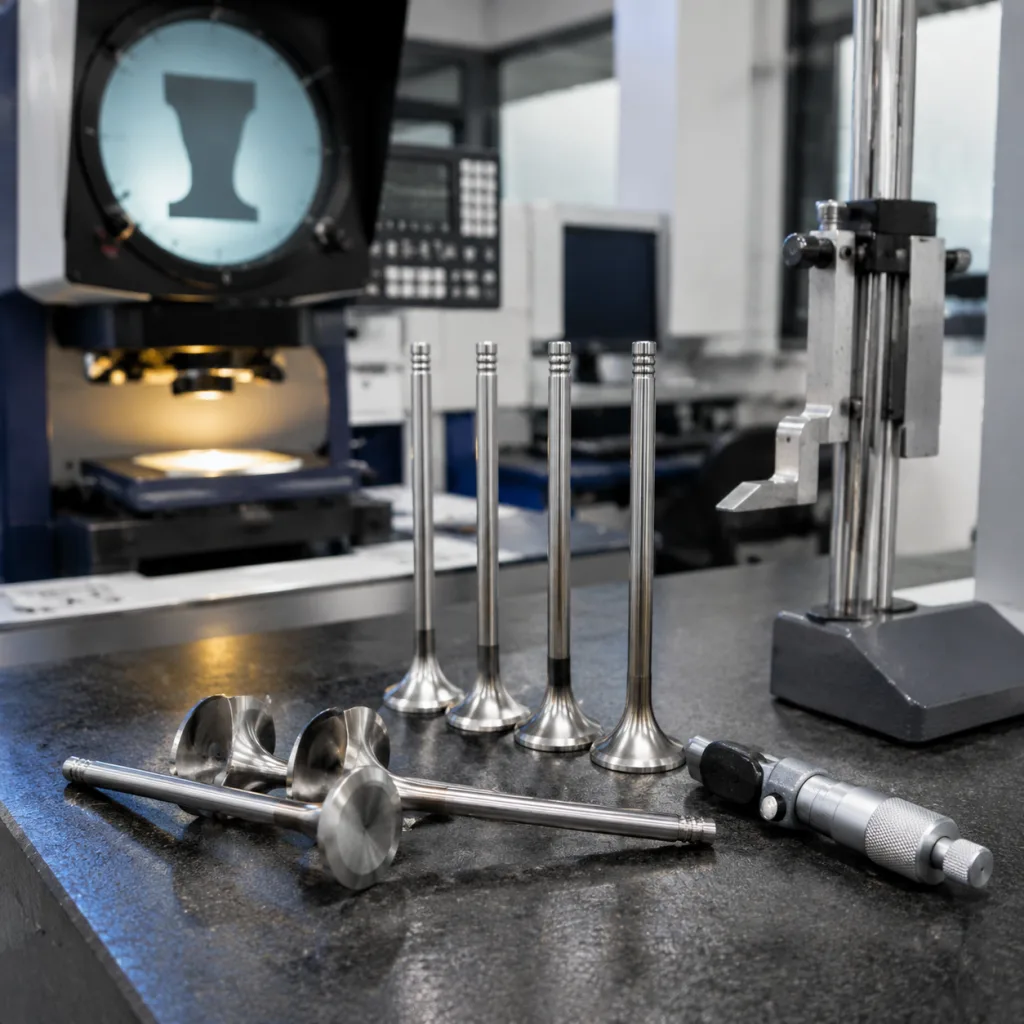
For procurement approval, request three to five measured kits per part number. The report should show the inspection equipment used, drawing revision, inspector signature, batch identification, and photos of the stack-height fixture. If the supplier cannot show how release height, disc offset, spline geometry, and mounting geometry were measured, the program is not ready for distribution.
Failure risk
Buyer control target
Typical verification method
Disc rubs, drags, or mismatches the cover
Nominal OD with ±0.30–0.50 mm tolerance by size
Vernier, CMM, or fixture inspection against drawing
Input shaft bind or excessive backlash
Go/no-go fit with no bind across full engagement length
Spline plug gauge and mating shaft fit check
Release point changes after installation
Total disc thickness usually within ±0.20 mm against approved sample
Micrometer check at multiple facing positions
Hub contacts flywheel bolts or cover
Hub offset and damper clearance typically ±0.30 mm; no interference
Height gauge and assembly fixture check
Cover will not bolt up cleanly
Hole position commonly ±0.15–0.25 mm; no forced alignment
CMM or go/no-go fixture
Insufficient release margin
Release bearing height usually ±0.20–0.30 mm
Caliper and functional stack-height check
Uneven pedal feel or finger contact
Diaphragm finger height controlled within approved range, commonly ±0.40 mm
Static fixture measurement
Vibration, judder, or uneven wear
Pressure plate flatness/runout typically ≤0.10–0.15 mm
Dial indicator or CMM inspection
</tr></thead><tbody> </tbody></table>For Isuzu vehicles used in delivery fleets, mining support, agriculture, towing, and regional service routes, inspection should also reflect heat and vibration exposure. Cover assemblies need pressure-plate flatness and runout checks after manufacturing, not only before riveting. Driven plates should be balanced where the application requires it, for example to ISO 1940 G16 or an agreed internal standard, to reduce engine-speed vibration and noise complaints.
Before approval, classify dimensions as critical-to-fit, critical-to-function, or reference-only. Driventus normally treats spline geometry, release bearing height, cover PCD, dowel position, hub offset, and cover clamp-load setting as CTQ dimensions requiring batch inspection. Buyers can review related clutch and powertrain listings in our catalog before sending target applications, annual volume, sample needs, and packaging requirements.
Spec deep-dive: clamp load, friction, damping, and bearing durability
A clutch kit does not prove itself by fitting once. It has to maintain stable engagement through the expected service interval. That depends on friction material behaviour, cover spring characteristics, rivet retention, bearing life, corrosion resistance, and thermal stability. Diesel pickups and light trucks add extra stress: repeated low-speed starts, hill launches, trailer use, idle vibration, heat soak, and high vehicle mass.
A credible validation package for an Isuzu OE-equivalent replacement program should include the tests that match the duty cycle, not a generic certificate list. Useful evidence may include:
Clamp load testing for clutch cover assemblies at defined lift points, compared with an OE sample or approved benchmark
Release load curve measurement and diaphragm spring fatigue cycling, commonly 500,000 to 1,000,000 cycles depending on program risk
Burst speed testing for driven plates under controlled laboratory conditions, usually at least 1.8–2.0 times maximum operating speed
Drag torque and disengagement checks after assembly, especially where release travel is limited
Friction coefficient stability review after heat exposure, including fade and recovery trend
Torsional damper spring travel, stop-pin, hub-window, and spring free-length inspection
Rivet roll-height and pull-out checks for facings and hub assembly
Release bearing rotational noise, grease leakage, seal integrity, and temperature-rise testing
Salt spray or corrosion resistance checks for exposed metal parts when requested, commonly 48–96 hours for export programs
Process control matters as much as test data. Driventus operates under IATF 16949:2016 and ISO 9001:2015 controls, supported by production records, incoming material checks, traceability, and corrective action procedures. For markets requiring chemical substance declarations, buyers may request documentation aligned with REACH (EC) No 1907/2006. These frameworks do not replace application testing, but they do show how repeat-batch risk is managed.
Driventus recommends one pilot shipment before broad release. A typical pilot order covers 50–200 kits per high-volume SKU or one mixed pallet for slower references. Then collect 60–120 days of workshop feedback. Track installation time, pedal feel, release point, noise, judder, packaging drop results, and warranty coding. This helps the importer separate product defects from installation error, vehicle misuse, or duty cycles outside the intended specification.
Cross-reference control: confirmed, conditional, or blocked
Fitment mapping is where many clutch programs lose money. Isuzu platforms vary by region, payload rating, emission level, engine tune, transmission code, flywheel type, and release mechanism. A kit that works in one market can be wrong for another vehicle carrying the same model name.
For each clutch kit Isuzu OE equivalent project, Driventus recommends a controlled cross-reference file with three clear statuses: confirmed interchange, conditional interchange, and non-interchange. Confirmed entries should be backed by OE sample comparison, vehicle data, or established field history. Conditional entries must state the limitation, such as engine code, transmission code, flywheel step, chassis range, production date, or bearing type. Blocked or non-interchange entries should remain visible so the same incorrect coverage is not added again during catalogue updates.
Minimum data for a buyer approval file
Buyer part number and Driventus internal part number
OE-style reference number, if provided by the customer, such as OE 8-970…
Treat coverage expansion as an engineering change, not a sales edit. If a buyer wants to add an application after a market complaint, competitor listing, or catalogue suggestion, the change request should define the evidence required, sample source, dimensional deltas, validation need, label update, ERP update, and first affected production batch.
Driventus can also support custom manufacturing when a distributor needs a private-label kit, modified carton, consolidated application range, or specific accessory pack. Customisation should not change critical functional dimensions unless the buyer has validated the modified design in the target vehicle population and updated the approval file.
Unit price is only one part of the sourcing decision. The documentation package determines how fast a clutch kit can be approved, imported, listed, warehoused, and defended during warranty review. Poor paperwork slows customs, confuses catalogue teams, and leaves claims teams without evidence.
Use this checklist before placing the first production order:
IATF 16949:2016 and ISO 9001:2015 certificate status and scope review
Control plan for cover assemblies, driven plates, and release bearings
Material certificates for steel, springs, facings, and bearing components where applicable
Process records for riveting, heat treatment, machining, balancing, greasing, and assembly
Batch traceability from component lot to finished kit carton, with date code or lot code on the label
Pre-shipment inspection report with AQL level agreed in the purchase contract, commonly AQL 1.0 for critical defects and AQL 2.5 for major defects
Neutral or private-label packaging artwork approval, including EAN/UPC, QR code, and buyer SKU rules
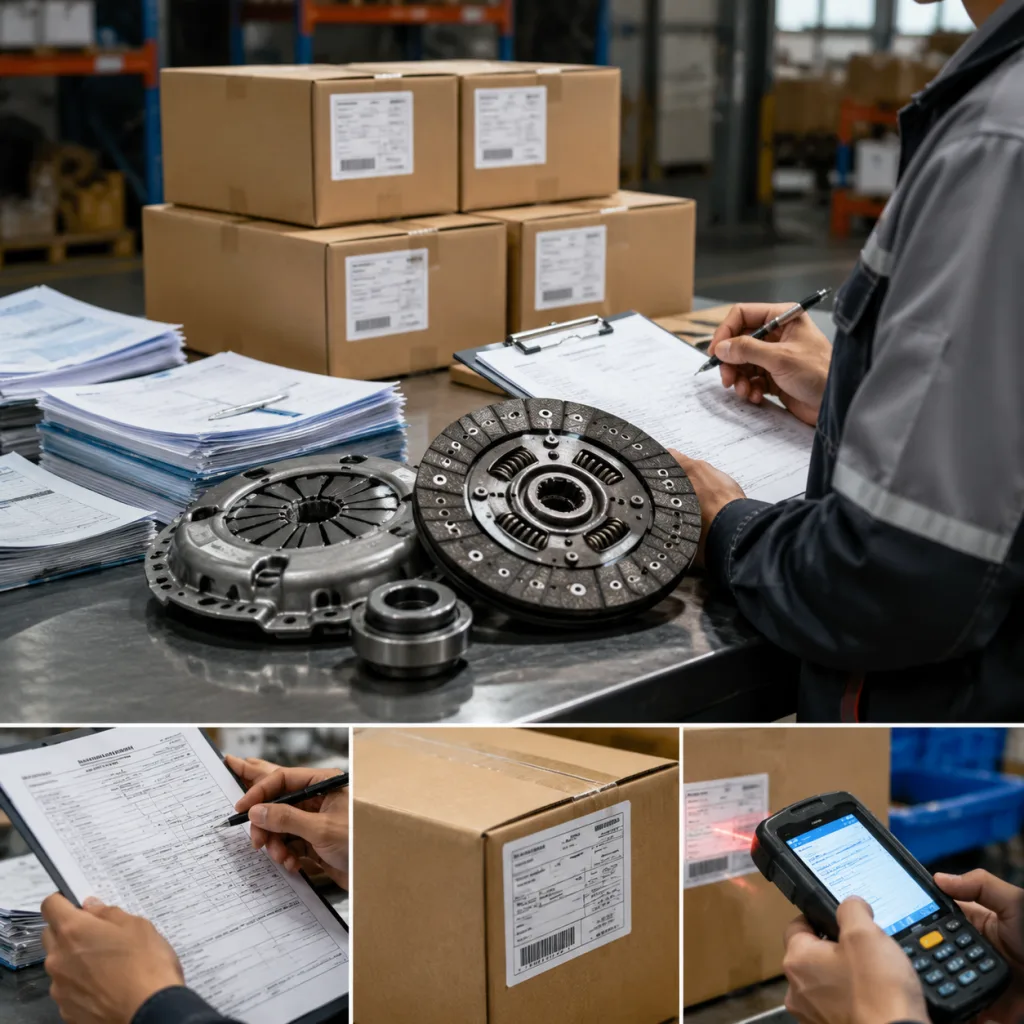
Carton compression and palletisation plan for sea freight, including 5-ply carton, corner protection, moisture control, and stretch wrap where specified
Driventus’ quality system is structured for B2B export programs where repeatability matters across containers, part numbers, and application ranges. Repair chains need consistent pedal feel, clean release, and low noise after installation. Wholesalers need durable cartons, accurate barcodes, clear part identification, and low mis-pick rates in regional warehouses.
Packaging must be validated against the actual kit weight. A typical pickup or light-commercial clutch kit may weigh 8–18 kg depending on cover size and bearing type. Inner immobilisation, bearing separation, and pressure-plate edge protection are not optional details. For LCL or long-route ocean freight, confirm pallet height, carton drop resistance, humidity exposure, desiccant requirement, and whether master cartons can be handled by one person under local warehouse rules.
Buyers sourcing for Brazil, Australia, North America, the UK, and the EU should confirm whether local rules require specific product labelling, chemical declarations, importer-held technical files, or language-specific packaging. Driventus can provide standard export documentation and coordinate additional declarations when they are specified in the purchase order.
Scenario planning: MOQ, price, lead time, and launch risk
A clutch kit is often a slower-moving SKU with high consequences when it is wrong. Buyers should avoid building a wide range before the technical file is mature. A narrow, proven launch range usually beats a broad catalogue with weak application evidence.
Before quotation, define the commercial scenario:
Annual forecast by part number and destination market, split into launch, replenishment, and seasonal demand where possible
Required MOQ by SKU and whether mixed-SKU cartons or mixed pallets are acceptable
Target price tier, required margin, currency, validity period, and tooling or sample-cost treatment
Lead time for first article samples, pilot order, and repeat production
Preferred Incoterms, carton language, barcode format, pallet height limit, and container loading plan
Warranty handling process, including evidence required for technical review
Branding route: Driventus packaging, neutral packaging, or buyer private label
MOQ is usually driven by packaging, component availability, changeover time, and inspection workload. A catalogue-stock item may support lower order quantities. A low-run private-label clutch kit normally needs enough volume to cover carton setup, label printing, production changeover, and inspection. As a working guide, buyers can plan for 50–100 kits per SKU for sample-backed pilot orders, 100–300 kits per SKU for repeat standard packaging, and higher MOQs where custom facings, private-label cartons, or non-stock bearings are required. Mixed-SKU consolidation can reduce freight cost, but it must not remove batch traceability by part number.
Separate lead time by stage. First article samples commonly require 2–4 weeks when parts and drawings are available. They take longer if tooling, benchmark samples, or non-stock bearings are needed. Pilot production often requires 35–55 days after approval and deposit. Repeat orders depend on material availability, packaging status, and vessel schedule. Price should be reviewed against steel, bearings, friction material, exchange rate, carton specification, inspection requirement, and Incoterms. The lowest unit price can become expensive if it raises the claim rate, forces air-freight recovery, or causes carton damage.
A clear technical approval file shortens purchasing discussions. When the buyer provides sample parts, OE-style references, photos, vehicle data, or failed-market examples, engineering can identify the correct release system, damper configuration, and dimensional priorities more quickly. If the requirement is urgent, a distributor may start with catalogue-matched references, then move to application-specific validation after pilot shipment and workshop feedback.
For a clutch kit Isuzu OE equivalent sourcing program, the safest path is disciplined cross-reference matching, production-intent sample validation, and batch-level quality evidence before broad distribution. That approach reduces fitment disputes, improves warranty review, and gives distributors a stronger basis for long-term range development.
Frequently asked questions
Yes. Driventus can supply neutral packaging or buyer private-label packaging after artwork approval, barcode confirmation, MOQ review, and carton durability review. Critical part dimensions and validated fitment data remain controlled under the approved technical file.
Please provide the target vehicle model, engine, transmission, year range, market, annual volume, MOQ expectation, packaging preference, Incoterms, and any OE-style reference such as OE 8-970…. Photos or samples help confirm the cover type, disc offset, spline geometry, damper layout, and release bearing dimensions.
No. OE-equivalent means the replacement part is designed and validated to match the relevant installation and performance characteristics. It does not mean approval or endorsement by the vehicle manufacturer. Driventus is an independent aftermarket manufacturer; brand names are referenced for fitment identification only.
For cross-reference review, sample evaluation, MOQ planning, or pricing on Isuzu replacement clutch kits, please [request a quote](/contact.html).