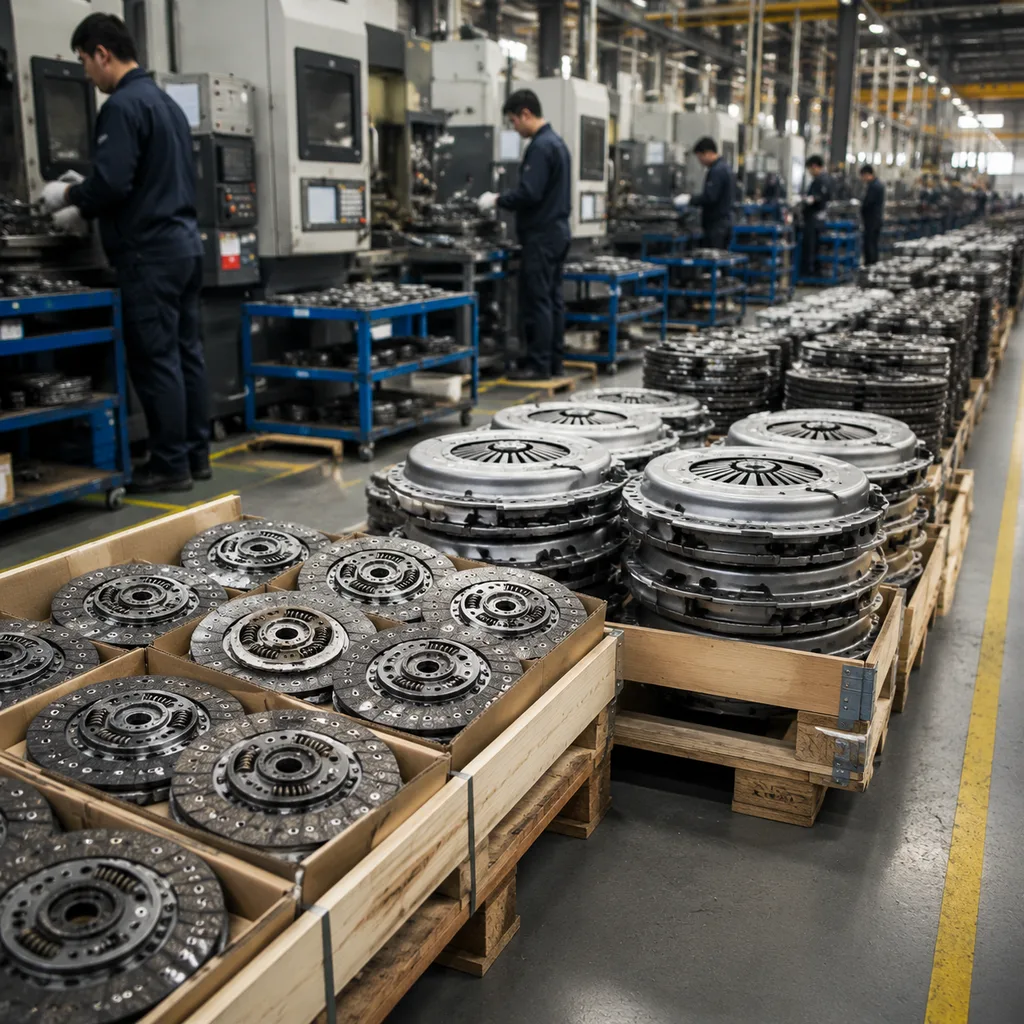
When you search for a clutch kit Isuzu manufacturer China, unit price is only one part of the decision. The bigger question is whether the supplier can keep dimensions repeatable, document material traceability, and deliver the same fitment across repeat orders, seasons, and shipment batches. For distributors, OEM-style aftermarket programmes, and repair-channel supply chains, every kit must align with the disc outside diameter, input-shaft spline, hub offset, pressure-plate bolt circle, release-bearing interface, clamp-load requirement, flywheel step or flat-flywheel envelope, and real installation conditions. If it does not, the result can be avoidable noise, pedal-force variation, clutch drag, judder, or warranty exposure. Driventus is an independent aftermarket manufacturer; vehicle brand names are referenced for fitment only. Based in Taizhou, Zhejiang, we support export programmes for buyers who need clear specifications, stable replenishment, and inspection records that purchasing, QA, warehouse, and aftersales teams can all review. This guide explains what to verify before sampling, which quality records matter, how to build a practical supplier file, and how to compare standard and custom programmes before you issue an RFQ.
What Buyers Verify Before Requesting Samples
Start with the application data, not the badge on the vehicle. For a clutch kit, the buyer should confirm engine family, transmission code, disc outside diameter, spline count and spline major/minor dimensions, hub offset, pressure-plate type, release bearing style, and the target torque band. If one of those details is wrong, the kit may look right on the bench but fail in the vehicle.
A disc with the correct outside diameter but the wrong hub offset can interfere with the flywheel bolts, pilot bearing area, or pressure plate. A cover with a similar bolt pattern but a different diaphragm finger height can change release travel and pedal position. A bearing that looks correct in photos may still be wrong for the clutch fork radius, guide tube OD, bearing face profile, or concentric slave cylinder connection.
Before requesting samples from a clutch kit Isuzu manufacturer China, prepare a short application sheet for each SKU. Include the vehicle model range, engine displacement, engine code where available, transmission reference, production year range, market region, flywheel type, and any known supersession notes from your current catalogue. If you are replacing an existing supplier, add the current kit contents and the failure mode you want to prevent, such as release noise, heavy pedal, clutch drag, hot judder during take-off, damper spring rattle, bearing leakage, or inconsistent packaging.
Check point
Buyer question
Supplier evidence
Disc diameter
Does the OD match the bellhousing and flywheel envelope?
Dimension sheet, sample measurement, and drawing revision
Spline specification
Will the disc engage the gearbox input shaft correctly?
Spline count, major/minor diameter, fit check with spline gauge
Hub offset
Is there enough clearance during engagement and release?
Is the interface correct for the fork, guide tube, or hydraulic unit?
Bearing dimensions, contact face, guide-tube fit, application list
Runout / balance
Will the kit introduce drag, chatter, or vibration?
Disc runout check, cover runout check, balance or rotation inspection
Kit contents
Are all required parts packed consistently?
BOM, packing list, carton photos, final inspection record
</tr></thead><tbody> </tbody></table>Sample approval should go beyond a visual comparison. Ask for measured values, not just catalogue cross references. A useful sample pack includes the clutch disc, pressure plate, release bearing or concentric hydraulic bearing where applicable, alignment tool if supplied, grease or installation accessories if required, installation notes, carton label, and inner packaging. With that full set, your team can check fitment, release travel, pedal feel, noise, drag, and warehouse receiving at the same time.
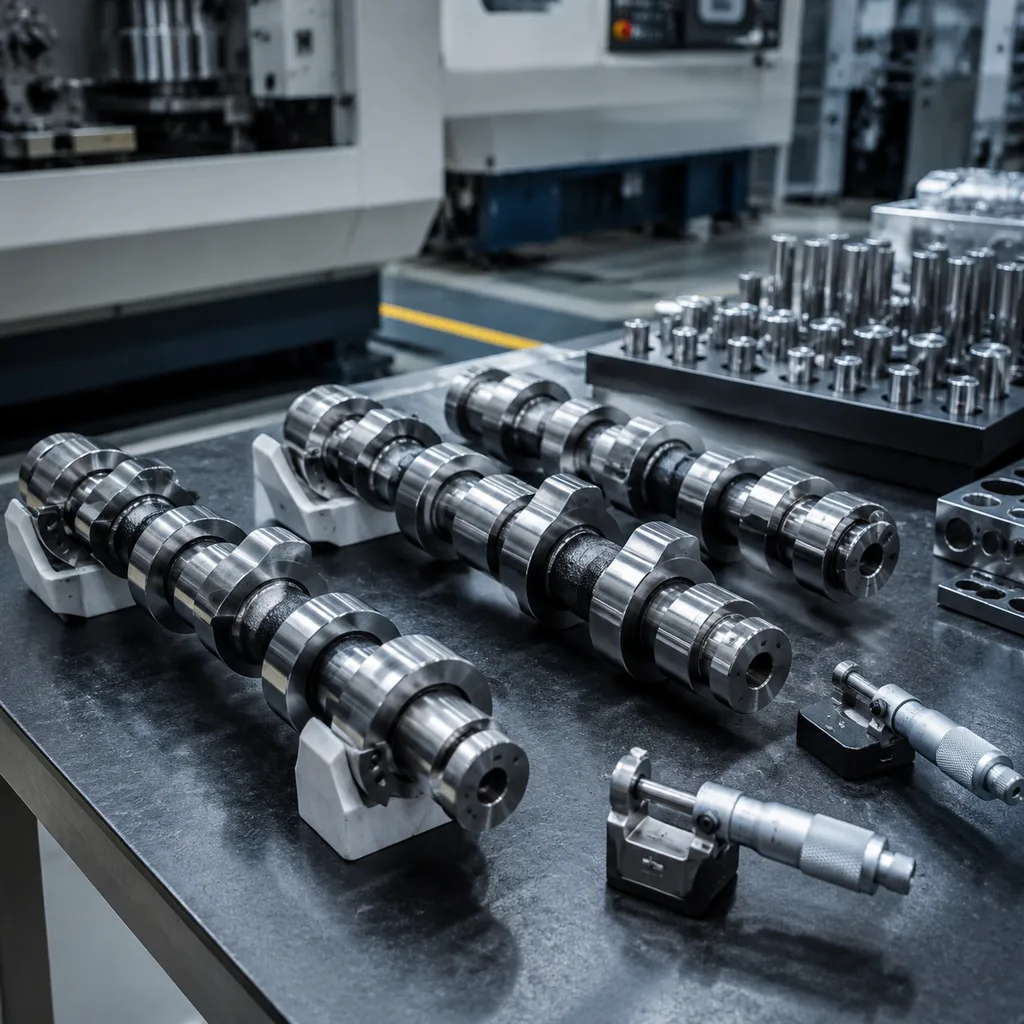
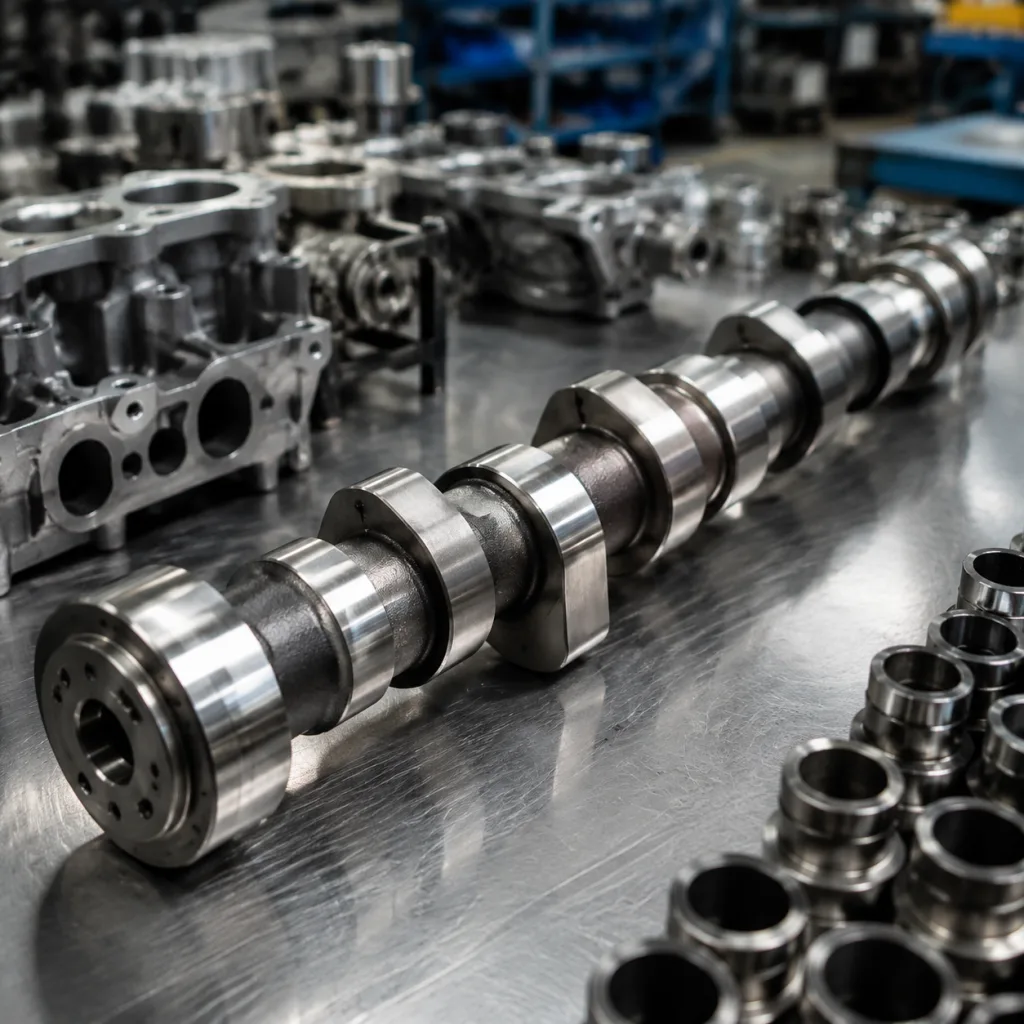
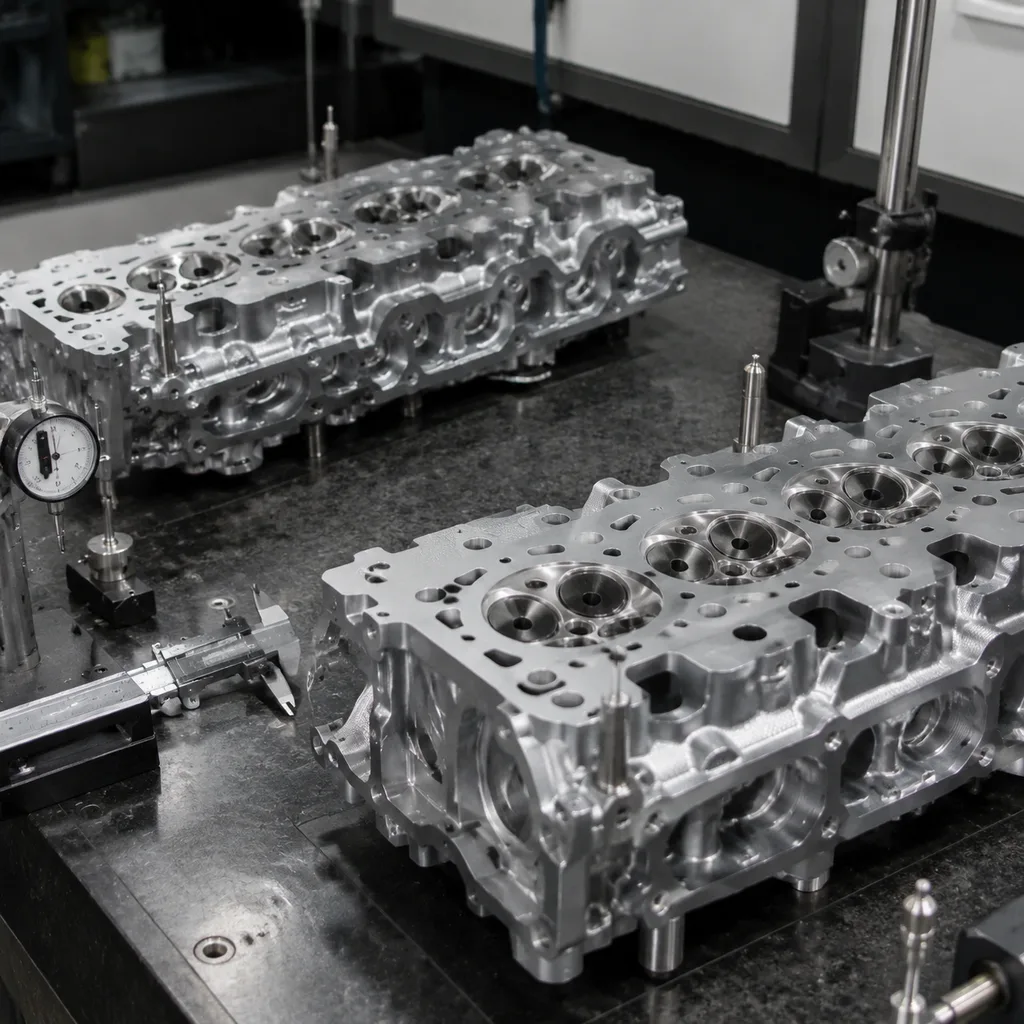
Procurement teams should ask for process evidence, not only a price sheet. A clutch kit is a safety- and drivability-related assembly, so supplier controls need to cover raw material, friction facing storage, steel stamping, heat treatment where applicable, machining, riveting, cover assembly, diaphragm spring forming, balancing or rotation checks, bearing sourcing, kit assembly, final inspection, and packing. For export supply, the basic file normally includes material declarations, incoming inspection criteria, in-process checks, final dimensional records, traceability labels, and packaging specifications. At Driventus, production control is built around IATF 16949:2016 and ISO 9001:2015 practices, with traceability tied to batch, date, and line identification.
A useful audit follows the process flow from incoming materials to packed carton. Buyers can ask how friction facings are received and stored, how facing thickness and bonding condition are checked, how damper spring and rivet retention are verified, how cover assemblies are inspected after forming, and how release bearings are approved before they enter the kit. The point is to see whether defects are prevented upstream or merely screened at final inspection. Strong suppliers can show control plans, inspection frequencies, acceptance criteria, gauge calibration status, nonconforming-material handling, and corrective-action records for repeat issues.
Inspection sampling should be agreed before production, especially when a buyer is launching a new SKU group. ISO 2859-1 is useful for defining lot-level sampling, acceptance quality limits, and inspection severity; many B2B buyers set separate AQL levels for critical fitment dimensions, functional checks, visual defects, and packaging defects. For compliance screening, REACH (EC) No 1907/2006 matters when a buyer needs an SVHC statement or material declaration for import files. If your internal system requires PPAP-style evidence, define the mandatory elements at quotation stage—such as dimensional results, material certificates, control plan, process flow, FMEA, appearance approval, or initial sample report—so timing and cost are realistic.
See our quality system for the controls buyers typically review during an audit.
What A Good Supplier File Should Contain
Before approving a new SKU, ask for a file set that lets your team re-order without re-opening the project. This is especially important when one buyer manages several markets, private labels, warehouse depots, or catalogue supersessions. A good supplier file protects the first order. Just as importantly, it protects the second and third order, when the purchasing team, warehouse team, or freight forwarder may not be the same people who approved the sample.
The file should make the product unambiguous. It should show what is inside the kit, how the critical dimensions are controlled, what packaging is approved, and which documents must travel with each shipment. When a supplier can provide this information in a consistent format, it becomes easier to compare quotations from different China manufacturers and easier to prevent late disputes over what was actually ordered.
1. Application sheet with vehicle, engine, transmission, production range, market notes, flywheel notes, supersession references, and kit contents. 2. Dimensional drawing for disc, cover, and release-bearing interfaces, including disc OD, facing width, total disc thickness, spline count, spline dimensions, hub offset, PCD, hole count, dowel location, cover height, diaphragm finger height, and bearing contact dimensions. 3. Material declaration for friction material, steel stampings, diaphragm spring, damper springs, rivets, grease, bearings, plastic parts, bags, and cartons. 4. First article or sample inspection report with key dimensions, photos, measurement method, gauge reference, inspection date, and drawing revision. 5. Process control summary showing incoming inspection, in-process checkpoints, final inspection, traceability method, calibration control, and nonconforming-material procedure. 6. Packaging specification covering inner bag or wrap, corrosion protection, carton count, carton board strength, gross/net weight, pallet pattern, pallet height, barcode symbology, label position, language, shipping marks, and moisture protection. 7. Test evidence for noise, thermal stability, runout, clamp-load consistency, release performance, bearing rotation, and durability where the programme requires it. 8. Change-control agreement defining how drawing revisions, material changes, substitute bearings, facing formulation changes, label changes, carton changes, and accessory changes are approved. 9. Shipment document checklist for commercial invoice, packing list, certificate or declaration requirements, HS code review, country-of-origin statement, and destination-specific receiving instructions.
For distributors, the packaging file can be as important as the product drawing. Inconsistent labels, mixed SKUs, weak outer packaging, unreadable barcodes, or unapproved part-number formats can quickly erase a small unit-price advantage through extra warehouse work. For brand owners, artwork control also matters because carton colour, label format, language, logo placement, country-of-origin marking, and batch coding need to stay consistent across repeat shipments.
If the SKU needs packaging changes, label updates, or a private-brand carton, use custom manufacturing so artwork and QC checkpoints are approved before mass production.
MOQ, Lead Time, And Export Readiness
MOQ is usually driven by the number of kit variants, not by a single part. A standard programme can move faster when the disc, cover, and bearing are already validated and the supplier has active material channels. A custom programme needs more time for tooling, sample production, bench checks, installation confirmation, label artwork, and packaging sign-off. When buyers compare a clutch kit Isuzu manufacturer China shortlist, the quoted MOQ should be reviewed alongside the SKU mix, annual demand, forecast accuracy, carton configuration, and destination-market documentation requirements.
Lead time depends heavily on how complete the buyer’s inputs are. A supplier can move quickly when the application is confirmed, drawings are approved, labels are final, inspection criteria are agreed, and the commercial terms are clear. Delays often appear when a sample is approved mechanically but packaging remains open, when a bearing source is changed after approval, or when the purchasing team changes carton rules after production has begun. For first orders, separate technical approval, artwork approval, pre-production sample approval, and shipping-document approval into clear milestones.
Commercial item
What changes the timeline
What buyers should confirm
Standard kit
Existing tooling, active material supply, approved BOM
Target volume, annual call-off, destination country, packaging type
</tr></thead><tbody> </tbody></table>Export readiness should be checked before the purchase order is released. Confirm the Incoterm, loading port, consignee details, notify party, shipping marks, pallet requirements, fumigation or non-wood packing needs, carton labelling rules, and document format. If your market has special import documentation, inspection, or labelling rules, provide them at RFQ stage. This gives the supplier time to align carton labels, packing lists, material declarations, and compliance statements with the shipment plan.
For most B2B accounts, the real risk is not nominal production capacity. It is late scope change. Lock the specification early, then align carton count, pallet height, barcode rules, AQL level, inspection timing, and document set before booking the first shipment. That discipline makes MOQ, lead time, and repeat-order replenishment easier to manage.
Where Customisation Adds Value
Customisation is worthwhile when it lowers receiving friction, tightens channel control, or creates a kit configuration that fits a specific market. Common requests include neutral cartons, private-brand cartons, barcode-ready labels, language variants, corrosion-protective bags, mixed-SKU outer packs, installation accessories, alignment tools, grease sachets, bolt packs, and part-family consolidation for distributors with multiple depots. The best customisation is practical: it reduces handling, prevents picking errors, improves traceability, or helps the sales channel identify the correct kit quickly.
For a distributor, customisation may mean harmonising carton footprints so pallets stack cleanly, container loading is predictable, and warehouse locations stay consistent. For a brand owner, it may mean consistent label fields, batch coding, country-of-origin marking, barcode symbology, and artwork control across several product families. For an importer serving repair workshops, it may mean including the correct release bearing, alignment tool, grease sachet, installation note, or caution label for the local service environment. These details should be written into the supplier file, not handled as informal packing requests.
Driventus can align these programmes with OEM-style documentation without claiming any vehicle-maker approval. The result should be a supplier file that your warehouse can receive, your QA team can inspect, and your sales team can reorder without rechecking the basics each cycle. If you are comparing suppliers across China, ask for the same sample set, inspection points, label requirements, AQL plan, and packing standard so the comparison is fair.
Customisation also needs change control. Once a carton, label, bearing source, friction specification, accessory list, or kit content is approved, later adjustments should be recorded with a revision number, approval date, and approver. That protects both sides: the buyer knows what will arrive, and the manufacturer knows which standard to build against. For long-running programmes, this is often the difference between a stable supply relationship and repeated exception handling.
From Taizhou, Zhejiang, we support export programmes into 60+ countries with documentation and packaging built for B2B receiving, not retail display. If you are reviewing a clutch kit Isuzu manufacturer China shortlist, the practical question is simple: does the supplier reduce fitment, inspection, and receiving exceptions—or create more of them?
Frequently asked questions
Yes. We match by application data, dimensions, spline count, spline dimensions, hub offset, cover pattern, release system, flywheel notes, and kit content. Final approval should be based on sample measurement, bench checks, and test installation, not on the nameplate alone. Driventus is an independent aftermarket manufacturer; brand names are referenced for fitment only.
Material declarations, inspection records, packing specifications, traceability references, application data, and sample inspection reports are the core set. Many buyers also ask for REACH (EC) No 1907/2006 SVHC statements and process controls aligned with IATF 16949:2016 and ISO 9001:2015.
Yes, when artwork, barcode format, label fields, language, shipping marks, country-of-origin marking, carton strength, and pallet rules are approved early. That reduces rework at packing stage and avoids delays at first shipment. It is best handled as part of the sourcing file, not as a late change.
Send your target application, annual volume, and packaging spec, then [request a quote](/contact.html).