Camshaft for Volkswagen Passat Replacement Sourcing
A camshaft for Volkswagen Passat replacement programme starts with fit, function, and failure risk — not price. Passat applications span multiple engine codes, valve-train layouts, and drive-end designs, so a near-match can still create idle complaints, fault codes, or premature wear. Buyers need an OE-equivalent part matched by engine code, fuel type, camshaft position, and OE cross-reference where available, such as OE 06A… or OE 11251… formats used for identification. Driventus manufactures engine and powertrain components in Taizhou, Zhejiang, with IATF 16949:2016 and ISO 9001:2015 quality controls for B2B supply. Driventus is an independent aftermarket manufacturer; brand names are referenced for fitment only.
Start With the Failure Mode, Not the Part Name
A Passat camshaft replacement decision goes wrong when buyers start with the vehicle badge instead of the engine hardware. The same model year may hide different cam profiles, trigger wheels, bearing journals, and timing interfaces.
Before approving a camshaft for Volkswagen Passat replacement, verify:
Engine code and production period covered by the part
Intake or exhaust position, where engines use separate shafts
Valve count and follower type, including hydraulic lifter or roller follower design
Timing drive interface, such as sprocket, chain gear, or phaser interface
Camshaft position sensor trigger wheel or reference feature
Bearing journal diameter and oil-feed alignment
OE cross-reference format, where applicable, such as OE 06A… or OE 11251…
Packaging protection for journals, lobes, and machined ends during sea freight
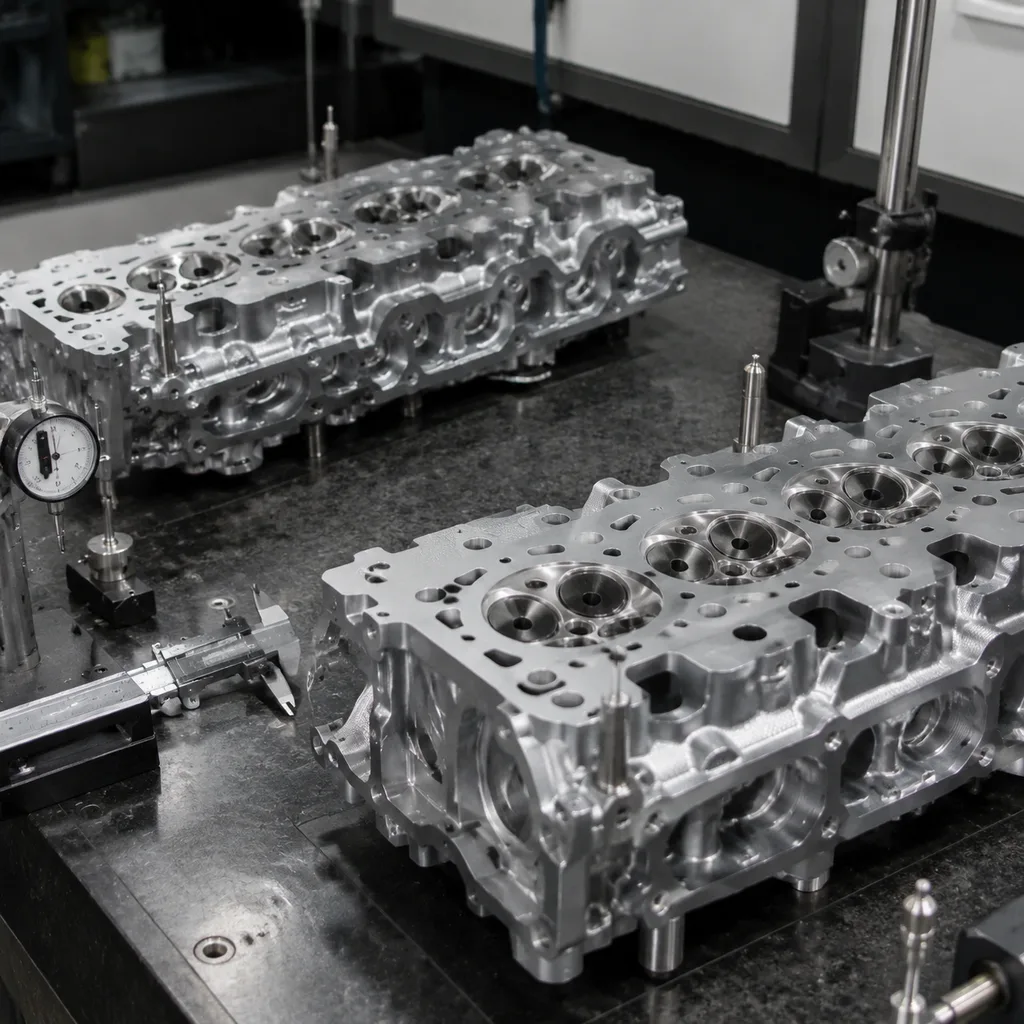
A dimensional match should be backed by drawings, sample inspection records, and application data. Buyers can review related engine coverage in our catalog, including camshafts and other rotating or valve-train components listed under engine components.
OE-Equivalent Means More Than Looking the Same
For camshaft replacement, visual similarity is not evidence of interchangeability. One small shift in lobe angle, journal size, or thrust face width can change valve timing, oil-film behavior, and noise.
Use the table below as a sourcing checklist:
Control item
What to confirm
Why it matters
Base material
Cast iron, chilled cast iron, or specified steel grade according to application
Determines wear resistance and machinability
Lobe profile
Lift, duration, flank radius, and opening/closing points
Affects valve timing, engine output, and emissions consistency
Journal diameter
Drawing tolerance with 100% or controlled sampling inspection
Prevents oil-pressure loss and bearing noise
Runout
Controlled on datum journals and drive-end features
Reduces vibration and uneven follower loading
Surface hardness
Verified after heat treatment or chilling process
Controls lobe and journal wear life
Surface roughness
Measured on journals and functional lobe areas
Supports oil-film stability and reduced bedding-in wear
Cleaning level
Controlled after machining and deburring
Prevents abrasive contamination in the cylinder head
</tr></thead><tbody> </tbody></table>Any change in material, coating, or process route should be treated as a new validation item, not a minor substitution.
What Buyers Should Demand Before Release
A camshaft should not move into stock until the supplier has proved repeatability, not just one good sample. The useful question is simple: can this part be built the same way every time?
Recommended validation evidence includes:
First article inspection: complete dimensional report against controlled drawing data
Hardness testing: lobe and journal checks after heat treatment, with traceable records
Metallographic review: microstructure confirmation for chilled or heat-treated areas
Runout and straightness checks: inspection on calibrated fixtures
Surface roughness measurement: especially on bearing journals and lobe contact surfaces
Magnetic particle or crack inspection: where the process and material require it
Packaging drop or vibration review: to confirm machined surfaces are protected in transit
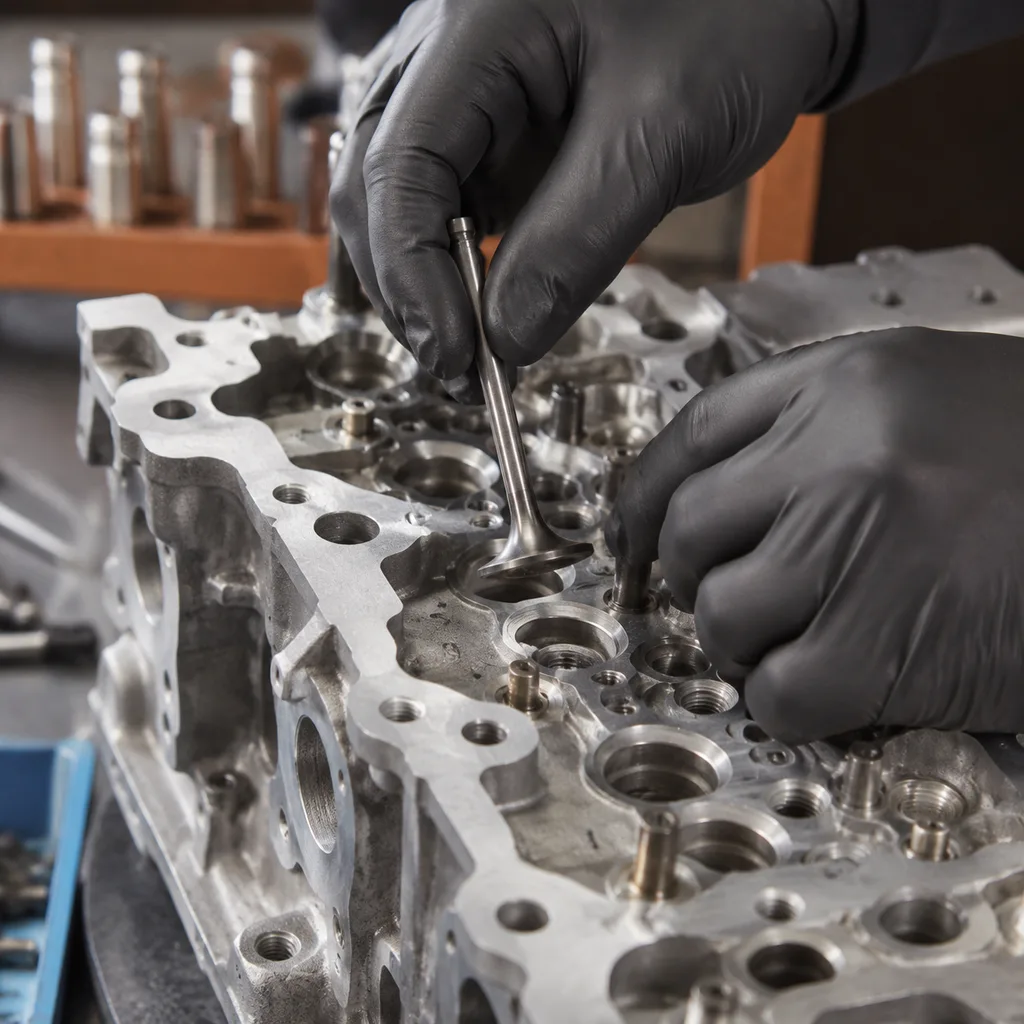
Installation trial: fitment check on representative cylinder head or engine fixture
For emissions-sensitive markets, the camshaft must maintain valve timing consistency relevant to the vehicle’s certified configuration. Replacement components should not be presented as emissions-system modifications. Where market rules reference vehicle emissions compliance, buyers should be aware of frameworks such as ECE R-83 for light-duty vehicle emissions in applicable jurisdictions. Driventus supports documentation review through its quality system, including inspection planning and batch traceability based on IATF 16949:2016 and ISO 9001:2015.
Where Camshaft Programmes Usually Fail
Most warranty claims trace back to a small set of preventable errors. The problem is usually not the camshaft alone; it is the interaction between fitment, lubrication, and process control.
Fitment mismatch
A similar-looking camshaft may still have a different trigger feature, thrust arrangement, or phaser interface. That can cause starting issues, diagnostic trouble codes, poor idle, or mechanical interference. Application data should be locked by engine code and position, not by vehicle model name only.
Early lobe or follower wear
Wear can result from incorrect hardness, rough lobe surfaces, abrasive contamination, or installation without replacing worn followers. For repair-chain supply, technical notes should state whether lifters, followers, seals, and timing components should be replaced at the same time.
Oil starvation and journal damage
Blocked oil galleries, incorrect oil grade, and sludge can damage a new camshaft quickly. A supplier cannot control workshop practice, but packaging inserts and installation guidance can reduce avoidable claims.
Batch-to-batch variation
One approved sample does not prove stable production. Buyers should request control plans, gauge calibration records, and ongoing inspection data. A supplier producing under IATF 16949:2016 should be able to show structured process control, corrective action records, and traceability from material batch to finished shipment.
Compare Suppliers on Control, Not Claims
When sourcing a camshaft for Volkswagen Passat replacement lines, buyers should compare suppliers on technical controls and commercial execution. Unit cost matters, but a low claim rate depends on drawing discipline, inspection rigor, and packaging protection.
Key sourcing criteria include:
Confirmed application list by engine code, fuel type, and camshaft position
OE cross-reference support using non-brand-specific identifiers where relevant, such as OE 06A…
PPAP-style documentation where required by OEM or Tier-1 buyers
IATF 16949:2016 and ISO 9001:2015 certified manufacturing controls
REACH (EC) No 1907/2006 awareness for EU chemical compliance obligations in materials and packaging
Batch traceability from raw material to finished product label
Neutral packaging, private-label options, and barcode support
Clear claim-handling process with photos, inspection results, and installation context
Stable lead time and export documentation for target markets
Driventus supplies standard aftermarket items and supports custom manufacturing when buyers need drawings, private-label packaging, or controlled specifications for regional coverage. For importers managing broad engine ranges, consolidating camshafts with gaskets, water pumps, pistons, and timing-related parts can simplify supplier qualification and shipment planning.
RFQ Checklist for Faster Matching
A complete enquiry reduces sampling delays and prevents wrong cross-references. For Passat applications, the vehicle model alone is not enough. Buyers should provide the engine code, production year range, fuel type, and whether the request is for intake, exhaust, or a combined camshaft set.
Useful RFQ data includes:
Target market: EU, UK, US, Canada, Australia, Brazil, or other region
Annual volume forecast and first order quantity
Required packaging: bulk, neutral box, or private label
Required documents: inspection report, material report, certificate of conformity, or PPAP-style package
Target OE cross-reference format, if known, such as OE 06A… or OE 11251…
Sample requirement and validation timeline
Any restrictions under REACH (EC) No 1907/2006 or customer-specific material rules
Driventus is an independent aftermarket manufacturer; brand names are referenced for fitment only. The company does not claim approval or endorsement by any vehicle manufacturer. To confirm the correct part family and documentation package, buyers can request a quote with their application list and annual demand.
Frequently asked questions
Use the engine code, production period, fuel type, camshaft position, and OE cross-reference where available. Vehicle model name alone is not sufficient because Passat platforms used multiple engine families and valve-train designs.
Yes. Driventus supports neutral and private-label packaging, barcode requirements, batch traceability, and documentation packages depending on order size and market requirements.
Depending on the programme, documents may include dimensional inspection reports, hardness results, material records, certificates of conformity, and process controls aligned with IATF 16949:2016 and ISO 9001:2015.
For application confirmation, samples, or a documented quotation for Passat camshaft replacement lines, send your engine-code list and forecast volume to Driventus. Start here: /contact.html