camshaft phaser · 2026-06-04

Camshaft Phaser Vauxhall Wholesale Sourcing Guide

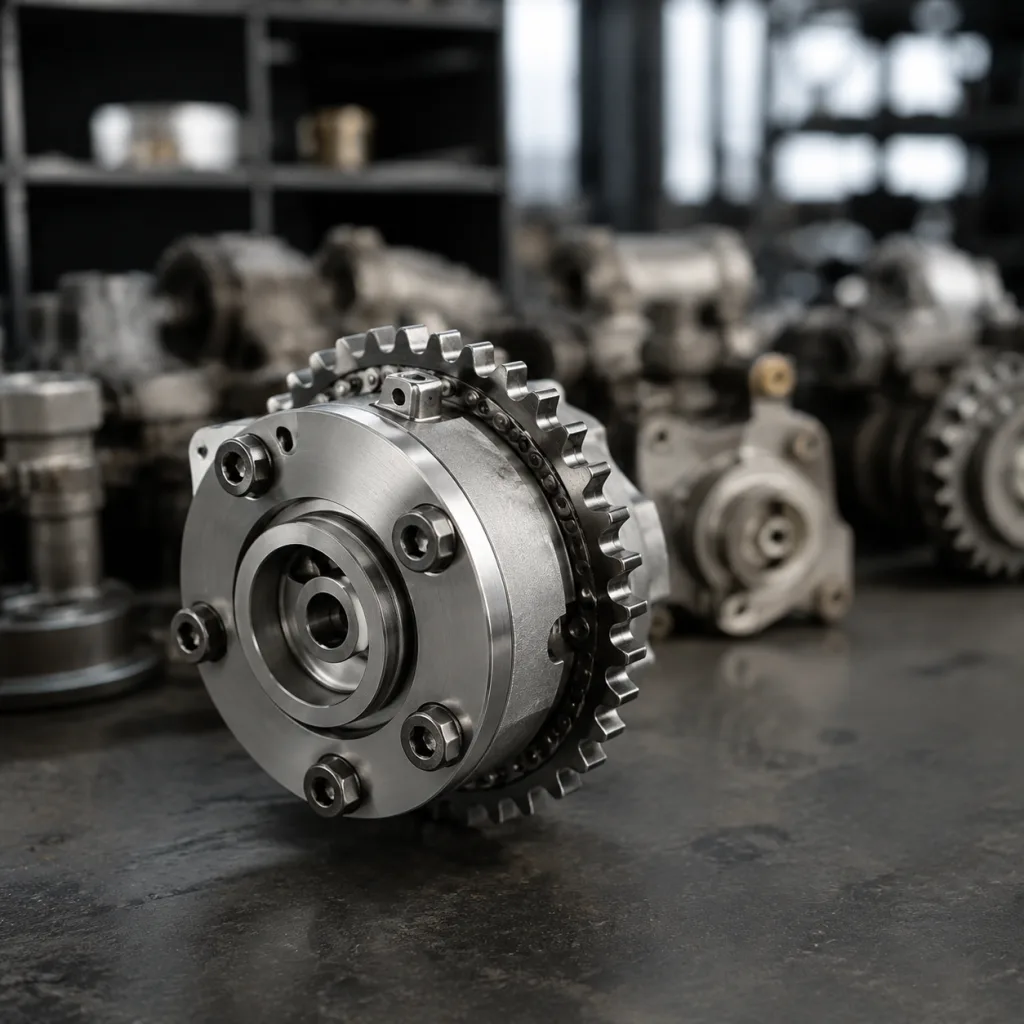
For procurement teams comparing camshaft phaser Vauxhall wholesale options, the starting point should be fitment evidence, oil-control compatibility, and repeatable lot quality, not a visual match alone. A phaser can bolt up correctly and still create cold-start rattle, unstable cam timing, slow actuator response, or warranty returns if its vane travel, lock position, phasing authority, or oil-gallery geometry differs from the OE target. Driventus is an independent aftermarket manufacturer; brand names are referenced for fitment only. We supply engine and powertrain parts to B2B buyers who need documented specifications, stable lead times, and packaging that supports warehouse intake. If you are evaluating a new source, use the same control points you would expect from an audited supply base: dimensional verification, clean assembly, batch traceability, and documented validation. The sections below outline what to request before you place a wholesale order, how to compare supply options, and which records matter most when the parts reach your warehouse or service network.

What procurement teams should define first

A wholesale order is easier to control when the buyer defines the application first and the price second. For camshaft phaser Vauxhall wholesale sourcing, the minimum package should confirm the engine family, intake or exhaust position, OE cross-reference, packaging requirement, and the quality records required at intake. If those items are not fixed early, teams often end up comparing parts that look similar but differ in travel range, lock position, rotor indexing, or oil-feed geometry.

For broader engine-line sourcing, review our catalog and the related engine components page. If you already have an OE sample, drawing, or photo set, that data can be used to align the housing, rotor, phasing range, spline or sprocket interface, and connector position before mass order release. That is usually the fastest path to a repeatable supply decision.

Typical order data to define:

  • Engine code and model year range
  • Intake or exhaust position
  • OE reference used for fitment
  • Required sample quantity and carton pack
  • Target annual volume and forecast window
  • Destination market and labeling requirement
  • Any customer-specific barcode or warehouse label format

If you want a smoother sourcing cycle, ask the supplier to confirm not only whether the unit fits, but also how the part will be controlled from sample approval through replenishment. That reduces dispute risk later and gives procurement a cleaner basis for comparing quotes.

Fitment checks that matter on a camshaft phaser

A camshaft phaser is a precision hydraulic control component, not a generic bracket or spacer. The part must match the engine's oil-pressure strategy, locking behavior, and mechanical indexing, or it can create timing drift, noise, and fault codes even when the part number appears close enough. For this reason, buyers should verify more than the outer shape.

Key checks before approval:

  • Lock pin engagement and return position at zero oil pressure
  • Vane count, rotor travel, and indexing angle
  • Oil feed and drain port geometry
  • Seal material compatibility with the oil specification
  • Connector, sprocket, and fastener interface
  • Surface finish on wear and sealing faces
  • Rotation direction and installed orientation
  • Cleanliness and preservative condition at shipment

Data to request before approval

Ask for:

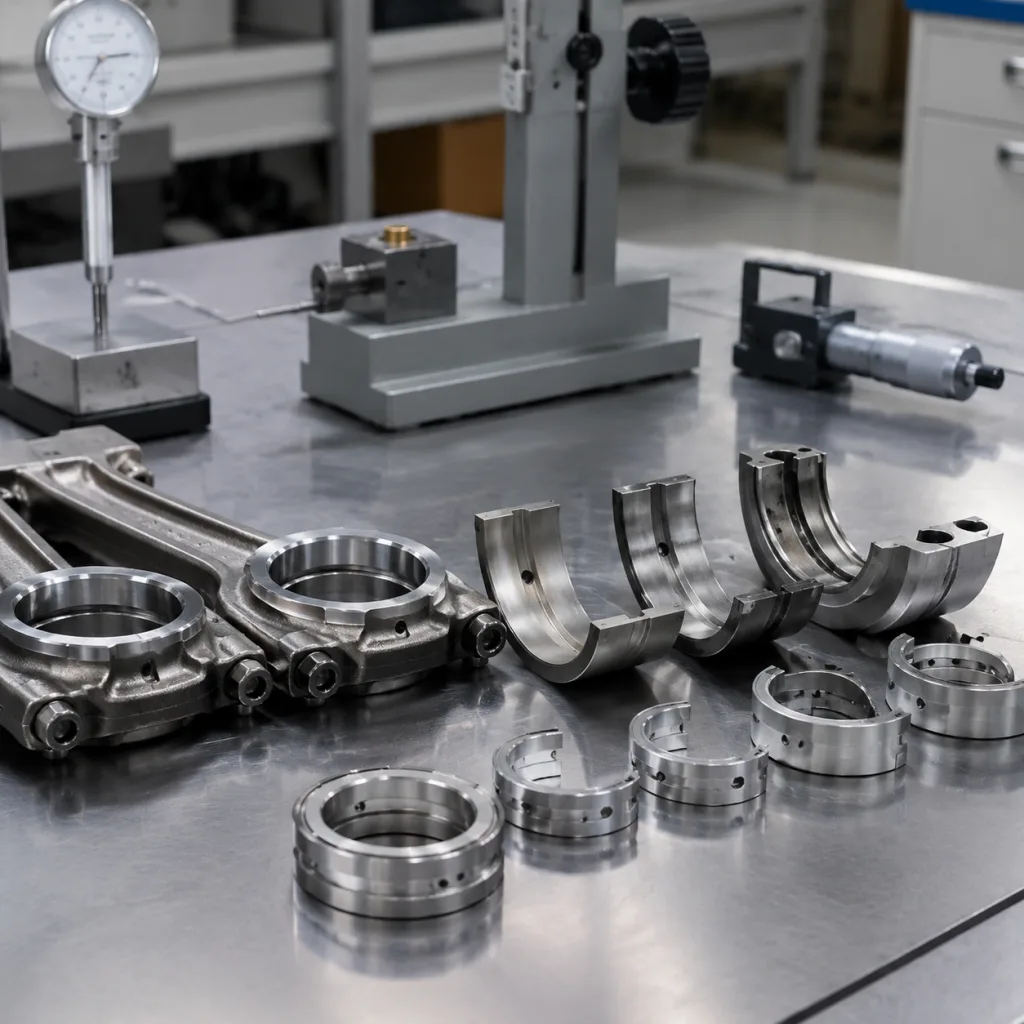
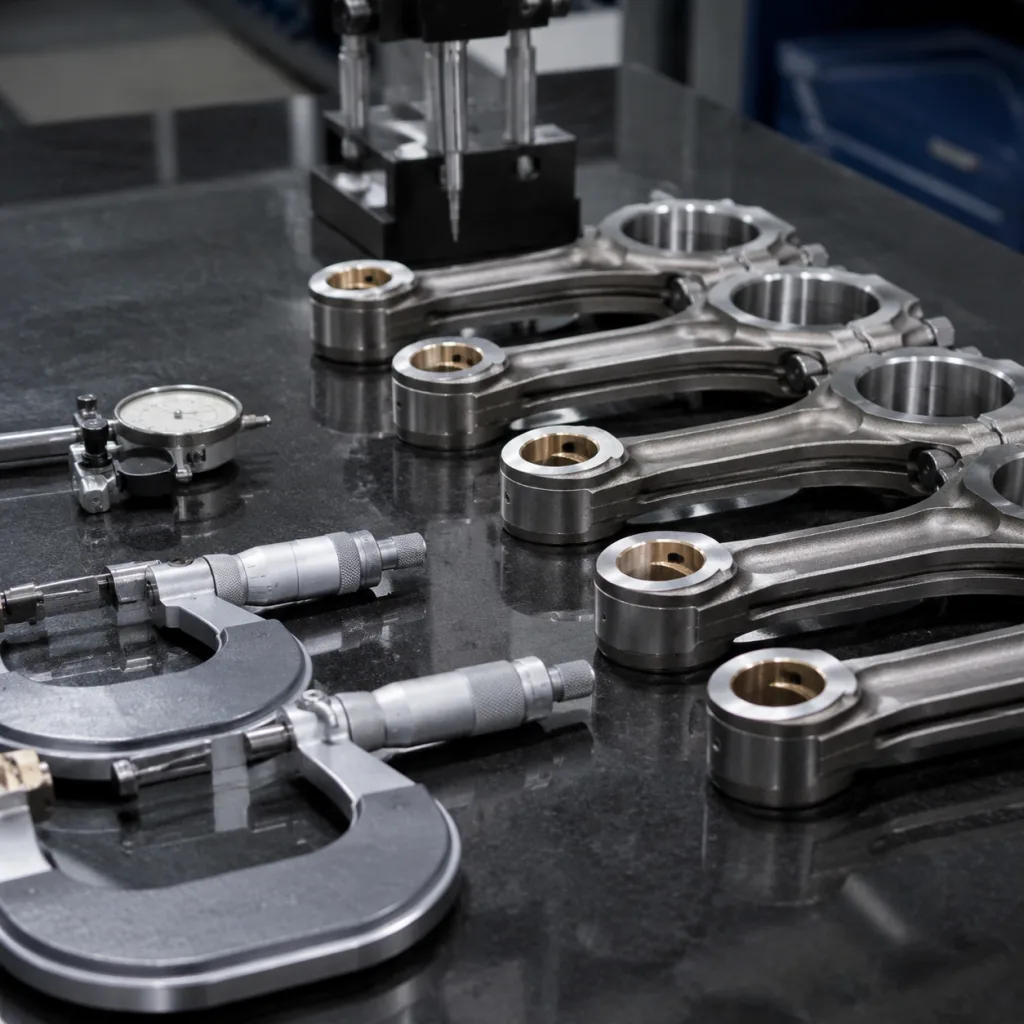
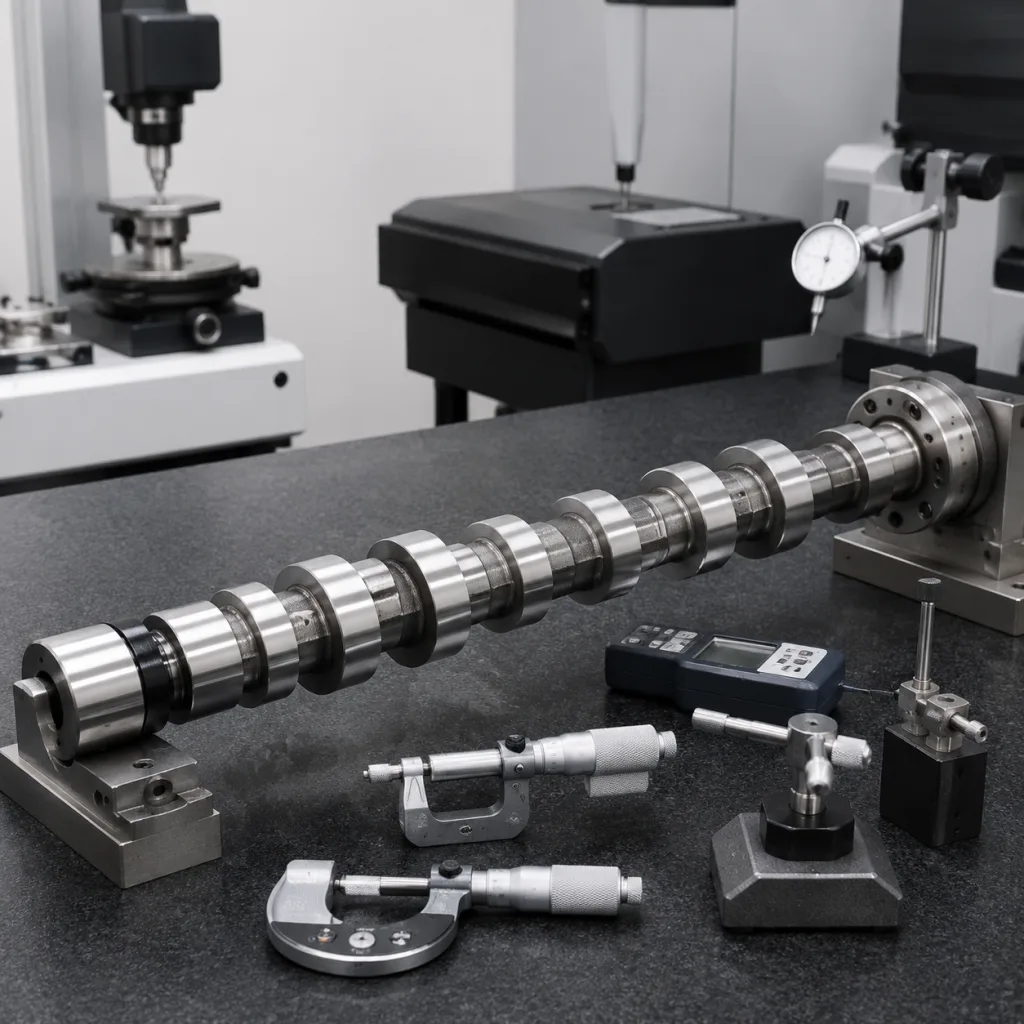
  • Dimensional report against the reference sample
  • Material declaration for critical metallic and elastomeric parts
  • Build lot traceability
  • Incoming and final inspection records
  • Sample photos of the assembled unit and labels
  • Verification of packaging method and corrosion protection
  • Confirmation of the test method used for lock and travel checks

If the supplier cannot show these basics, the wholesale risk is usually higher than the unit price advantage. In practice, the cheapest part becomes expensive when it creates returns, technician rework, or a second round of freight to replace units that should have been screened out before shipment.

Supply options compared

Wholesale buyers usually have three realistic sourcing paths. The right choice depends on whether the priority is immediate availability, lowest initial price, or a controlled programme with repeatable performance across lots.

Sourcing options compared

</tr></thead><tbody> </tbody></table>For a controlled programme, the goal is not only compatibility. It is repeatable performance across multiple production lots, from the first sample to the repeat order. A supplier that can hold critical dimensions, maintain lot identity, and package parts consistently is usually more valuable than a supplier that only wins on first-quote price. That distinction matters most when the same part will be replenished into multiple markets or sold through more than one distribution channel.

When you compare offers, ask whether the supplier is quoting a one-time production run, a standing replenishment plan, or a custom specification tied to a documented control plan. Those three models look similar on paper, but they create very different outcomes for inventory planning and warranty exposure.

Quality system and compliance expectations

For wholesale buyers, the relevant question is not whether a supplier can name a certificate, but whether the supplier can show a working quality system that covers incoming material, machining, assembly, final inspection, and packing. Buyers commonly ask for IATF 16949 or ISO 9001 evidence, but the real value is the process control behind the certificate: controlled inspection points, deviation handling, batch identity, and records that can be retrieved during onboarding or claim review.

For regulated markets, material declarations and restricted-substance control matter as much as fitment. REACH (EC) No 1907/2006 applies to substances in articles, and many customers also request evidence of cleanliness control and packaging protection to reduce contamination during warehouse handling.

Where the application sits inside an emissions-control programme, validation may also reference customer-specific durability cycles and vehicle-level approval requirements. Those references do not replace application-specific testing, but they help buyers define a sensible test plan for endurance, response time, leakage stability, and lock-pin repeatability. In practice, procurement should ask for the exact test scope used for the approved sample, including the operating temperature range, cycle count, oil pressure range, and acceptance criteria.

A useful review checklist includes:

  • Process control documentation for machining and assembly
  • Cleanliness and contamination prevention controls
  • Lot traceability from incoming material to packed carton
  • Packaging method that prevents corrosion and impact damage
  • Change-control process for any tooling or material revision
  • Response procedure for nonconforming batches

The practical question for procurement is simple: can the supplier show that each lot was built, checked, and packed to the same standard as the approved sample? If the answer is yes, replenishment is easier to manage and the internal approval path becomes much shorter.

MOQ, lead time, and the buying sequence

Wholesale buying is usually faster when the supplier can work from a known reference package. That package should include the application data, the target specification, and the commercial terms that affect replenishment. For controlled sourcing, Driventus can support custom manufacturing when your programme needs a non-catalog specification, a private-label pack, or a tighter documentation set. For standard parts, start with the relevant line in our catalog and send the application details, target volume, and sample requirement.

A practical buying sequence: 1. Confirm application and OE-fit reference 2. Exchange sample or drawing data 3. Approve the inspection points 4. Release pilot quantity 5. Move to scheduled replenishment 6. Confirm carton pack, label format, and lead-time window for repeats

MOQ should be treated as a planning tool, not a stand-alone buying criterion. A higher minimum can still be the better commercial choice if it reduces the number of stock keeping units, shortens receiving checks, or lowers claim risk. Likewise, a lower MOQ is not automatically better if it prevents the supplier from holding stable batches or maintaining the testing standard you need.

For buyers managing multi-market supply, the main value is stable replenishment with clear records, not one-off price breaks. That is what keeps intake, claims handling, and inventory planning predictable. If your organisation sells through distributors, repair networks, or export channels, the best supplier is usually the one that can repeat the same part specification, paperwork set, and packaging standard every time a new order is released.

Frequently asked questions

MOQ depends on the application, packaging, and documentation scope. For standard references, we can usually quote sample, pilot, and production tiers separately so buyers can qualify fitment before volume release. If your programme requires private-label cartons or export packing, the minimum may change because the pack-out and labeling work is part of the order scope.

Typical documents include inspection reports, batch traceability, material declarations where required, packing specifications, and any validation summary tied to the approved sample. If your team needs a formal control plan, we can scope it through custom manufacturing so the records match your intake and supplier-approval process.

Yes. We can configure carton marking, barcode labels, and export packing for distributor and warehouse workflows without changing the underlying fitment target. If needed, we can also align the pack format to pallet counts, master-carton sizes, and regional compliance labeling.

If you need a sourcing quote, sample plan, or fitment review, use [request a quote](/contact.html).

Request a Quote
Option What you get Risk profile Buyer use case
Verified aftermarket phaserDimensional checks, controlled batches, documented inspectionLower claim risk, easier intakeDistributors and repair networks
Unverified low-cost importVisual match only, limited traceabilityHigher fitment and return riskShort-term spot buys only
Custom-built programmeApplication-specific drawings and test planDepends on validation scopeOEM and Tier-1 programmes