camshaft phaser · 2026-06-20

Camshaft Phaser Seat Supplier: Sourcing Guide

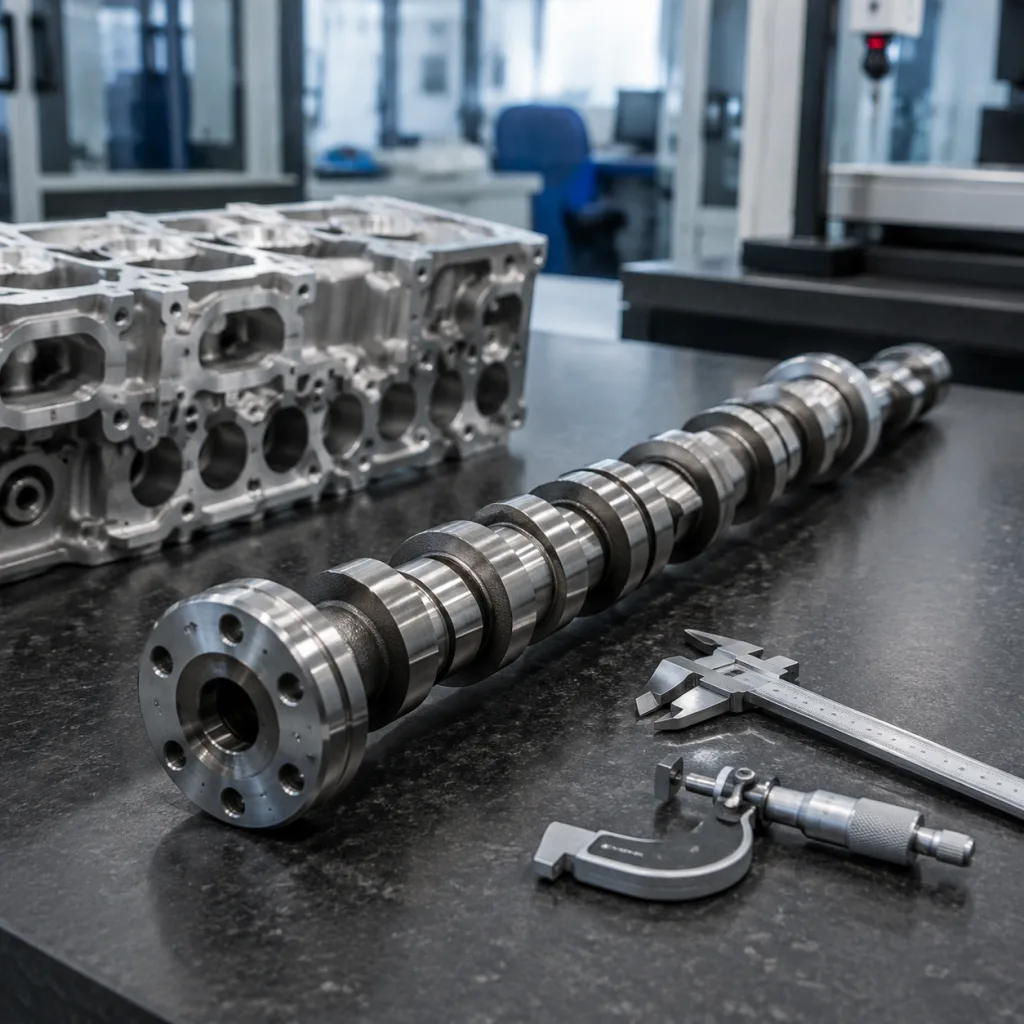
Buying a camshaft phaser seat is a sourcing task, not a consumer parts search. Procurement teams need repeatable dimensions, documented metallurgy, and a supplier that can support incoming inspection, PPAP-style validation, and stable replenishment. For camshaft phaser assemblies, the seat interfaces with the phaser body and controls hydraulic or mechanical movement accuracy, so surface finish, concentricity, and wear resistance matter. Driventus is an independent aftermarket manufacturer; brand names are referenced for fitment only. We supply engine and powertrain components from Taizhou, Zhejiang, with IATF 16949:2016 and ISO 9001:2015 systems in place. This article covers what buyers should verify, how to compare sourcing offers, and which documents to request before placing volume orders. If your team is qualifying a new source, the key questions are MOQ, lead time, inspection method, and whether the supplier can support custom manufacturing and cross-reference control.

What buyers should verify first

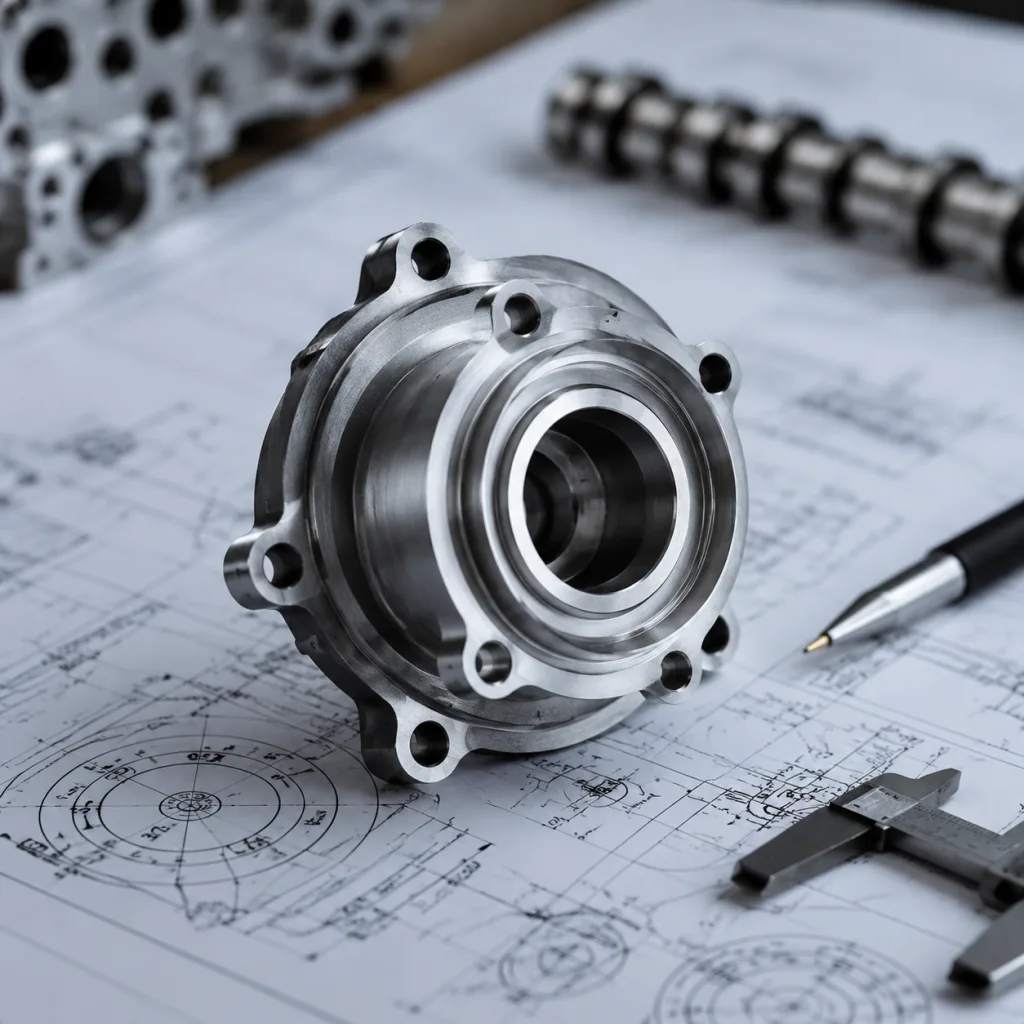
For a `camshaft phaser seat supplier`, the first filter is dimensional control. Ask for nominal size, critical diameters, runout, flatness, and surface finish. If the seat is part of a hydraulic phaser path, oil compatibility and cleanliness after machining also matter.

  • Material grade and heat-treatment route
  • Critical tolerances and inspection gauges
  • Surface roughness target on sealing or sliding faces
  • Packaging method to prevent burr damage and corrosion
  • Traceability to batch or heat number

For B2B sourcing, avoid offers that list only a vehicle model. Request OE cross-references where available, such as OE 06A107065, and confirm that the supplier is using the number for fitment only, not claiming manufacturer approval.

Typical commercial terms in supplier sourcing

Procurement teams usually compare offers on more than unit price. The real decision is made on MOQ, lead time, defect rate, and whether the factory can hold revisions without disrupting supply.

</tr></thead><tbody> </tbody></table>For regional buyers in the EU, UK, US, Canada, Australia, and Brazil, ask whether materials and process chemicals align with REACH (EC) No 1907/2006 where applicable. If the seat is sold as part of a broader engine program, align the quality pack with the buyer’s own supplier scorecard.

Typical commercial terms in supplier sourcing

Quality system and audit evidence

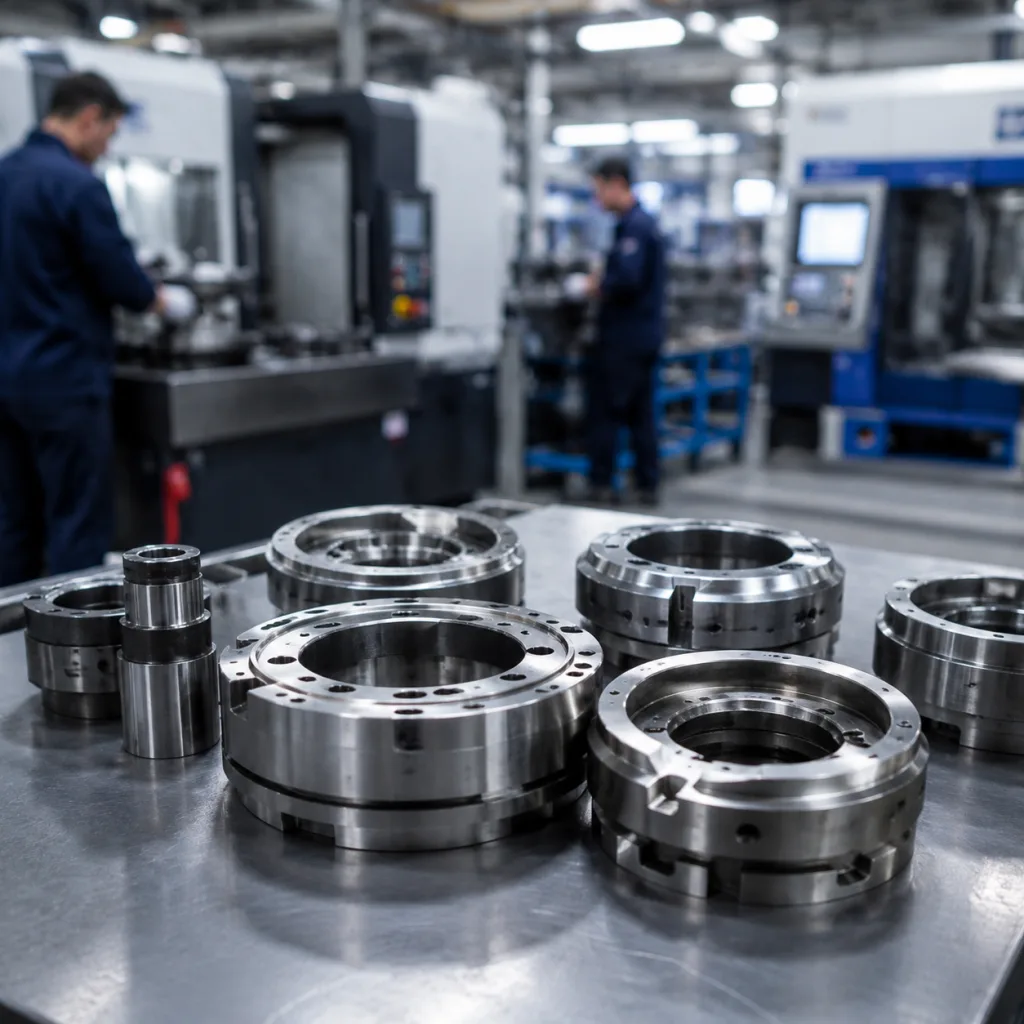
A credible supplier should be able to show how it controls process variation, not just send a brochure. For phaser-related parts, that means documented gauging, controlled heat treatment, and traceable inspection records.

Driventus operates under IATF 16949:2016 and ISO 9001:2015. Buyers can review our quality system for the structure of document control, nonconformance handling, and corrective action flow.

Useful audit questions:

1. Which dimensions are checked on every lot? 2. What is the acceptance plan for first article and pilot builds? 3. How are special characteristics marked and controlled? 4. What is the rework policy for sealing or wear surfaces? 5. How long are batch records retained?

If a seat is used in a high-duty calibration-sensitive application, request evidence of endurance or validation testing aligned to the customer’s internal requirements or published methods such as SAE J2527 where relevant to environmental durability evaluation.

When custom manufacturing is justified

Custom tooling is justified when the buyer needs a non-catalog seat geometry, tighter process capability, or a combined supply program across several engine families. It is less justified when the part is a straightforward replacement with stable demand and known OE fitment.

Use custom manufacturing when you need:

  • A modified seat profile for a new phaser design
  • A consolidated part number across multiple applications
  • Material or coating changes for corrosion or wear control
  • Controlled packing, labelling, or kitting for plant use

For standard replacement demand, it is usually better to source from our catalog and validate the sample against the OE geometry before release. Driventus can support both catalog supply and engineered variants, provided the drawing and acceptance criteria are defined clearly before tooling release.

When custom manufacturing is justified

How to build a clean RFQ package

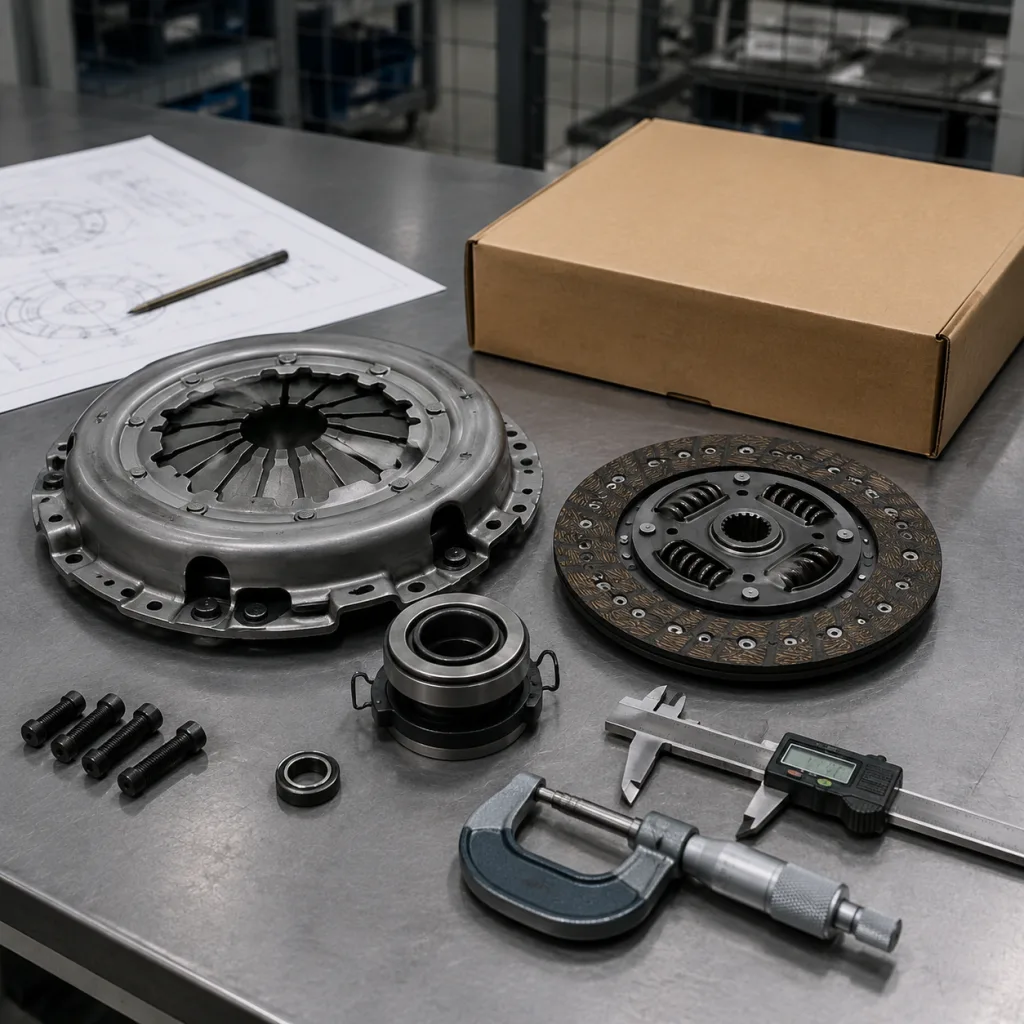
A clean RFQ shortens quotation cycles and reduces clarifications. Include the application, target annual volume, sampling quantity, drawing revision, and any special tests.

Recommended RFQ attachments:

  • 2D drawing with tolerances
  • OE reference, if known
  • Material and finish requirements
  • Target annual usage and forecast
  • Packaging and label instructions
  • Required documents for approval

If you are building a wider sourcing list for timing components, you can also review our catalog and the broader engine components range to compare part families under one supplier relationship. Driventus can quote pilot lots, pilot-to-mass-production transitions, and long-term supply programs for distributors, OEM/Tier-1 buyers, and multi-location repair chains.

Frequently asked questions

Yes. We can quote against OE references when provided, such as OE 06A107065, and we treat brand names as fitment references only.

Typical documents include material identification, dimensional reports, batch traceability, and conformance records tied to the agreed specification.

Yes. For defined drawings and volumes, we support custom manufacturing, packaging control, and export supply programs.

If you are qualifying a new source or benchmarking an existing one, send your drawing, volume target, and OE reference to start a quotation at request a quote.

Request a Quote
Item What to ask Why it matters
MOQPer part number and per orderAffects trial buys and inventory risk
Lead timeSample and mass productionAffects launch timing and replenishment
InspectionIncoming, in-process, finalReduces escape risk
DocumentsCoC, material report, dimensional reportSupports audit and customs files
Export termsIncoterms, packing standardAffects landed cost