camshaft · 2026-06-20

Camshaft Peugeot Aftermarket Replacement: Buyer Guide

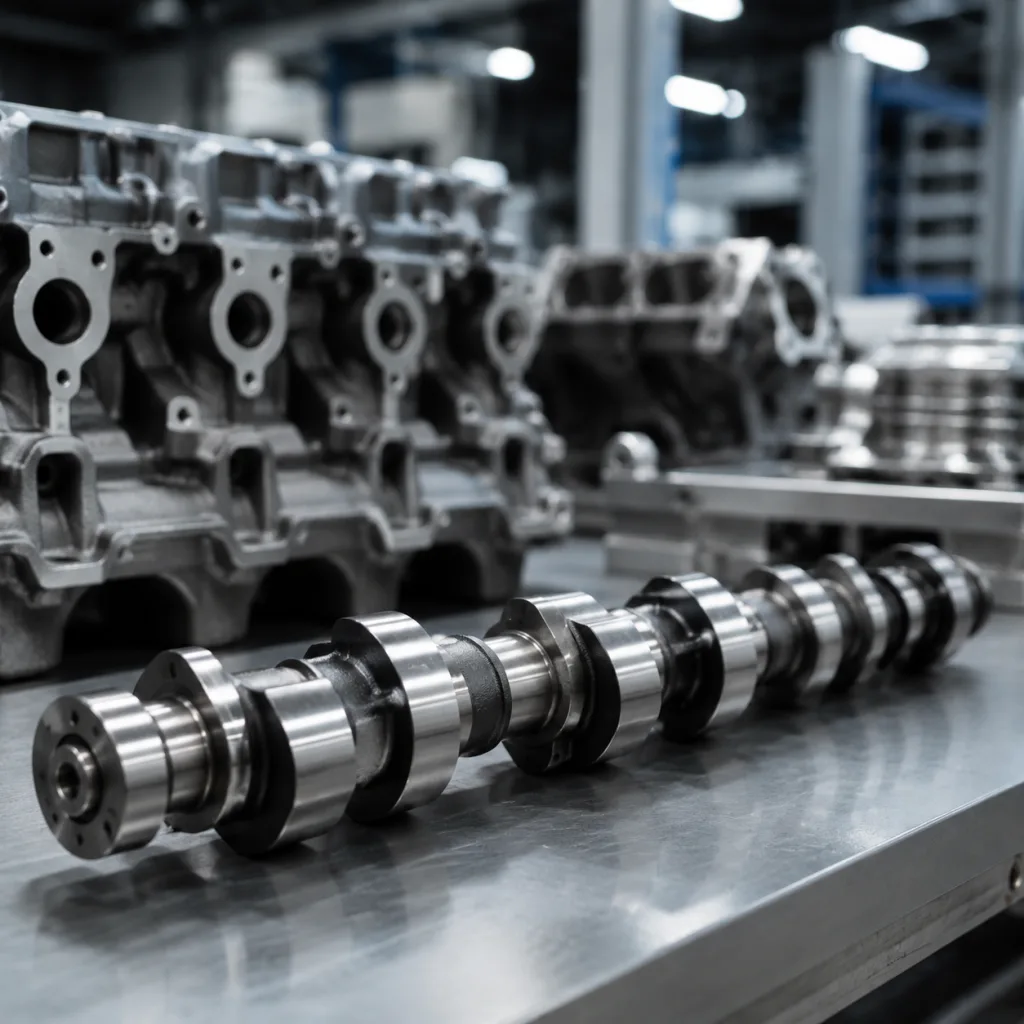
For procurement teams sourcing Peugeot camshafts, the real question is not whether a part is cheaper. It is whether it will survive in the engine family it is meant to serve. The replacement must match the OE profile, valve timing, bearing journal dimensions, lobe lift, and surface finish. It should install without machining, preserve oil flow, and pass dimensional and durability validation. Driventus supplies aftermarket engine components to distributors, OEM and Tier-1 buyers, and repair networks across multiple regions. We manufacture under IATF 16949:2016 and ISO 9001:2015 controls, and we support OE-number cross-references when fitment is clearly established. Driventus is an independent aftermarket manufacturer; brand names are referenced for fitment only. The guidance below is built for sourcing teams that need to separate acceptable replacement candidates from parts that only look compatible.

Start with the engine, not the listing

Before you compare suppliers, pin down the application. A Peugeot camshaft can only be judged in context of the engine code, valve count, and timing architecture.

Use this as the first filter:

  • Engine code and cylinder count
  • Intake or exhaust position, or a matched pair
  • Timing drive type: belt or chain
  • Presence of hydraulic lash adjusters
  • Variable valve timing, if equipped
  • OE part-number cross-reference, only where the catalog already uses that format

The part should be functionally interchangeable with the OE sample. If the engine family uses oil-fed actuators or cam phasing, those features can change the acceptance criteria even when the outer dimensions look right.

Where aftermarket replacements fail

Most sourcing problems show up after the purchase order, not before it. A camshaft can be visually close and still fail in service.

Common failure modes include:

  • Wrong lobe lift or base circle, which changes valve timing
  • Journal or thrust-surface mismatch, which affects oil clearance
  • Runout outside tolerance, which increases noise and wear
  • Inadequate hardness, which accelerates lobe and follower damage
  • Poor surface finish, which shortens bearing life
  • Incorrect packaging, which causes shipping damage before installation

The cheapest unit price is rarely the lowest landed cost if it leads to returns, workshop downtime, or warranty claims. For this reason, procurement teams should treat camshaft approval as a technical qualification exercise, not a catalog comparison.

Match the drawing, not just the dimensions

OE equivalence depends on more than overall length and journal size. Request documentation that lets you compare the replacement to the master sample, line by line.

</tr></thead><tbody> </tbody></table>If the application is sensitive to wear, ask for hardness verification, microstructure confirmation, and batch-level traceability. For export programmes, material declarations should also support REACH (EC) No 1907/2006 requirements where applicable.

What validation evidence is worth paying for

A usable replacement camshaft needs more than a spec sheet. It needs proof that the specification survives production and testing.

Ask for validation around:

  • Profile inspection against master data
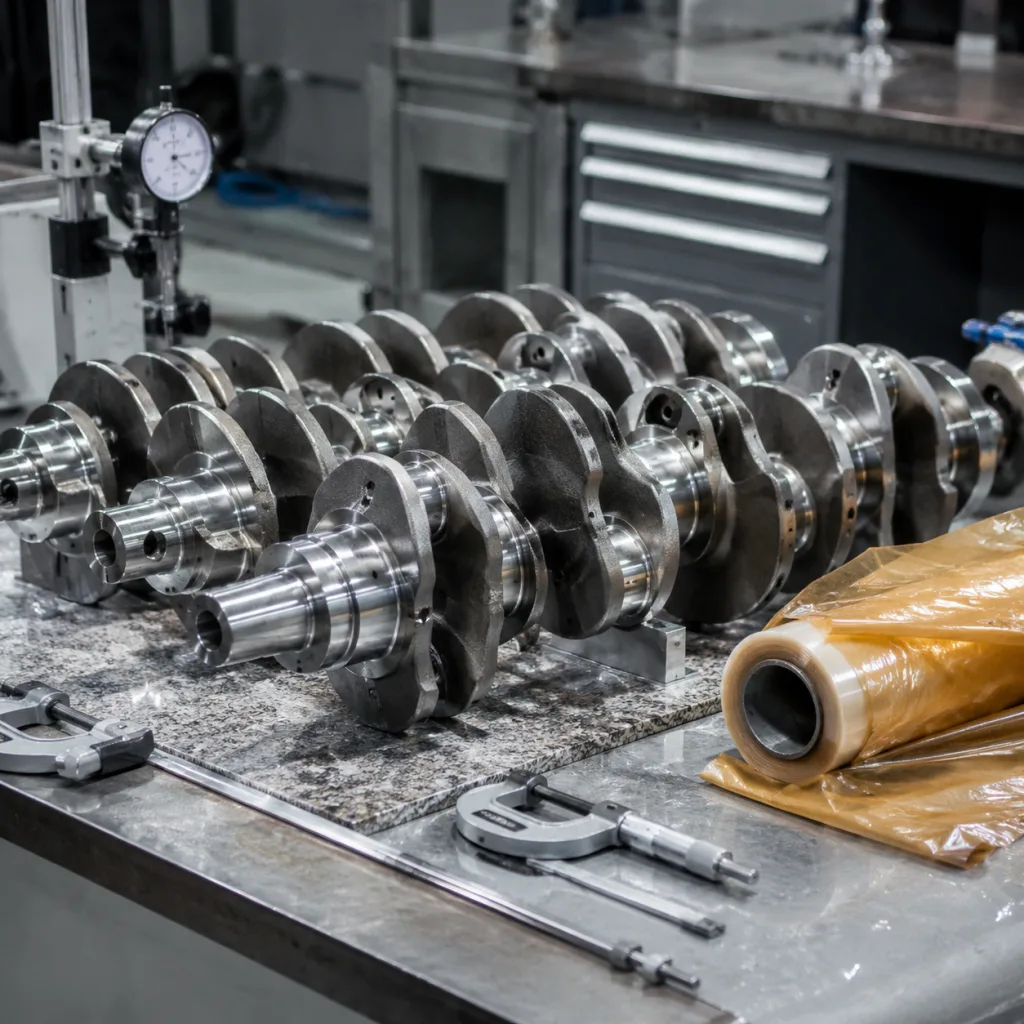
  • Runout and concentricity checks
  • Surface hardness after heat treatment
  • Endurance testing under representative load and oil conditions
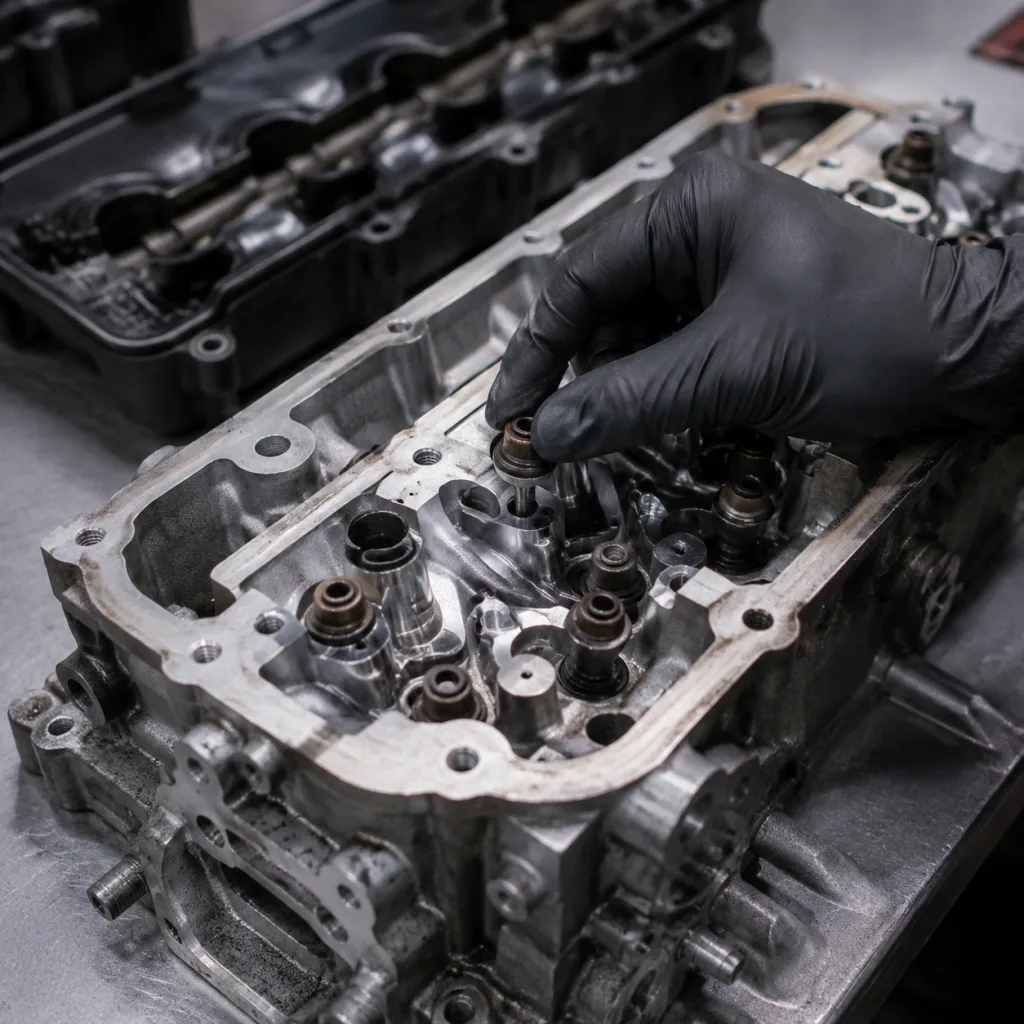
  • Fitment checks with timing gears, followers, and seals

For coated or treated surfaces, corrosion and wear validation may be requested using published methods such as SAE J2527 when the test plan calls for durability exposure. Where exhaust-side components interact with emissions-related calibration, buyers may also align component validation with vehicle or engine-system requirements referenced in ECE R-83, where relevant to the platform.

Supplier controls that reduce reorder risk

A stable B2B programme depends on process discipline. Driventus operates under an integrated manufacturing model with controlled machining, heat treatment, inspection, and packing. Buyers should confirm that the supplier can provide:

  • Batch traceability from raw material to finished goods
  • First article approval and ongoing in-process inspection
  • Packaging that prevents journal damage and corrosion
  • Stable MOQ and lead time for reorder planning
  • Documented corrective action for out-of-spec findings

You can review our quality system to see the standards and controls used for production release. If the programme needs non-standard geometry, revised surface treatment, or a private-label specification, custom manufacturing is available for defined volumes and technical drawings.

How Driventus fits B2B sourcing decisions

Driventus is based in Taizhou, Zhejiang, and exports engine and powertrain parts to more than 60 countries. For buyers consolidating Peugeot camshaft lines, our catalog helps map the part family, while our engine-component range is available through our catalog and, where relevant, engine components.

We work with aftermarket distributors, wholesalers, repair chains, and OEM or Tier-1 programmes that require repeatable fitment and documented inspection. The practical benefit is consistency: the same technical specification, repeatable packaging, and controlled change management across reorder cycles. If you need pricing, lead time, or a sample for bench validation, use request a quote.

Final purchase checklist

Before releasing a purchase order, close these items:

  • OE and engine-code fitment is confirmed
  • Sample part matches the master sample and drawing
  • Supplier provides IATF 16949:2016 and ISO 9001:2015 scope evidence
  • Inspection data covers critical dimensions and runout
  • Packaging, palletisation, and labelling meet import requirements
  • Warranty terms and corrective-action process are documented

This reduces returns, avoids timing-related failures, and protects downstream workshop uptime. If a supplier cannot document those points, the part is not ready for production use.

Frequently asked questions

Yes, if it matches the OE dimensions, timing profile, surface condition, and material requirements. Buyers should validate fitment against the engine code and review dimensional inspection data before approval.

Request dimensional reports, material and heat-treatment records, batch traceability, and certification evidence for IATF 16949:2016 and ISO 9001:2015. If relevant, ask for compliance data supporting REACH (EC) No 1907/2006.

Yes, where the technical drawing, target volume, and validation requirements are defined. Driventus supports custom manufacturing for B2B programmes with controlled specifications and repeat production.

If you are comparing replacement camshaft options for Peugeot applications, send the OE number, engine code, and target annual volume. We will confirm fitment and return a quote at /contact.html.

Request a Quote
Check item Procurement target
Journal diameterMatch OE within drawing tolerance
Overall lengthMatch OE within drawing tolerance
Lobe liftMatch OE profile and timing
RunoutVerified against release standard
Surface finishSuitable for follower and bearing life
MaterialCast iron or forged steel, per application
Heat treatmentControlled hardness and depth