Camshaft for Ford Ranger Aftermarket Replacement: OE Match
A camshaft for Ford Ranger aftermarket replacement fails or succeeds on details that are easy to miss in a catalog photo. The decision is not just whether it fits the cylinder head; it is whether lift, duration, base circle, journal diameter, thrust control, and sensor timing stay inside the original engine’s operating window. For Ford Ranger programs, buyers should confirm engine code, model year, emissions calibration, and cam drive type before release. Driventus supports B2B replacement supply with OE-number cross-references when the buyer provides part data. Driventus is an independent aftermarket manufacturer; brand names are referenced for fitment only. Production operates under IATF 16949:2016 and ISO 9001:2015 controls, with material and performance validation aligned to customer requirements and applicable published standards.
Start with the fitment traps, not the part number
For a camshaft for Ford Ranger aftermarket replacement, the first risk is assuming the vehicle nameplate tells the whole story. It does not. The same Ranger badge can hide different engines, timing systems, and sensor layouts by market and model year.
Before purchase order release, verify:
Engine code and displacement
SOHC or DOHC layout
Timing drive type: belt, chain, or mixed system
Sensor target wheel position and tooth count
Journal diameter, overall length, and thrust face design
Lobe lift, duration, and base circle
OE part-number cross-reference when available, such as `OE 06A107065`
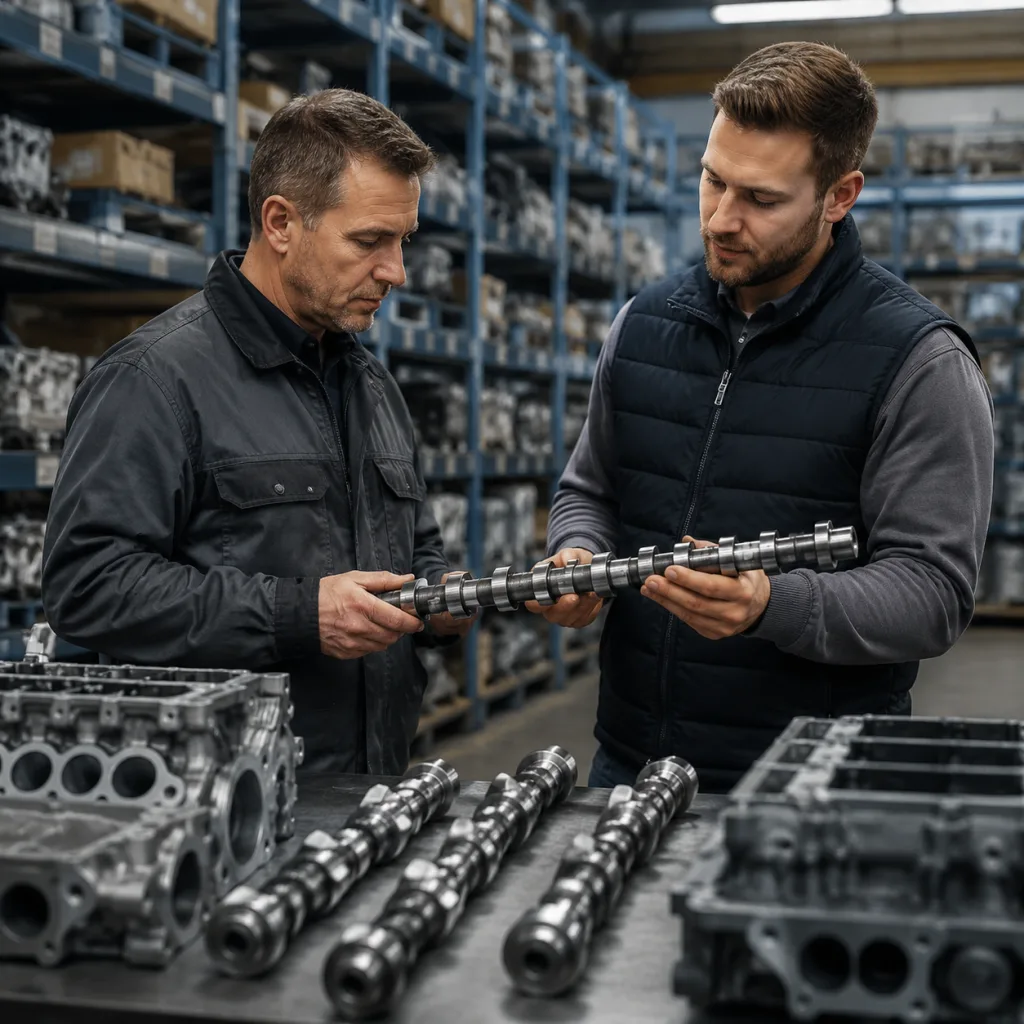
If the buyer supplies an OE sample or drawing, Driventus can compare the replacement part against the control dimensions and inspection plan. That is usually faster than resolving a misfit after arrival.
Where aftermarket camshafts usually go wrong
Most replacement failures start with parts that look correct but drift in the dimensions that actually govern engine behavior. A small change in geometry can alter valve timing, idle quality, fuel trim, and emissions performance.
Control item
Procurement check
Failure mode if off-spec
Journal diameter
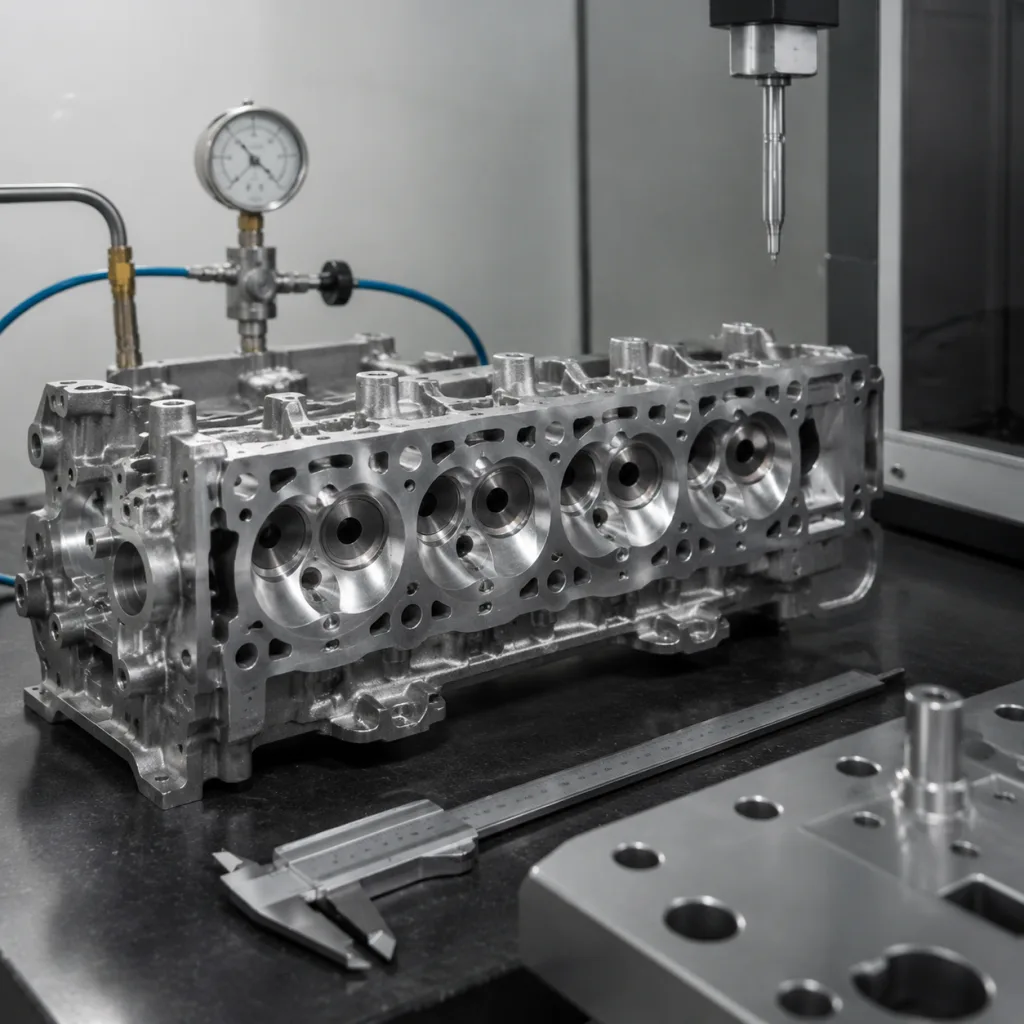
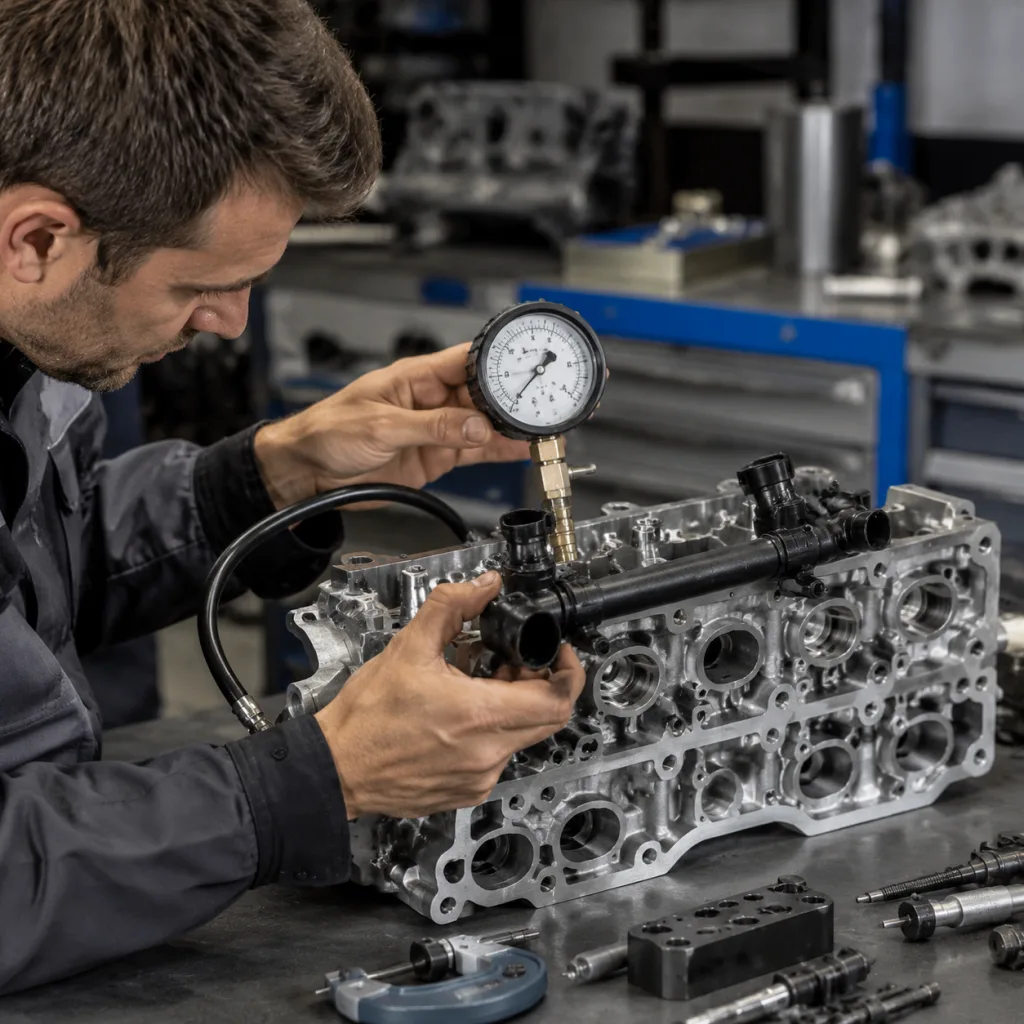
Micrometer verification against drawing
Bearing clearance loss and unstable oil film
Lobe lift
Profile measurement
Weak airflow and altered torque response
Base circle
Comparator or CMM check
Wrong lash and effective timing shift
Overall length
End-to-end inspection
Thrust load and cam drive misalignment
Sensor trigger features
Visual and gauging check
ECU synchronization errors
Surface finish
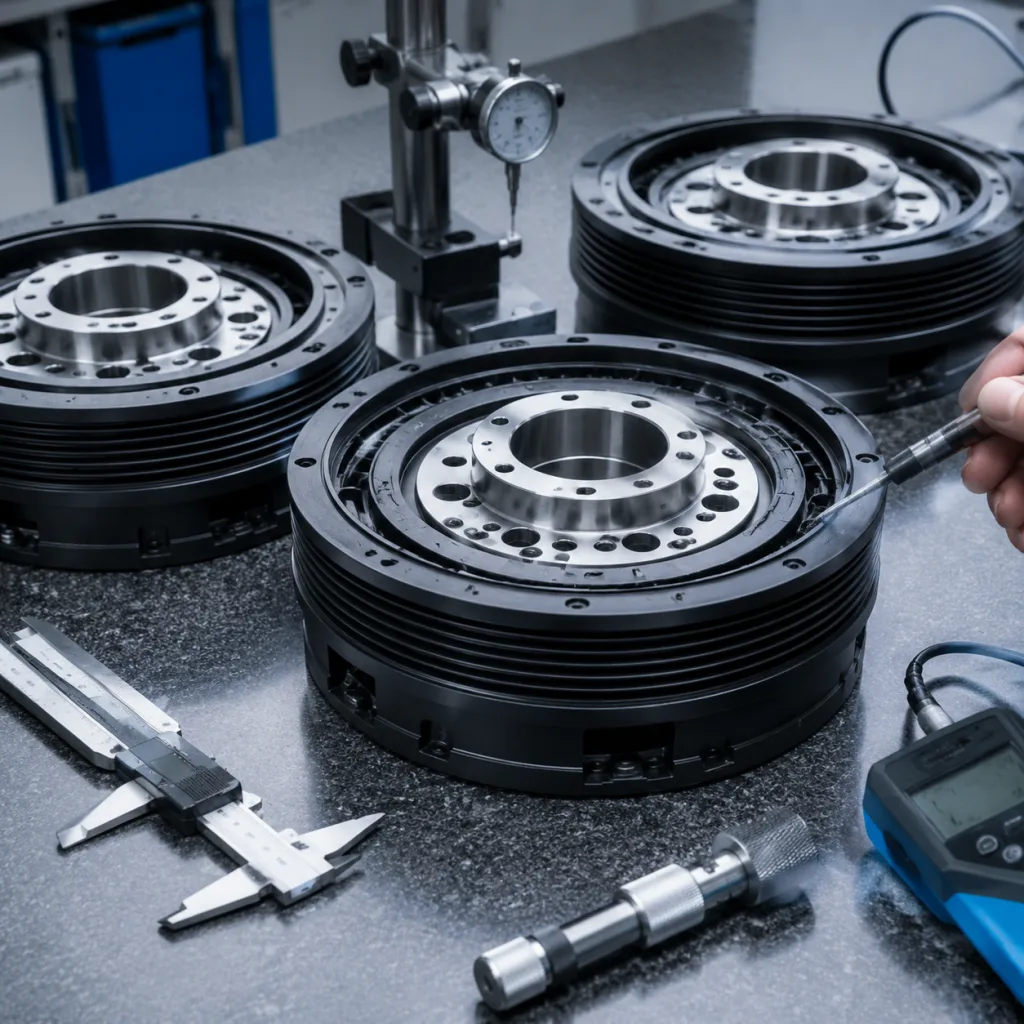
Roughness and hardness review
Premature wear and scuffing
</tr></thead><tbody> </tbody></table>This matters most for repair networks and distributors handling repeat installs. A camshaft that is “close enough” on paper can still create inconsistent technician outcomes across branches.
Spec deep-dive: materials, hardness, and surface condition
Camshaft durability depends on substrate, heat treatment, and final surface condition. Driventus manufactures to controlled material specifications and checks hardness and critical dimensions during process control.
Buyer review points should include:
Material grade and melt traceability
Induction hardening or chilled cast surface condition, depending on design
Journal and lobe hardness targets stated on the drawing
Runout and straightness limits
Surface roughness on journals and lobes
Cleanliness after machining and final wash
When buyers write RFQs or supplier scorecards, published standards help keep requirements sharp. Relevant references may include IATF 16949:2016, ISO 9001:2015, REACH (EC) No 1907/2006 for chemical compliance, and SAE J2527 where corrosion or environmental durability testing is part of the program. Final acceptance should always follow the customer print and test plan.
How Driventus handles replacement supply programs
Driventus operates as a vertically integrated manufacturer in Taizhou, Zhejiang, with in-house process control across machining, inspection, and packing. That setup keeps the replacement chain aligned from raw material to carton label.
Buyers can also review our catalog and the broader engine components range when building a mixed-line procurement basket. The quality system page outlines the certification framework and inspection approach used across production.
Decision framework for distributors and repair networks
The best sourcing decision is usually the one that reduces hidden cost, not the one that wins the lowest unit price. For a camshaft program, the real comparison is landed cost plus return risk, freight variability, claim rate, and the cost of line stops caused by wrong-fit parts.
Use this sequence:
1. Confirm part-number mapping against the vehicle application list. 2. Approve control samples before mass release. 3. Set packaging and labeling rules for warehouse scan accuracy. 4. Define acceptable cosmetic limits for machining marks and preservation oil. 5. Lock the inspection report format before production starts.
This is especially important for import managers. Stable supply with documented dimensional control often lowers rework and returns more than a small purchase-price discount ever will.
Q&A for sourcing teams
Can you supply a Ford Ranger camshaft by OE cross-reference? Yes, when the buyer provides the OE number, engine code, or sample. We verify fitment through dimensional comparison and drawing control before release.
Do you make replacement camshafts to the customer print? Yes. We support drawing-based production, sample-based development, and neutral aftermarket supply. Final acceptance follows the agreed control plan.
What quality documents can you provide? Typical documents include material traceability, dimensional inspection records, and certification references aligned with IATF 16949:2016 and ISO 9001:2015.
Frequently asked questions
Yes, when the buyer provides the OE number, engine code, or sample. We verify fitment through dimensional comparison and drawing control before release.
Yes. We support drawing-based production, sample-based development, and neutral aftermarket supply. Final acceptance follows the agreed control plan.
Typical documents include material traceability, dimensional inspection records, and certification references aligned with IATF 16949:2016 and ISO 9001:2015.
If you need a camshaft replacement program for Ford Ranger applications, send your OE reference, sample, or drawing and we will review fitment and supply options. Start here: /contact.html