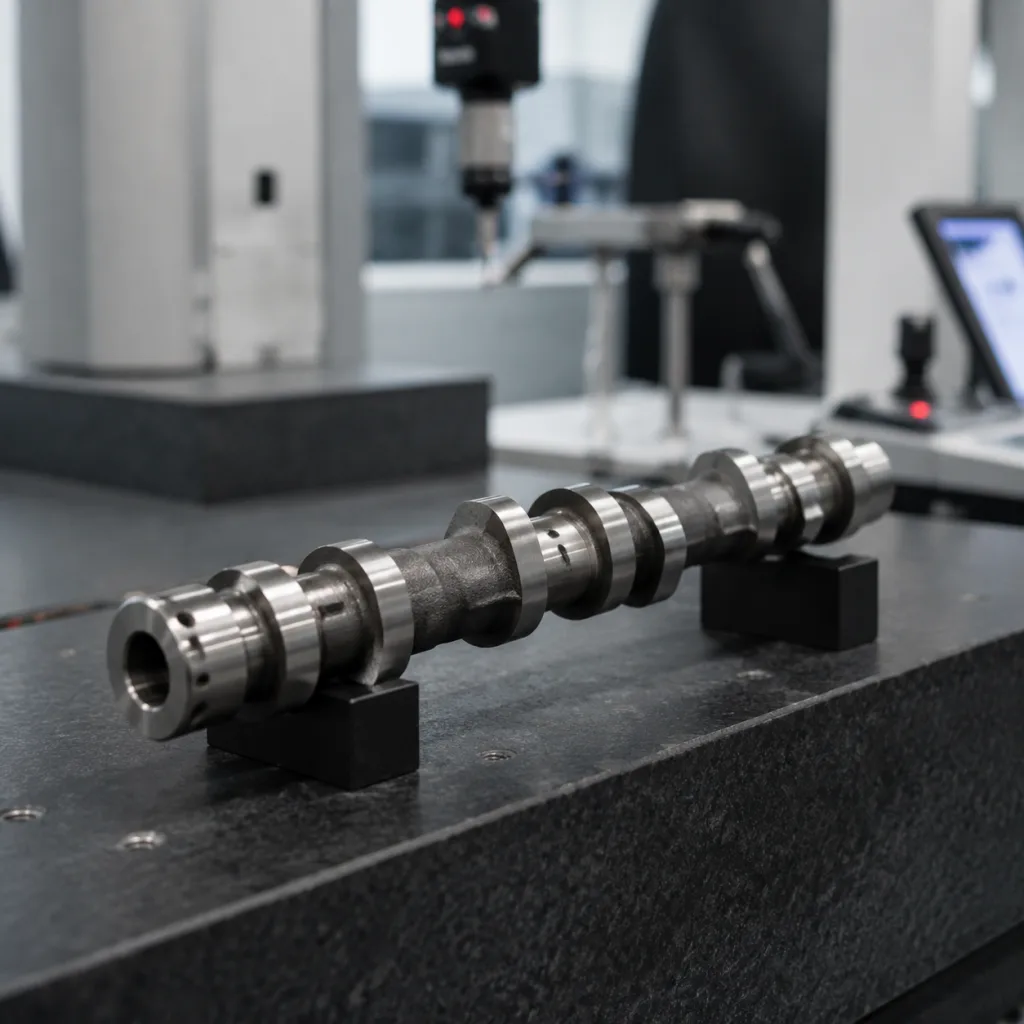
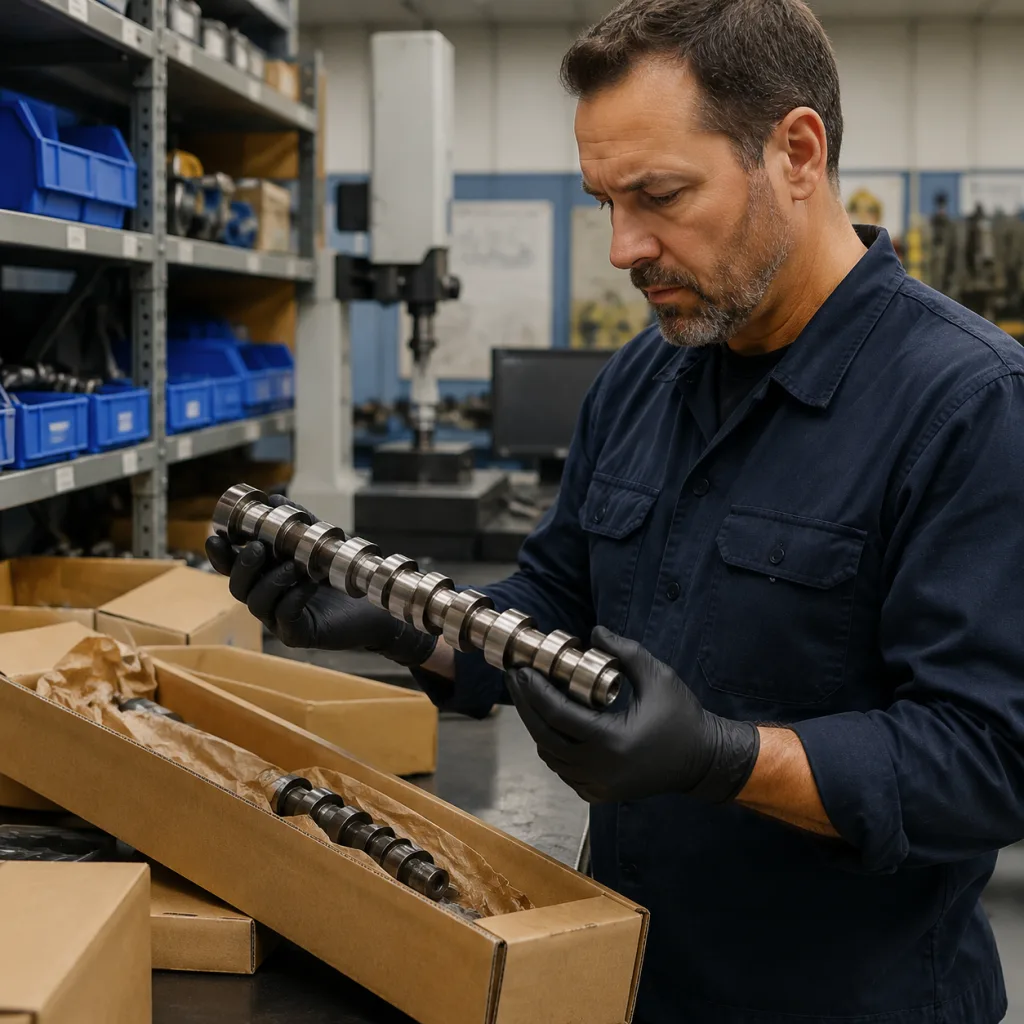
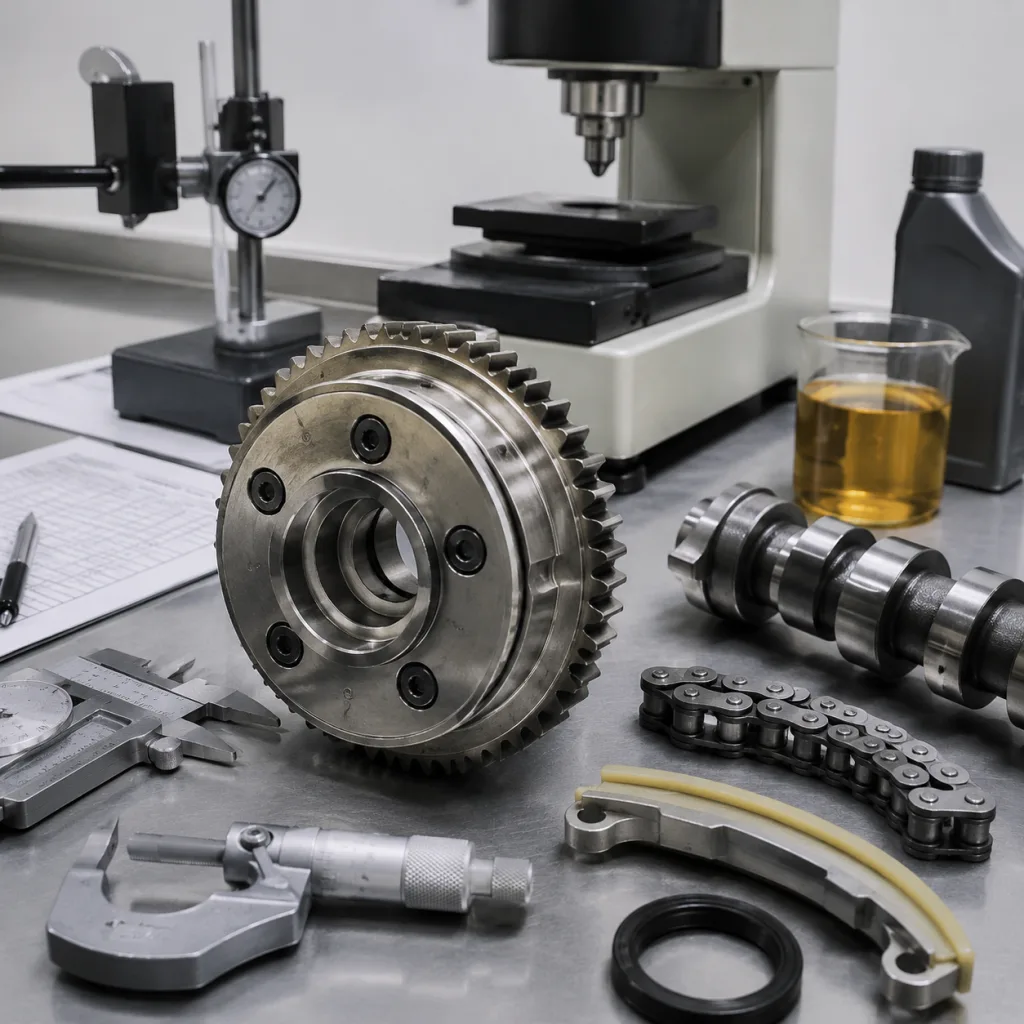
A camshaft for Acura TLX aftermarket replacement is not a catalogue-line decision. It is a geometry, surface, timing, packaging, and traceability decision rolled into one SKU. If the shaft looks right but the lobe profile, journal finish, oiling point, trigger feature, or phaser interface is wrong, the cost appears later as repeat labour claims, valve-train noise, misfire reports, premature wear, and stock that distributors cannot confidently cross-reference.
Driventus manufactures engine and powertrain components in Taizhou, Zhejiang, with IATF 16949:2016 and ISO 9001:2015 controls applied to machining, heat-treatment verification, inspection, traceability, and export packaging. The aim for B2B buyers is simple: release a TLX camshaft programme only when fitment evidence, process controls, inspection records, labelling, and import documentation are clear enough for repeat supply. Acura and TLX names are used for fitment identification only. Driventus is an independent aftermarket manufacturer and does not claim vehicle-maker approval, affiliation, or endorsement.
Decision Framework: Is This TLX Camshaft Actually Releasable?
Start with the release question, not the price question. Acura TLX camshaft demand can vary by model year, engine family, bank layout, valve-train design, and camshaft position. Before an RFQ becomes a purchase order, the buyer should know whether the part is intake or exhaust, left bank or right bank where applicable, and whether it includes timing, fuel-pump drive, phaser, or cam position sensor features.
A releasable camshaft programme needs evidence from at least one dependable source: a physical sample, technical drawing, VIN-derived application data, or an approved distributor cross-reference file. OE-style references supplied by the buyer should be recorded as interchange references only, such as OE 11251…, not as proof of vehicle-maker approval.
Use these checks before assigning a SKU:
Overall camshaft length and end-face geometry
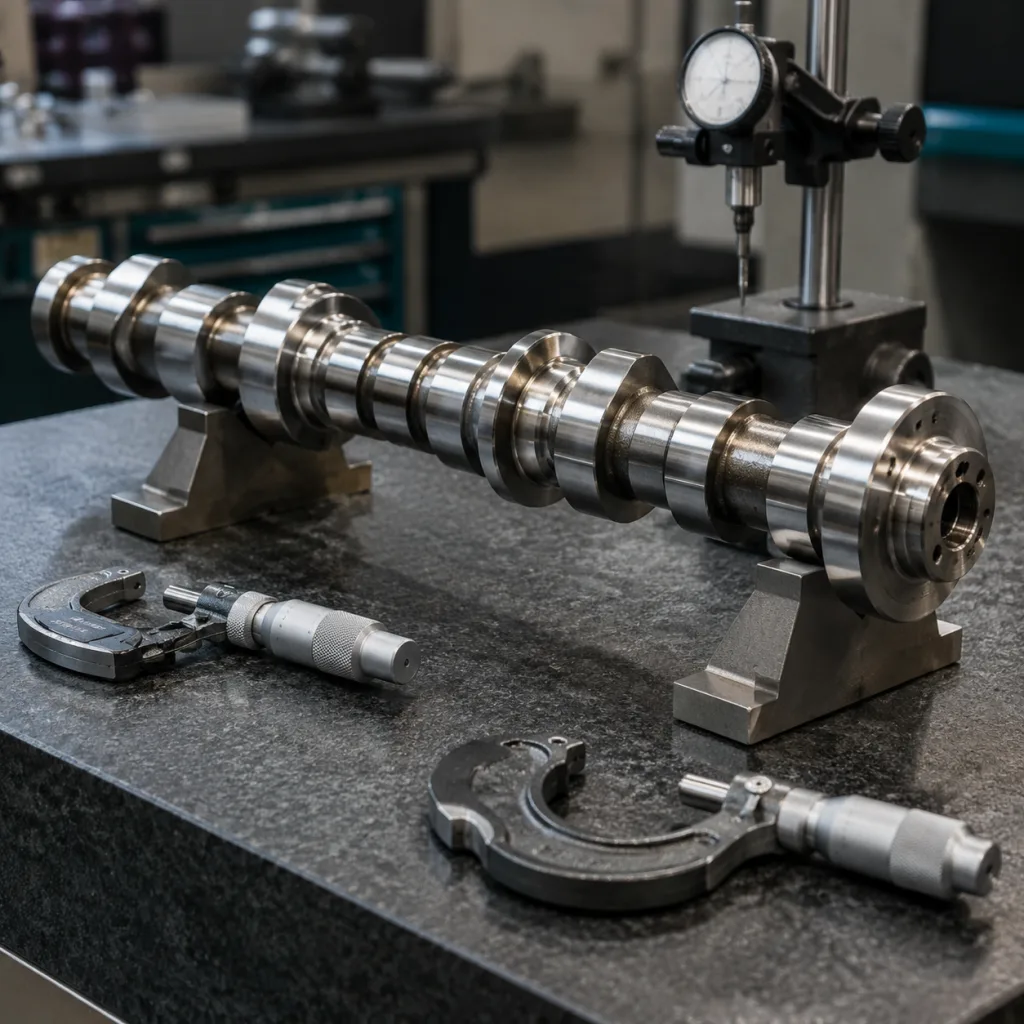
Journal diameter, roundness, and surface finish
Lobe lift, base circle, and opening profile
Thrust face width and axial location
Sprocket, gear, or phaser interface dimensions
Cam position trigger feature location
Oil feed hole position, diameter, and chamfer condition
Fuel-pump drive or auxiliary feature geometry where used
Intake, exhaust, bank, or position identification marking
The part should install without modification, align with the intended timing components, and keep valve events inside the engine control strategy. Catalogue photos are not enough. Several TLX-related engine variants can look similar until a profile trace, oil-hole check, or trigger-location measurement proves otherwise.
Spec Deep-Dive: Material, Hardness, Profile, and Cleanliness
A camshaft for Acura TLX aftermarket replacement is usually produced from chilled cast iron, ductile iron, or forged steel, depending on the original design and valve-train contact conditions. The material must carry lobe and journal wear loads without losing dimensional stability after heat treatment, straightening where required, and finish grinding.
Driventus routes machining, grinding, cleaning, preservation, and final inspection through a documented quality system. Production can be reviewed against IATF 16949:2016 for automotive process discipline and ISO 9001:2015 for quality management requirements. For importers serving regulated markets, material declarations and restricted-substance reviews can also support customer compliance work under REACH (EC) No 1907/2006 where applicable.
The controls worth asking about are specific, not decorative:
Control item
Procurement requirement
Inspection method
Journal diameter
Drawing-specific tolerance
Micrometer, air gauge, or CMM
Lobe lift
Matched to approved reference profile
Cam profile measuring equipment
Base circle
Consistent with valve lash or follower design
Profile measurement and master comparison
Surface roughness
Application-specific Ra limit
Surface roughness tester
Hardness
Controlled at lobe and journal zones
Rockwell or Vickers testing
Runout
Limited to prevent valve-train noise and seal wear
Dial indicator or CMM
Oil holes
Burr-free and correctly located
Visual, pin gauge, and air blow check
Cleanliness
No grinding swarf, abrasive residue, or casting debris
Wash process plus sampling inspection
</tr></thead><tbody> </tbody></table>For volume orders, request the control plan, inspection report format, packaging specification, and traceability method before the first shipment. Also clarify change control. A material change, process-route change, sub-supplier change, or tooling adjustment should not quietly enter repeat orders.
Failure Modes to Eliminate Before the First Container
Camshaft issues rarely stay isolated. Incorrect timing, unstable lift, blocked oil passages, poor surface integrity, or excess runout can show up as combustion instability, misfire behaviour, valve-train noise, abnormal wear, or exhaust-performance complaints. Component suppliers do not certify complete-vehicle emissions compliance, but camshafts work inside systems regulated in many markets, including emissions frameworks such as ECE R-83 for vehicle type approval.
A practical validation plan should target the failure modes most likely to create field claims. For a TLX camshaft programme, Driventus typically recommends release evidence that includes:
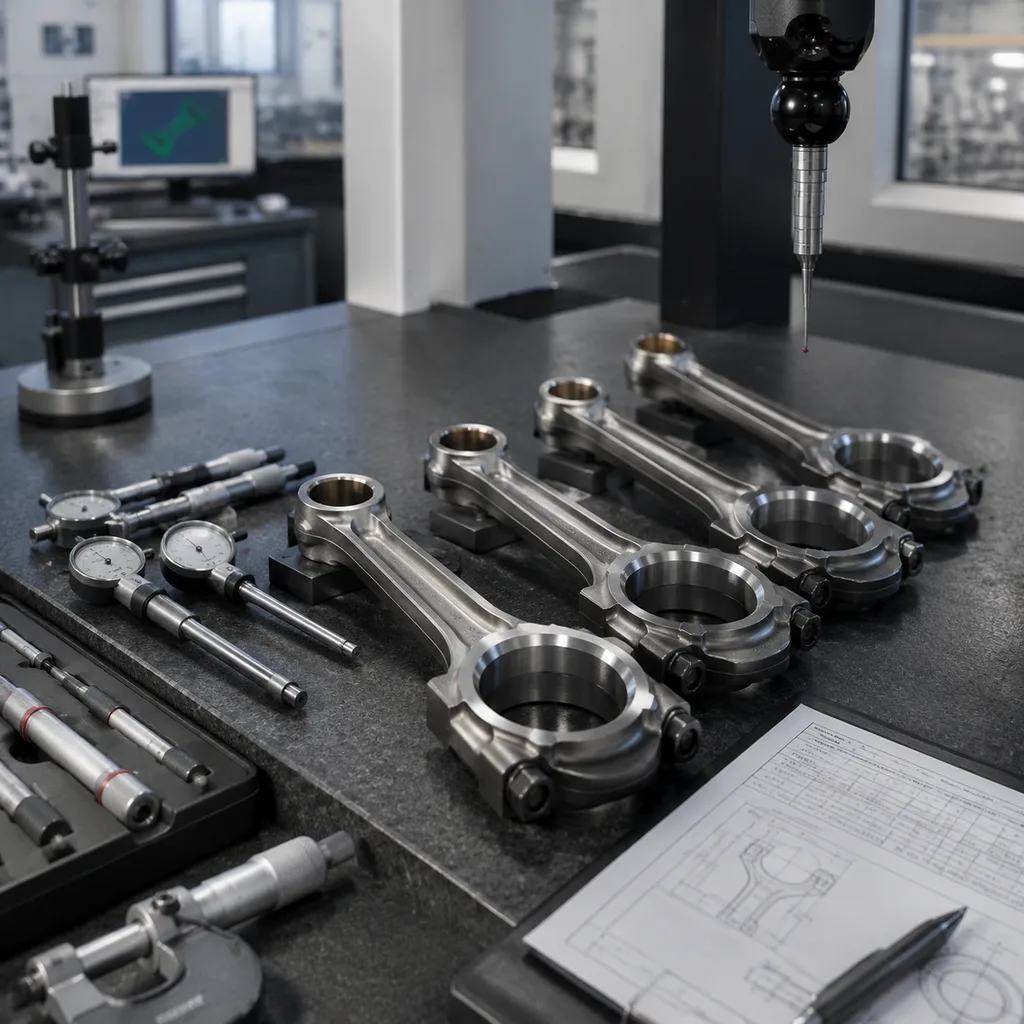
First article inspection report covering all critical dimensions
Material certificate or internal material verification record
Heat-treatment or hardness test record by batch
Lobe profile comparison against an approved master sample or drawing
Journal runout, straightness, and thrust-face inspection report
Oil passage verification for position, burrs, and blockage
Visual inspection for cracks, dents, corrosion, burrs, and handling marks
Packaging drop or transit protection review for export shipments
Batch traceability label linked to production date and inspection records
For higher-volume distributors, do not skip the pilot lot. Installation feedback should be collected before full replenishment, especially where repair channels use mixed aftermarket timing kits, gaskets, cam seals, and valve-train components. Retained reference samples from approved batches make later warranty discussions faster and more factual.
Comparison: Cheap Line Buy or Controlled Aftermarket Programme?
A low unit price can be attractive until the programme has to absorb profile disputes, hardness questions, damaged shafts, customs delays, and inconsistent reorders. For importers, regional wholesalers, and repair networks, total landed risk matters more than the first quotation.
Sourcing factor
Price-only purchase
Controlled aftermarket programme
Fitment confirmation
Often based on catalogue text only
Sample, drawing, or cross-reference verification
Dimensional records
Limited or unavailable
First article and batch inspection available
Heat-treatment proof
Not consistently provided
Hardness checks recorded by batch
Traceability
Carton-level only or none
Batch code, production date, and inspection linkage
Packaging
Generic, with variable shaft protection
Export packaging matched to length, weight, and surface finish
Warranty handling
Reactive after field complaints
Preventive review with retained samples and inspection history
Reorder consistency
May vary by sub-supplier
Controlled routing and documented change management
Catalogue support
Minimal interchange detail
Structured application and customer SKU mapping
</tr></thead><tbody> </tbody></table>Buyers can review related engine lines through our catalog and the engine components range. If the requirement is a private-label kit, matched carton design, or a camshaft developed from a buyer-supplied sample, Driventus can evaluate custom manufacturing using drawings, samples, target price, and annual demand.
Scenario: The Part Is Correct, but the Shipment Still Fails
A technically correct camshaft can still fail commercially if it arrives dented, rusty, mislabelled, or hard to clear through customs. Lobes, journals, thrust faces, and timing interfaces are easy to damage. Small marks can become installation complaints, oil-seal wear, abnormal noise, or early lobe deterioration.
The packaging specification should be written before mass production, not after the first damage claim. Define:
VCI bag, anti-rust oil, or other preservation requirement
End protection for machined faces, dowel areas, and timing interfaces
Lobe and journal separation from carton surfaces or adjacent parts
Inner support material strength and compression resistance
Master carton weight limit for safe warehouse handling
Barcode, part number, batch number, and country-of-origin label
Customer SKU, application note, and private-label artwork rules if required
Pallet pattern, carton orientation, moisture protection, and stretch-wrap method
For EU, UK, US, Canada, Australia, and Brazil importers, documentation varies by customer, customs broker, and sales channel. Common files include the commercial invoice, packing list, certificate of origin when requested, material declaration, inspection summary, and carton label artwork approval. If the buyer applies a private part number, the cross-reference table should separate customer SKU, application data, internal factory number, and any OE-style reference such as OE 11251… supplied by the buyer.
Step-by-Step Procurement Checklist for Release
Use this sequence before releasing a camshaft for Acura TLX aftermarket replacement into a distributor programme. It keeps engineering, purchasing, packaging, and documentation decisions in the same approval path.
1. Confirm engine application, model years, and camshaft position. 2. Provide a sample, drawing, or verified cross-reference data. 3. Define critical dimensions, tolerances, and inspection points. 4. Confirm material grade and heat-treatment expectation. 5. Review inspection equipment, gauge capability, and report format. 6. Agree first article approval before mass shipment. 7. Specify corrosion protection, packaging, labelling, and palletisation. 8. Confirm MOQ, lead time, forecast assumptions, and reorder process. 9. Require batch traceability and a warranty response procedure. 10. Align invoice, origin, inspection, and material documents for the destination market.
Driventus can quote standard catalogue items or review buyer-supplied samples for development. For open applications, send the application list, target annual volume, packaging requirements, destination market, and inspection expectations through request a quote.
Frequently asked questions
Yes. Driventus can support aftermarket replacement programmes when fitment data, samples, drawings, or validated cross-references are available. The camshaft is supplied for independent aftermarket use, not as a vehicle-maker approved component.
Request a first article inspection report, material or hardness verification, lobe profile confirmation, packaging specification, and batch traceability method. Importers may also need certificate of origin, commercial invoice, packing list, carton label approval, and material declaration files.
Private-label supply can be evaluated for qualified B2B orders. Buyers should provide packaging artwork requirements, carton label rules, annual forecast, destination market, SKU structure, and any inspection standards required by their distribution channel.
For a TLX fitment review, sample comparison, or B2B quotation, share your application data, target annual volume, packaging requirements, and inspection expectations with Driventus. Contact our team at /contact.html