Valve Seat Specifications for Material, Hardness, and Fit
This article explains valve seat specifications in a way that supports procurement, incoming inspection, and supplier qualification. The seat is a small part, but it controls sealing, heat transfer, and long-term valve life, so the drawing revision and test method matter as much as the material grade. Driventus is an independent aftermarket manufacturer; brand names are referenced for fitment only. Buyers should confirm bore size, interference fit, seat angle, width, concentricity, hardness, and traceability before release. That is especially important for engines with high exhaust temperature, turbocharging, or repeated thermal cycling. For B2B sourcing teams, the practical goal is consistent fit across batches, clear documentation, and a supplier that can hold the specified window without relying on hand fitting at final assembly.
What the specification controls
A valve seat is the machined and/or inserted interface between the valve face and the cylinder head. Its specification controls three things: sealing, heat transfer, and wear life. If the contact band is wrong, the valve may run too hot, leak compression, or recede into the head over time.
For procurement teams, the seat should never be treated as a generic ring. The controlling document is the engineering drawing, not a catalogue description. That drawing should define the angle, width, outer diameter, material, heat treatment, and the inspection method used to confirm each batch.
A practical release package should also state the application boundary. A seat for a naturally aspirated gasoline engine is not automatically suitable for a turbocharged, LPG, or diesel duty cycle. Temperature, fuel type, exhaust back pressure, and service interval all change the spec window. If those inputs are not stated up front, the supplier will be forced to guess, and the result will be inconsistent lot-to-lot performance.
Dimensional checks buyers should ask for
The dimensions below are common procurement checkpoints. The final print always governs, but these values show what a complete supplier response should address.
Item
Typical control
Why it matters
Seat angle
Commonly 45°, with 30°/60° reliefs in multi-angle designs
Must match the valve face and the intended contact pattern
Seat width
Intake often 1.0-1.5 mm; exhaust often 1.5-2.5 mm
Affects heat transfer and contact stress
Concentricity to guide axis
Often held to 0.03 mm TIR or tighter on critical parts
Controls sealing and valve wear
Outer diameter interference
Commonly 0.03-0.10 mm depending on head material and size
Prevents movement after press-in and thermal cycling
Surface roughness on the seating face
Typically Ra 0.4-0.8 µm after finish grinding
Supports gas tightness and repeatable valve job quality
Edge break / chamfer
Usually 0.2-0.5 mm
Reduces cracking during installation
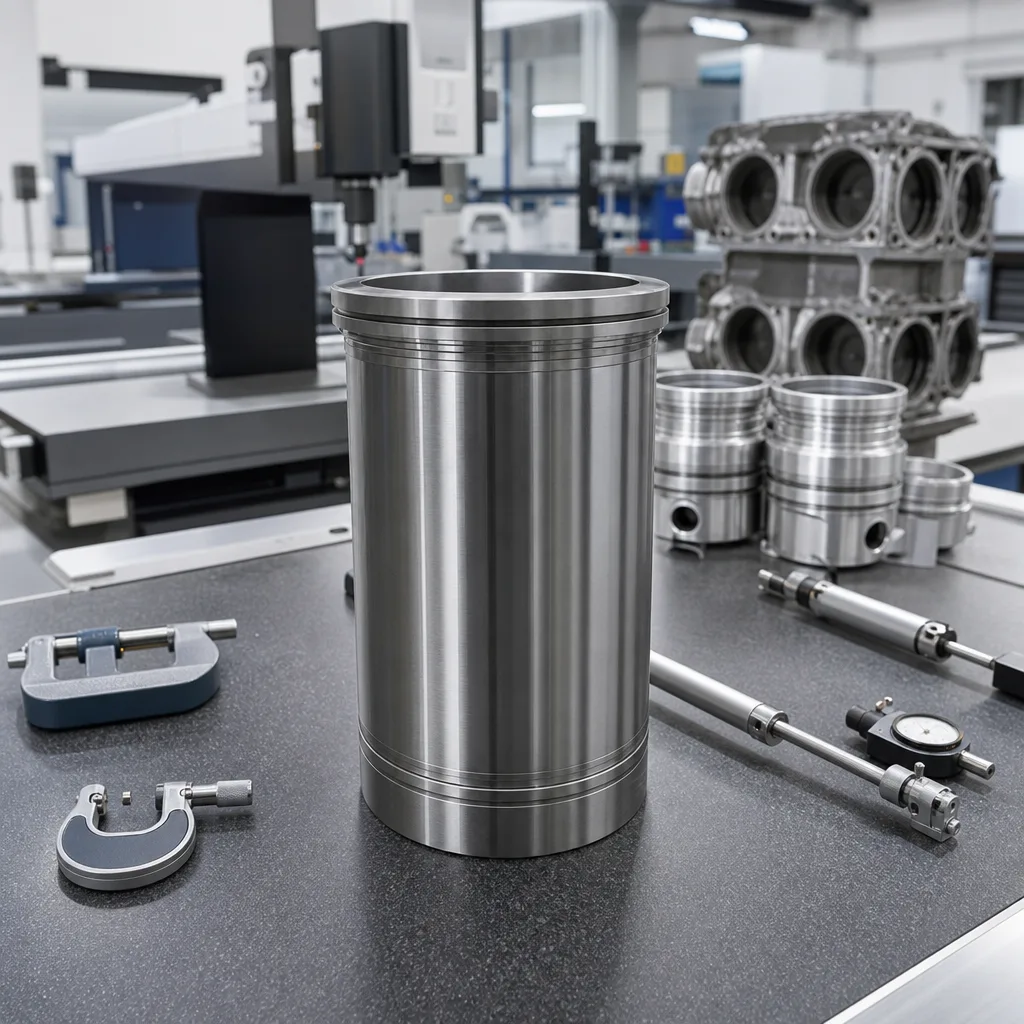
</tr></thead><tbody> </tbody></table>For release, ask the supplier to state the inspection tool and measurement location for each dimension. A width call-out without a gauge method is not enough. The same is true for concentricity: the report should show whether the control is relative to the guide bore, the OD, or the finished head datum.
Material and hardness choices
Material selection depends on exhaust temperature, fuel, and whether the engine sees repeated high-load operation. Common options include alloy steel, powder metal blends, and high-temperature alloys for severe exhaust duty. The correct choice is the one that matches the thermal load and wear mechanism, not the one with the lowest unit price.
Intake and exhaust are not interchangeable
Intake seats usually run cooler and can often use a lower-cost alloy if the duty cycle allows it. Exhaust seats live in a harsher environment: higher temperature, oxidising gases, and more risk of recession. That is why many programmes specify a higher hardness window or a more wear-resistant alloy for the exhaust position.
A buyer should ask for:
Material designation and chemical composition range
Heat treatment or sintering route
Hardness target and acceptance window
Microstructure or case-depth evidence where applicable
Batch traceability back to melting or powder lot
For hardness checks, suppliers should state the test method, such as ISO 6508-1 or ASTM E18 for Rockwell testing, or the equivalent method required by the drawing. For European programmes, material declarations should also support REACH (EC) No 1907/2006.
Validation and quality system
A supplier can only prove compliance if the part survives the full process chain: machining, pressing, valve grinding, assembly, and thermal loading in the finished head. That is why audit evidence matters.
A production-capable supplier should be able to show alignment with IATF 16949:2016 and ISO 9001:2015. In practice, that means documented control plans, calibration records, nonconformance handling, traceability by batch, and measured capability on the dimensions that matter most.
Useful validation data includes:
Press-fit retention after heat cycling
Leak testing on the finished head assembly
Seat recession after durability exposure
Metallographic review for sintered or heat-treated materials
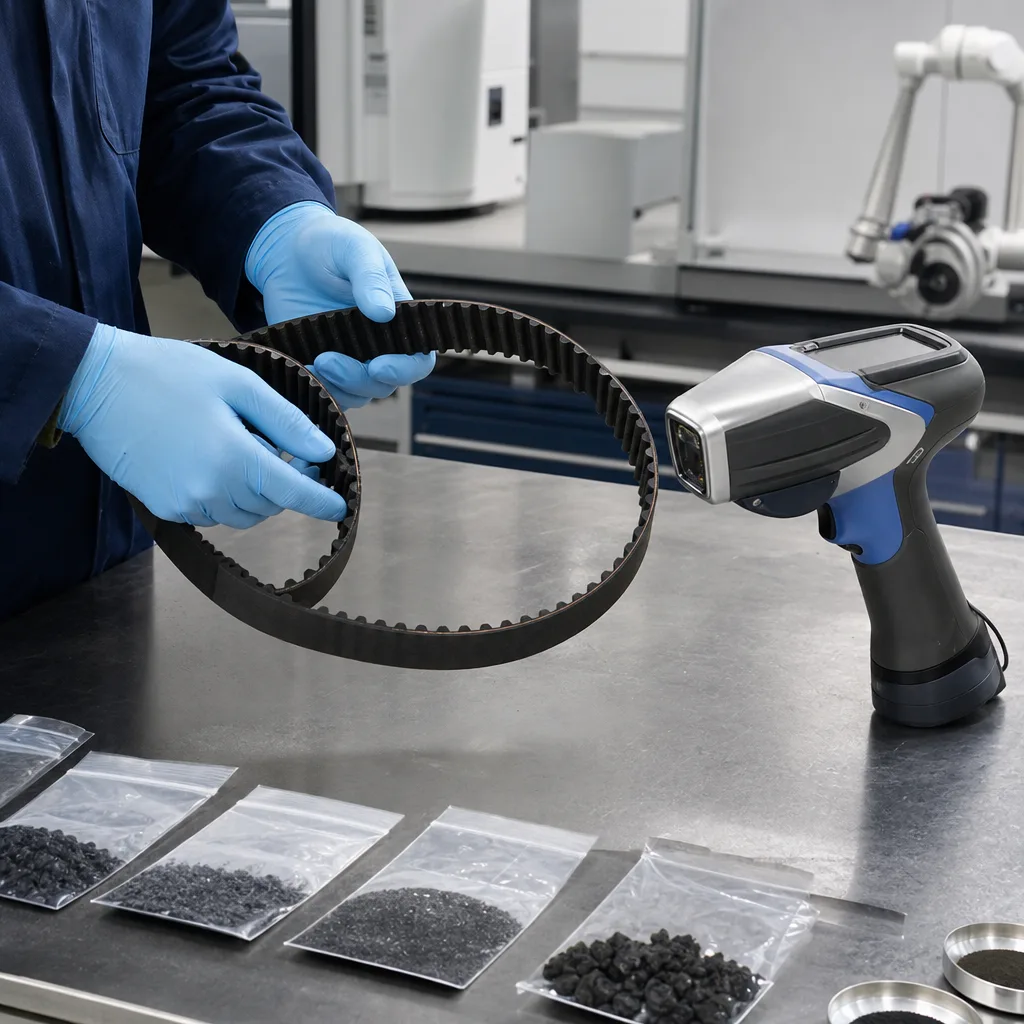
Incoming chemistry verification by spectrometry or certificate review
For emissions-sensitive programmes, the validation matrix may need to align with vehicle-level requirements such as ECE R-83. Where the customer asks for environmental durability at a broader assembly level, SAE J2527 can be relevant to the programme plan. The key point is simple: test the seat in the real stack-up, not only as a loose component.
How to source for production
Buying seats at production scale is mostly a documentation exercise. The supplier should be able to manufacture to the print, repeat the result across lots, and explain the control points without ambiguity.
Driventus is an independent aftermarket manufacturer; brand names are referenced for fitment only.
Use our catalog to review available engine part families, check engine components for related inserts and head hardware, and confirm process controls in our quality system. If your drawing needs a different alloy, revised interference fit, or a new seat angle, custom manufacturing is the right route.
When sending an RFQ, include:
Drawing revision and datum scheme
Valve angle, seat width, and contact band target
Head material and bore finish
Material grade or hardness window
Annual volume, forecast split, and packaging requirement
Validation or PPAP-style document list
If those inputs are complete, the quote is faster and the sample stage is easier to control. That matters more than negotiating the lowest initial price, because rework at head assembly is usually more expensive than the part itself.
Frequently asked questions
There is no single dimension that works in isolation. Angle, width, concentricity, and interference fit all interact. For release, the drawing revision should define the full stack, and the supplier should report the measurement method for each critical characteristic.
Often yes. Exhaust seats see higher gas temperature and more oxidation, so they usually need better hot hardness or wear resistance. Intake seats can often use a lower-cost alloy if the duty cycle and fuel type allow it.
Ask for the material certificate, hardness report, traceability data, and the inspection record for the critical dimensions. For European supply, also confirm how REACH declarations are maintained across batches.
If you are reviewing a new drawing or replacing an existing part, send the material target, tolerance stack, and annual volume to [request a quote](/contact.html).